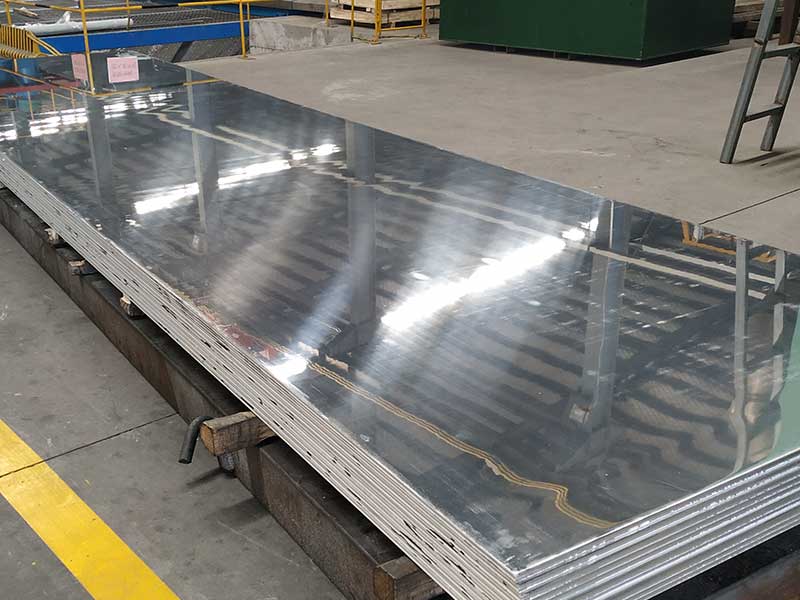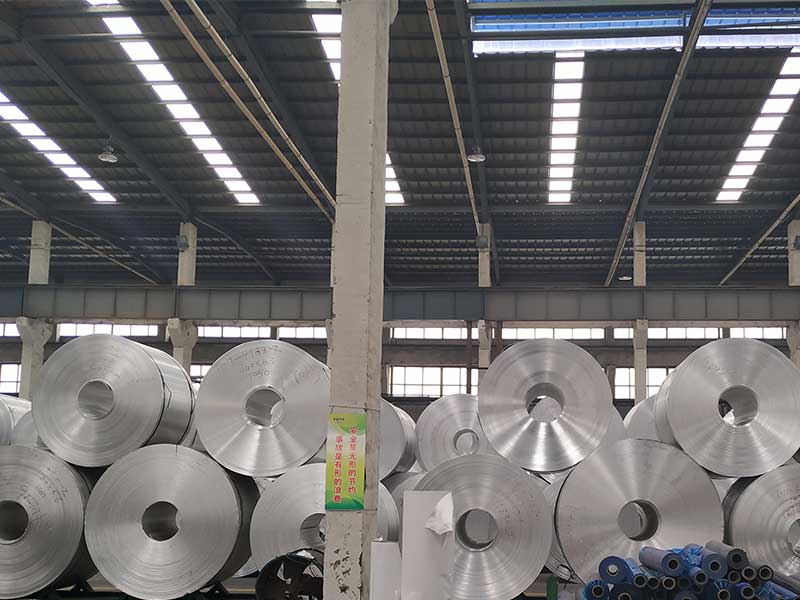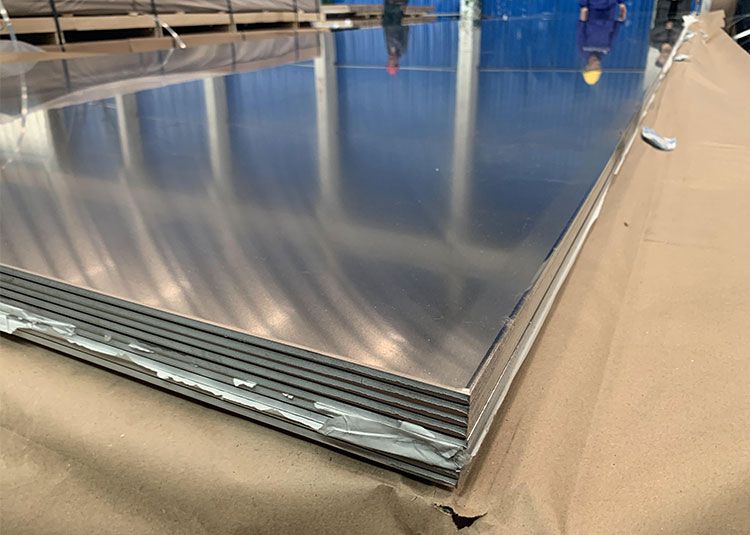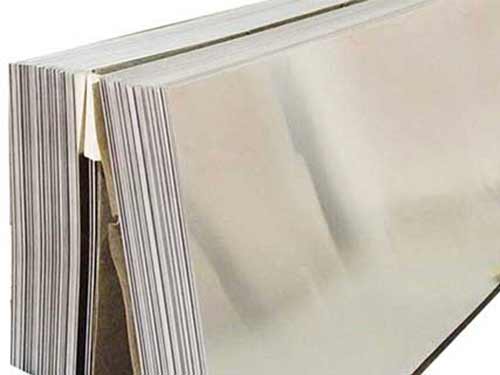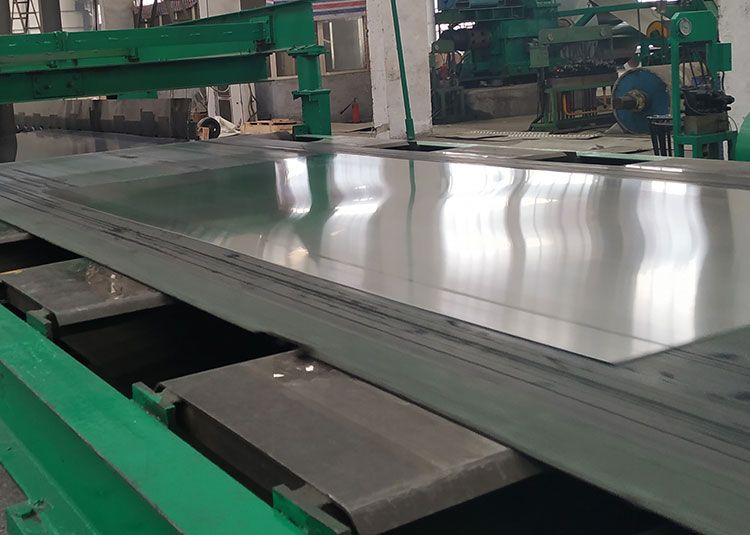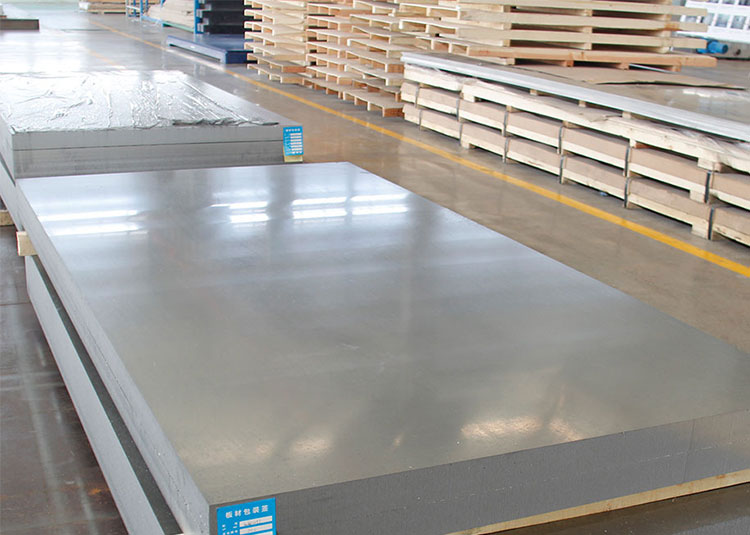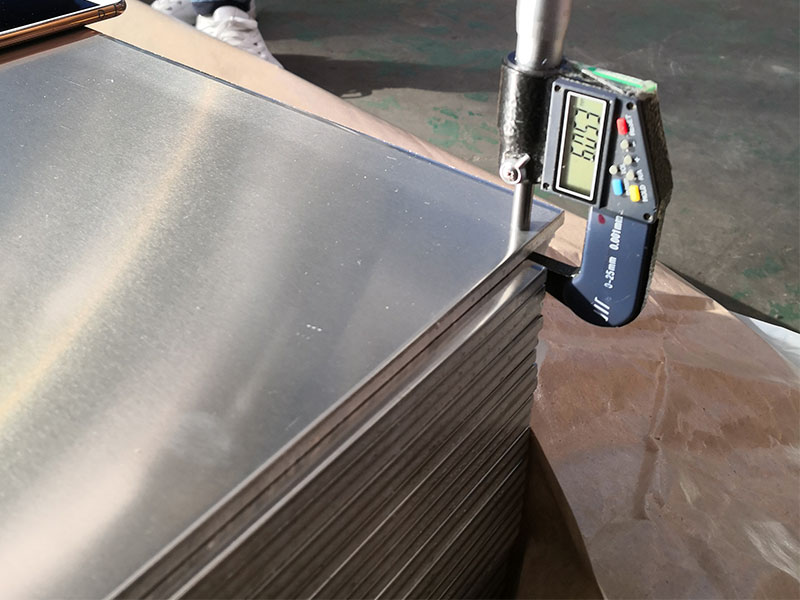

A boat trailer lives in two worlds at once. On the highway, it absorbs vibration, impact, and long-distance loading. At the launch ramp, it meets water, mud, salt spray, and constant wet-dry cycling. This dual environment is exactly why 5052 H34 aluminum sheet for boat trailer building material has become such a practical and respected choice. It is not simply an aluminum sheet with decent corrosion resistance; it is a marine-grade material that balances strength, formability, fatigue performance, and durability in a way that suits trailer builders exceptionally well.
From a distinctive engineering viewpoint, 5052 H34 is valuable because it solves a conflict that many materials struggle with: the trailer must be strong enough to support repeated movement and load transfer, yet workable enough for fabrication, bending, and panel fitting. In this role, 5052 H34 aluminum sheet performs as more than a skin material. It becomes part of the trailer's long-term reliability strategy.
Why 5052 H34 Fits Boat Trailer Conditions So Well
Boat trailers are exposed to a more aggressive service environment than many standard transport structures. Water exposure alone is not the whole story. Saltwater residues, gravel impact, drainage issues, and crevice-prone joints all accelerate deterioration. Steel can provide strength, but it often requires more intensive protective systems. Many aluminum alloys offer lightweight benefits, but not all of them handle marine exposure and fabrication equally well.
This is where marine aluminum 5052 H34 sheet stands out. The alloy contains magnesium as its main alloying element, giving it very good corrosion resistance, especially in marine and industrial atmospheres. It also offers good weldability and a favorable balance of moderate strength with practical bendability. For trailer building, these traits matter in components such as fenders, side panels, toolboxes, deck skins, step plates, splash guards, and structural cover plates.
The H34 temper is especially important. It means the sheet has been strain hardened and then stabilized. In simple terms, the alloy has been strengthened by cold working to a controlled condition, while stabilization helps maintain a useful level of performance in service. This temper gives trailer manufacturers a more durable sheet than softer tempers, while still preserving enough forming ability for fabrication.
Functions of 5052 H34 Aluminum Sheet in Boat Trailer Construction
Looking at the material from the perspective of function helps explain its popularity. In a boat trailer, 5052 H34 aluminum sheet for boat trailer building material often serves several roles at the same time.
It acts as a corrosion-resistant barrier in areas exposed to splash, runoff, and road debris. This is especially valuable for outer cladding and fenders, where appearance and durability are equally important.
It also contributes to weight reduction. Aluminum is much lighter than steel, and reducing trailer mass can improve towing efficiency, handling, and payload flexibility. For trailer owners, this can mean easier launching, reduced tow vehicle strain, and better overall convenience.
Another function is formability. Trailer components frequently require curved surfaces, folded edges, and custom-fitted panels. 5052 H34 can be processed into practical shapes without the fabrication difficulty associated with harder, less workable alloys.
There is also a maintenance advantage. Because 5052 has excellent resistance to atmospheric and saltwater corrosion, the surface can maintain serviceability and appearance with less intervention over time, especially when proper design and drainage are used.
Typical Applications in Boat Trailer Manufacturing
In real-world trailer production, 5052 H34 aluminum sheet is used in many visible and hidden areas. Fender fabrication is one of the most common applications because fenders must resist water, impact, and stone chipping while keeping a clean appearance. Side skins and enclosure panels also benefit from this alloy's corrosion resistance and smooth finish.
It is frequently selected for checker plate or anti-slip panel bases, access covers, storage box bodies, battery compartments, light mounting plates, and protective guards around wheel or spray zones. Some builders use it for floor sheets or deck covers where moderate strength, low weight, and marine durability are all needed. It is also suitable for custom trailer modifications, especially where builders want a sheet that cuts, bends, welds, and finishes well.
From a fabricator's perspective, one of the biggest practical strengths of 5052 H34 is that it supports efficient workshop processing. It can be sheared, bent, riveted, and welded with consistency, making it ideal for both standard production and tailored trailer designs.
Technical Parameters of 5052 H34 Aluminum Sheet
The following parameters are commonly referenced for 5052 H34 aluminum sheet for boat trailer building material. Exact values may vary slightly depending on producer specifications and applicable standards.
| Property | Typical Value |
|---|---|
| Alloy | 5052 |
| Temper | H34 |
| Main Alloying Element | Magnesium |
| Density | 2.68 g/cm³ |
| Melting Range | Approx. 607–650°C |
| Tensile Strength | Approx. 260 MPa |
| Yield Strength | Approx. 215 MPa |
| Elongation | Approx. 7–12% |
| Elastic Modulus | Approx. 70 GPa |
| Thermal Conductivity | Approx. 138 W/m·K |
| Electrical Conductivity | Approx. 34% IACS |
| Surface Condition | Mill finish, brushed, anodized, coated optional |
| Common Thickness Range | 1.0 mm to 6.0 mm |
| Common Width Range | 1000 mm to 2000 mm |
| Common Length Range | Custom cut available |
These properties explain why the alloy is so adaptable. It is strong enough for many trailer sheet applications, yet still manageable during forming and installation.
Chemical Composition of 5052 Aluminum Alloy
The corrosion behavior and fabrication performance of 5052 come directly from its chemistry. The typical chemical composition is shown below.
| Element | Content (%) |
|---|---|
| Magnesium (Mg) | 2.2–2.8 |
| Chromium (Cr) | 0.15–0.35 |
| Silicon (Si) | 0.25 max |
| Iron (Fe) | 0.40 max |
| Copper (Cu) | 0.10 max |
| Manganese (Mn) | 0.10 max |
| Zinc (Zn) | 0.10 max |
| Aluminum (Al) | Remainder |
Magnesium improves strength and corrosion resistance, while chromium helps control grain structure and supports durability. The low copper content is especially beneficial because copper-rich aluminum alloys typically perform less favorably in marine corrosion environments.
Implementation Standards and Supply Conditions
When customers source 5052 H34 marine aluminum sheet, implementation standards matter because they define composition, mechanical performance, dimensional tolerances, and quality consistency. Common standards include:
ASTM B209 for aluminum and aluminum-alloy sheet and plate
EN 485 for aluminum and aluminum alloy sheet, strip, and plate
GB/T 3880 for wrought aluminum and aluminum alloy plates, sheets, and strips
AMS or marine project-specific requirements where applicable
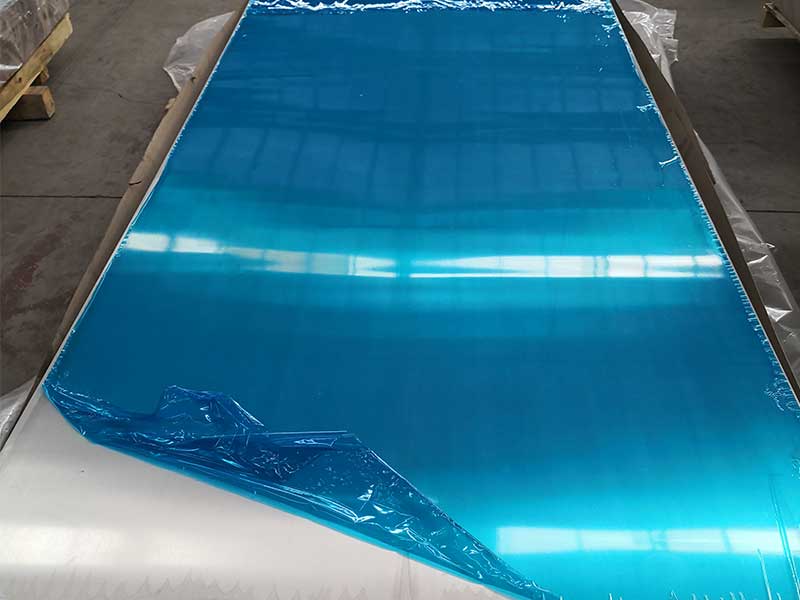
Supply conditions may include mill finish sheet, PVC-coated surface, cut-to-size panels, or special surface preparation for fabrication and appearance-sensitive applications. For trailer building, buyers often specify thickness tolerance, flatness, bend performance, and corrosion-related expectations alongside the base alloy and temper.
A Distinctive View: Not Just Marine-Resistant, but Workshop-Efficient
A unique way to understand 5052 H34 aluminum sheet for boat trailer building material is to see it not only as a marine-resistant alloy, but as a workshop-efficient marine alloy. This distinction is important. Some materials survive the environment but complicate fabrication. Others are easy to process but compromise long-term durability. 5052 H34 sits in a highly useful middle ground.
It gives manufacturers confidence during forming, assembly, and welding, while also giving trailer owners confidence at the shoreline and on the road. That combination reduces lifecycle concerns. Less corrosion means fewer repairs. Good workability means faster, cleaner production. Lower weight means better transport efficiency. In this way, the alloy supports both manufacturing economics and customer satisfaction.
Final Thoughts
For builders and buyers looking for a dependable boat trailer building material, 5052 H34 aluminum sheet offers a smart combination of marine corrosion resistance, moderate strength, light weight, and fabrication practicality. Its chemistry is well suited to wet and salty service, its temper provides useful hardness and stability, and its application range covers many of the most important trailer components.
In fast-reading terms, this is the core value of 5052 H34 aluminum sheet for boat trailer building material: it is designed for environments where a trailer must keep working, keep looking good, and keep resisting damage long after repeated trips between highway and harbor. For modern marine trailer construction, that is exactly the kind of performance that matters.