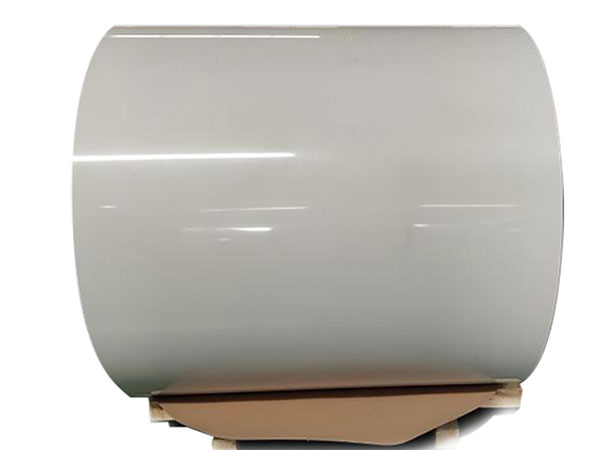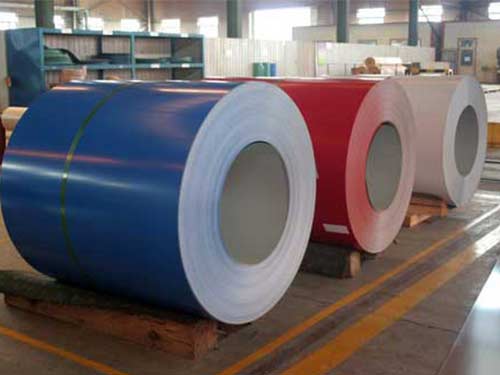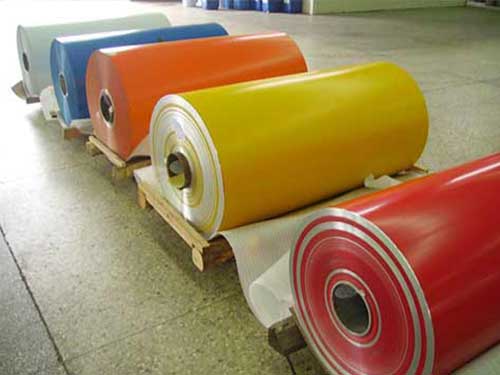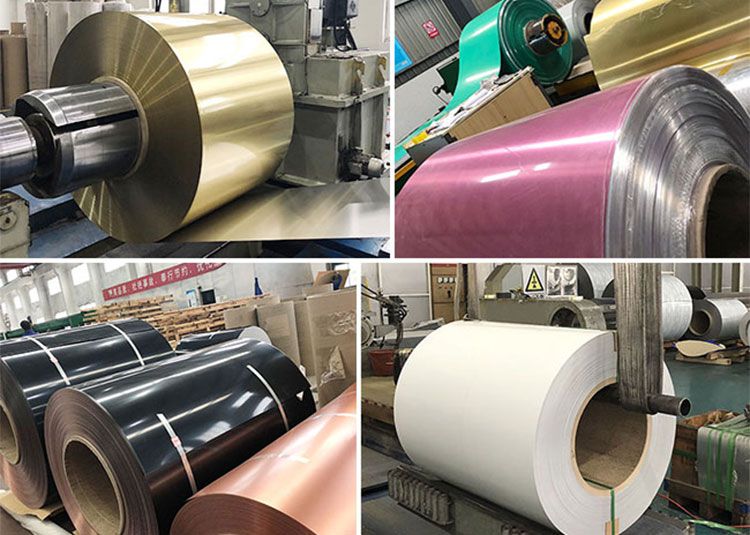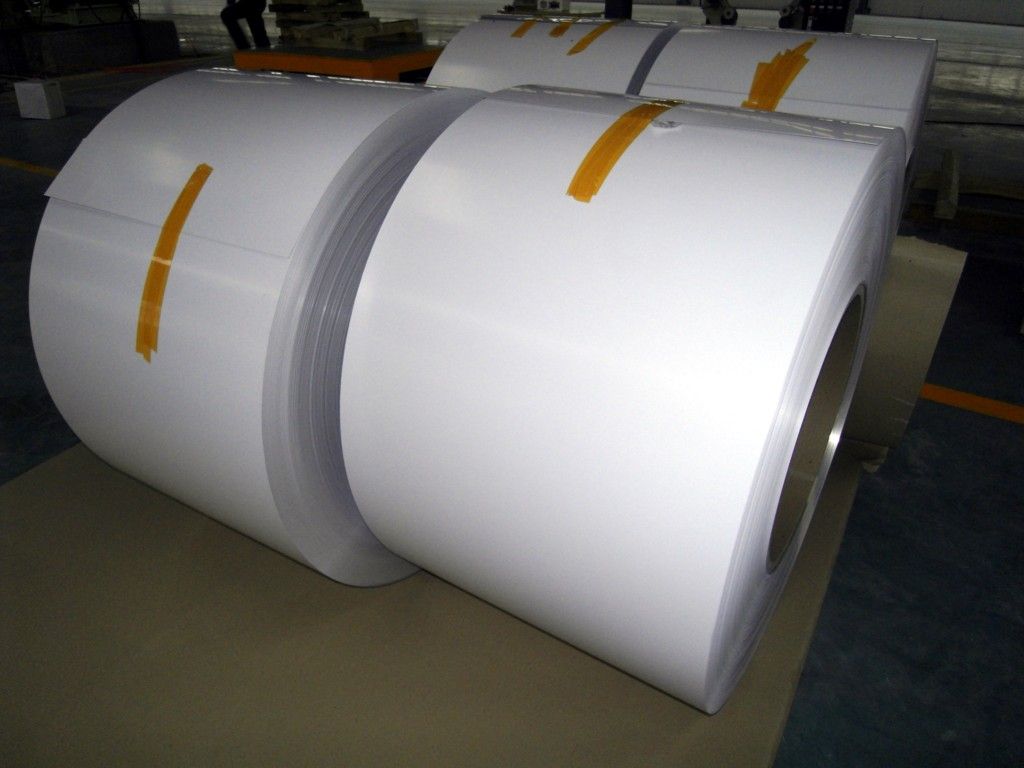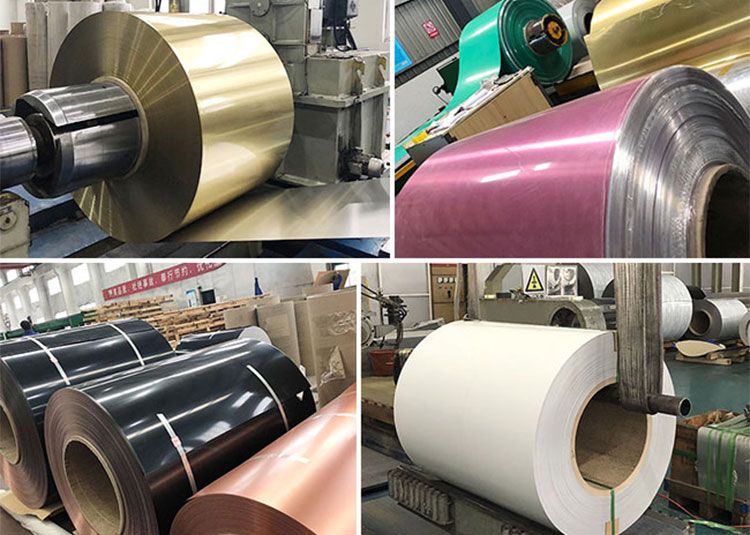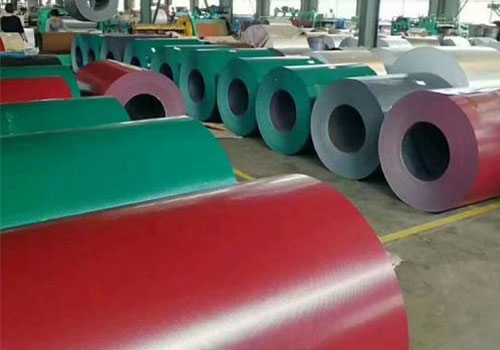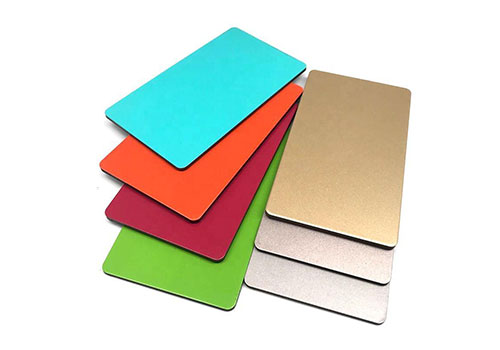
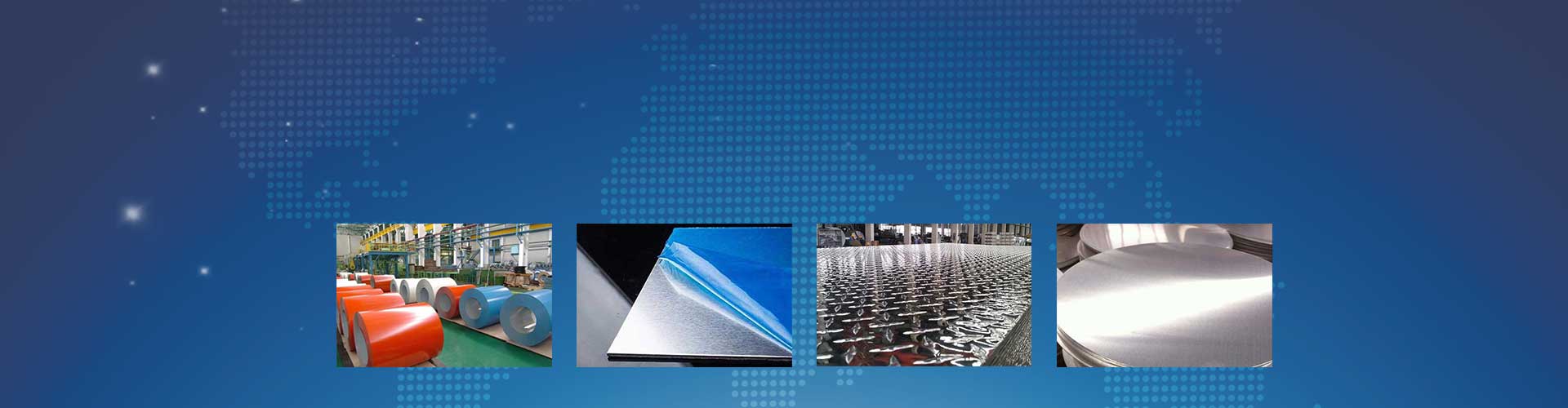
PE PVDF colour coated aluminium coil is a high-performance pre-painted aluminium material widely used in modern construction, transportation, home appliances, signage, and industrial fabrication. It combines the light weight and corrosion resistance of aluminium with durable organic coatings that provide color, weather protection, and decorative appeal. For buyers, fabricators, and project engineers, this product offers an efficient solution for applications that demand both appearance and long-term reliability.
The two most common coating systems are PE (Polyester) and PVDF (Polyvinylidene Fluoride). Although both are used for colour coated aluminium coil, they serve different environments and performance expectations. PE coating is valued for cost-effectiveness, flexibility, and a broad choice of colors. PVDF coating is known for outstanding weather resistance, UV stability, chalking resistance, and color retention, especially in demanding outdoor conditions.
What Is PE PVDF Colour Coated Aluminium Coil
Colour coated aluminium coil is produced by cleaning, chemical pretreatment, and coating the aluminium strip with organic paint, followed by baking and curing. The result is a finished coil with a uniform, decorative, and protective surface. It can be supplied in various colors, gloss levels, widths, thicknesses, alloys, and tempers according to end-use requirements.
PE and PVDF refer to the paint system applied to the aluminium substrate.
| Coating Type | Full Name | Main Features | Typical Use Environment |
|---|---|---|---|
| PE | Polyester | Good flexibility, rich color options, cost-effective, suitable for general decoration | Indoor and mild outdoor environments |
| PVDF | Polyvinylidene Fluoride | Excellent UV resistance, weatherability, corrosion resistance, long color life | Harsh outdoor and architectural environments |
Main Functions of PE PVDF Colour Coated Aluminium Coil
Colour coated aluminium coil performs both protective and decorative roles. The coating shields the metal from moisture, sunlight, pollutants, and chemical attack, while also giving the surface a clean and attractive finish.
| Function | Description |
|---|---|
| Corrosion protection | Coating and pretreatment layers reduce direct exposure of aluminium to air, water, and contaminants |
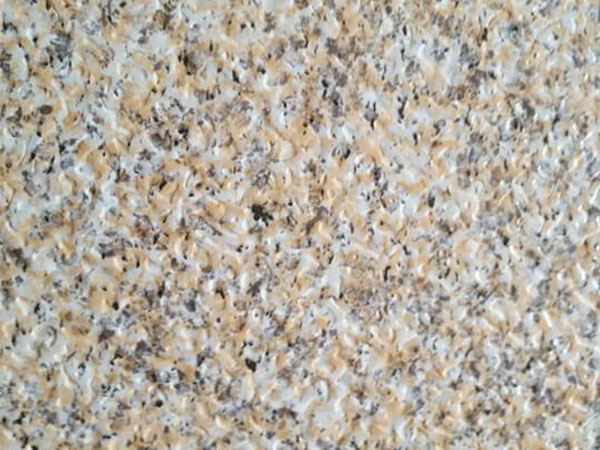
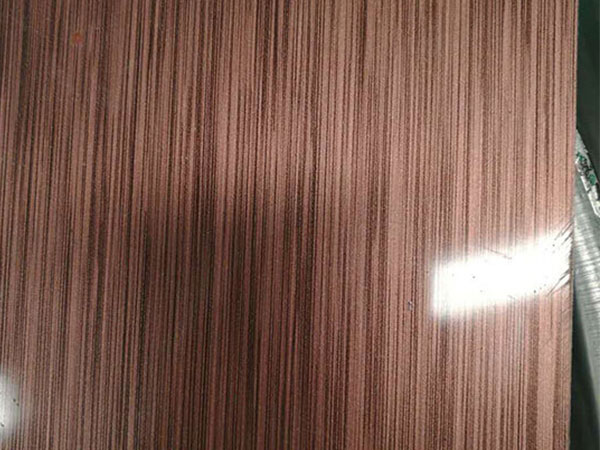
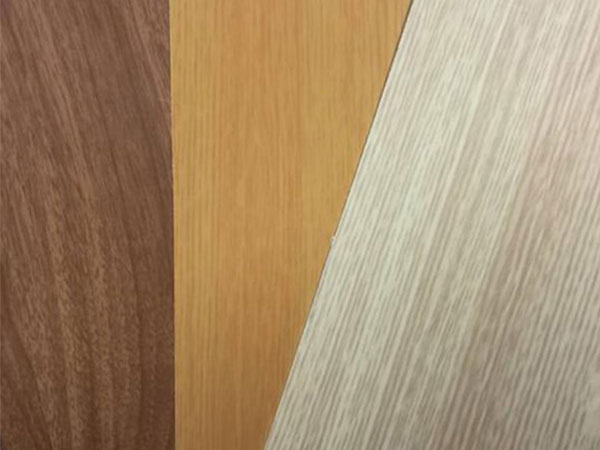
| Decorative appearance | Available in solid colors, metallic tones, matt, high gloss, wood grain, stone pattern, and customized designs |
| Weather resistance | Especially with PVDF systems, the surface resists UV ageing, chalking, and fading |
| Processability | Can be bent, roll-formed, stamped, corrugated, and profiled for many fabricated products |
| Lightweight construction | Aluminium offers low density, reducing handling and structural load |
| Maintenance reduction | Smooth coated surfaces are easier to clean and maintain over time |
Typical Applications
PE PVDF colour coated aluminium coil is used across a wide range of industries because it balances aesthetics, durability, and fabrication efficiency.
| Industry | Typical Applications |
|---|---|
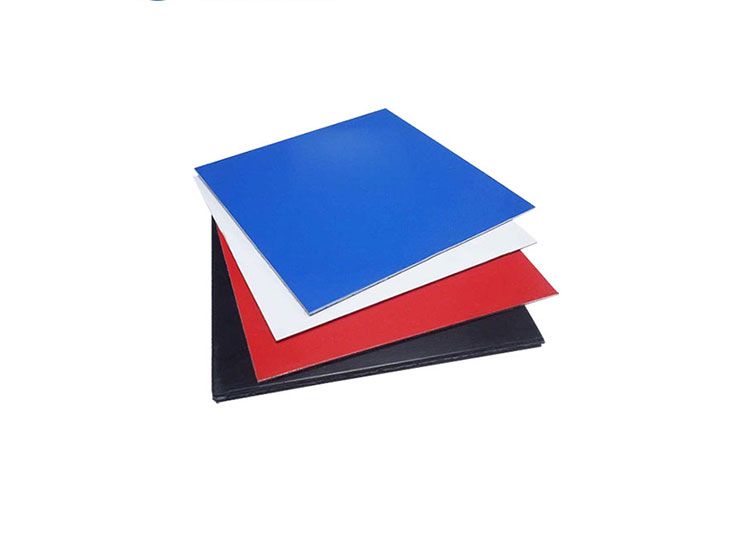
| Building and construction | Roofing sheets, wall cladding, curtain wall panels, ceilings, rain gutters, shutters, sandwich panels |
| Interior decoration | Partition panels, decorative wall systems, suspended ceilings, cabinet facings |
| Transportation | Vehicle body panels, trailer skins, caravan panels, container-related uses |
| Home appliances | Refrigerator panels, washing machine casings, air conditioner shells |
| Advertising and signage | Sign boards, billboards, display panels, channel letter backing |
| Industrial use | Insulation jacketing, equipment covers, roll-formed profiles |
For general indoor decoration or low-to-medium exposure projects, PE coated aluminium coil is often sufficient. For airports, stations, coastal buildings, high-rise facades, and long-life roofing or cladding systems, PVDF coated aluminium coil is usually preferred.
Product Structure
A typical colour coated aluminium coil includes several functional layers.
| Layer | Role |
|---|---|
| Aluminium substrate | Provides strength, formability, and corrosion resistance |
| Chemical pretreatment layer | Improves coating adhesion and corrosion protection |
| Primer coating | Enhances bonding and durability |
| Top coating | Provides color, gloss, weather resistance, and surface performance |
| Back coating | Protects reverse side and improves overall balance |
Common Technical Specifications
The final specification depends on the project, but the following ranges are widely used in the market.
| Parameter | Typical Range |
|---|---|
| Base metal thickness | 0.20 mm – 3.00 mm |
| Coil width | 30 mm – 1600 mm |
| Coil inner diameter | 405 mm, 505 mm, 508 mm |
| Coil outer diameter | According to weight and line capacity |
| Coil weight | 1 ton – 5 tons or customized |
| Total coating thickness | PE: 14–25 μm, PVDF: 25–35 μm or customized |
| Top coating thickness | PE: 5+10 μm to 5+15 μm, PVDF: 5+20 μm to 5+25 μm |
| Back coating thickness | 5–10 μm |
| Gloss | Matt, semi-gloss, high gloss |
| Color | RAL color card, Pantone, customized samples |
Common Alloys and Temper Conditions
Different alloys and tempers influence strength, formability, and suitability for bending or roll forming.
| Alloy | Temper | Features | Typical Uses |
|---|---|---|---|
| AA1050 | H14, H24 | High purity, excellent formability, good corrosion resistance | General decorative panels |
| AA1060 | H14, H24 | Soft, easy to process, economical | Ceilings, insulation cladding |
| AA1100 | H14, H24 | Good ductility and corrosion resistance | Signage, appliance panels |
| AA3003 | H14, H16, H24 | Mn-containing alloy with improved strength | Roofing, cladding, wall panels |
| AA3004 | H24, H26 | Higher strength than 3003 | Architectural panels, roofing systems |
| AA3105 | H14, H24, H26 | Good strength and paintability | Building facade and roofing |
| AA5005 | H14, H24, H34 | Better anodizing and decorative performance | High-grade architectural use |
| AA5052 | H32, H34 | Stronger, excellent corrosion resistance | Marine-related and industrial environments |
Chemical Composition of Common Aluminium Alloys
The exact composition may vary slightly by standard and producer requirement. Typical values are shown below.
| Alloy | Si % | Fe % | Cu % | Mn % | Mg % | Cr % | Zn % | Ti % | Al % |
|---|---|---|---|---|---|---|---|---|---|
| 1050 | 0.25 | 0.40 | 0.05 | 0.05 | 0.05 | - | 0.05 | 0.03 | Balance |
| 1060 | 0.25 | 0.35 | 0.05 | 0.03 | 0.03 | - | 0.05 | 0.03 | Balance |
| 1100 | Si+Fe 0.95 | - | 0.05–0.20 | 0.05 | - | - | 0.10 | - | Balance |
| 3003 | 0.60 | 0.70 | 0.05–0.20 | 1.0–1.5 | - | - | 0.10 | - | Balance |
| 3004 | 0.30 | 0.70 | 0.25 | 1.0–1.5 | 0.8–1.3 | - | 0.25 | - | Balance |
| 3105 | 0.60 | 0.70 | 0.30 | 0.30–0.80 | 0.20–0.80 | 0.20 | 0.40 | 0.10 | Balance |
| 5005 | 0.30 | 0.70 | 0.20 | 0.20 | 0.50–1.10 | 0.10 | 0.25 | - | Balance |
| 5052 | 0.25 | 0.40 | 0.10 | 0.10 | 2.2–2.8 | 0.15–0.35 | 0.10 | - | Balance |
Mechanical Properties Reference
Mechanical values differ by alloy, thickness, and temper. Typical reference data are listed for quick comparison.
| Alloy / Temper | Tensile Strength MPa | Yield Strength MPa | Elongation % |
|---|---|---|---|
| 1060 H24 | 95–135 | ≥75 | ≥3 |
| 1100 H24 | 110–145 | ≥95 | ≥2 |
| 3003 H24 | 145–195 | ≥115 | ≥2 |
| 3004 H24 | 180–240 | ≥145 | ≥2 |
| 3105 H24 | 145–205 | ≥115 | ≥2 |
| 5052 H32 | 210–260 | ≥130 | ≥7 |
Coating Performance Comparison
| Item | PE Coating | PVDF Coating |
|---|---|---|
| Cost | More economical | Higher |
| Flexibility | Very good | Good |
| Color richness | Excellent | Excellent |
| Weather resistance | Good | Excellent |
| UV resistance | Moderate to good | Outstanding |
| Chalk resistance | Moderate | Excellent |
| Fade resistance | Moderate | Excellent |
| Outdoor service life | Medium | Long |
| Recommended use | Indoor decoration, normal outdoor use | Premium exterior architecture, harsh climate zones |
Implementation Standards
Production and inspection may follow customer specifications or recognized international and regional standards.
| Category | Common Standards |
|---|---|
| Aluminium coil standard | ASTM B209, EN 485, GB/T 3880 |
| Prepainted aluminium coil reference | EN 1396, ASTM coating-related customer requirements |
| Coating quality | AAMA 2603, AAMA 2604, AAMA 2605 for architectural performance reference |
| Color evaluation | RAL, Pantone, agreed sample approval |
| Mechanical testing | ASTM, EN, GB according to substrate and application |
| Salt spray and weather testing | ASTM B117 and related test methods |
In architectural markets, PVDF systems are often associated with performance requirements comparable to AAMA 2605, while PE systems are more commonly selected for projects with lower exposure demands.
Quality Control Items
Reliable colour coated aluminium coil should be checked for substrate quality, coating consistency, and processing performance.
| Test Item | Typical Requirement |
|---|---|
| Coating thickness | Within agreed micron range |
| Color difference | Controlled according to sample or contract |
| Gloss tolerance | Within specified range |
| Adhesion | No peeling in cross-cut or bend test |
| Impact resistance | No cracking or delamination after testing |
| Solvent resistance | Meets specified rub test standard |
| T-bend | Suitable for forming requirement |
| Pencil hardness | According to paint system specification |
| Salt spray resistance | Based on coating class and project demand |
Why Customers Choose PE PVDF Colour Coated Aluminium Coil
This product is popular because it improves production efficiency and end-product quality at the same time. Compared with post-painting after fabrication, pre-painted coil offers better color uniformity, cleaner processing, and stable coating quality. It also helps reduce waste, labor, and project lead time.
PE coated aluminium coil is ideal when cost control, attractive appearance, and easy fabrication are the main priorities. PVDF coated aluminium coil is the better choice when long-term outdoor durability, UV resistance, and premium facade performance are essential.