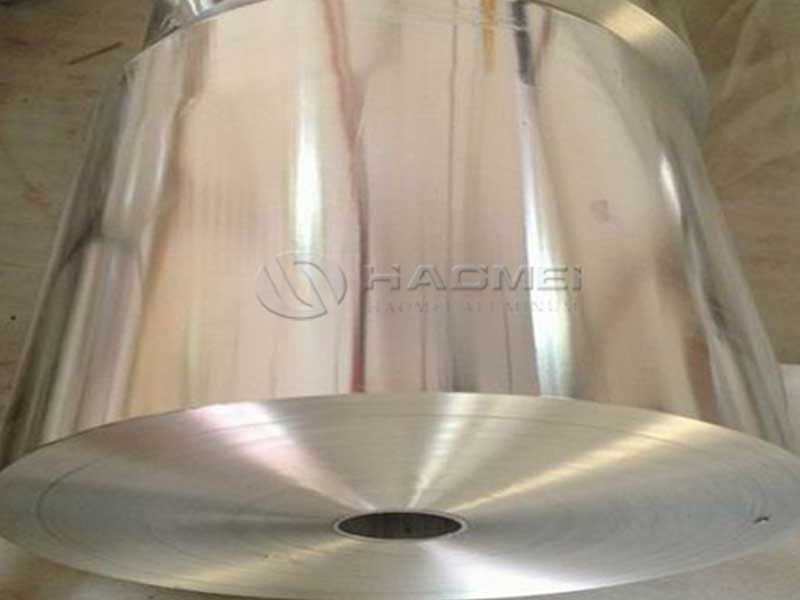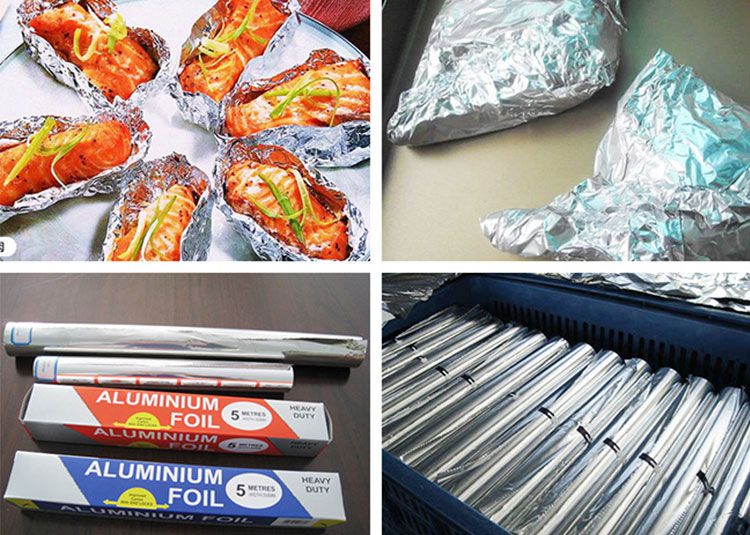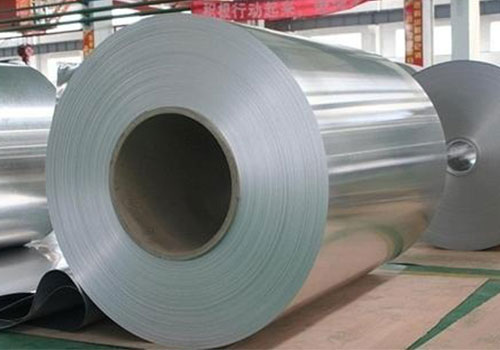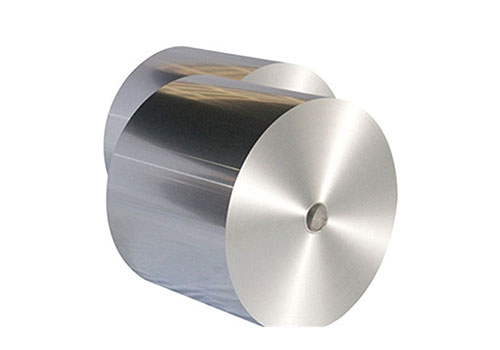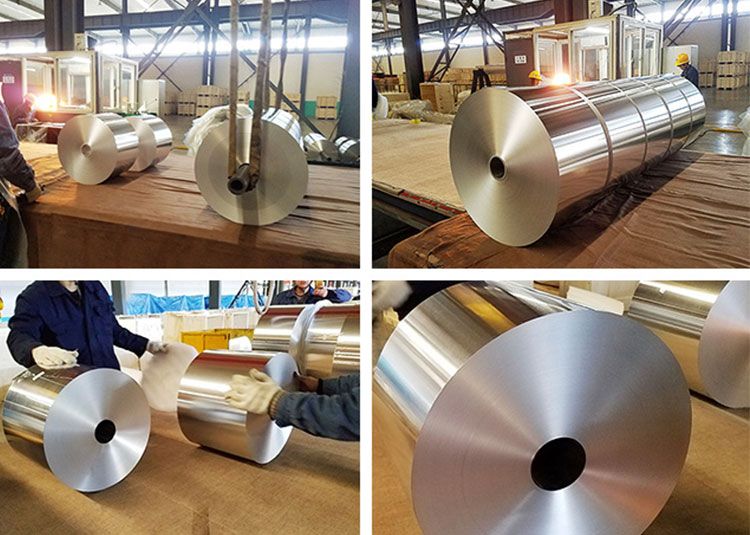

Aluminum Foil 3003 H24 is a widely used manganese-alloyed aluminum foil known for its excellent balance of formability, corrosion resistance, moderate strength, and cost efficiency. It is commonly selected for applications that require reliable performance in packaging, insulation, heat transfer, household products, and industrial fabrications.
Compared with commercially pure aluminum foil, 3003 H24 offers improved strength while still maintaining good workability. This makes it a practical choice for customers seeking a foil material that can withstand light forming, bending, and service exposure without sacrificing economy.
1. What Is Aluminum Foil 3003 H24?
3003 is an Al-Mn (aluminum-manganese) alloy. The addition of manganese increases strength over 1xxx series aluminum while preserving good resistance to atmospheric corrosion and many general-purpose environments.
The H24 temper means the foil has been strain hardened and partially annealed. In practical terms, this temper provides a useful middle ground:
- Stronger than fully annealed material
- More workable than harder tempers
- Suitable for light forming and shaping operations
- Stable for general industrial and commercial use
This combination makes 3003 H24 foil a versatile material for manufacturers who need dependable performance without moving to more expensive high-strength alloys.
2. Features of 3003 H24 Aluminum Foil
| Feature | Description | Customer Benefit |
|---|---|---|
| Moderate Strength | Stronger than 1100 and many pure aluminum grades | Better durability in handling and fabrication |
| Good Formability | Can be bent, stamped, rolled, and shaped | Suitable for light forming processes |
| Excellent Corrosion Resistance | Performs well in humid and atmospheric environments | Longer service life and reduced maintenance |
| Good Thermal Conductivity | Transfers heat effectively | Ideal for insulation, heat shields, and heat exchange uses |
| Low Density | Lightweight compared with steel and copper | Easier transportation and reduced system weight |
| Good Surface Quality | Can be supplied with clean, smooth foil surfaces | Attractive appearance and process consistency |
| Weldability and Workability | Suitable for many conventional fabrication methods | Simplifies manufacturing |
3. Chemical Composition
The chemical composition of 3003 aluminum alloy is controlled to deliver a combination of strength, corrosion resistance, and workability. Typical composition values are shown below.
3.1 Chemical Composition of Aluminum Alloy 3003
| Element | Composition (%) |
|---|---|
| Aluminum (Al) | Remainder |
| Manganese (Mn) | 1.0 – 1.5 |
| Copper (Cu) | 0.05 – 0.20 |
| Silicon (Si) | Max 0.60 |
| Iron (Fe) | Max 0.70 |
| Zinc (Zn) | Max 0.10 |
| Others, each | Max 0.05 |
| Others, total | Max 0.15 |
Composition Highlights
| Element | Main Role in Alloy |
|---|---|
| Manganese | Improves strength without severely reducing formability |
| Copper | Contributes slightly to strength |
| Aluminum Base | Provides light weight, conductivity, and corrosion resistance |
4. Mechanical Properties
The exact mechanical properties depend on foil thickness, manufacturing route, and applicable standards. However, 3003 H24 generally delivers a dependable range of physical performance suitable for industrial foil applications.
4.1 Typical Mechanical Properties
| Property | Typical Value |
|---|---|
| Temper | H24 |
| Tensile Strength | 145 – 195 MPa |
| Yield Strength | ≥ 115 MPa |
| Elongation | 3 – 10% |
| Density | 2.73 g/cm³ |
| Elastic Modulus | ~69 GPa |
| Thermal Conductivity | ~160 – 190 W/m·K |
| Electrical Conductivity | ~40 – 45% IACS |
| Melting Range | ~643 – 654°C |
Note: Values are typical reference figures and may vary by thickness and production specification.
5. Technical Specifications
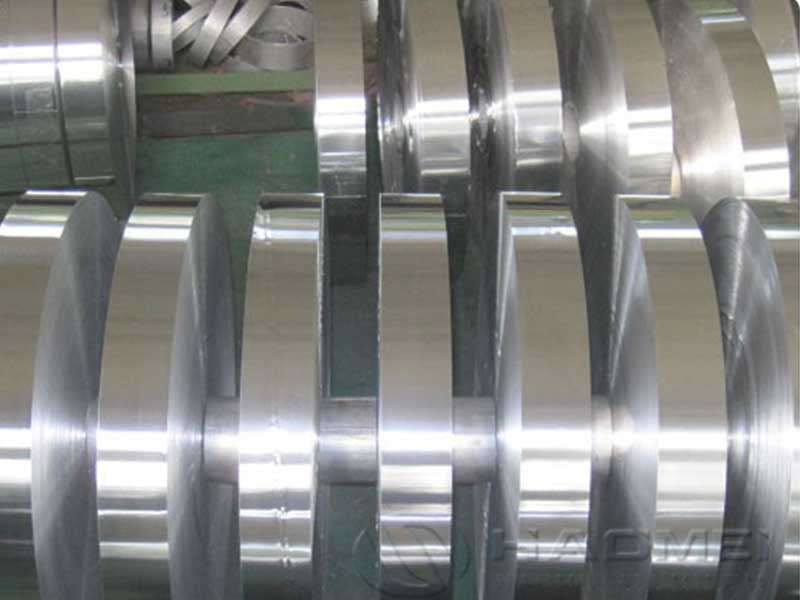
3003 H24 aluminum foil can be supplied in different dimensions and surface conditions to suit converters, fabricators, and OEM users.
5.1 Common Supply Range
| Parameter | Typical Range |
|---|---|
| Thickness | 0.006 mm – 0.200 mm |
| Width | 20 mm – 1600 mm |
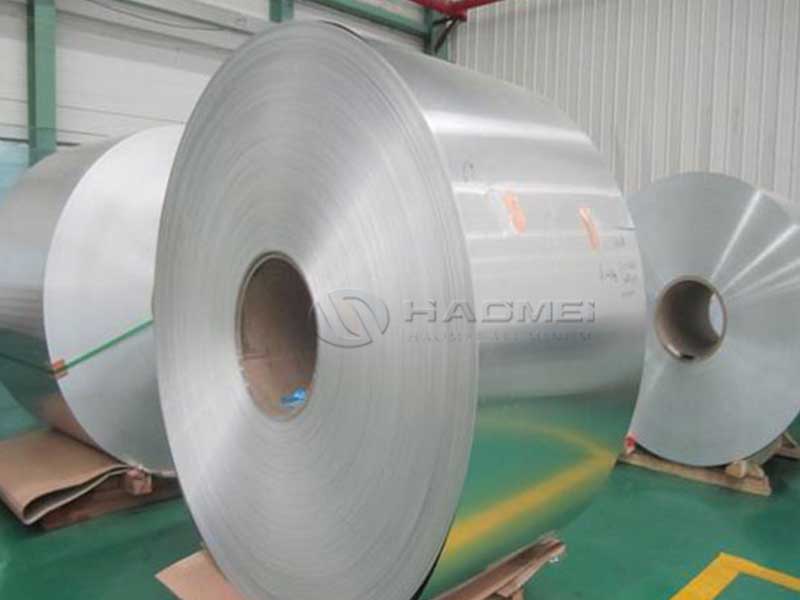
| Coil Inner Diameter | 76 mm / 152 mm / 305 mm |
| Coil Outer Diameter | As required |
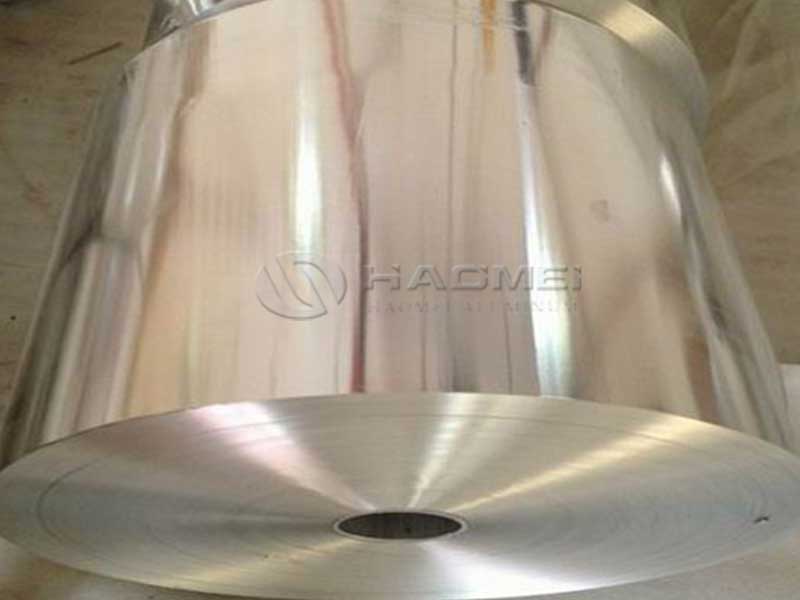
| Surface Finish | Mill finish, bright finish, one side bright / one side matte |
| Edge Condition | Slit edge, trimmed edge |
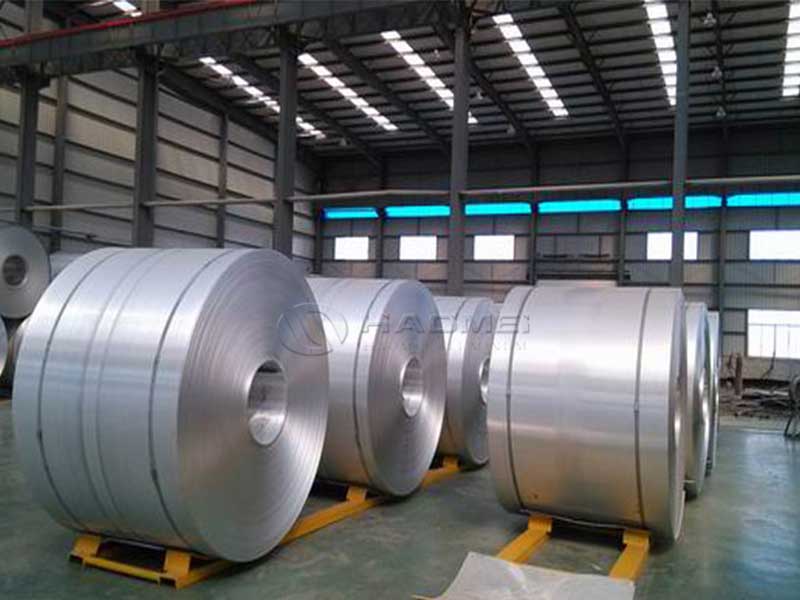
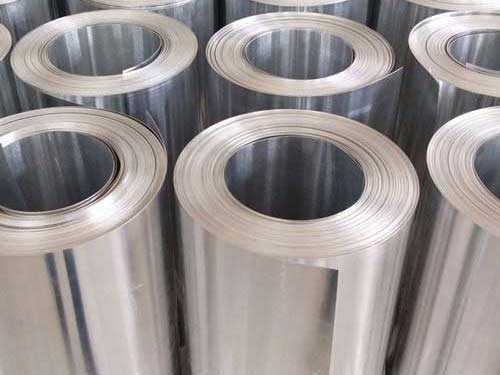
| Form of Supply | Coil, roll, sheeted foil |
5.2 Product Standards
| Standard Item | Typical Reference |
|---|---|
| Alloy Designation | AA 3003 |
| Temper | H24 |
| International Standards | ASTM, EN, GB, or customer-specific standards |
| Quality Control | Thickness tolerance, flatness, surface cleanliness, coil integrity |
6. Performance Advantages
3003 H24 foil stands out because it combines mechanical reliability and processing flexibility. For many customers, this alloy offers the best balance between performance and affordability.
6.1 Strength with Workability
The H24 temper gives the foil more strength than annealed foil, helping it resist tearing, wrinkling, and deformation during converting or installation. At the same time, it remains workable enough for many shaping operations.
6.2 Excellent Corrosion Resistance
In many indoor, outdoor, and mildly chemical environments, 3003 foil performs very well. This is especially important for insulation jacketing, HVAC barriers, and general industrial coverings.
6.3 Thermal Efficiency
Because aluminum naturally conducts heat well, 3003 H24 foil is often used in applications involving heat reflection, dissipation, or transfer. This makes it suitable for thermal barriers, heat shields, and laminated insulation systems.
6.4 Lightweight and Economical
Its low density reduces product weight and transportation cost. In addition, 3003 is generally more affordable than many specialty aluminum alloys, giving customers a strong value proposition.
7. Typical Applications
3003 H24 aluminum foil is used across a wide range of industries. Its adaptability makes it attractive for both high-volume and specialized manufacturing.
7.1 Common Application Areas
| Industry | Typical Use |
|---|---|
| HVAC & Insulation | Foil facing, pipe wrap, duct insulation, vapor barriers |
| Packaging | Semi-rigid packaging structures, laminated foil materials |
| Electrical | Shielding layers, protective wraps |
| Construction | Moisture barriers, reflective insulation components |
| Automotive | Heat shields, thermal management layers |
| Household Products | Container lids, liners, appliance foil parts |
| Industrial Manufacturing | Gaskets, seals, stamped foil components |
7.2 Why It Fits These Uses
| Application Need | 3003 H24 Advantage |
|---|---|
| Need for moderate rigidity | H24 temper provides better stiffness than soft foil |
| Exposure to humidity | Good corrosion resistance supports long-term use |
| Need for thermal reflection | Aluminum surface reflects radiant heat effectively |
| Need for lightweight material | Low density reduces system mass |
| Need for forming during production | Good workability supports efficient fabrication |
8. Processing and Fabrication Considerations
For customers planning downstream manufacturing, 3003 H24 foil offers practical production advantages.
| Processing Method | Suitability | Notes |
|---|---|---|
| Bending | Good | Suitable for light to moderate forming |
| Stamping | Good | Best with proper die design and thickness control |
| Laminating | Excellent | Common in insulation and packaging products |
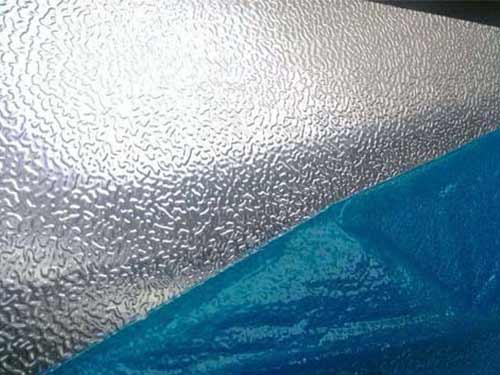
| Embossing | Good | Surface patterning possible depending on gauge |
| Welding | Fair to Good | Depends on thickness and joining method |
| Adhesive Bonding | Excellent | Frequently used in composite structures |
Handling Tips
| Recommendation | Reason |
|---|---|
| Keep surface clean and dry | Preserves appearance and bonding performance |
| Avoid excessive bending radius on thin gauges | Reduces risk of cracking or deformation |
| Confirm temper and thickness before forming | Ensures process compatibility |
| Use proper packaging and coil protection | Prevents edge damage and surface scratches |
9. Benefits for Customers
When customers choose aluminum foil 3003 h24, they typically gain a material that is easy to integrate into production and dependable in service.
Main Benefits at a Glance
| Benefit | Value to Customer |
|---|---|
| Balanced mechanical properties | Reliable performance without overengineering |
| Good corrosion resistance | Longer life in practical environments |
| Easy fabrication | Lower processing difficulty and cost |
| Thermal functionality | Supports insulation and heat-related applications |
| Lightweight structure | Improves handling and transport efficiency |
| Competitive cost | Strong price-performance ratio |
10. How to Choose the Right 3003 H24 Foil
Before purchasing, customers should review the following parameters to ensure the foil matches the application.
| Selection Factor | What to Confirm |
|---|---|
| Thickness | Required strength, flexibility, and barrier function |
| Width | Compatibility with production line or end product size |
| Surface Condition | Brightness, cleanliness, lamination suitability |
| Coil Size | Unwinding equipment compatibility |
| Tolerance Requirements | Critical for precision manufacturing |
| End Use Environment | Temperature, humidity, and exposure conditions |