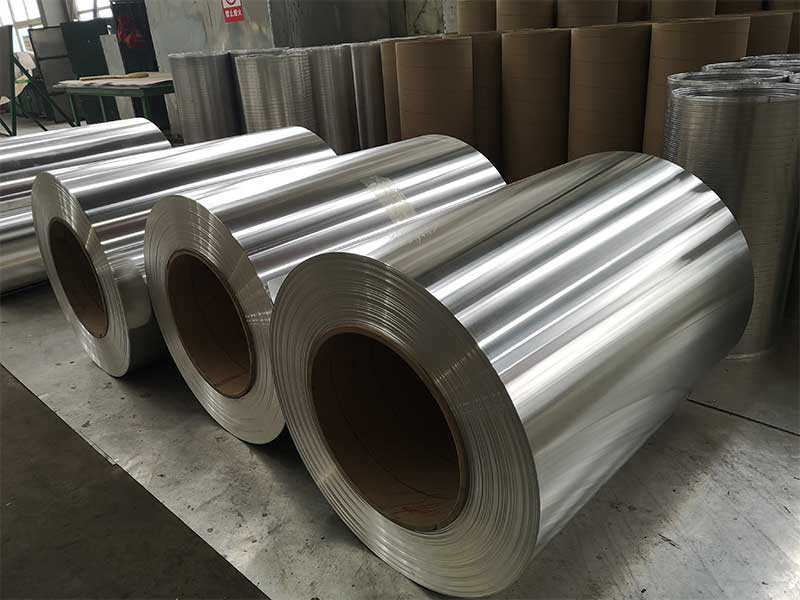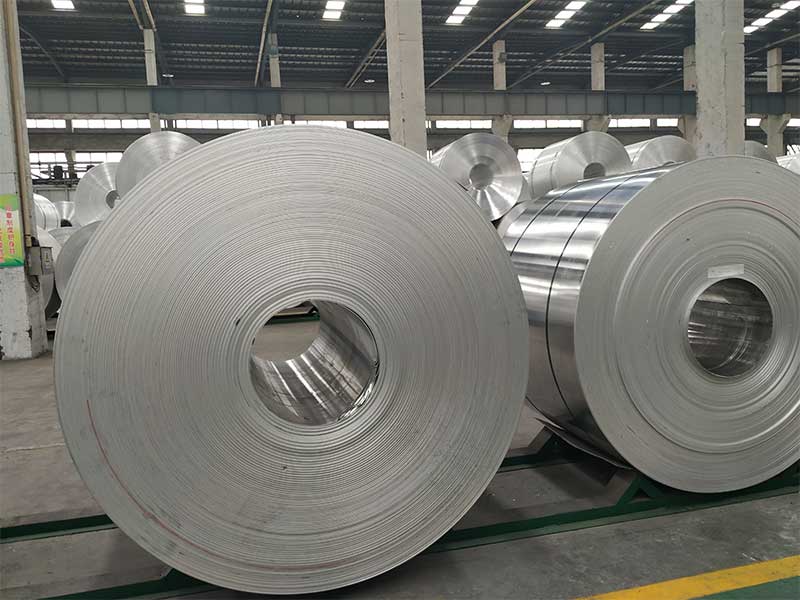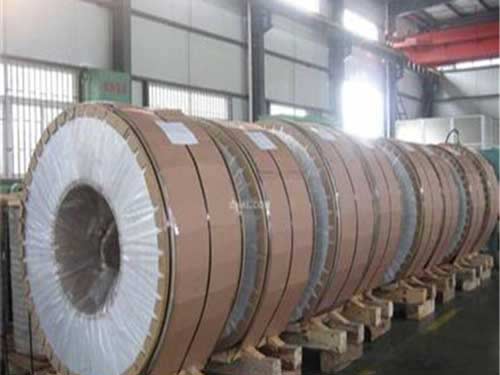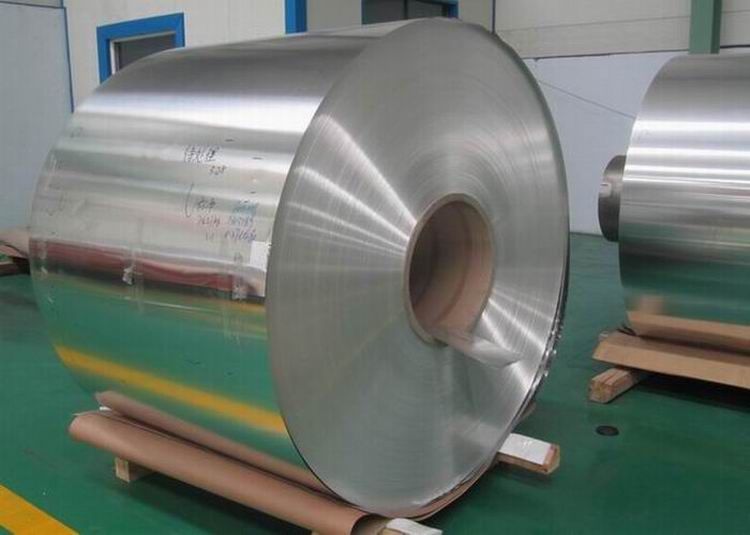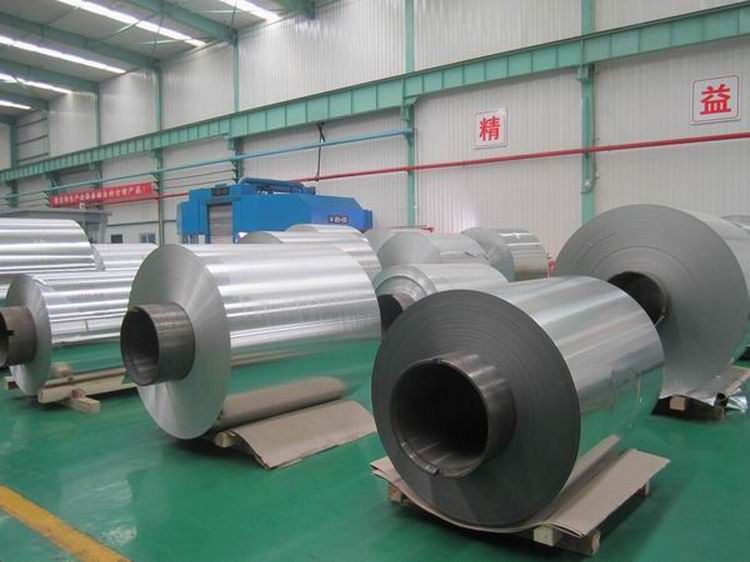

When customers compare 1100, 3003, 3004, 3105, 5052, and 8011 aluminum coil, they are often looking at alloy codes first. A more practical way is to look at what the coil is expected to do in service: conduct, form, decorate, resist corrosion, hold pressure, or protect contents. From that viewpoint, these six alloys become easier to understand. Each one solves a different industrial problem, and that is exactly why they remain popular across building, packaging, transportation, appliance, and fabrication markets.
Aluminum Coil as a Functional Material
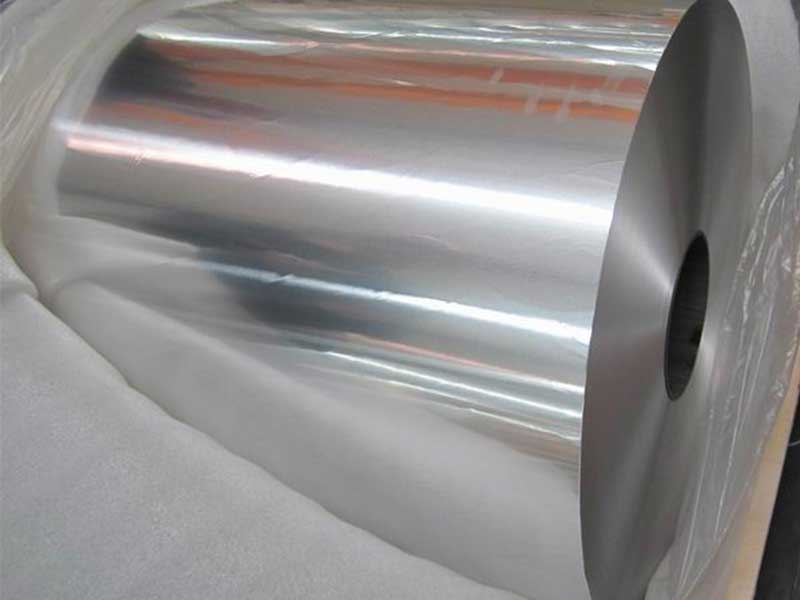
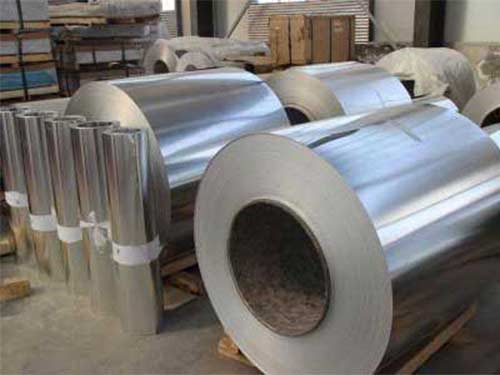
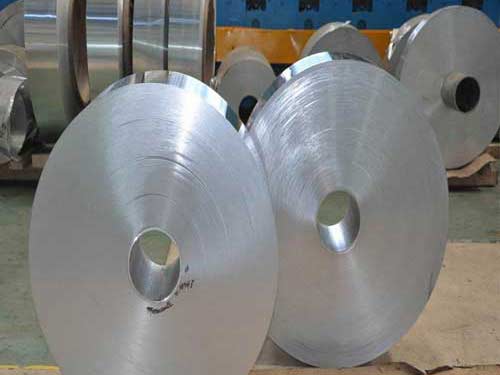
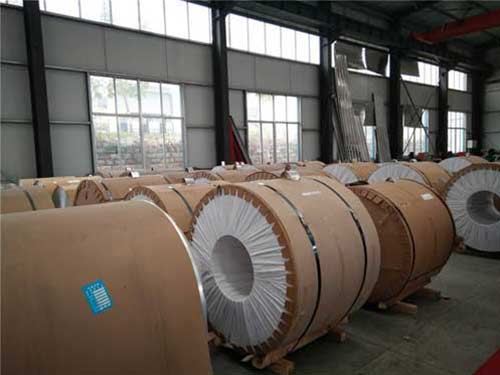
Aluminum coil is not only a rolled metal product; it is a balance of formability, corrosion resistance, strength, surface quality, and processing adaptability. The choice of alloy and temper determines how the coil performs during bending, stamping, roll forming, deep drawing, coating, or embossing. In real applications, a coil may need to survive outdoor weather, accept paint evenly, keep a cap tightly sealed, or maintain shape after fabrication.
From this functional angle, the six alloys can be understood clearly:
1100 aluminum coil is the "purity-first" option. With very high aluminum content, it offers excellent ductility, thermal conductivity, and corrosion resistance. It is often selected when strength is less important than workability and clean surface performance.
3003 aluminum coil is the "general-purpose workhorse." By adding manganese, it gains better strength than 1100 while keeping very good formability and corrosion resistance. This makes it one of the most widely used industrial aluminum coil grades.
3004 aluminum coil adds more strength and better load-bearing performance than 3003. It is closely associated with applications requiring deeper drawing or stronger formed components, such as can bodies and some architectural products.
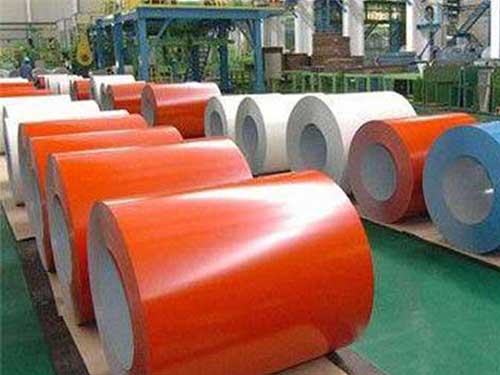
3105 aluminum coil is valued for architectural finishing and coated products. Its combination of moderate strength, paintability, and atmospheric corrosion resistance makes it a frequent choice for roofing, wall panels, shutters, and decorative building systems.
5052 aluminum coil belongs to the aluminum-magnesium family and is known for stronger corrosion resistance, especially in humid and marine-like environments. It also offers higher strength than the 1xxx and 3xxx series, making it suitable for tanks, transport panels, and demanding sheet metal fabrication.
8011 aluminum coil is often associated with packaging and closure applications. It combines good surface quality, barrier properties, and process adaptability. It is widely used for bottle caps, pharmaceutical packaging, household foil stock, and other protective packaging systems.
Typical Parameters and Supply Conditions
Customers usually care about more than the alloy itself. They also need practical supply information for processing and procurement.
Common aluminum coil parameters include:
| Item | Typical Range / Condition |
|---|---|
| Thickness | 0.08 mm – 6.0 mm |
| Width | 20 mm – 2000 mm |
| Inner Diameter | 150 mm, 300 mm, 405 mm, 505 mm |
| Outer Diameter | Customized by weight and logistics |
| Coil Weight | 1–5 tons typical, customizable |
| Surface | Mill finish, coated, embossed, brushed, stucco, anodizing quality |
| Temper | O, H12, H14, H16, H18, H22, H24, H26, H32, H34 |
The final choice depends on fabrication method. Soft temp such as O temper is preferred for deep drawing and complex forming. H14 or H24 is often selected for balanced strength and workability. H18 is harder and better where shape retention is needed. H32 and H34, common in 5052, offer improved strength with good corrosion resistance.
Implementation Standards Commonly Referenced
Reliable aluminum coil should comply with recognized production and inspection standards. Frequently used standards include:
| Standard | Description |
|---|---|
| ASTM B209 | Aluminum and aluminum-alloy sheet and plate |
| EN 485 | European standards for wrought aluminum sheet, strip, and plate |
| EN 573 | Chemical composition of aluminum alloys |
| GB/T 3880 | Chinese standard for aluminum and aluminum alloy sheets and strips |
| JIS H4000 | Japanese standard for aluminum sheet, strip, and plate |
For coated architectural coil, customers may also request compliance related to paint systems, coating adhesion, gloss, salt spray resistance, and color consistency.
Chemical Composition Table
The following table gives a practical overview of the main chemical composition limits for these alloys. Exact values may vary slightly depending on the applicable standard.
| Alloy | Si % | Fe % | Cu % | Mn % | Mg % | Zn % | Others % | Al % |
|---|---|---|---|---|---|---|---|---|
| 1100 | Si+Fe 0.95 max | - | 0.05–0.20 | 0.05 max | - | 0.10 max | 0.15 max | 99.00 min |
| 3003 | 0.60 max | 0.70 max | 0.05–0.20 | 1.0–1.5 | - | 0.10 max | 0.15 max | Remainder |
| 3004 | 0.30 max | 0.70 max | 0.25 max | 1.0–1.5 | 0.8–1.3 | 0.25 max | 0.15 max | Remainder |
| 3105 | 0.60 max | 0.70 max | 0.30 max | 0.30–0.80 | 0.20–0.80 | 0.40 max | 0.15 max | Remainder |
| 5052 | 0.25 max | 0.40 max | 0.10 max | 0.10 max | 2.2–2.8 | 0.10 max | 0.15 max | Remainder |
| 8011 | 0.50–0.90 | 0.60–1.0 | 0.10 max | 0.20 max | 0.05 max | 0.10 max | 0.15 max | Remainder |
How Their Functions Translate into Real Applications
1100 aluminum coil works best where softness and conductivity create value. It is widely used in transformer winding, fin stock, chemical equipment, reflective panels, and decorative components. Its advantage is not strength, but ease of fabrication and stable corrosion resistance.
3003 aluminum coil is the practical answer for everyday industrial forming. It appears in roofing sheets, insulation jacketing, heat exchanger components, kitchenware, storage tanks, and general sheet metal parts. If a customer needs a coil that is economical, easy to process, and more durable than pure aluminum, 3003 is often the first recommendation.
3004 aluminum coil moves one step further toward structural forming. It is commonly chosen for beverage can bodies, lamp materials, curtain wall panels, and more demanding drawn products. Its magnesium addition improves strength while preserving useful forming behavior.
3105 aluminum coil performs especially well in coated and exposed architectural use. It is frequently processed into color-coated roofing, gutters, shutters, ceilings, sidings, and signboards. It offers a very good balance between strength and paint adhesion, which is why pre-painted 3105 coil is so common in construction.
5052 aluminum coil is preferred when corrosion resistance and moderate strength are both essential. It is suitable for fuel tanks, marine components, pressure-related panels, truck bodies, electronics enclosures, and appliance liners. In coastal or high-humidity environments, 5052 often outperforms lower-strength alloys from the 1xxx and 3xxx series.
8011 aluminum coil serves packaging and closure functions extremely well. It is widely used in bottle cap material, pilfer-proof caps, pharmaceutical foil, food container stock, cable wrap, and household foil products. The alloy is valued less for high structural strength and more for sealing reliability, surface consistency, and barrier performance.
Temper is often what turns a good alloy choice into the correct one. For example, 1100-O or 3003-O is ideal for deep drawing and soft forming. 3003-H14 is more suitable for roofing or jacketing where shape retention matters. 3004-H19 is a classic can-stock temper because it supports high-speed manufacturing and final product rigidity. 3105-H24/H26 is common in building sheet applications. 5052-H32 is frequently chosen for fabrication where bending and strength must coexist. 8011-H14/H18 is often used for closures and packaging products requiring controlled stiffness.
This is why experienced buyers do not ask only for "3003 aluminum coil" or "5052 coil." They also specify temper, thickness tolerance, width tolerance, surface requirement, and end use.
A Smarter Way to Choose the Right Aluminum Coil
A useful shortcut is to match the alloy to the job's main priority.
If the priority is maximum formability and conductivity, 1100 is a natural fit.
If the priority is all-around utility with good economics, 3003 remains one of the best choices.
If the priority is stronger formed parts and can-body style performance, 3004 stands out.
If the priority is architectural coating and outdoor appearance, 3105 is highly practical.
If the priority is corrosion resistance plus higher strength, 5052 is often the preferred material.
If the priority is packaging, sealing, and barrier-related use, 8011 is especially effective.
Final Thoughts
The real difference between 1100, 3003, 3004, 3105, 5052, and 8011 aluminum coil is not just chemistry. It is function. Each alloy is designed to perform best under a certain combination of forming, exposure, strength demand, and surface requirement. When customers evaluate aluminum coil from that functional perspective, selection becomes faster, more accurate, and more cost-effective.
For suppliers and buyers alike, the best results come from aligning alloy, temper, standard, dimensions, and application environment. That is the to turning aluminum coil from a commodity into a reliable engineered material.