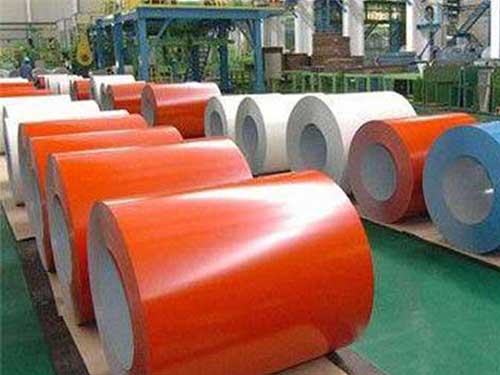
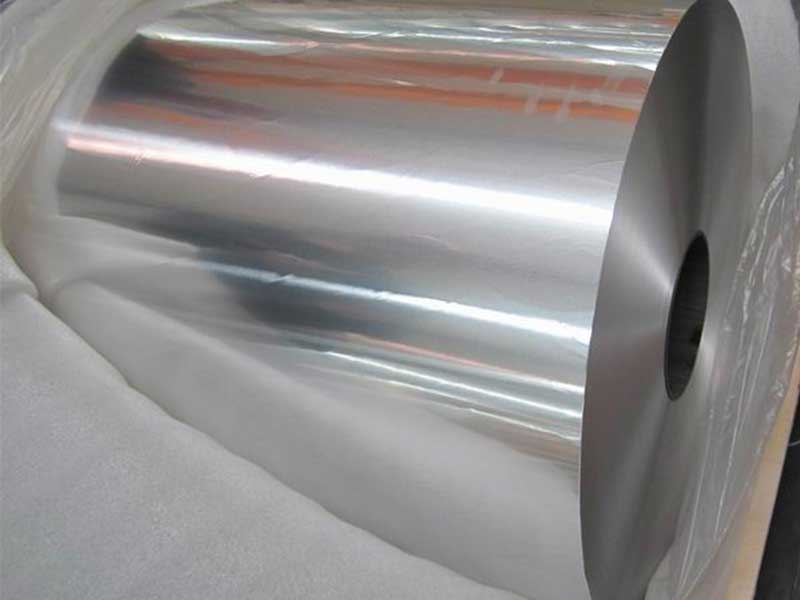
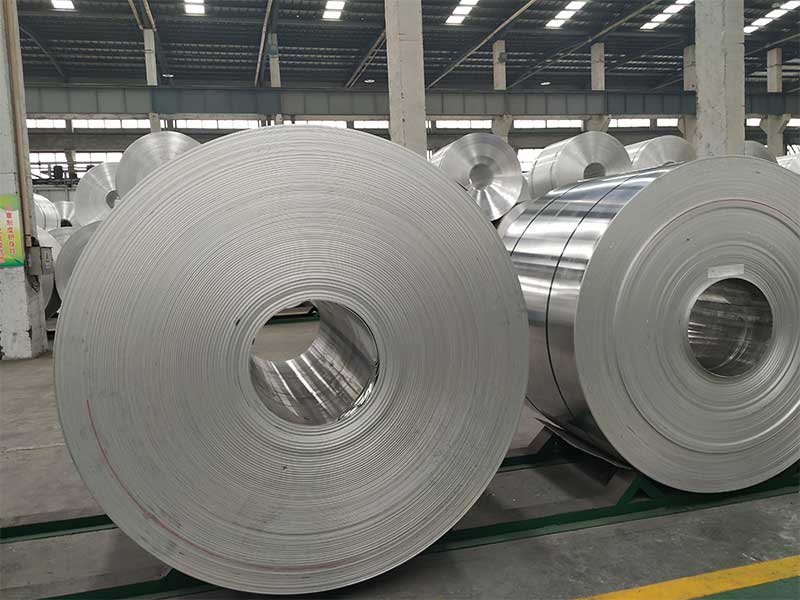
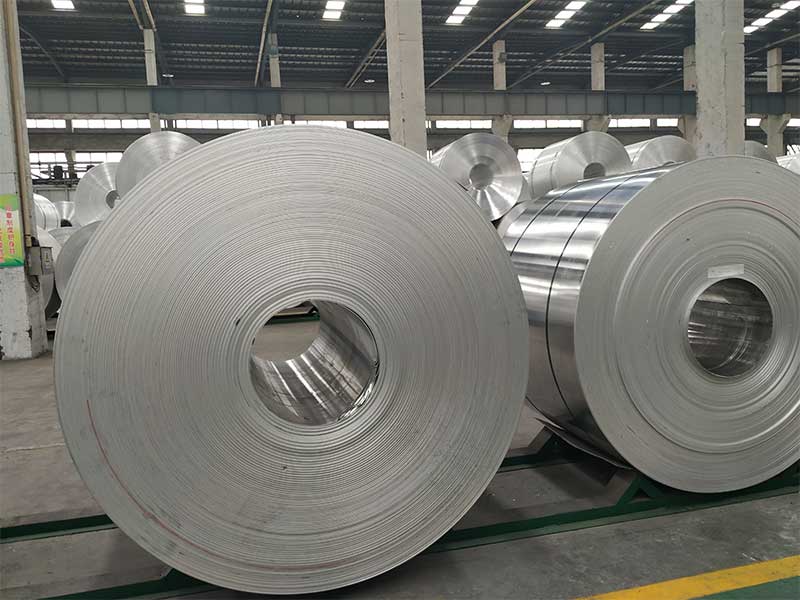
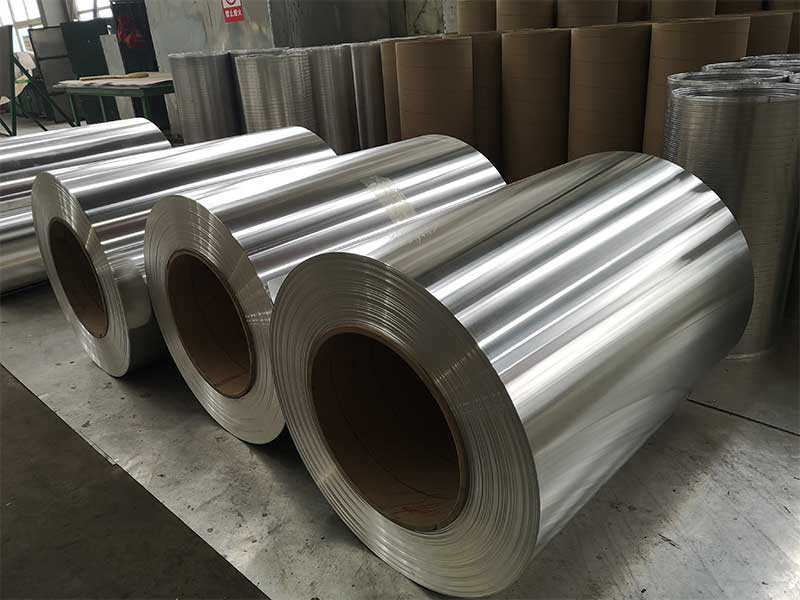
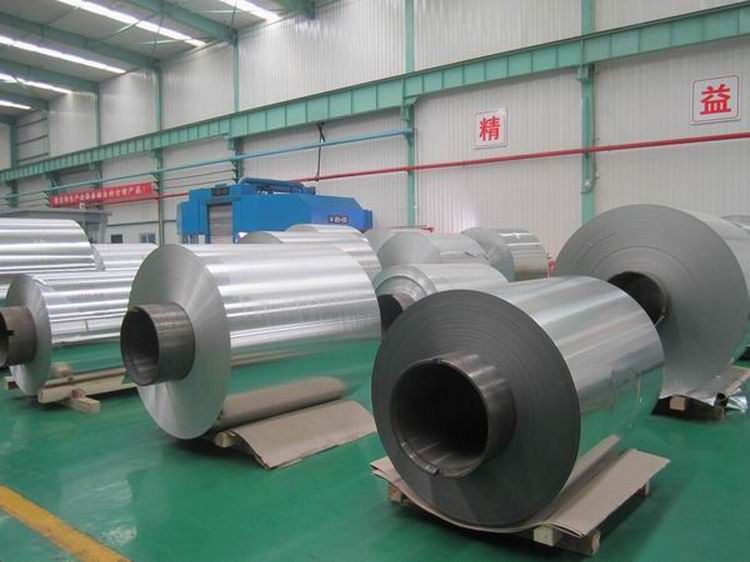
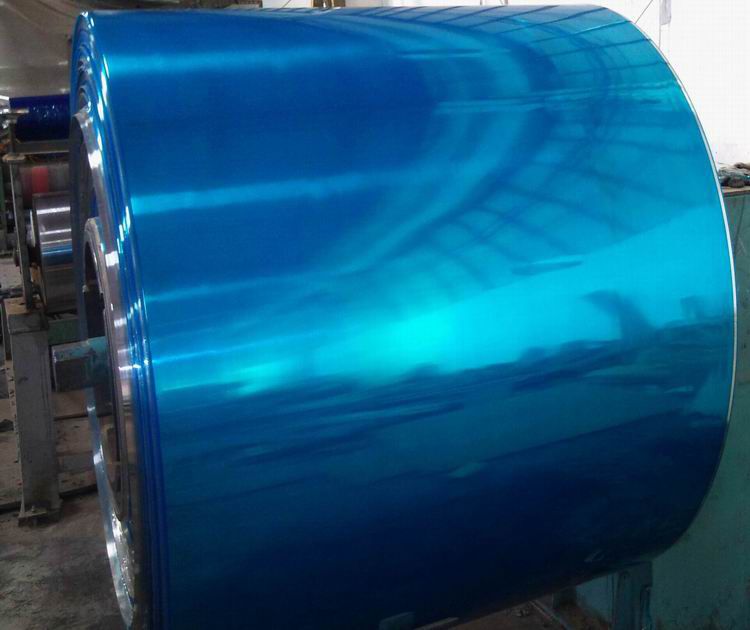
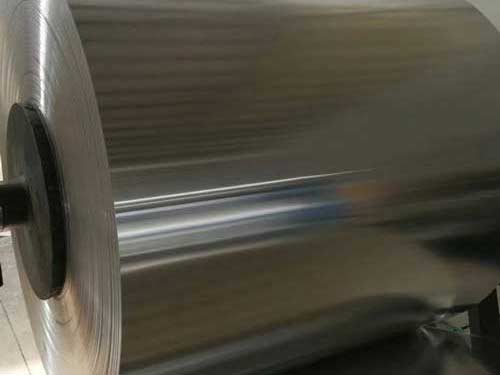
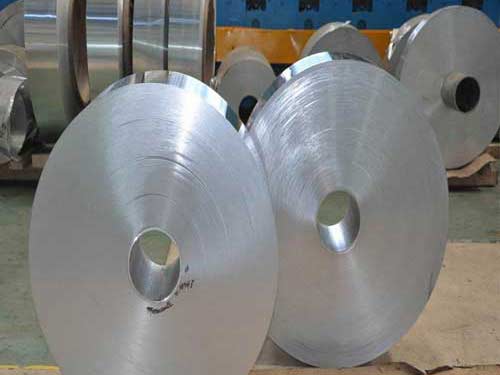
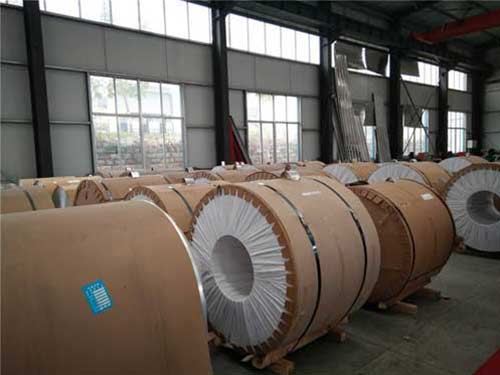
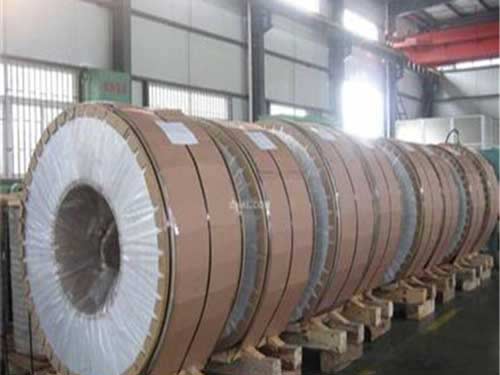
Aluminum coil in alloys 1100, 3003, 3105, and 5052 covers a practical range of performance-from high-formability, high-conductivity sheet to strong, corrosion-resistant coil for marine and structural uses. These coils are typically supplied in roll form for fast processing on slitting, roll-forming, stamping, and coating lines. Customers choose among these alloys based on the needed balance of strength, corrosion resistance, weldability, formability, surface quality, and cost.
| Alloy | Alloy Family | Typical Strength Level | Best-At Highlights | Common Coil Uses |
|---|
| 1100 | Commercially pure Al (≥99.00%) | Low | Excellent formability, conductivity, bright finish potential | Deep drawing, reflectors, chemical equipment, decorative trim |
| 3003 | Al–Mn | Medium-low | Great general-purpose forming, good corrosion resistance | Roofing, gutters, heat exchanger fins, kitchenware, cladding |
| 3105 | Al–Mn–Mg | Medium | Better strength than 3003, ideal for painted coil | Pre-painted sheet, building panels, shutters, signage |
| 5052 | Al–Mg | Medium-high | Superior corrosion resistance (esp. marine), strong in H-temper | Marine sheet, fuel tanks, enclosures, appliances, trailers |
Features Customers Care About
| Feature | 1100 | 3003 | 3105 | 5052 |
|---|
| Formability | Excellent | Excellent | Very good | Good (temper-dependent) |
| Corrosion resistance | Excellent | Excellent | Excellent | Excellent (marine-grade behavior) |
| Weldability | Excellent | Excellent | Excellent | Excellent |
| Strength potential (with strain hardening) | Limited | Moderate | Moderate | High |
| Surface for coating/painting | Very good | Very good | Excellent | Good–very good |
| Typical value positioning | Cost-effective | Balanced | Coating-oriented | Performance-oriented |
Applications Snapshot (Fast Selection Guide)
| Industry | Recommended Alloy | Why it fits |
|---|
| Building & construction (roofing, flashing, trim) | 3003 / 3105 | Durable, corrosion resistant, easy to form; 3105 favors coated products |
| Pre-painted coil / color-coated sheet | 3105 | Stable base metal, good strength for panels and roll-forming |
| Heat transfer components | 3003 | Widely used for heat exchanger and fin stock due to formability and corrosion resistance |
| Chemical & food processing | 1100 / 3003 | Cleanability and corrosion behavior; 1100 offers high purity benefits |
| Marine & coastal equipment | 5052 | Strong and corrosion resistant, especially in salt-laden environments |
| Appliance housings & general fabrication | 3003 / 5052 | Balance of formability (3003) and strength (5052) |
Temper Options and What They Mean in Practice
Coils are commonly supplied in O (annealed) and H tempers (strain-hardened). Selection impacts forming safety margin, springback, and final strength.
| Temper | Description | Typical Use Case | Notes |
|---|
| O | Fully annealed, softest | Deep drawing, tight bends | Maximum ductility, minimum strength |
| H12 | Quarter-hard | Light forming + better stiffness | Useful when parts must hold shape |
| H14 | Half-hard | Roll-forming, panels, covers | Stronger with moderate formability |
| H16 | Three-quarter-hard | Stiff panels, less forming | Higher springback; bending radius increases |
| H18 | Full-hard | Flat parts, minimal forming | Highest strength in H-series; limited ductility |
| H32 (common for 5052) | Strain-hardened + stabilized | Marine panels, enclosures | Popular balance for 5052 coil |
Chemical Composition (Typical Limits, wt.%)
Values below reflect commonly referenced industry limits for wrought aluminum alloys; exact limits depend on the governing standard and supplier certification.
Alloy 1100 (wt.%)
| Si | Fe | Cu | Mn | Mg | Zn | Ti | Al |
|---|
| ≤0.95 (Si+Fe) | ≤0.95 (Si+Fe) | 0.05–0.20 | ≤0.05 | ≤0.05 | ≤0.10 | ≤0.05 | Remainder (≥99.00) |
Alloy 3003 (wt.%)
| Si | Fe | Cu | Mn | Mg | Zn | Ti | Al |
|---|
| ≤0.60 | ≤0.70 | 0.05–0.20 | 1.0–1.5 | ≤0.05 | ≤0.10 | ≤0.10 | Remainder |
Alloy 3105 (wt.%)
| Si | Fe | Cu | Mn | Mg | Zn | Ti | Al |
|---|
| ≤0.60 | ≤0.70 | ≤0.30 | 0.3–0.8 | 0.2–0.8 | ≤0.40 | ≤0.10 | Remainder |
Alloy 5052 (wt.%)
| Si | Fe | Cu | Mn | Mg | Cr | Zn | Ti | Al |
|---|
| ≤0.25 | ≤0.40 | ≤0.10 | ≤0.10 | 2.2–2.8 | 0.15–0.35 | ≤0.10 | ≤0.10 | Remainder |
Technical Specifications (Typical Supply Range)
Actual capability varies by mill equipment (caster width, rolling mill, slitter capacity) and order volume.
| Item | Typical Options |
|---|
| Form | Mill finish coil, coated coil, embossed coil, anodizing-quality coil (by request) |
| Thickness | 0.20–6.00 mm (common), thinner gauges available for fin/trim applications |
| Width | 20–2000 mm (slit or master coil) |
| Inner diameter (ID) | 150 / 300 / 405 / 508 mm (common) |
| Outer diameter (OD) | Up to ~1200–1800 mm depending on weight/handling |
| Coil weight | ~1–10 tons typical; customized per logistics and decoiler limits |
| Edge | Mill edge or slit edge |
| Surface protection | Interleaving paper/film, PE/PVC film, anti-scratch options |
| Standards | ASTM B209, EN 485, JIS H4000 (or customer-specified) |
Typical Mechanical Property Ranges (Quick Reference)
Mechanical properties depend strongly on temper and thickness. The ranges below are practical "buyer-side" expectations for common tempers.
| Alloy | Common Temper | Tensile Strength (MPa) | Yield Strength (MPa) | Elongation (%) | Forming Notes |
|---|
| 1100 | O | ~70–110 | ~20–35 | ~25–45 | Excellent deep draw and hemming |
| 3003 | O / H14 | ~90–130 (O) / ~140–180 (H14) | ~35–55 (O) / ~110–150 (H14) | Higher in O | Strong general-purpose forming alloy |
| 3105 | H14 / H24 | ~160–200 | ~130–170 | ~4–12 | Great for coated architectural sheet |
| 5052 | O / H32 | ~170–230 (O–H32) | ~60–180 | ~8–25 | Higher strength; choose larger bend radii in harder tempers |
Surface, Processing, and Quality Considerations
| Topic | What to Specify | Why it matters |
|---|
| Surface finish | Mill finish, bright, matte, coated, embossed | Impacts appearance, coating adhesion, and reflectivity |
| Flatness & shape | Camber, crossbow, wave, coil set limits | Critical for roll-forming, laminating, and stamping |
| Coating compatibility | Pretreatment, primer type, topcoat system | Especially important for 3105 painted coil and building panels |
| Slitting tolerance | Width tolerance, burr direction, edge conditioning | Reduces assembly issues and improves safety/fit |
| Temper selection | O vs H14 vs H32, etc. | Controls bendability, springback, dent resistance |
Why Buyers Choose These Coils
| Benefit | What it delivers |
|---|
| Flexible performance range | 1100 for purity/forming, 3003/3105 for versatile fabrication, 5052 for strength and marine durability |
| Efficient manufacturing | Coil supply supports continuous production with less scrap and faster throughput |
| Strong corrosion resistance | Suitable for outdoor, humid, and chemically exposed environments when properly designed |
| Excellent joining options | Reliable welding and mechanical fastening across all listed alloys |
Ordering Checklist (What to Include in an RFQ)
| RFQ Field | Example |
|---|
| Alloy & temper | 3003 H14 / 5052 H32 |
| Thickness × width | 0.8 mm × 1250 mm |
| Coil ID / max OD / weight | ID 508 mm, max OD 1600 mm, 3–5 tons |
| Surface | Mill finish + PE film / painted (specify system) |
| Edge & tolerances | Slit edge, width tolerance requirement |
| Standard & inspection | ASTM B209 + mill test certificate (MTC) |
| Intended process | Roll-forming / stamping / deep drawing |
Aluminum Coil 1100 3003 3105 5052 offers a versatile selection of lightweight, corrosion-resistant materials for construction, pre-painted panels, heat transfer parts, marine equipment, and general fabrication. Alloy 1100 excels in purity, conductivity, and deep-drawing formability; 3003 is the reliable all-purpose forming alloy; 3105 is preferred for coated architectural coil; and 5052 delivers higher strength with excellent marine-grade corrosion resistance. Available in common tempers like O, H14, and H32, these coils can be supplied in custom thickness, width, and coil dimensions with certified chemical composition and mechanical properties to match production needs.