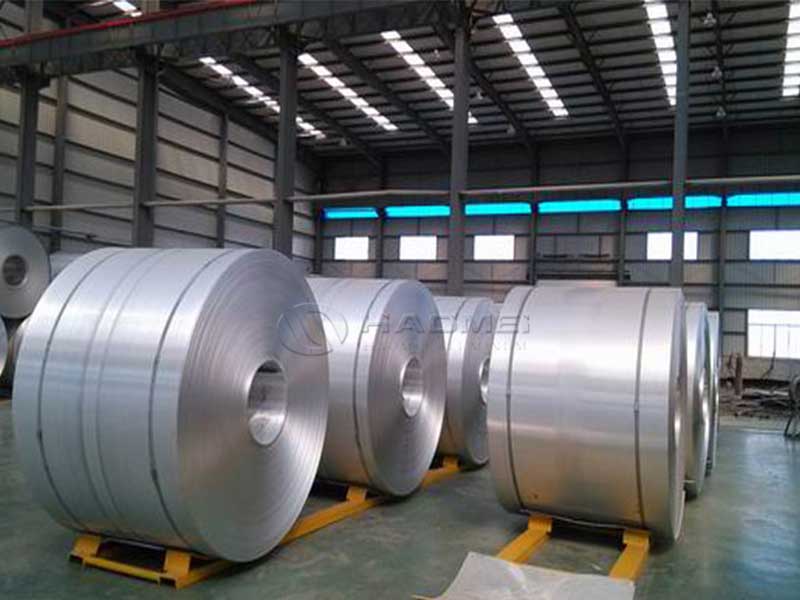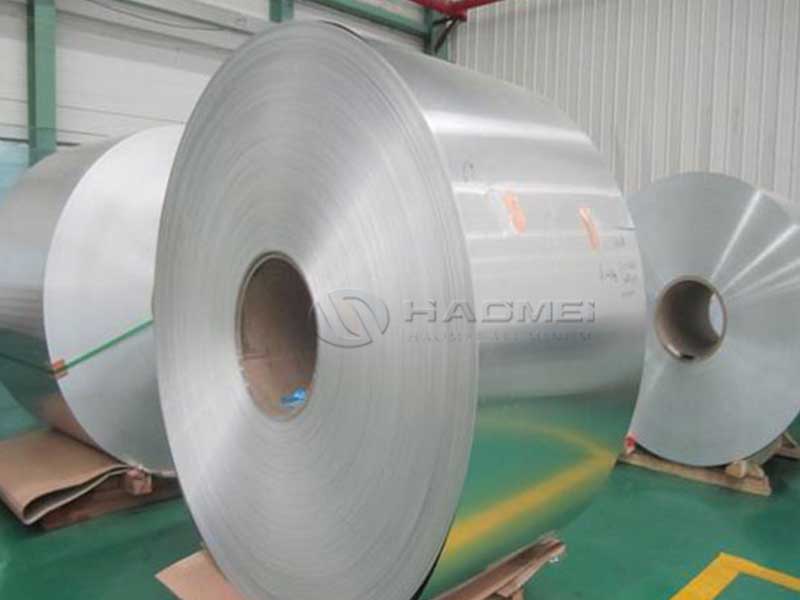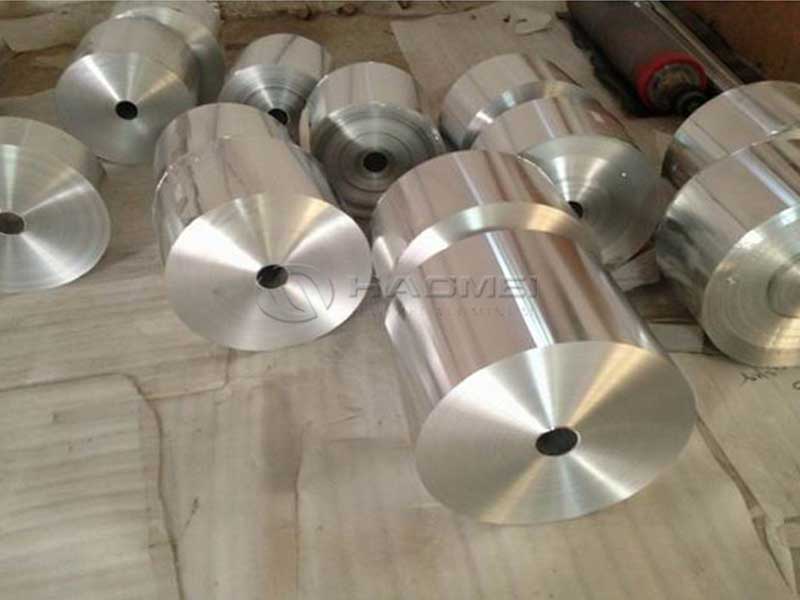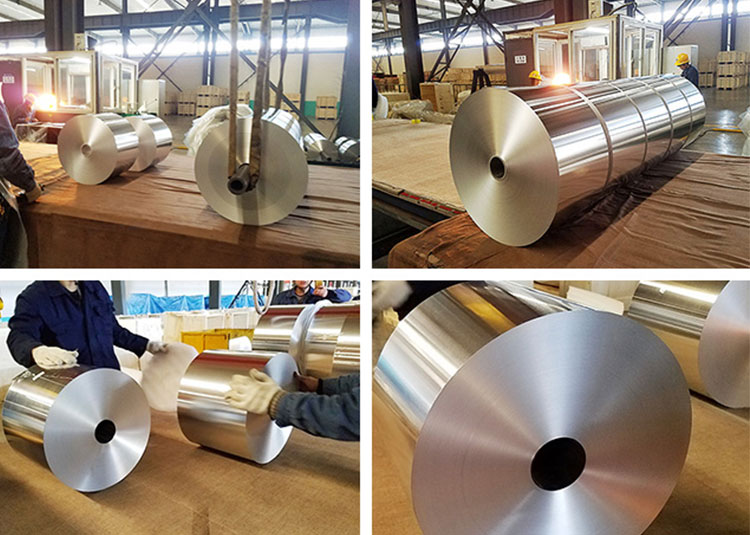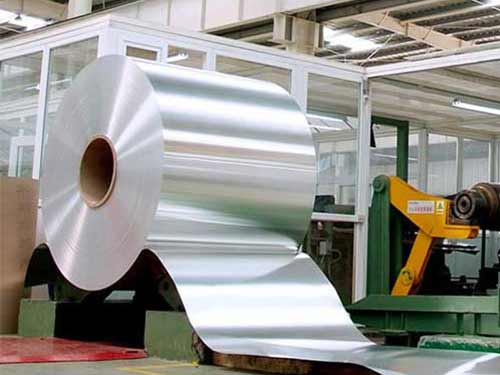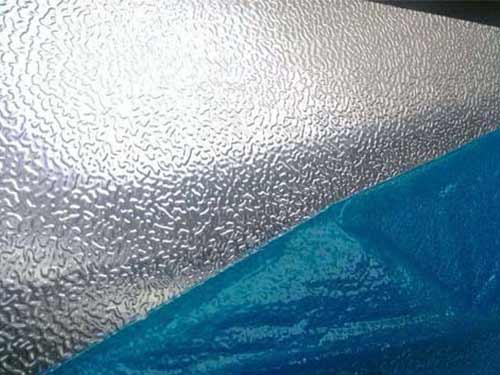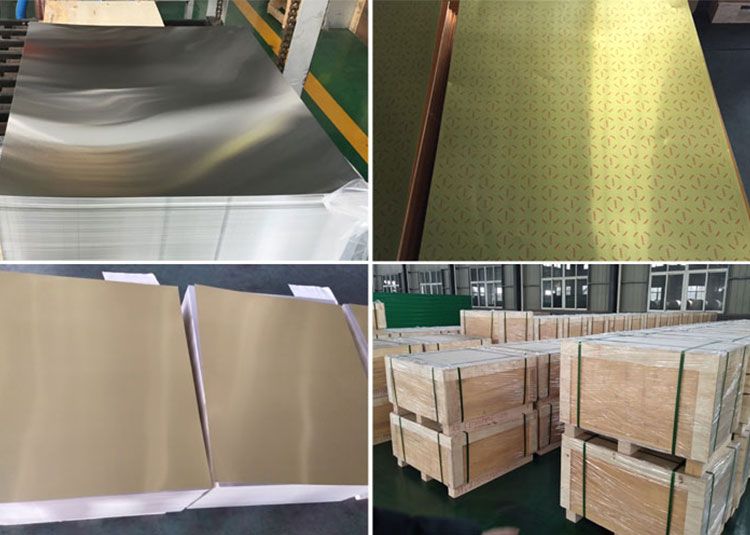

In pharmaceutical packaging, "barrier" is not a marketing word-it's a measurable promise. Aluminium strip foil is the quiet workhorse behind that promise, built to protect dose accuracy, chemical stability, and patient safety long before a tablet reaches a blister.
What Exactly Is Aluminium Strip Foil in Pharma Packaging?
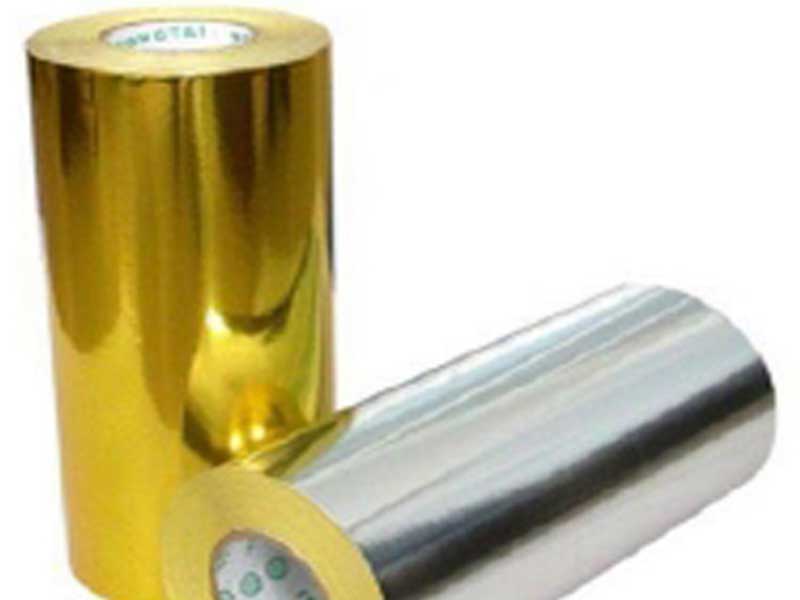
Aluminium strip foil is commonly used for strip packs where tablets/capsules are sealed between two layers of foil, typically with a heat-sealable lacquer. Unlike common household foil, pharma strip foil is defined by tightly controlled thickness tolerances, pinhole limits, surface cleanliness, lacquer compatibility, and traceability.
If a blister pack is "a molded cavity plus a lidding foil," strip packaging is "two barrier films pressed into one protective envelope." That makes strip foil especially valuable for hygroscopic drugs, light-sensitive APIs, and products shipped across extreme climate zones.
A Distinctive Technical View: Strip Foil as a "Barrier System with Memory"
Pharma strip foil doesn't just block moisture and oxygen; it must also maintain mechanical and surface integrity under repeated stresses:
- Rolling and annealing history determines grain structure, affecting tear behavior and dead-fold
- Surface chemistry influences lacquer anchorage, heat-seal uniformity, and printing adhesion
- Microscopic defects such as pinholes become pathways for permeation and corrosion
- Residual oils and particulates can interfere with sealing and compliance testing
From this viewpoint, strip foil is less like a commodity metal and more like a layered functional material where metallurgy and surface engineering decide whether the medicine stays stable through its shelf life.
Typical Parameters for Pharmaceutical Aluminium Strip Foil
Commonly supplied strip foil is optimized for high barrier, clean surfaces, and reliable seal behavior. Depending on the packaging line and drug sensitivity, manufacturers select foil gauge and lacquer system accordingly.
Typical dimensional and mechanical parameter ranges (industry reference)
- Thickness range: 20–60 μm
- Common thickness selections: 20 μm, 25 μm, 30 μm, 40 μm
- Width: tailored to pack format and line tooling, often 50–600 mm
- Core inner diameter: commonly 76 mm or 152 mm
- Surface finish: bright/one-side matte or bright/bright depending on printing and sealing design
- Pinhole control: stringent; typically specified per customer standard and tested by light table or spark test methods
- Cleanliness: low residual rolling oil, controlled non-volatile residue as required for lacquer coating and sealing
Because strip packs rely on two foils sealing together, thickness uniformity and lacquer consistency are not "nice-to-have"; they are the hidden determinants of seal integrity and line yield.
Alloy Selection: Why 8011 and 8021 Dominate (and When Others Appear)
For pharmaceutical strip foil, the workhorse alloys are typically 8011 and 8021, chosen for a balance of formability, strength, barrier reliability, and surface suitability for coating/printing.
8011 aluminium foil
Often selected for its processability and cost-effective performance, with stable rolling behavior and broad availability. It is frequently used where high throughput and consistent coating performance are prioritized.
8021 aluminium foil
Often selected when higher purity and potentially improved barrier consistency (especially pinhole performance at thin gauges) is desired, depending on supplier practice and customer specs.
Other alloys may be used by agreement, but for most pharma strip foil supply chains, 8011/8021 form the backbone of qualification data and regulatory familiarity.
Tempering and Metallurgical Condition: The Practical Meaning of O and H18
In strip foil, temper is not just a mechanical label; it is a predictive tool for how the foil will behave under sealing pressure, tearing, folding, and pack opening.
O temper (fully annealed)
- Softer, more ductile
- Typically better for deep embossing or when improved dead-fold and gentle tear behavior are required
- Can improve conformability during sealing, depending on line settings and lacquer
H18 temper (full hard)
- Higher strength, higher stiffness
- Favored when dimensional stability and machine handling are critical
- Can deliver crisp pack appearance and consistent web tracking, but requires carefully tuned sealing to avoid stress cracking at folds
In real packaging operations, temper choice is often a negotiation between machinability, pack feel, opening performance, and seal robustness. Many customers specify temper alongside a required sealing window and tearing profile, because those are what patients and stability chambers ultimately "measure."
Implementation Standards and Compliance: The Documentation Behind the Foil
Pharmaceutical packaging materials must align with both material standards and pharma packaging expectations. While exact requirements vary by market and product, aluminium strip foil supply commonly references:
- ASTM B479 / ASTM B373 for aluminium foil material expectations and general requirements (often used as baseline references)
- EN 546 series (Aluminium and aluminium alloys-foil) for dimensional tolerances and mechanical property guidance commonly used in EU-linked supply chains
- ISO 9001 quality management and ISO 15378 (GMP for primary packaging materials for medicinal products) as system-level expectations
- ICH stability expectations indirectly drive barrier and consistency requirements through long-term and accelerated testing in the finished pack
- Pharmacopoeial and food-contact frameworks may apply depending on region and whether the foil/lacquer system is evaluated under applicable migration/extractables risk assessments
In qualification, pharma buyers focus as much on traceability, change control, and batch-to-batch reproducibility as on raw tensile numbers. A foil that is "good metal" but inconsistent in coating anchor or pinhole behavior becomes a risk multiplier.
Coatings and Heat-Seal Lacquers: The Surface That Actually Seals
Strip foil typically uses heat-seal lacquers engineered to bond foil-to-foil under defined temperature, dwell time, and pressure. Common lacquer families include vinyl-based, acrylic-based, and other proprietary systems tailored to product and line needs. Selection depends on:
- Required sealing window and seal strength
- Compatibility with ink systems and overprint varnishes
- Resistance to cracking at creases and during transport vibration
- Low odor and controlled extractables profile suitable for pharmaceutical packaging expectations
From a technical standpoint, the lacquer is not a decorative layer-it is the "interface chemistry" that converts aluminium's barrier into a functional pack.
Chemical Composition: Typical Ranges for Common Pharma Strip Foil Alloys
Below is a reference-style table of commonly used alloys for pharmaceutical aluminium strip foil. Actual mill certificates govern compliance, and customers often tighten limits based on their qualification history.
Chemical properties table (typical composition, wt.%)
| Alloy | Si | Fe | Cu | Mn | Mg | Zn | Ti | Al |
|---|---|---|---|---|---|---|---|---|
| 8011 | 0.50–0.90 | 0.60–1.00 | ≤0.10 | ≤0.20 | ≤0.05 | ≤0.10 | ≤0.08 | Balance |
| 8021 | ≤0.15 | ≤0.35 | ≤0.05 | ≤0.05 | ≤0.05 | ≤0.10 | ≤0.05 | Balance |
These chemistries matter because iron and silicon levels influence intermetallic formation during rolling and annealing, which can affect surface uniformity, pinhole tendency at thin gauges, and coating response.
Performance Characteristics That Actually Matter on Packaging Lines
Pharmaceutical strip foil is judged less by what it is and more by what it prevents and what it enables.
performance expectations typically include:
- Near-zero moisture vapor transmission due to aluminium's inherent barrier, with practical performance dominated by pinhole control and sealing integrity
- High light barrier to protect photosensitive formulations
- Consistent heat-seal strength and sealing window stability across coil length
- Printability and ink adhesion suitable for regulatory labeling, batch coding, and brand consistency
- Low contamination risk, controlled residues, and suitable surface energy for lacquer anchorage
- Reliable tear and opening behavior aligned with patient usability and tamper-evidence needs
This is why pharma foil specifications often read like a hybrid of metallurgical, surface science, and packaging engineering requirements.
Manufacturing Notes: How Quality Is "Built In" Before the Coil Ships
A robust strip foil program typically involves:
- Controlled rolling schedules to minimize gauge variation and improve surface stability
- Annealing practice tuned to target temper and consistent grain structure
- Slitting with tight edge quality control to reduce web breaks and dust
- Cleanroom-adjacent handling or controlled environments depending on customer requirements
- Inspection protocols for pinholes, coating defects, surface contamination, and coil integrity
- Full traceability from cast to coil, with documented change control
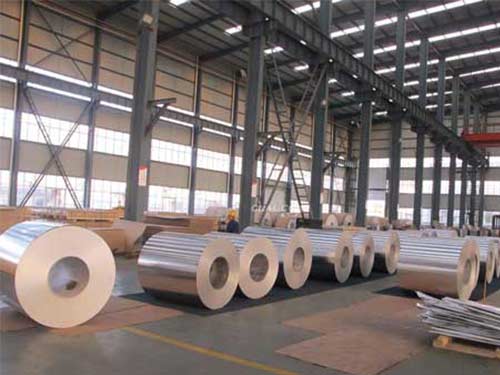
For pharmaceutical packaging, the coil is effectively a "semi-finished medical component," and its manufacturing discipline must match that reality.
Why Aluminium Strip Foil Remains the Pharma Standard
Aluminium strip foil endures because it solves multiple risks at once: moisture, oxygen, light, handling damage, and long-distance logistics variability. It is a material that turns metallurgical discipline into chemical stability-quietly ensuring that what's printed on the carton matches what remains in the pack months later.
For buyers and engineers, the smartest way to specify pharma strip foil is to connect alloy-temper choice, surface/lacquer design, and compliance documentation into one unified performance target: a reproducible seal, a reliable barrier, and a stable medicine.