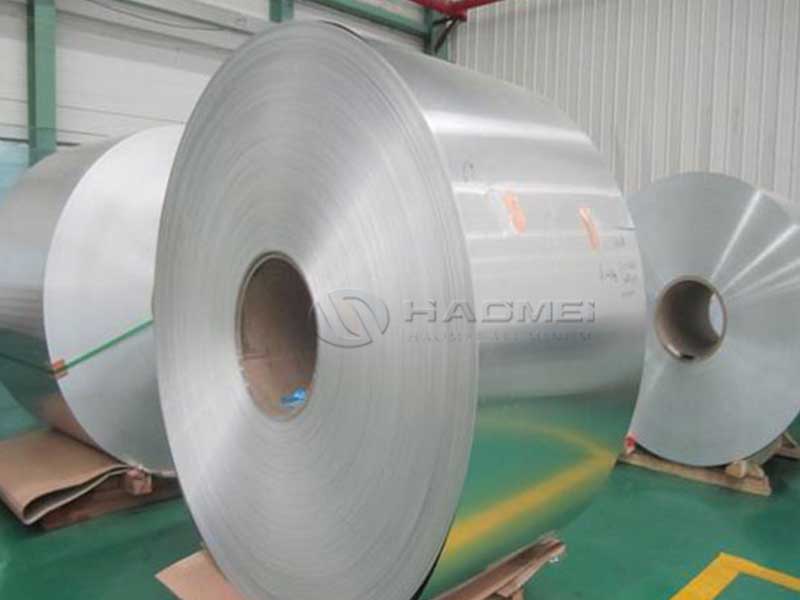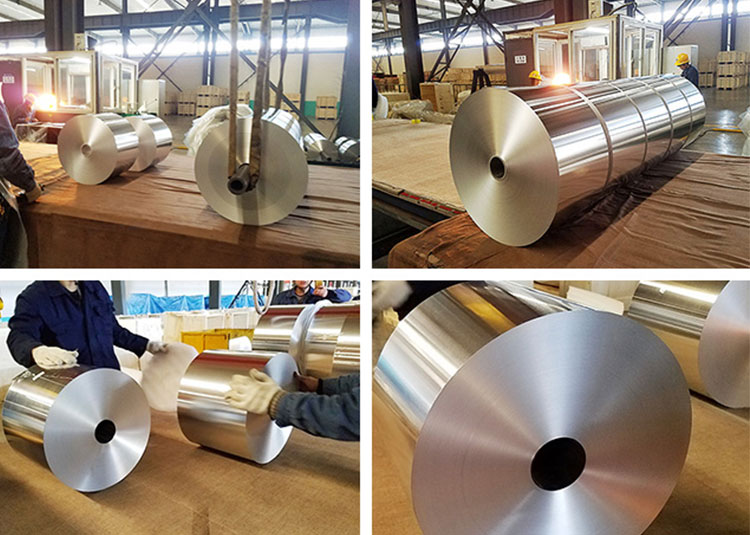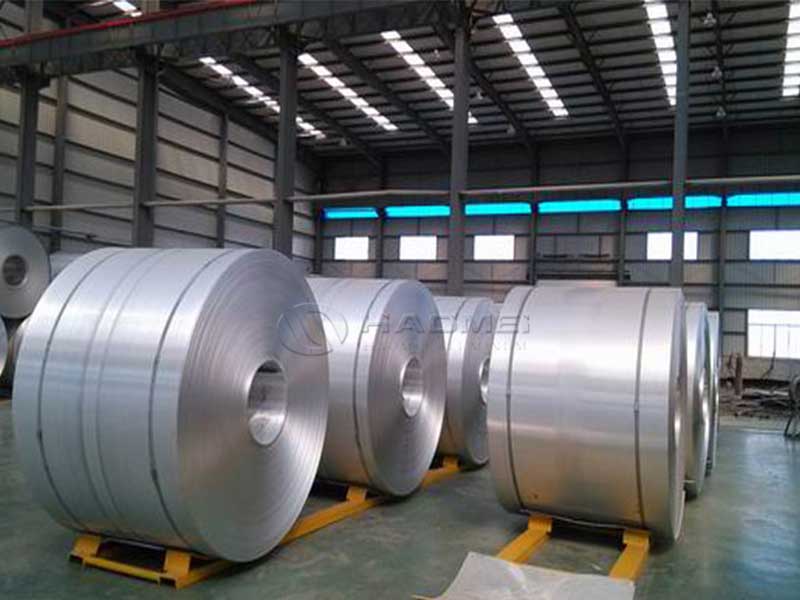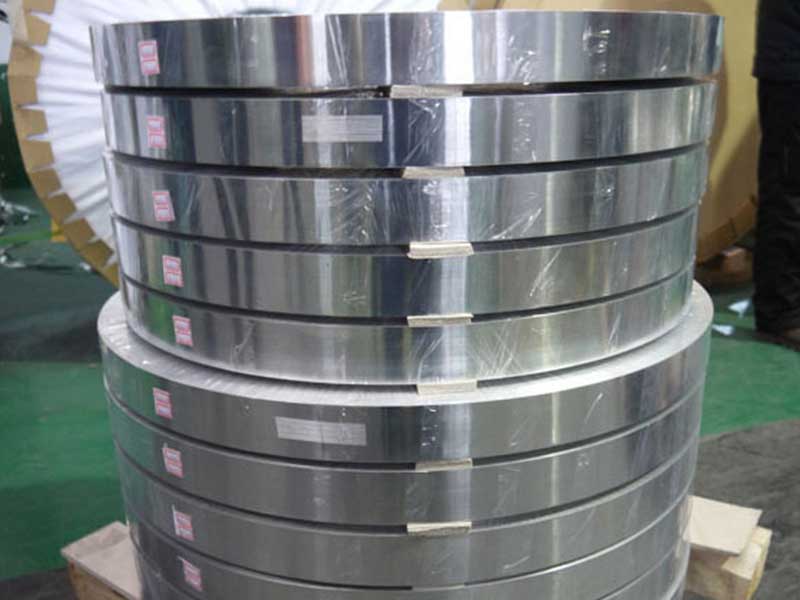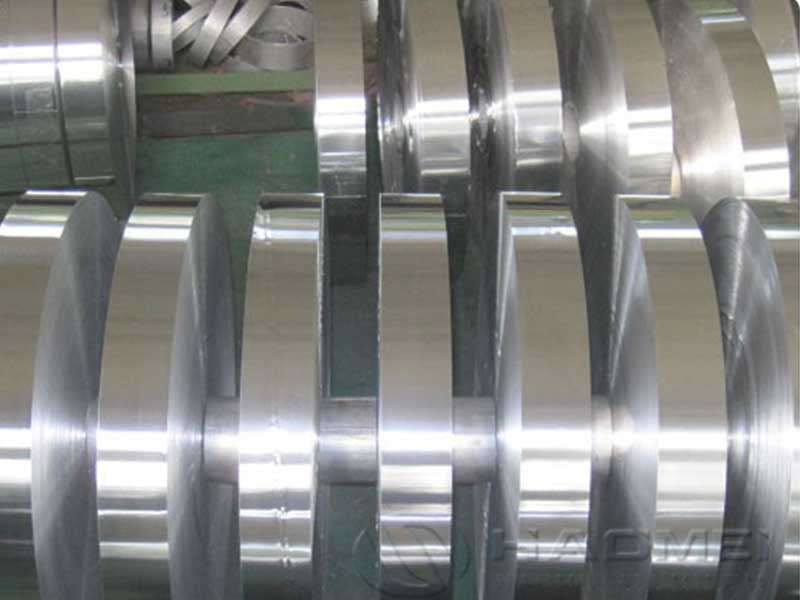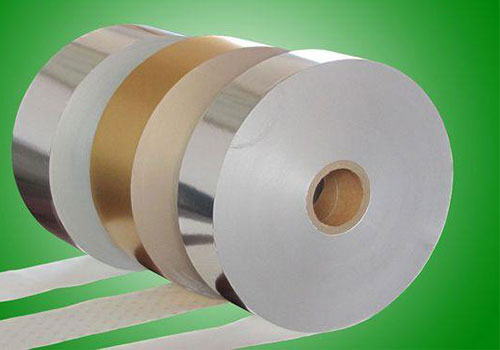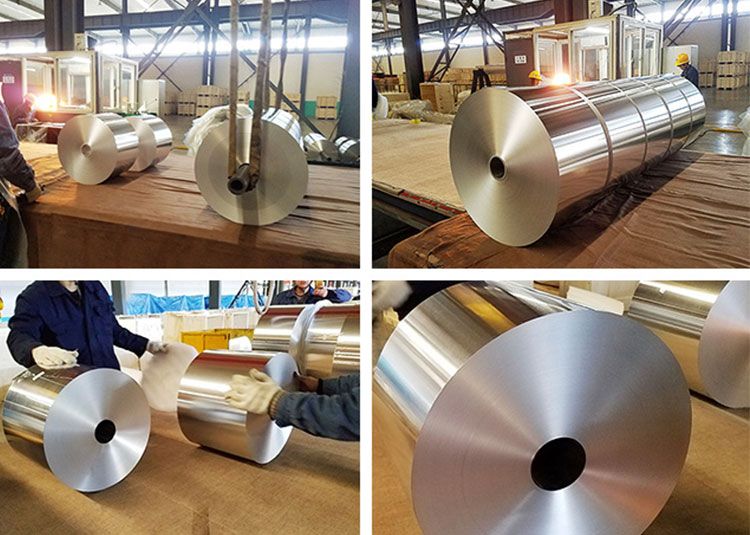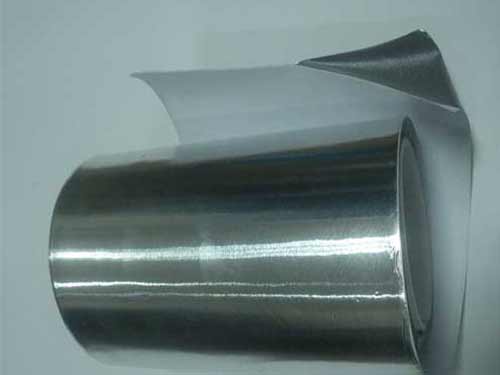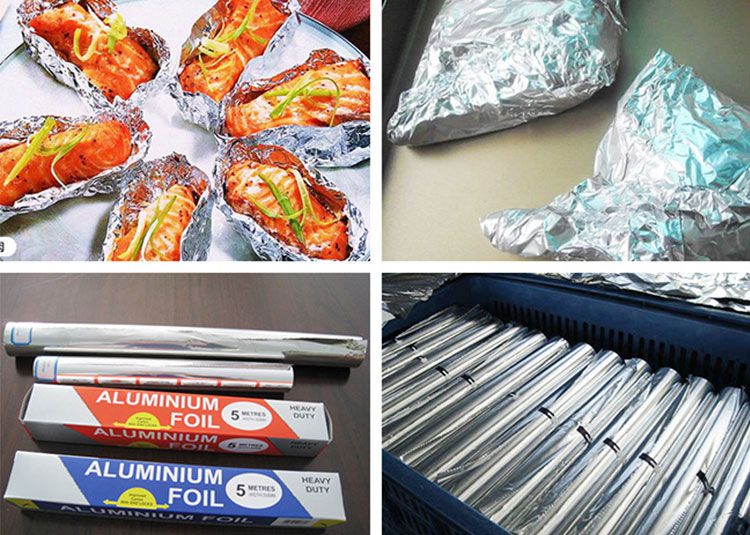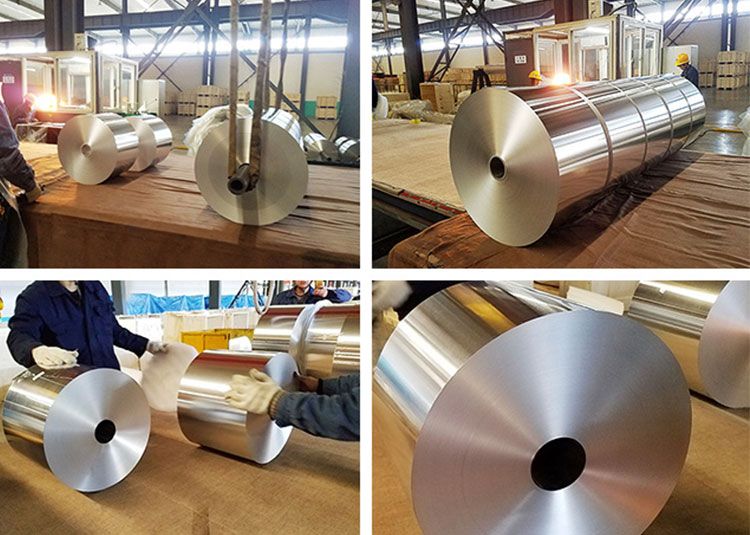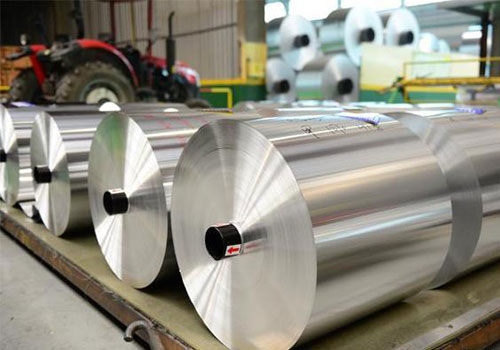

Soft aluminum foil in grades 1235, 8011, and 8079 is often treated like a simple commodity: thin metal, shiny surface, roll it up and ship it out. But if you look at it the way a packaging engineer or a quality manager does, "soft foil" is more like a carefully tuned membrane. It has to bend without cracking, seal without leaking, protect without adding bulk, and behave predictably at micron-level thickness. These three alloys sit at the heart of that balancing act, each with a slightly different personality that shows up in forming, barrier performance, heat resistance, and consistency in high-speed converting lines.
What "soft" really means in aluminum foil
Soft foil is aluminum foil in an annealed temper. In practical terms, annealing relieves work-hardening from rolling, returning the metal to a ductile state. That ductility is what converters want when they emboss, fold, laminate, twist-wrap, or deep-form. You'll see soft temper expressed as O temper, and in some standards as "fully annealed." This condition improves elongation and reduces the risk of pinholes caused by brittle cracking during converting.
Softness is not "weaker" in the way many buyers assume. It's more accurate to say it trades tensile strength for formability and process stability. In packaging, where the foil is supported by paper, PE, PET, or other layers, ductility and barrier integrity matter more than raw strength.
A distinctive way to choose: think in "cleanliness, consistency, and compatibility"
If you're selecting among 1235, 8011, and 8079, a useful perspective is to judge them by what they protect and how they will be processed.
1235 foil is like a minimalist barrier artist. It is very high in aluminum content and tends to be chosen for general-purpose packaging, insulation facings, and laminations where excellent formability and good barrier performance are needed with cost efficiency.
8011 foil is the production workhorse. It contains small alloying additions that improve strength and process robustness. Many converters like 8011 because it behaves consistently through rolling, slitting, and lamination at industrial speeds, and it performs well in container foil, household foil, and many flexible packaging structures.
8079 foil is often selected where "trust" is the product-pharmaceutical blister foil, high-barrier laminates, and demanding applications where uniformity, pinhole resistance at thin gauges, and converting reliability are critical. In many markets, 8079 has become a go-to choice for blister lidding and cold-forming structures when paired with the right coating and process controls.
Typical parameters customers care about
Soft foil is usually specified by thickness, width, inner diameter, surface condition, and joining requirements, then backed by mechanical and surface-quality targets.
Common thickness ranges for soft foil are roughly 0.006 mm to 0.2 mm, with flexible packaging and pharma often concentrated in the 0.006–0.03 mm range, and container/household foil trending thicker. Wider widths depend on mill capability and customer slitting needs; coils are typically supplied as jumbo rolls for converter slitting.
performance parameters include surface cleanliness (low oil residuals), low pinhole count, stable thickness tolerance, suitable surface energy for coating/printing, and controlled roughness to support lamination bonding. When the foil will be heat-sealed or lacquered, coating compatibility becomes as important as the alloy itself.
Implementation standards and common delivery conditions
Soft aluminum foil is commonly produced and supplied under international standards. Depending on region and end use, you may see references such as ASTM B479/B479M for aluminum foil, EN 546 series for aluminum foil in Europe, EN 573/EN 485 for alloy composition and mechanical properties, or GB/T standards in China. For pharmaceutical packaging, additional requirements often come from customer specifications, packaging regulations, and audits focused on hygiene, traceability, and migration control.
Typical tempering/delivery conditions include O (fully annealed) for soft foil. In some converting scenarios, H18 or other harder tempers are used for strength, but for "soft foil 1235/8011/8079," O temper is the core expectation, especially for folding, forming, or blister-related use cases.
Chemical composition (typical limits, wt.%)
Actual limits vary by standard and supplier control plan, but the table below reflects widely used composition ranges for these alloys.
| Alloy | Si | Fe | Cu | Mn | Mg | Zn | Ti | Al (min) |
|---|---|---|---|---|---|---|---|---|
| 1235 | 0.10 max | 0.65 max | 0.05 max | 0.05 max | 0.05 max | 0.10 max | 0.06 max | 99.35 |
| 8011 | 0.50–0.90 | 0.60–1.00 | 0.10 max | 0.20 max | 0.05 max | 0.10 max | 0.08 max | remainder |
| 8079 | 0.05–0.30 | 0.70–1.30 | 0.05 max | 0.10 max | 0.05 max | 0.10 max | 0.08 max | remainder |
A practical takeaway from the chemistry is that 1235's high aluminum content supports excellent ductility and good barrier performance, while 8011 and 8079 use controlled Fe/Si (and related intermetallic structures) to achieve stable rolling behavior and dependable performance at thin gauges.
How temper and process conditions influence real-world performance
Annealing is the step that makes "soft" foil possible, but the details of that anneal influence the foil's behavior in ways customers can feel on the line.
Uniform annealing promotes consistent elongation across the width, which helps prevent edge cracking during folding or embossing. It also supports stable flatness and reduces coil set issues. For packaging converters, that translates to fewer web breaks, more stable tension control, and better finished appearance.
Surface condition is equally important. Soft foil is typically supplied in one-side bright or two-side bright finishes depending on rolling and customer request. For lamination and printing, controlled residual rolling oil, low contamination, and appropriate surface treatment (when specified) help achieve strong bond strength and good ink adhesion.
Application fit: where each alloy tends to shine
In insulation facings and general laminates, 1235 O is frequently selected because it is economical, forms well, and provides a solid barrier layer when laminated to paper or polymer films.
In household foil, food containers, and many heat-seal laminations, 8011 O is popular for its balance of formability and robustness. It handles converting stresses well and is widely recognized in packaging supply chains.
In pharmaceutical blister lidding and high-barrier flexible packaging, 8079 O is often chosen when thin gauges, strict pinhole control, and consistent performance are central to the risk profile. It's less about "stronger" and more about reliability when tolerances are tight and product value is high.
A quick buyer's checklist that avoids costly surprises
Soft foil isn't only an alloy selection; it's a system decision. Confirm the temper is truly O and suited to your forming method. Match thickness to barrier and pinhole expectations. Specify cleanliness and surface requirements based on whether you will print, coat, laminate, or heat-seal. If the end use is pharmaceutical or food-contact, align documentation, traceability, and compliance requirements early-those details often matter more than a small difference in base metal cost.
Soft aluminum foil 1235, 8011, and 8079 may look similar on a pallet, but they behave differently when they become part of a laminate, a blister pack, or a sealed pouch. Choosing well means thinking like the foil does: thin, sensitive to process, and designed to protect what's inside without drawing attention to itself.