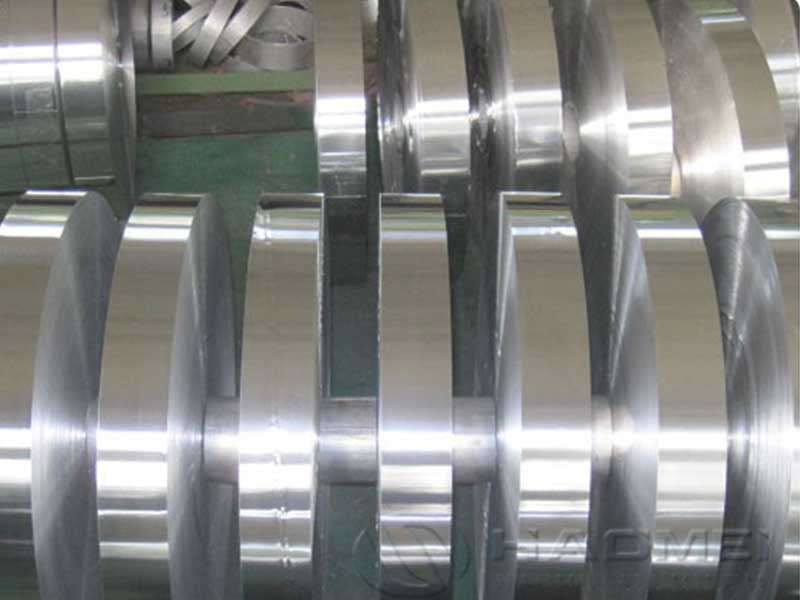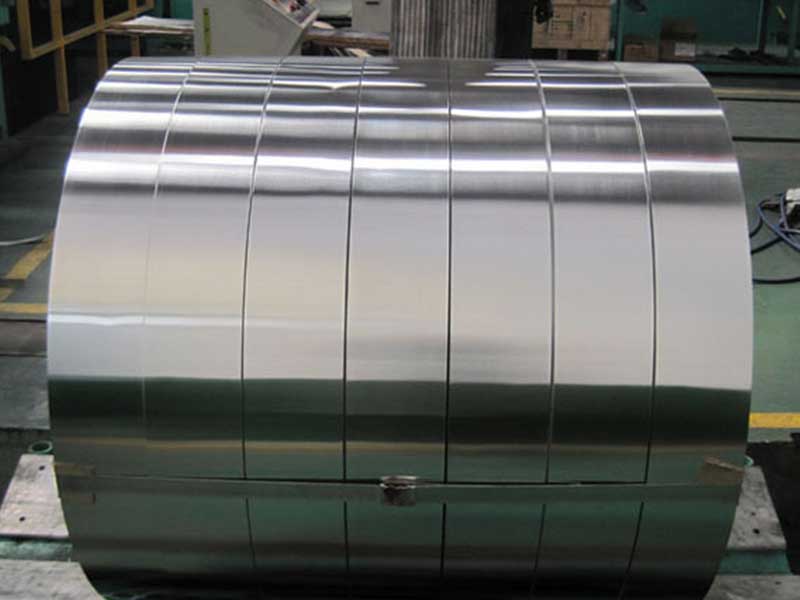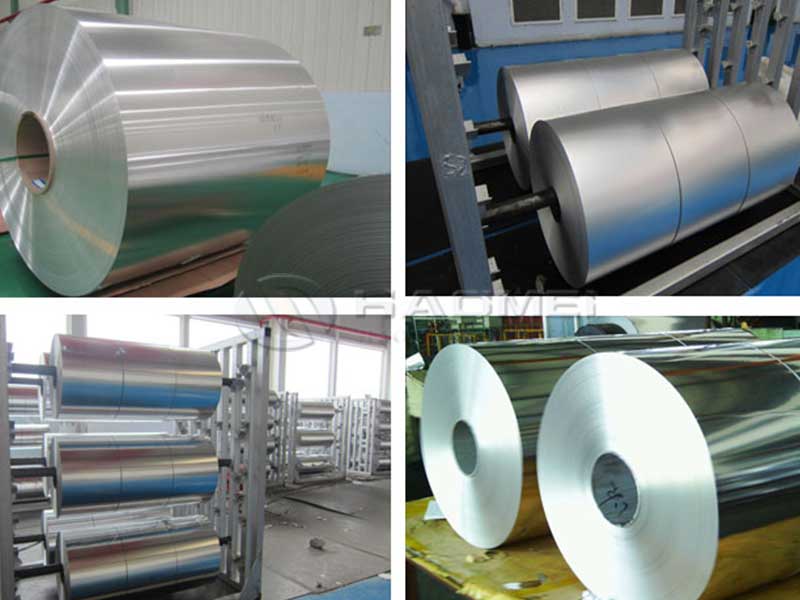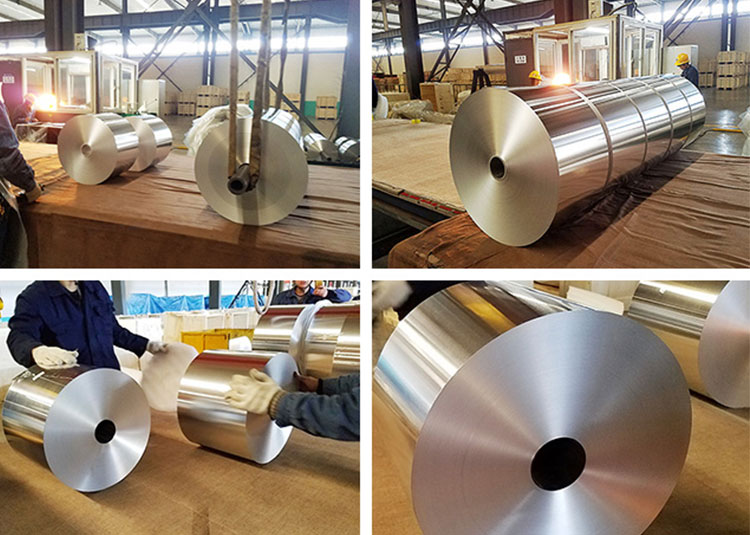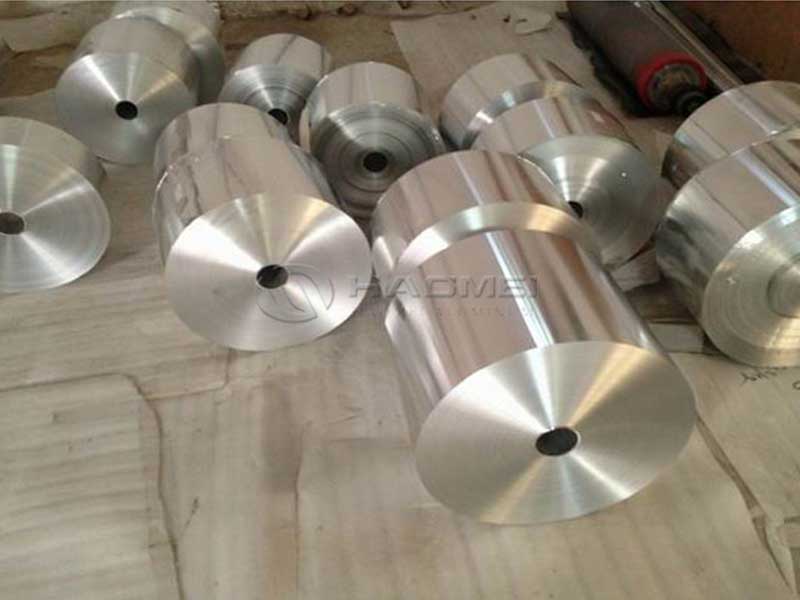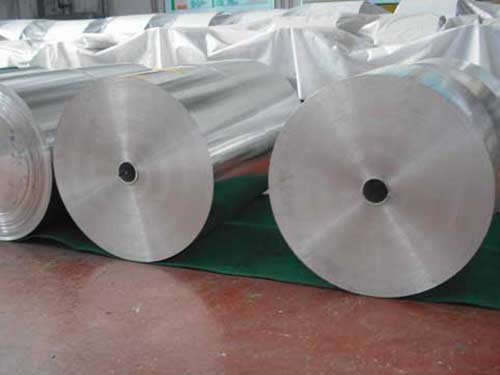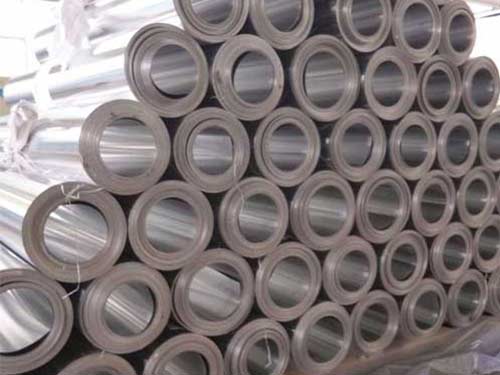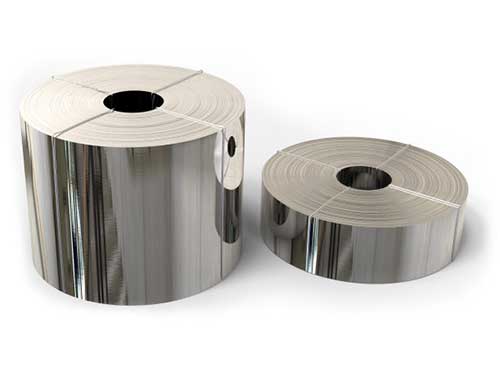

Etched and formed electronic aluminum foil is a critical material in the production of high-performance aluminum electrolytic capacitors. It is engineered to deliver low electrical resistance, high capacitance efficiency, and long-term durability, making it especially valuable in power electronics, automotive systems, industrial equipment, consumer appliances, and renewable energy applications.
This foil is not simply rolled aluminum. It is a precision material that undergoes carefully controlled etching and electrochemical forming to create a highly developed surface structure and a stable oxide dielectric layer. The result is a product that supports compact capacitor design, improved current handling, and reliable operation under demanding conditions.
Etched and formed electronic aluminum foil is typically manufactured from high-purity aluminum alloys designed for capacitor use. Through etching, the foil surface develops a tunnel or sponge-like microstructure that greatly increases effective surface area. Through forming, a uniform aluminum oxide layer is generated to serve as the dielectric medium.
These two process steps define the material's value:
- Etching increases usable surface area and supports higher capacitance
- Forming creates a controlled dielectric oxide film for voltage endurance and stability
- Optimized foil purity and microstructure reduce losses and enhance durability
- Careful process control ensures consistency across large production volumes
Because of this, etched and formed foil is widely selected for applications requiring miniaturization, low ESR, dependable charge storage, and long service life.
Features
| Feature | Customer Benefit |
|---|---|
| Low electrical resistance | Supports lower ESR and better energy efficiency |
| High effective surface area | Enables increased capacitance in smaller capacitor sizes |
| Superior oxide film stability | Improves voltage resistance and long-term reliability |
| Strong corrosion resistance | Enhances durability in harsh operating environments |
| Excellent formability and process uniformity | Helps capacitor manufacturers maintain stable production quality |
| High purity aluminum base | Reduces defects and leakage current |
| Thermal stability | Suitable for circuits exposed to elevated operating temperatures |
| Long operational life | Ideal for industrial, automotive, and power supply applications |
How the Material Works
The performance of this foil comes from the relationship between its surface geometry and dielectric layer.
In standard aluminum foil, the available surface for charge storage is limited. In etched foil, chemical or electrochemical treatment creates fine pits or tunnel structures across the foil. This expanded surface gives capacitor manufacturers much more active area without increasing the external dimensions of the component.
During forming, voltage is applied in a controlled electrolyte to build an aluminum oxide film on the etched surface. This oxide acts as the dielectric. When properly formed, it provides:
- low leakage current
- stable capacitance behavior
- strong breakdown resistance
- good endurance during continuous operation
This combination makes the material especially suitable for high-density capacitor designs where space, efficiency, and reliability must all be optimized.
Typical Chemical Composition
The exact chemistry depends on foil grade and intended capacitor type, but capacitor foil is generally based on very high-purity aluminum with tightly controlled trace elements.
| Element | Typical Content (%) | Function / Influence |
|---|---|---|
| Al | 99.90–99.99 | Base metal, provides conductivity and oxide-forming capability |
| Fe | 0.001–0.020 | Controlled to limit defect formation and maintain electrical performance |
| Si | 0.001–0.020 | Kept low to support dielectric quality and foil uniformity |
| Cu | 0.001–0.010 | Minimized to reduce adverse impact on corrosion behavior |
| Mn | 0.001–0.010 | Trace control for microstructural consistency |
| Mg | 0.001–0.010 | Typically very low in capacitor-grade foil |
| Zn | 0.001–0.010 | Controlled impurity level |
| Ti + V + Cr | 0.001–0.010 | Strictly limited to preserve forming quality |
Typical Technical Specifications
The specification window varies with application, whether the foil is intended for high-voltage anode foil, low-voltage anode foil, or cathode foil.
| Parameter | Typical Range | Notes |
|---|---|---|
| Foil thickness | 30–120 μm | Selected based on voltage rating and capacitor design |
| Foil width | 100–1,000 mm | Custom slit widths available |
| Temper | H18 / specialized capacitor temper | Designed for processing stability |
| Capacitance gain after etching | 20–120 times | Depends on etching pattern and foil grade |
| Forming voltage | 5–700 V | Based on end-use capacitor requirement |
| Surface structure | Tunnel etched / cubic etched / customized | Tailored for low-, medium-, or high-voltage use |
| Tensile strength | 120–220 MPa | Depends on alloy purity and temper |
| Elongation | 1.0–5.0% | Supports handling and production conversion |
| Resistivity | Near high-purity aluminum standard | Essential for low-loss current flow |
| Oxide layer uniformity | High | Important for voltage consistency and leakage control |
Performance Advantages
| Performance Area | Advantage |
|---|---|
| ESR reduction | Lower resistance improves ripple current performance and reduces heat buildup |
| Capacitance density | Higher etched surface area allows smaller, lighter capacitor designs |
| Voltage reliability | Stable oxide layer supports dependable dielectric strength |
| Service life | Good resistance to degradation under electrical and thermal stress |
| Process consistency | Uniform foil properties improve yield in capacitor manufacturing |
| Frequency response | Suitable for modern power electronics requiring efficient filtering |
| Thermal endurance | Maintains performance in elevated temperature environments |
Low resistance is particularly important in capacitors used in switching power supplies, inverters, UPS systems, and onboard automotive electronics. Lower internal loss means less heat generation, which directly supports longer component life and more stable electrical behavior.
Superior durability is equally valuable. Capacitors often operate for thousands of hours under ripple current, fluctuating voltage, and elevated temperatures. A robust etched and formed foil helps maintain the capacitor's internal integrity over extended service intervals.
Typical Applications
| Application Field | How the Foil Adds Value |
|---|---|
| Aluminum electrolytic capacitors | Core electrode material for charge storage and voltage handling |
| Switching power supplies | Supports compact capacitors with low ESR and stable filtering |
| Automotive electronics | Suitable for ECUs, converters, lighting systems, and auxiliary power modules |
| Industrial drives and inverters | Delivers durability under high current and thermal load |
| Consumer electronics | Enables smaller capacitor dimensions in chargers, TVs, and appliances |
| Renewable energy systems | Used in inverters and power conditioning equipment for solar and wind systems |
| Telecommunications equipment | Helps achieve reliable filtering and power stabilization |
| UPS and energy storage support circuits | Improves capacitor efficiency and endurance in backup power systems |
Manufacturing and Quality Focus
The value of electronic aluminum foil depends not only on alloy purity but also on manufacturing precision. High-quality etched and formed foil is produced under strict control of:
| Production Factor | Importance |
|---|---|
| Surface cleanliness | Reduces defects during etching and forming |
| Grain structure control | Influences etchability and oxide film uniformity |
| Etching parameter stability | Determines surface area development and capacitance performance |
| Forming voltage accuracy | Ensures reliable dielectric film thickness |
| Electrolyte management | Affects oxide quality and long-term foil stability |
| Dimensional tolerance | Supports efficient slitting, winding, and capacitor assembly |
| Inspection and testing | Confirms consistency in electrical and mechanical properties |
Reliable suppliers also monitor pinholes, edge quality, tensile properties, leakage-related behavior, and capacitance characteristics to ensure stable downstream processing.
Why Customers Choose This Foil
Customers looking for capacitor-grade aluminum foil often focus on a practical combination of performance and manufacturing reliability. Etched and formed electronic aluminum foil stands out because it offers:
- high capacitance efficiency
- low resistance for better electrical performance
- excellent durability in long-life capacitor designs
- stable quality for high-volume production
- adaptability across voltage classes and application sectors
For capacitor manufacturers, this means easier process control and stronger finished-product performance. For end users, it means electronic systems that are more compact, efficient, and dependable.
Etched and formed electronic aluminum foil with low resistance and superior durability is a specialized material designed for the demanding world of modern electronics. By combining high-purity aluminum, advanced surface etching, and precise dielectric forming, it delivers the essential characteristics needed for efficient and reliable capacitor production.
Its strengths include low ESR potential, high surface area, stable oxide film quality, and long-term endurance. These advantages make it an excellent choice for applications ranging from consumer electronics to automotive power modules and renewable energy systems.
For customers seeking a foil material that supports compact design, electrical efficiency, and dependable service life, etched and formed electronic aluminum foil remains one of the most important solutions in the capacitor supply chain.