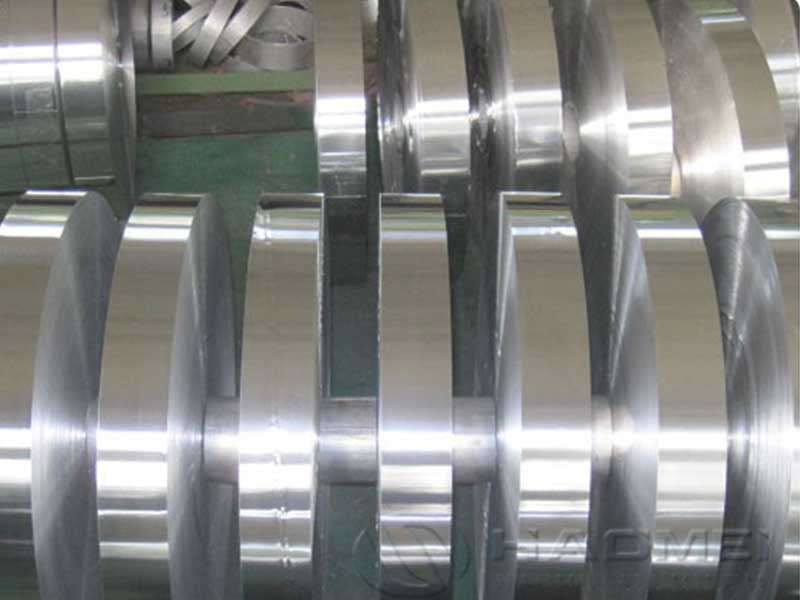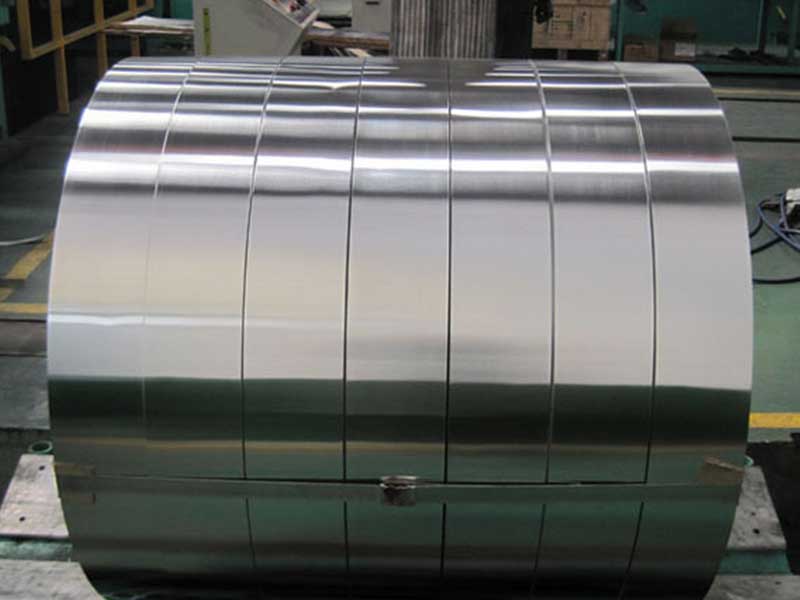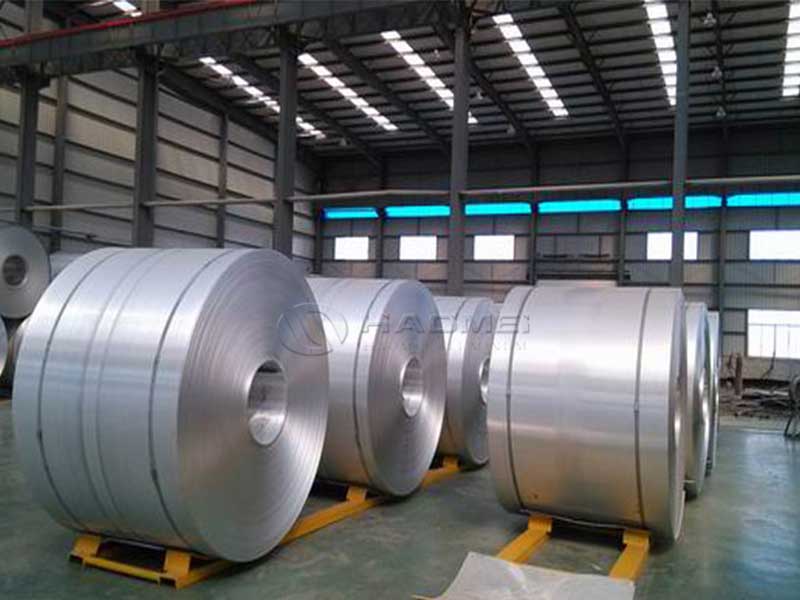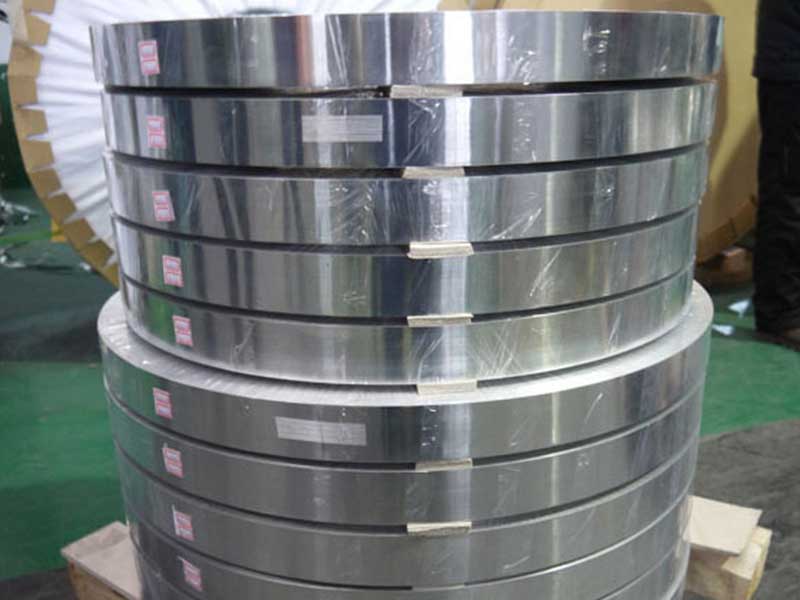

Personalized custom printed aluminum foil for food wrapping is more than a protective packaging material-it is a practical branding tool that combines food safety, product freshness, and visual identity in one solution. For restaurants, bakeries, confectionery brands, fast-food chains, catering companies, and premium food producers, custom printed foil helps deliver a professional presentation while maintaining the performance expected from high-quality aluminum packaging.
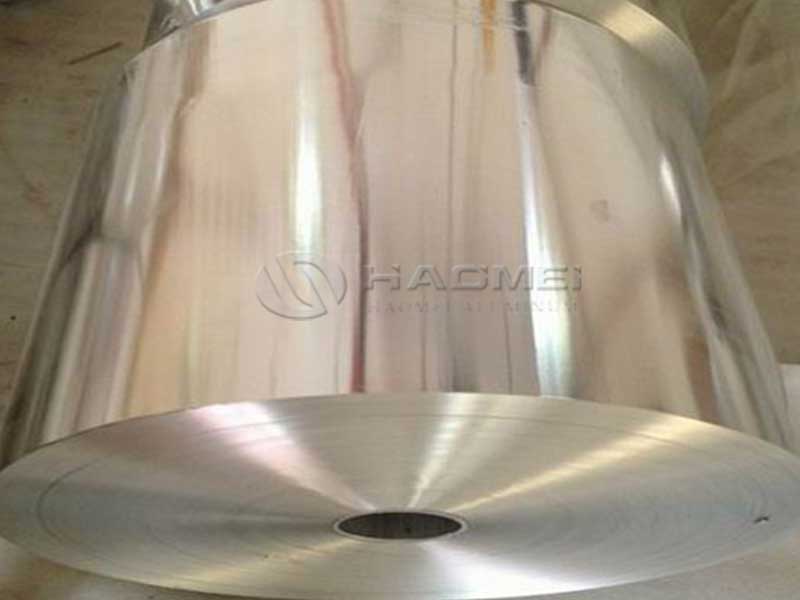
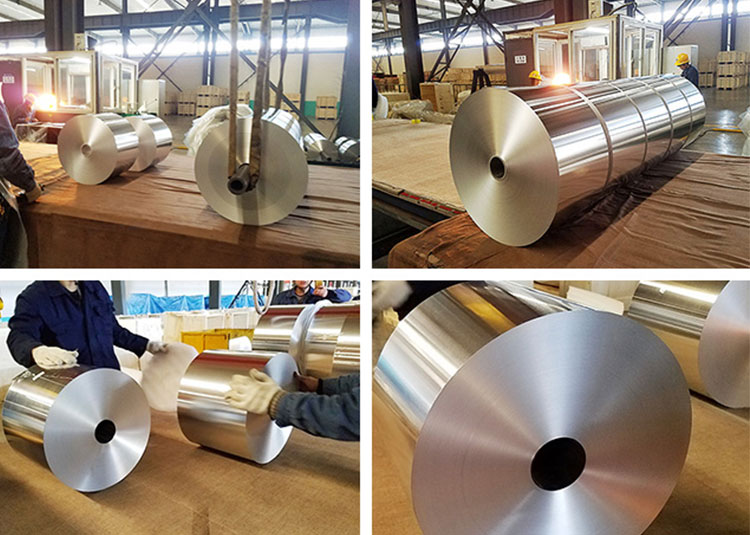
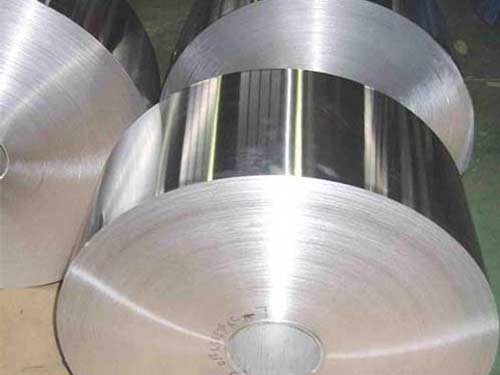
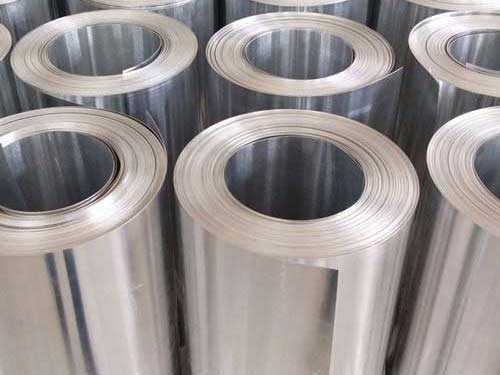
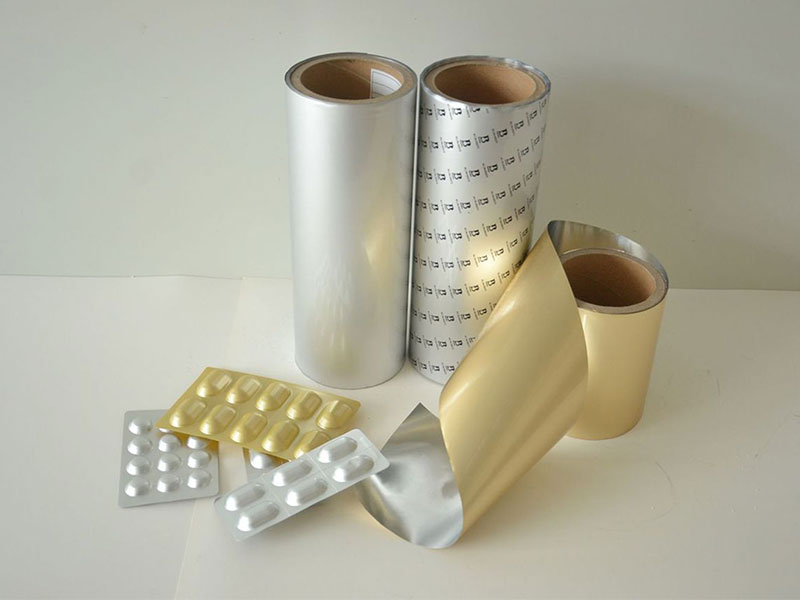
Custom printed food wrapping aluminum foil is manufactured from food-grade aluminum alloy and processed into rolls, sheets, or pre-cut wraps. It can be printed with logos, brand colors, promotional graphics, and product information using food-safe printing systems. The foil acts as an effective barrier against moisture, light, oxygen, grease, and odors, making it ideal for wrapping hot or cold foods.
Core Product Highlights
- Excellent barrier protection against air, light, and contamination
- Custom brand printing for improved packaging recognition
- Good heat retention for takeaway and ready-to-eat foods
- Grease resistance suitable for oily or buttery food products
- High formability for wrapping irregular shapes
- Food-contact safety when produced with compliant materials
- Available in multiple thicknesses, widths, and finishes
Features
1. Brand-Focused Customization
Printed aluminum foil transforms standard food wrapping into branded packaging. It can carry:
- Company logos
- Brand slogans
- Product names
- Promotional artwork
- Seasonal campaign designs
- QR codes or simple contact information
This gives food businesses a low-cost way to enhance brand visibility directly at the point of consumption.
2. Strong Barrier Performance
Aluminum foil is widely valued for its near-total barrier properties. It helps protect food from:
- Moisture loss or gain
- Oxygen exposure
- Aroma transfer
- Grease leakage
- Light degradation
This makes it especially useful for foods requiring freshness retention and clean presentation.
3. Heat and Cold Compatibility
Custom printed foil can be used for both hot and chilled food packaging. It helps retain warmth in cooked foods such as burgers, wraps, grilled items, and baked products, while also providing clean separation and protection for refrigerated items like sandwiches, chocolates, and dairy-based snacks.
4. Attractive Surface Finish
Depending on customer requirements, foil can be supplied with:
- Bright finish
- Matte finish
- One-side bright / one-side matte
- Printed decorative surface
The result is a packaging material that combines practical function with premium visual appeal.
Typical Product Structure
Custom printed foil can be produced as a single-layer aluminum foil or as part of a laminated structure, depending on the packaging requirement.
| Layer/Element | Function | Notes |
|---|---|---|
| Aluminum foil base | Barrier, formability, heat retention | Main functional layer |
| Printing ink layer | Branding and graphics | Food-safe, externally printed |
| Protective coating (optional) | Improves print durability | Used for abrasion resistance |
| Paper/film lamination (optional) | Strength, insulation, handling | Common for specific wrapping formats |
Chemical Composition of Typical Aluminum Foil Alloy
Food wrapping foil is commonly made from 1xxx or 8xxx series aluminum alloys, depending on required flexibility, strength, and converting performance. A typical example is shown below.
Typical Chemical Composition
| Element | 1235 Alloy (%) | 8011 Alloy (%) |
|---|---|---|
| Aluminum (Al) | 99.35 min | Balance |
| Silicon (Si) | 0.65 max | 0.50–0.90 |
| Iron (Fe) | 0.05 max | 0.60–1.00 |
| Copper (Cu) | 0.05 max | 0.10 max |
| Manganese (Mn) | 0.05 max | 0.20 max |
| Magnesium (Mg) | 0.05 max | 0.05 max |
| Zinc (Zn) | 0.10 max | 0.10 max |
| Titanium (Ti) | 0.06 max | 0.08 max |
| Others | 0.15 max total | 0.15 max total |
Note: Actual alloy selection depends on temper, printability, final use, and customer converting requirements.
Technical Specifications
The product can be tailored to different packaging lines and end-use needs. Common supply ranges are listed below.
Standard Technical Parameters
| Parameter | Typical Range |
|---|---|
| Material | Aluminum foil, food-grade |
| Alloy | 1235 / 8011 / customized |
| Temper | O / H22 / soft temper options |
| Thickness | 0.009 mm – 0.030 mm |
| Width | 100 mm – 600 mm |
| Roll length | Customized |
| Core ID | 76 mm / 152 mm / customized |
| Printing type | Flexographic / gravure |
| Printing colors | 1–6 colors, customized |
| Surface finish | Bright, matte, printed |
| Packaging form | Roll, sheet, pre-cut wrap |
| Food contact compliance | Available upon request |
| Lamination option | Paper / PE / other structures |
Dimensional Tolerance Reference
| Item | Typical Tolerance |
|---|---|
| Thickness tolerance | ±3% to ±8% |
| Width tolerance | ±1 mm to ±2 mm |
| Roll length tolerance | As agreed in order |
| Printing registration | Controlled per artwork requirement |
Mechanical and Performance Properties
Although wrapping foil is not typically selected for high structural strength, its mechanical behavior is still important for converting, folding, sealing, and wrapping performance.
Typical Mechanical Properties
| Property | Typical Value Range |
|---|---|
| Tensile strength | 70–150 MPa |
| Elongation | 1%–8% |
| Formability | Excellent |
| Pinhole resistance | Good to very good |
| Surface wettability | Suitable for printing/coating |
| Heat reflectivity | High |
| Grease resistance | Excellent |
| Moisture barrier | Excellent |
| Light barrier | Excellent |
| Odor barrier | Excellent |
Performance Benefits
| Performance Aspect | Benefit to Customer |
|---|---|
| High barrier properties | Helps preserve freshness and flavor |
| Printable surface | Enhances brand visibility |
| Soft temper | Easy wrapping around food items |
| Heat retention | Improves takeaway food experience |
| Grease resistance | Keeps outer packaging cleaner |
| Lightweight material | Efficient for packaging and transport |
| Recyclable aluminum base | Supports sustainability goals |
Main Applications
Custom printed aluminum foil is highly versatile and widely used across the food sector.
Common Use Cases
| Industry Segment | Typical Application |
|---|---|
| Fast food chains | Burger wraps, sandwich wraps, hot snack packaging |
| Bakeries | Pastry wrapping, bread lining, cookie packaging |
| Confectionery | Chocolate wraps, candy overwrap |
| Dairy and butter | Butter foil wraps, cheese packaging |
| Catering services | Meal portion wrapping, tray lining |
| Restaurants and takeout | Branded wraps for grilled foods and prepared meals |
| Premium food brands | Decorative foil for gift foods and specialty items |
Benefits for Food Businesses
Improved Brand Recognition
Custom printed foil turns every wrapped product into a brand touchpoint. Even simple repeating logo patterns can make packaging look more professional and memorable.
Better Product Presentation
Printed foil creates a cleaner, more premium appearance than plain wrapping materials. This is especially important for takeaway, retail display, and gift-oriented food packaging.
Functional Food Protection
The foil not only looks attractive but also performs well in protecting product quality during handling, transport, and short-term storage.
Flexible Order Customization
Manufacturers can offer variations in:
- Foil thickness
- Sheet or roll dimensions
- Print layout
- Color combinations
- Surface finish
- Packaging quantity
This allows small and large brands to match packaging to product type and budget.
Printing and Design Considerations
To achieve the best result, custom brand design should be developed with both visual impact and production practicality in mind.
Design Recommendations
| Design Factor | Recommendation |
|---|---|
| Logo visibility | Use clear, repeatable patterns |
| Ink coverage | Avoid excessive full-solid coverage if flexibility is critical |
| Color selection | Match brand colors with printing capability |
| Artwork resolution | Use production-ready vector files |
| Print location | Typically on outer surface only |
| Regulatory text | Add only where required for the packaging format |
A well-designed print layout improves not only appearance but also production efficiency and consistency.
Quality Control Focus
Reliable food wrapping foil should be produced under controlled manufacturing conditions. inspection points typically include:
| Quality Item | Inspection Focus |
|---|---|
| Surface quality | Cleanliness, scratches, stains, pinholes |
| Thickness accuracy | Conformance to order specification |
| Print quality | Color consistency, registration, adhesion |
| Roll quality | Tight winding, flat edges, no telescoping |
| Food-contact safety | Compliance with applicable standards |
| Packaging integrity | Protection during storage and transport |