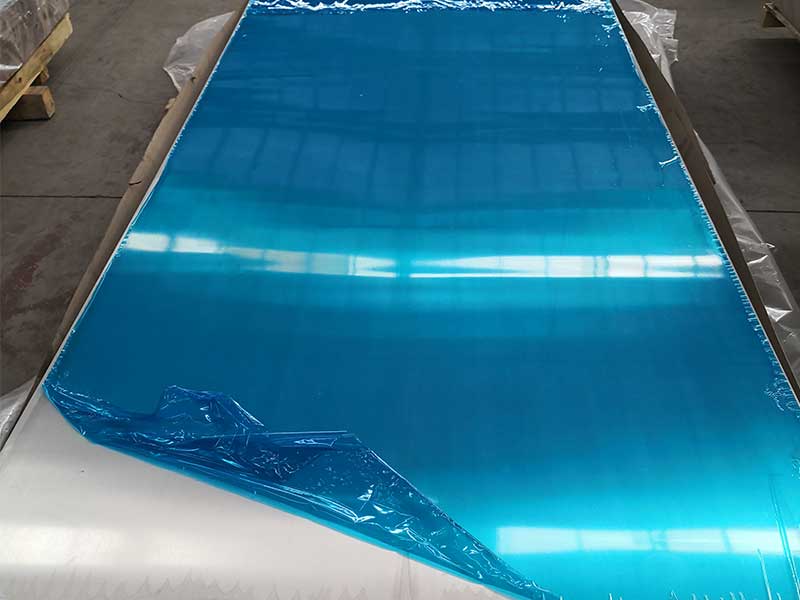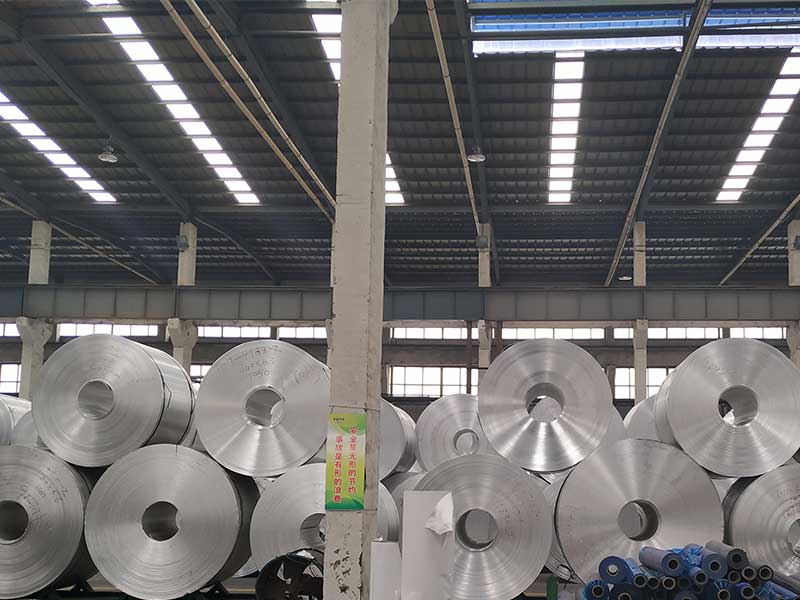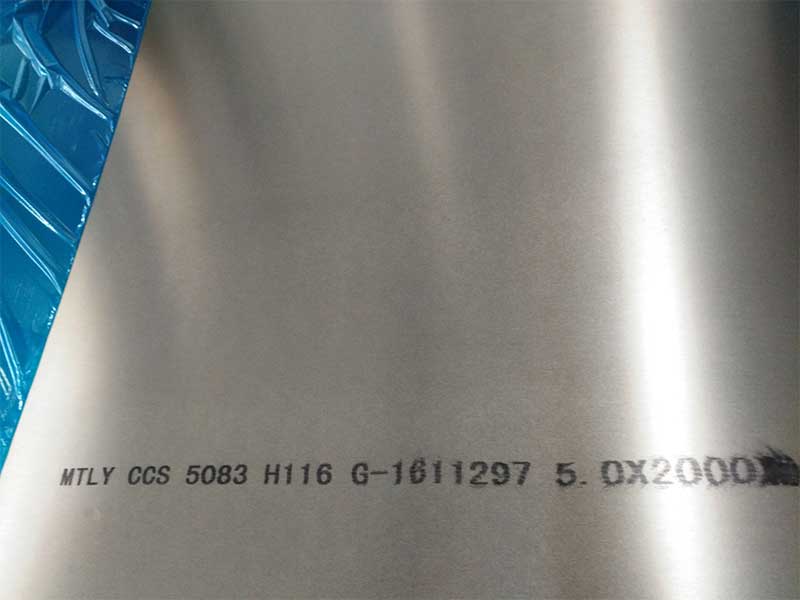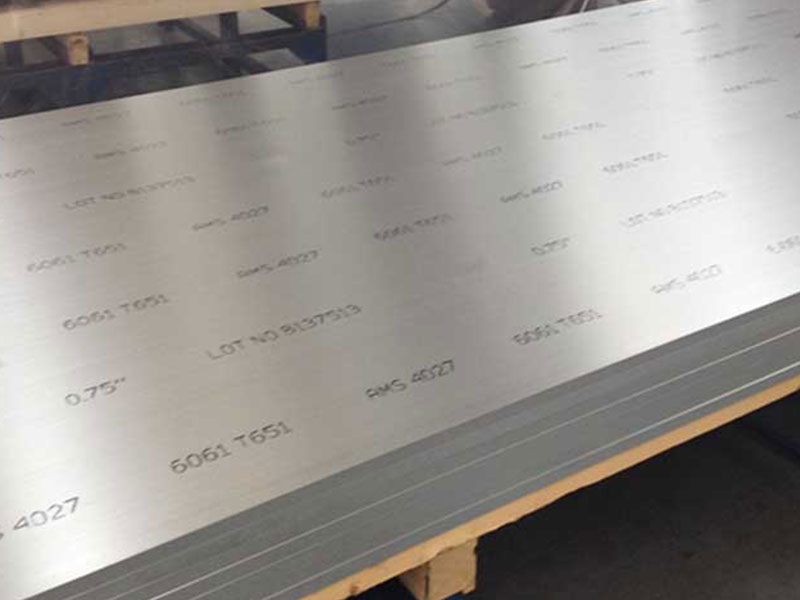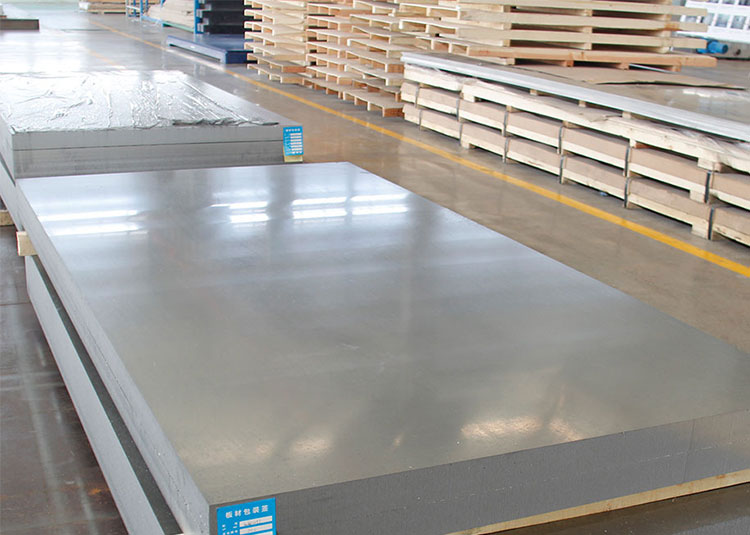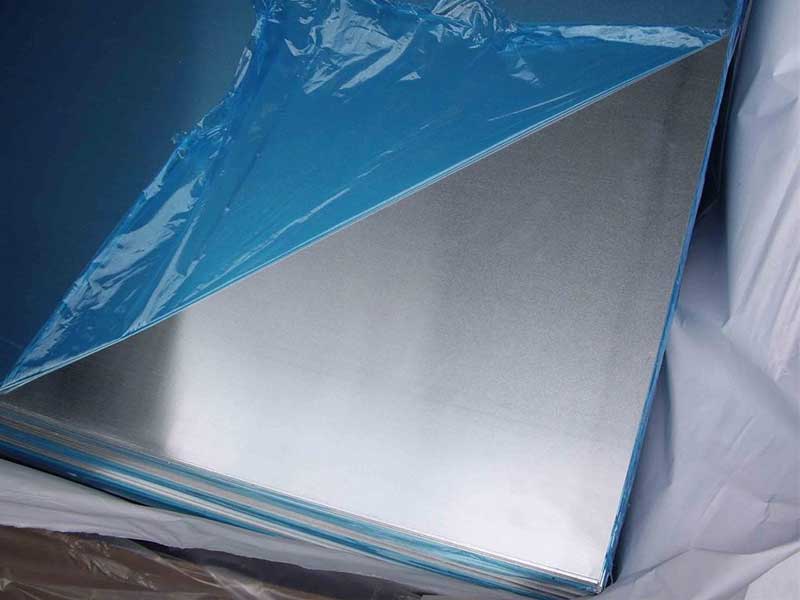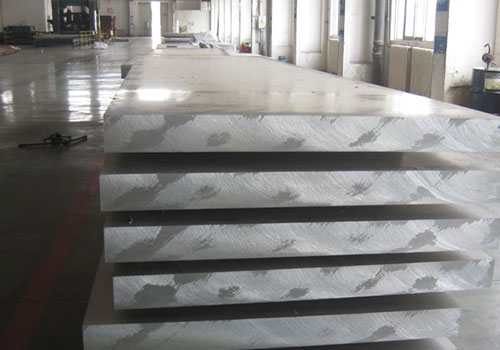

Marine Grade Aluminum Alloy 5083 Sheet Plate is one of the most trusted aluminum products for shipbuilding, offshore structures, and other corrosive-service environments. Known for its excellent resistance to seawater, strong weldability, and high strength among non-heat-treatable aluminum alloys, 5083 sheet plate is widely selected where durability and low maintenance are essential. It performs especially well in harsh marine atmospheres, making it a preferred material for hulls, decks, superstructures, storage tanks, and transportation equipment.
For buyers seeking a reliable balance of strength, corrosion resistance, and fabrication performance, 5083 aluminum plate offers a practical and proven solution.
5083 aluminum belongs to the Al-Mg-Mn alloy family. Its relatively high magnesium content gives it outstanding corrosion resistance, especially in saltwater and industrial chemical environments. Unlike some structural metals that require protective coatings to survive in marine service, 5083 naturally forms a stable oxide layer that helps defend against attack.
This alloy is commonly supplied in sheet and plate form and is frequently chosen for welded structures because it retains good strength after welding. In marine engineering, where welded assemblies are standard, this is a major advantage.
Features
| Feature | Benefit to Customers |
|---|---|
| Excellent seawater corrosion resistance | Ideal for boats, ships, offshore platforms, and coastal structures |
| High strength for a non-heat-treatable alloy | Supports structural applications without excessive weight |
| Outstanding weldability | Suitable for large fabricated assemblies and marine hull construction |
| Good formability | Can be bent, cut, and shaped for custom fabrication |
| Low temperature performance | Maintains mechanical properties in cryogenic service |
| Non-magnetic material | Useful for specialized marine and industrial applications |
| Good fatigue resistance | Helps improve long-term durability in dynamic loading conditions |
Why 5083 Is Considered Marine Grade
In marine service, materials must resist chloride-rich environments, humidity, spray, and continuous exposure to saltwater. Aluminum 5083 stands out because its chemistry is optimized for these conditions. Magnesium improves corrosion resistance and mechanical performance, while manganese contributes to strength and structural stability.
Compared with general-purpose aluminum alloys, 5083 provides a much better combination of strength + corrosion resistance + weldability, which is exactly what marine fabricators need. This is why it is commonly called marine grade aluminum.
Typical Applications
| Industry | Typical Uses |
|---|---|
| Shipbuilding | Hull plating, decks, gangways, cabins, bulkheads |
| Offshore engineering | Platforms, walkways, support frames, living modules |
| Transportation | Tanker bodies, truck bodies, rail cars, trailers |
| Cryogenic service | LNG tanks, low-temperature vessels |
| Pressure and storage systems | Fuel tanks, chemical tanks, process vessels |
| Defense and specialty fabrication | Armor-related structures, patrol boats, support equipment |
Chemical Composition
The chemical composition of Aluminum Alloy 5083 is tightly controlled to ensure corrosion resistance and strength. Typical values are shown below.
| Element | Content (%) |
|---|---|
| Magnesium (Mg) | 4.0 – 4.9 |
| Manganese (Mn) | 0.40 – 1.0 |
| Chromium (Cr) | 0.05 – 0.25 |
| Silicon (Si) | 0.40 max |
| Iron (Fe) | 0.40 max |
| Copper (Cu) | 0.10 max |
| Zinc (Zn) | 0.25 max |
| Titanium (Ti) | 0.15 max |
| Aluminum (Al) | Remainder |
The high magnesium content is the main reason for the alloy's outstanding marine corrosion resistance. Low copper content is also important, because copper can reduce corrosion performance in aggressive environments.
Common Tempers
5083 is a non-heat-treatable alloy, meaning its strength is developed mainly by strain hardening and processing rather than solution heat treatment.
| Temper | Condition | Typical Characteristics |
|---|---|---|
| O | Annealed | Highest formability, lower strength |
| H111 | Slightly strain-hardened | Good balance of formability and strength |
| H112 | Strain-hardened from working | Common for structural plate |
| H116 | Marine-grade, corrosion-resistant temper | Excellent for shipbuilding and offshore use |
| H321 | Stabilized marine temper | Good resistance to exfoliation and marine corrosion |
Among these, H116 and H321 are especially popular for marine structures because they are designed to deliver reliable performance in seawater environments.
Mechanical Properties
Mechanical values vary with thickness and temper, but the table below shows typical ranges for commonly supplied marine tempers.
| Property | 5083-O | 5083-H111 | 5083-H116 / H321 |
|---|---|---|---|
| Tensile Strength (MPa) | 270 – 350 | 290 – 360 | 305 – 385 |
| Yield Strength (MPa) | 125 min | 145 min | 215 min |
| Elongation (%) | 12 – 20 | 10 – 16 | 8 – 14 |
| Density (g/cm³) | 2.66 | 2.66 | 2.66 |
| Elastic Modulus (GPa) | 70.3 | 70.3 | 70.3 |
These figures make 5083 especially attractive where designers want a lightweight metal with dependable structural performance.
Technical Specifications
5083 sheet plate is available in a wide range of sizes and can be supplied according to customer drawings or international standards.
| Item | Typical Range / Description |
|---|---|
| Product Form | Sheet, plate, tread plate, cut-to-size panels |
| Thickness | 0.5 mm – 200 mm |
| Width | 1,000 mm – 2,800 mm |
| Length | 2,000 mm – 12,000 mm |
| Surface Finish | Mill finish, brushed, polished, coated on request |
| Standards | ASTM B209, EN 485, EN 573, GB/T 3880, marine classification requirements |
| Flatness | Controlled according to plate standard and order requirement |
| Protective Film | Available on request |
| Cutting Service | Shearing, sawing, CNC cutting, waterjet cutting |
Corrosion Resistance
One of the strongest selling points of 5083 aluminum sheet plate is its exceptional resistance to corrosion in marine and industrial settings.
| Environment | Performance |
|---|---|
| Seawater immersion | Excellent |
| Salt spray atmosphere | Excellent |
| Industrial atmosphere | Very good to excellent |
| Chemical processing exposure | Good, depending on media |
| Low-temperature service | Excellent |
This alloy resists general corrosion very well and also shows strong performance against marine exposure-related degradation. For long service life, proper fabrication practices are still recommended, especially in welded or mixed-metal assemblies.
Fabrication and Welding Performance
5083 is easy to fabricate using common workshop methods. It can be cut, bent, rolled, and welded into complex structures. This makes it highly suitable for shipyards and heavy fabrication plants.
| Fabrication Method | Performance |
|---|---|
| MIG Welding | Excellent |
| TIG Welding | Excellent |
| Bending | Good |
| Machining | Fair |
| Cold Forming | Good |
| Hot Forming | Possible with controlled process |
Its weldability is a major reason for its popularity. In large marine structures, strong welded joints are critical, and 5083 performs very well when the correct filler wire and procedures are used.
Advantages for Marine Buyers
| Customer Need | 5083 Benefit |
|---|---|
| Long service life in seawater | Superior corrosion resistance |
| Weight reduction | Much lighter than steel |
| Lower maintenance | Less need for protective coatings and repairs |
| Easy fabrication | Efficient cutting, forming, and welding |
| Structural reliability | Good strength and toughness |
| Better lifecycle value | Reduced maintenance and improved durability |
For vessel builders, using 5083 often means a lighter structure, improved fuel efficiency, and lower long-term maintenance costs compared with traditional materials.
Purchasing Considerations
When sourcing Marine Grade Aluminum Alloy 5083 Sheet Plate, buyers usually focus on the following points:
| Purchasing Factor | Recommendation |
|---|---|
| Temper selection | Choose H116 or H321 for marine hull and offshore use |
| Thickness tolerance | Confirm against project and class requirements |
| Classification approval | Check if ABS, DNV, LR, BV, CCS or other certification is needed |
| Surface quality | Specify mill finish or protected surface depending on fabrication needs |
| Plate size | Optimize dimensions to reduce scrap and welding work |
| Traceability | Request heat number and mill test certificate |