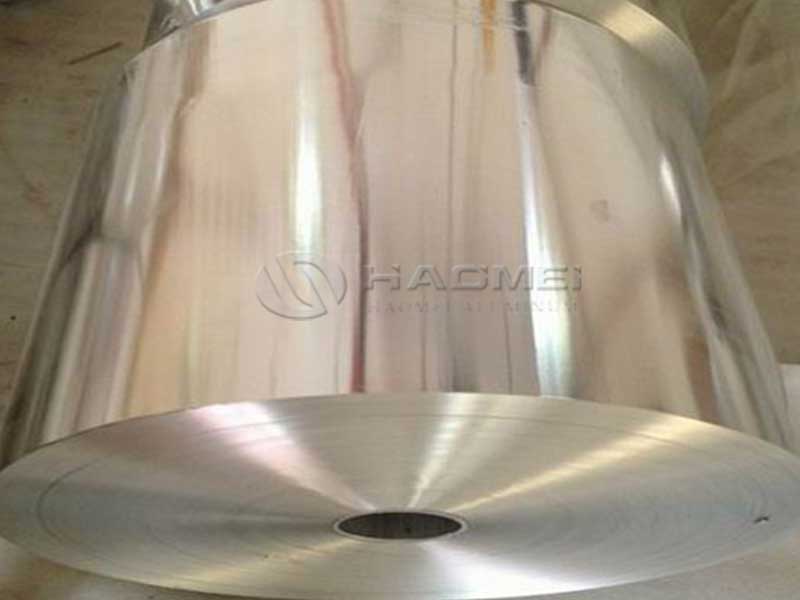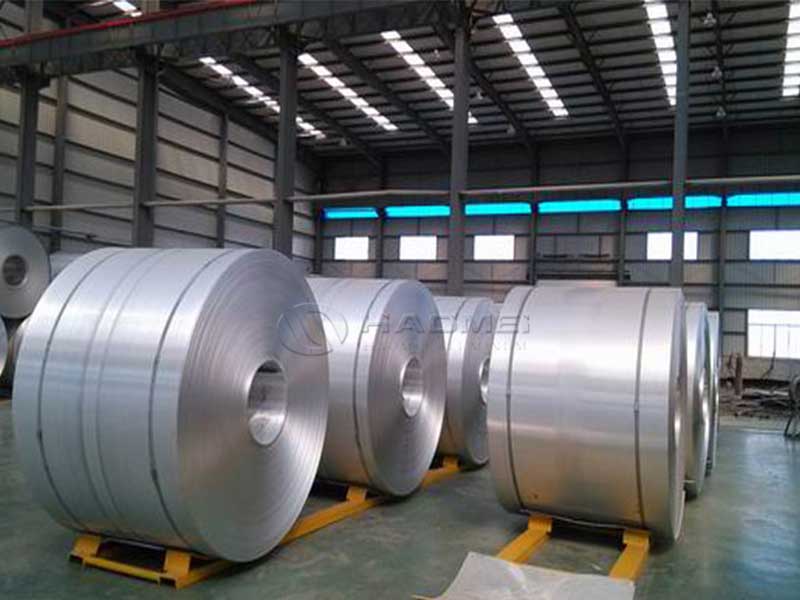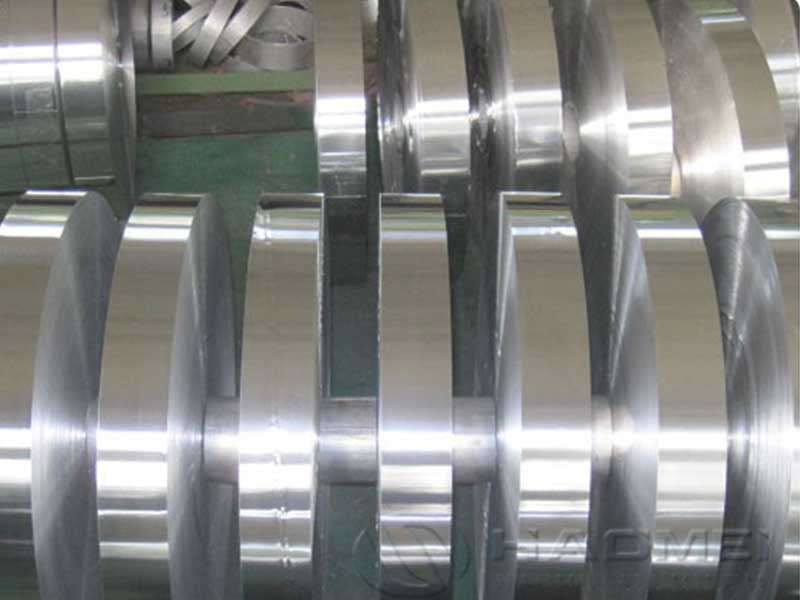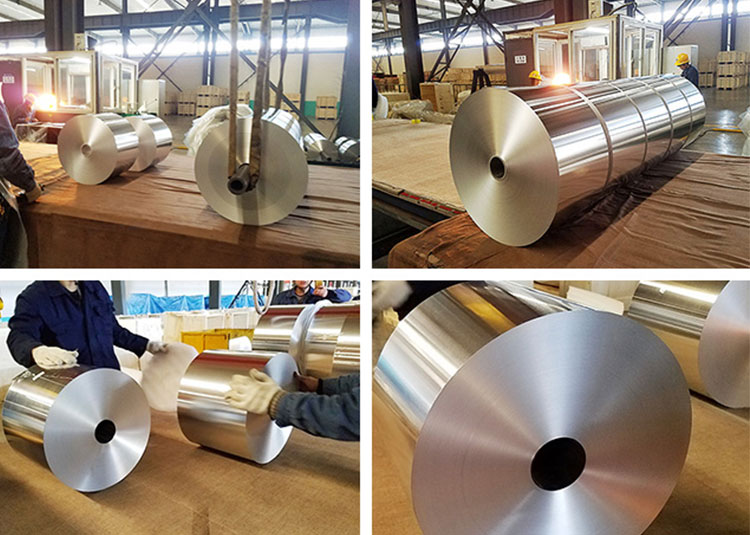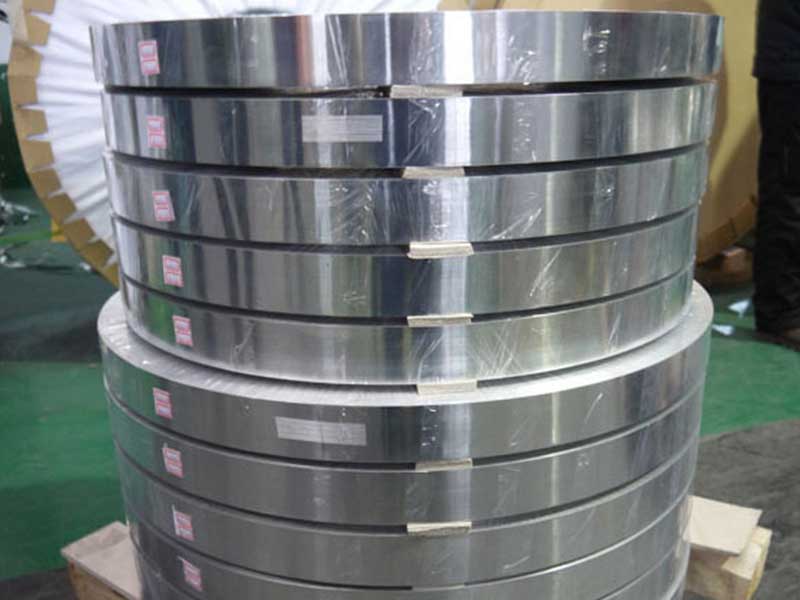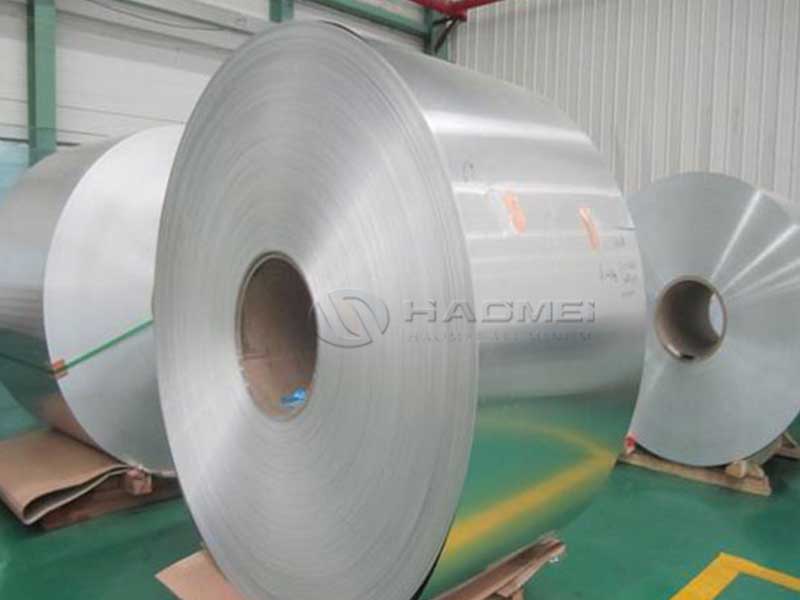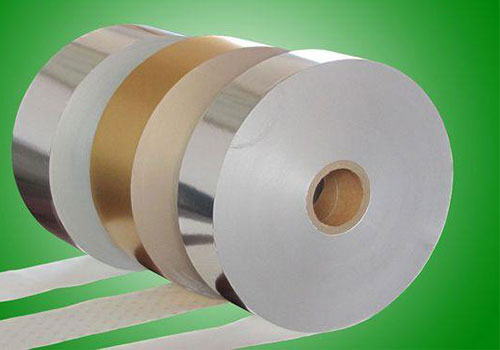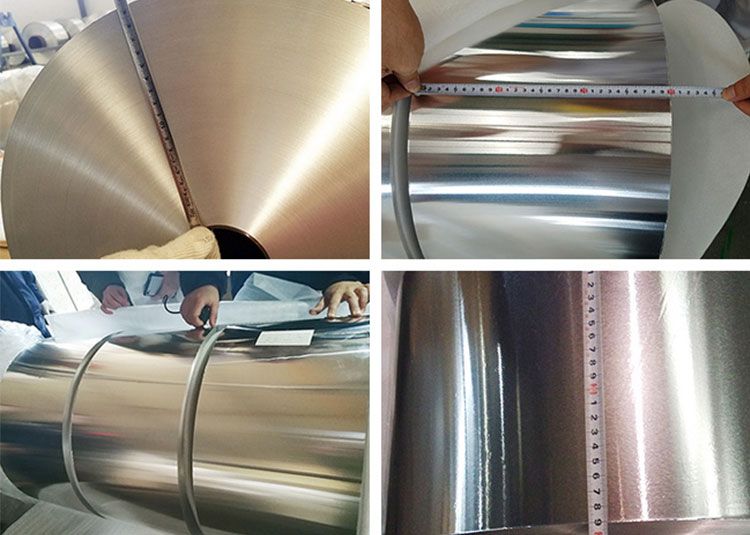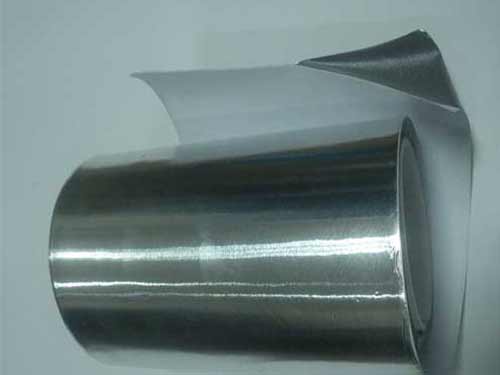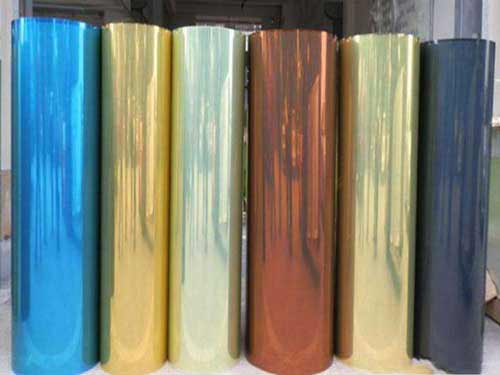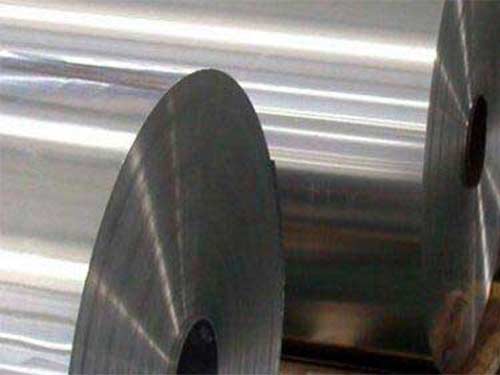

Medical sterilization packaging is not "just a barrier"-it is a functional material system that must survive sterilization cycles, protect the device, open cleanly, and remain compliant from production to the operating room. 8011 and 1235 medical sterilization packaging aluminum foil is engineered for this job: it combines high barrier performance, excellent converting behavior, and process stability for structures such as paper/foil/paper, Tyvek®/foil/film, and PET/foil/PE laminates used in pouch lids, blister lidding, and form-fill-seal medical packs.
1) Why 8011 & 1235 Foil for Medical Sterilization Packaging?
Both alloys are widely adopted in medical packaging because they deliver consistent performance in thin gauges and demanding converting processes:
- Alloy 8011: A packaging-focused Al-Fe-Si alloy with good strength, excellent formability, and stable behavior in lamination/printing.
- Alloy 1235: High-purity aluminum (nominally ≥99.35% Al) valued for excellent barrier performance, high reflectivity, and very good ductility.
In practice:
- 1235 is often chosen when maximum barrier and softness are priorities.
- 8011 is often chosen when higher mechanical robustness and process latitude are needed (e.g., high-speed lidding, tighter handling conditions).
2) Features & Benefits (Customer-Facing Value)
Core Performance Advantages
- Near-zero transmission barrier to water vapor, oxygen, light, and odors when pinhole control is managed properly-critical for maintaining sterile barrier integrity and device shelf life.
- Sterilization compatibility with common methods (dependent on complete laminate design):
ETO (ethylene oxide), steam/autoclave, gamma irradiation (note: adhesive/film selection matters). - Excellent heat stability for converting steps such as drying ovens, adhesive curing, and controlled heat sealing (via lacquer/PE layer in the laminate).
- High converting efficiency: good flatness, stable temper, clean surface for consistent lamination, printing, and coating adhesion.
- Reliable opening behavior when paired with the right sealant (peelable or welded), enabling controlled peel without fiber tear or delamination.
3) Typical Applications in Medical Packaging
| Application | Typical Structure (Example) | What the Foil Contributes |
|---|---|---|
| Sterilization pouch lidding | Paper / Foil / Paper | Barrier + stiffness balance + printability |
| Medical device pouches | Tyvek® / Foil / PE | Barrier + puncture resistance + sealing support |
| Blister lidding foil | PET / Foil / Heat-seal lacquer | Barrier + lidding strength + clean peel options |
| Diagnostic kit sachets | PET / Foil / PE | Moisture/oxygen barrier + aroma protection |
| Hospital CSSD wraps (special designs) | Multilayer laminates | Sterilization cycle resistance + barrier |
Note: In medical packaging, the laminate system (foil + adhesive + film/paper + coating/lacquer) determines final sterilization and seal performance. The foil is the critical barrier layer and mechanical backbone.
4) Chemical Composition (Typical Reference Ranges)
8011 Aluminum Foil (Typical)
| Element | Si | Fe | Cu | Mn | Mg | Zn | Ti | Al |
|---|---|---|---|---|---|---|---|---|
| wt.% | 0.50–0.90 | 0.60–1.00 | ≤0.10 | ≤0.20 | ≤0.05 | ≤0.10 | ≤0.08 | Balance |
1235 Aluminum Foil (Typical)
| Element | Si | Fe | Cu | Mn | Mg | Zn | Ti | Al |
|---|---|---|---|---|---|---|---|---|
| wt.% | ≤0.10 | ≤0.65 | ≤0.05 | ≤0.05 | ≤0.05 | ≤0.10 | ≤0.06 | ≥99.35 |
5) Technical Specifications (Common Supply Range)
| Item | Typical Range / Option |
|---|---|
| Alloy | 8011 / 1235 |
| Temper | O (soft) / H18 (hard, when required by process) |
| Thickness | 0.006–0.060 mm (common medical: 0.020–0.040 mm) |
| Width | 100–1600 mm (slit to customer requirement) |
| ID (core) | 76 mm / 152 mm (typical) |
| Surface finish | Bright / matte (single or double-sided as specified) |
| Surface cleanliness | Suitable for lamination/coating/printing (controlled residual oils) |
| Pinholes | Controlled by gauge and inspection method; stricter levels available for medical barrier laminates |
| Packaging | Moisture-proof export packing, edge protection, batch traceability |
6) Mechanical & Physical Performance (Typical Guidance)
Values depend on thickness, temper, rolling practice, and customer specifications. The table below shows typical trends used in packaging design.
| Property | 1235-O (Soft) | 8011-O (Soft) | Why It Matters in Sterilization Packs |
|---|---|---|---|
| Tensile strength (MPa) | ~45–95 | ~60–110 | Web handling, lidding integrity |
| Elongation (%) | Typically higher | High | Resistance to cracking during converting |
| Puncture resistance | Good | Very good | Protection from device corners/edges |
| Formability | Excellent | Excellent | Folding, pouch forming, die cutting |
| Barrier | Excellent | Excellent | Shelf-life protection |
| Thermal conductivity | High | High | Helps uniform heat distribution in sealing/processing |
7) Product Engineering for Medical Packaging: What We Control
Surface Quality & Adhesion Readiness
Medical laminates demand stable bonding-whether you use solvent-based, solvent-free, or water-based adhesive systems. We focus on:
- Low and consistent surface oil to reduce bonding variability.
- Uniform roughness/finish for predictable adhesive wet-out.
- Clean, defect-controlled surfaces to reduce risk of channel leaks.
Thickness & Flatness Control
High-speed coating/lamination and slitting require:
- Tight gauge control to minimize barrier weak points.
- Good flatness to reduce wrinkles and edge curl, which can cause sealing defects.
Pinhole Management
Pinhole risk increases as thickness decreases. For medical packs, we recommend:
- Selecting gauge appropriate to risk profile (device geometry, distribution stress).
- Using pinhole-inspected foil for critical barrier applications.
- Designing laminates with redundant barriers when needed (e.g., PET/foil/PE vs. single-layer solutions).
8) Benefits in Real Use Cases
| Customer Goal | How 8011/1235 Foil Helps |
|---|---|
| Longer shelf life | Excellent barrier prevents moisture/oxygen ingress and aroma contamination |
| Reliable sterile barrier | Supports validated packaging performance when paired with correct laminate and seal design |
| Faster converting, lower scrap | Stable mechanical behavior improves running on laminators, coaters, slitters |
| Clear printing & branding | Smooth surface supports high-quality printing and consistent appearance |
| Reduced complaint risk | Controlled surface cleanliness + pinhole control improves sealing consistency and pack integrity |
9) Recommended Selection Guide (Quick)
| Requirement | Recommended Alloy | Notes |
|---|---|---|
| Maximum softness/ductility, high purity | 1235 | Ideal for very thin gauges and high barrier focus |
| Higher robustness for handling and processing | 8011 | Good choice for lidding/laminates needing stronger foil backbone |
| High-speed lamination + stable yield | 8011 or 1235 | Final decision depends on laminate design and thickness |
| Extremely thin foil (risk-managed) | 1235 | Ensure enhanced pinhole inspection and process control |
10) What to Specify When Ordering
To ensure the foil performs correctly in your sterilization packaging line, specify:
| Parameter | What to Provide |
|---|---|
| End use | Lidding foil, pouch laminate, blister, sachet, etc. |
| Sterilization method | ETO / steam / gamma (and cycle conditions if available) |
| Structure | Paper/foil/paper, PET/foil/PE, Tyvek®/foil/PE, etc. |
| Thickness & temper | e.g., 0.030 mm, O temper |
| Surface requirement | One side matte/bright; coating/printing side defined |
| Quality level | Pinhole requirement, cleanliness level, splice rules |
| Dimensions | Width, tolerance, ID/OD limits, roll weight |