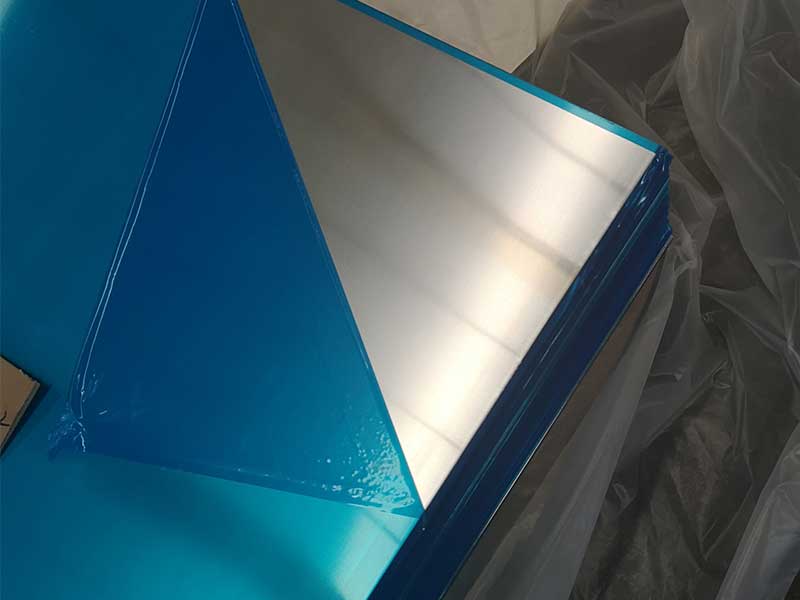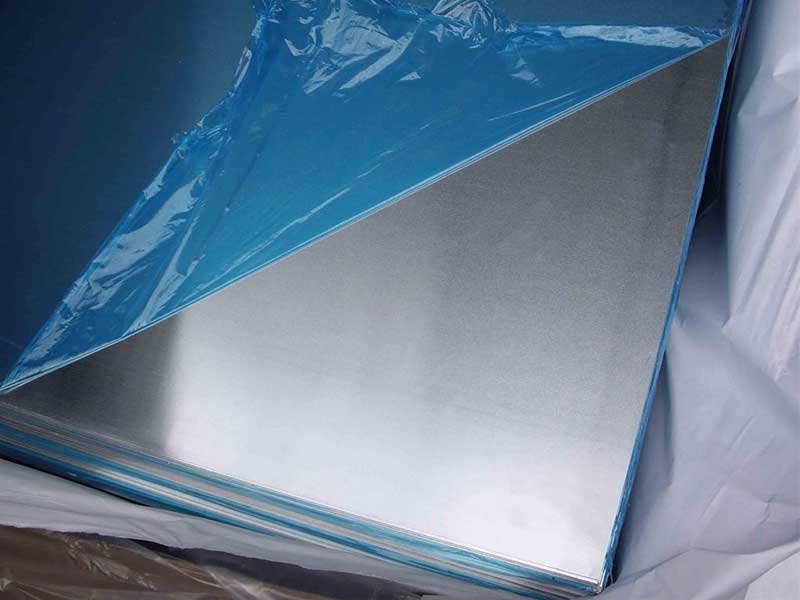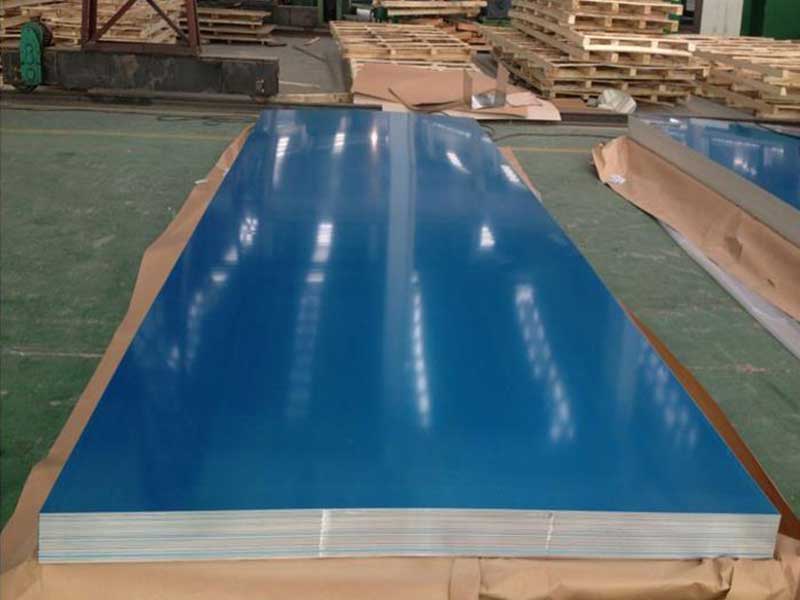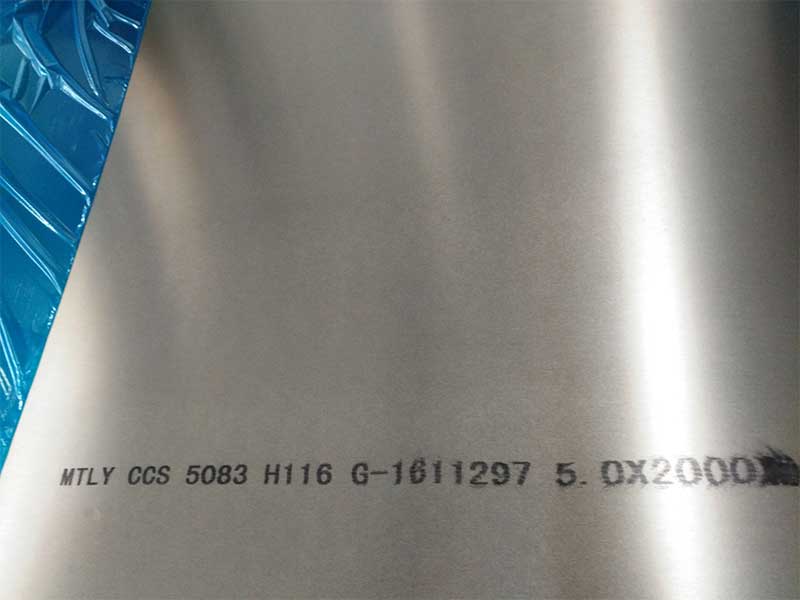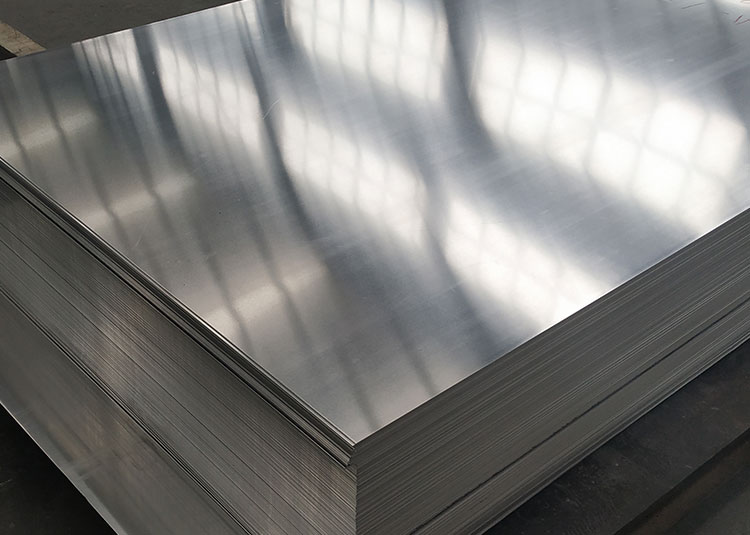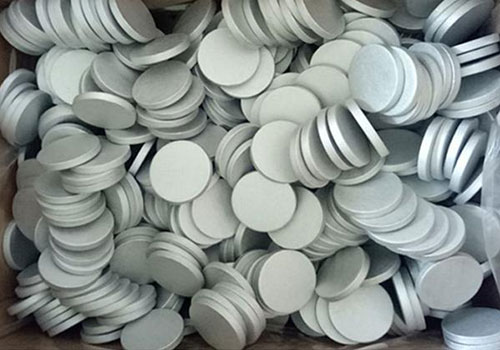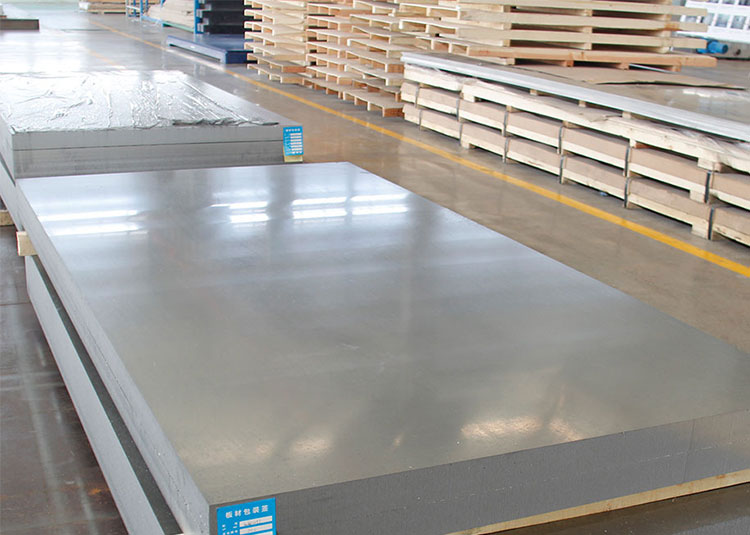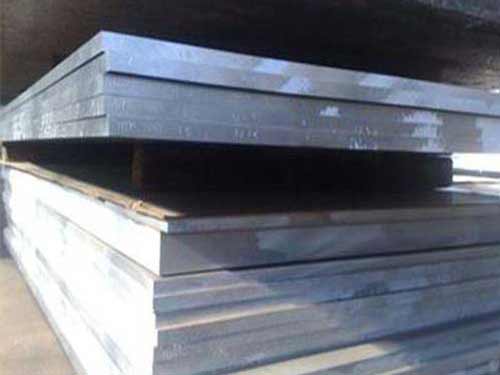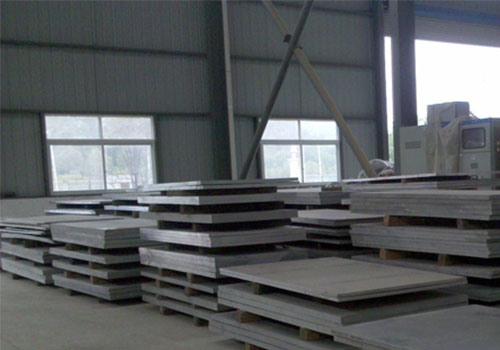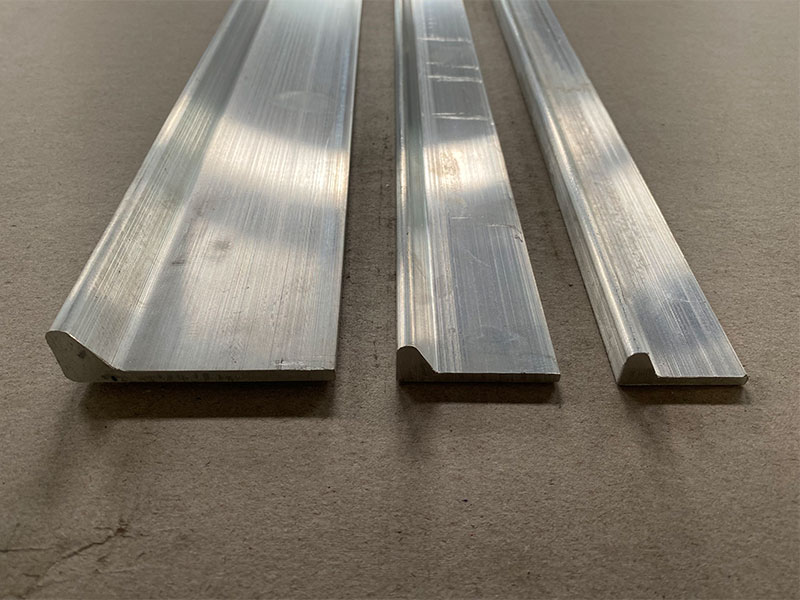

This product category is commonly specified in equipment cladding, machine guarding, chemical environments, cleanable wall systems, transport interiors, HVAC and insulation assemblies, and electrical/electronic protective panels-anywhere a durable "hybrid surface" is needed.
What it is made of
The product is typically built from:
- Aluminium plate as the structural backbone (commonly 1xxx, 3xxx, 5xxx, 6xxx series)
- Plastic sheet as the functional skin (commonly PE, PP, PVC, PET, PVDF, or ABS)
- Adhesive or tie-layer (thermal bonding film, pressure-sensitive adhesive, or reactive adhesive depending on service requirements)
- Optional surface coatings (anti-scratch, anti-graffiti, UV topcoat, antimicrobial, matte or gloss finishes)
The plastic layer may be chosen for electrical insulation, chemical resistance, cleanability, low friction, color, or impact tolerance, while aluminium provides stiffness, flatness, and load-bearing capacity.
features customers care about
| Feature | What it means in practice | Customer benefit |
|---|---|---|
| High stiffness-to-weight | Aluminium core supports the panel without excessive thickness | Lighter assemblies, easier handling, lower shipping and installation cost |
| Corrosion management | Aluminium offers natural oxide protection; plastics provide an additional barrier | Longer service life in humid, saline, or mildly aggressive environments |
| Electrical insulation option | Plastic layer breaks conductivity on the surface | Safer touch surfaces, easier compliance in electrical enclosures |
| Hygienic, easy-clean surface | Many plastics resist stains and allow wipe-down cleaning | Suitable for labs, food-adjacent areas, clean rooms, medical corridors |
| Improved scratch resistance | Plastic skin can be selected for toughness and replaced more easily | Better appearance retention in public-facing and high-traffic areas |
| Chemical compatibility tuning | Plastic selection can target acids/alkalis/solvents better than bare metal | More reliable use around process chemicals and cleaners |
| Forming and fabrication flexibility | Aluminium can be cut, drilled, bent; plastic can be thermoformed or machined | Faster prototyping and custom panel fabrication |
| Thermal behavior control | Aluminium spreads heat; plastic reduces surface temperature and improves touch safety | Balanced performance near heat sources without "hot metal touch" |
Typical aluminium grades used
Selection depends on forming, corrosion environment, and strength requirements.
| Alloy series | Representative alloys | Typical reasons to choose |
|---|---|---|
| 1xxx | 1050, 1060, 1100 | Highest corrosion resistance, excellent formability, good conductivity, cost-effective |
| 3xxx | 3003, 3105 | Good formability and corrosion resistance, better strength than 1xxx |
| 5xxx | 5052, 5083 | Stronger, excellent marine corrosion resistance, good weldability |
| 6xxx | 6061, 6063 | Good strength, machinability; widely used in structural and frame-supported panels |
Chemical composition (typical aluminium plate)
Actual chemistry varies by standard and supplier heat; the table below is a practical reference for common choices used in laminated panels.
| Alloy | Si (%) | Fe (%) | Cu (%) | Mn (%) | Mg (%) | Zn (%) | Cr (%) | Al (%) |
|---|---|---|---|---|---|---|---|---|
| 1050 | ≤0.25 | ≤0.40 | ≤0.05 | ≤0.05 | ≤0.05 | ≤0.05 | - | ≥99.5 |
| 3003 | ≤0.60 | ≤0.70 | 0.05–0.20 | 1.0–1.5 | - | ≤0.10 | - | Bal. |
| 5052 | ≤0.25 | ≤0.40 | ≤0.10 | ≤0.10 | 2.2–2.8 | ≤0.10 | 0.15–0.35 | Bal. |
| 6061 | 0.4–0.8 | ≤0.70 | 0.15–0.40 | ≤0.15 | 0.8–1.2 | ≤0.25 | 0.04–0.35 | Bal. |
Common plastic sheet options
Plastic selection defines surface behavior more than customers expect. The same aluminium plate can become "chemical-grade," "decorative," or "electrically safe" depending on the polymer.
| Plastic type | Strengths | Notes for selection |
|---|---|---|
| PE (HDPE/LDPE) | Chemical resistance, low moisture uptake, low friction | Limited high-temperature performance; great for process areas and liners |
| PP | Good chemical resistance, higher temperature than PE | Good for wet/chemical spaces; can be more rigid than PE |
| PVC (rigid/flexible) | Flame retardant grades available, good chemical resistance | Confirm plasticizer choice for long-term stability and odor requirements |
| PET | Good hardness, dimensional stability | Often used when scratch resistance and stiffness matter |
| PVDF | Outstanding UV and chemical resistance | Premium choice for outdoor chemical environments and architectural cladding |
| ABS | Good impact resistance, easy machining | Popular for equipment covers and transport interiors |
Technical specifications (typical supply range)
Values below reflect common industry supply; custom builds are available depending on bonding method, thickness, and finish.
| Parameter | Typical range | Notes |
|---|---|---|
| Aluminium plate thickness | 0.8–6.0 mm | Thicker plates for load-bearing panels and machine guards |
| Plastic layer thickness | 0.2–3.0 mm | Thicker plastic for impact resistance and deeper texture |
| Total panel thickness | 1.0–9.0 mm | Driven by stiffness target and service abuse |
| Sheet size | 1000×2000 mm to 1500×3000 mm | Custom cutting and nesting supported |
| Flatness | High, controlled by plate grade and lamination process | Specify flatness for CNC routing and door panels |
| Bonding type | Thermal film / reactive adhesive / PSA | Choose by temperature, humidity, and chemical exposure |
| Surface finish | Matte, gloss, textured, anti-scratch | Visual and cleanability requirements |
| Operating temperature (guidance) | -20 to 80°C (typical) | Depends strongly on polymer and adhesive system |
Performance highlights (practical numerical guidance)
Because this is a hybrid product, performance is best understood as "system behavior" rather than a single-material datasheet.
| Property | Typical effect in aluminium + plastic laminate | What to check on inquiry |
|---|---|---|
| Impact resistance | Higher than bare aluminium surface; plastic absorbs knocks | Plastic type, thickness, and hardness |
| Surface electrical behavior | Can be insulating at the touch surface | Volume resistivity and dielectric strength of the polymer |
| Chemical exposure | Plastic layer shields aluminium from many cleaners and splashes | Chemical list, concentration, temperature, exposure time |
| UV/weathering | PVDF/PET grades perform well outdoors | UV stabilization, color fastness, chalking |
| Fire behavior | Depends on polymer; some PVC and special FR grades perform better | Required standard and rating, smoke/toxicity constraints |
| Cleanability | Non-porous, wipe-clean surface | Desired texture, anti-fingerprint, anti-graffiti need |
Applications that benefit most
Equipment panels and machine guarding
In factories, aluminium plate plastic sheet is used for guard panels, access doors, and protective covers. Aluminium maintains rigidity, while the plastic face reduces cosmetic damage and can provide a safer, less conductive touch surface. It also helps when operators frequently clean equipment with detergents.
Chemical processing environments
Many plants need panels that survive mild chemical splashes, washdowns, and humid atmospheres. With the right polymer, the plastic layer acts as a barrier to protect the aluminium plate from staining, pitting initiation sites, and aggressive cleaning regimes.
Electrical enclosures and insulated surfaces
Where a conductive metal surface is undesirable, the plastic layer supports touch safety and insulation design, while the aluminium plate provides the stiffness needed for cabinet doors, mounting boards, and partition panels. This is especially useful for control boxes, instrument housings, and protected partitioning.
Transportation interiors and industrial vehicles
For buses, rail interiors, work vehicles, and marine-adjacent equipment, the hybrid structure offers durability at low weight. Plastic skins can be selected for abrasion resistance and aesthetics, while aluminium reduces mass and improves handling during assembly.
Hygienic wall cladding and cleanable partitions
In labs, clinics, and food-adjacent corridors, customers value wipe-clean surfaces that remain stable and do not corrode. Properly specified plastic skins can deliver stain resistance and repeated-cleaning durability without sacrificing panel stiffness.
HVAC, insulation assemblies, and protective liners
In ducting surrounds, insulation jacketing, and protective liners, aluminium provides dimensional stability, while the plastic layer can help with condensation management, surface friendliness, and chemical resistance to cleaning agents.
Fabrication and joining guidance
| Process | Suitability | Practical notes |
|---|---|---|
| Cutting (shear/saw/laser/CNC) | Excellent | Confirm whether plastic needs masking film to prevent burr drag |
| Drilling and routing | Excellent | Use sharp tooling; manage chip evacuation to protect the plastic face |
| Bending/forming | Good | Minimum bend radius depends on aluminium temper and laminate structure |
| Welding | Limited | Welding aluminium typically destroys nearby plastic; plan mechanical joints |
| Riveting/bolting | Excellent | Use washers or isolation hardware where needed |
| Adhesive mounting | Excellent | Surface prep depends on polymer; consider primers for low-energy plastics like PE/PP |
How to specify the right product quickly
| What you should provide | Why it matters |
|---|---|
| Service environment (indoor/outdoor, UV, humidity, salt) | Drives alloy and polymer stability choices |
| Chemical contact list | Determines polymer compatibility and adhesive selection |
| Temperature range and heat sources | Protects against delamination, warping, softening |
| Required thickness and stiffness | Defines aluminium plate thickness and overall build |
| Surface needs (color, texture, cleanability, anti-scratch) | Determines polymer type and topcoat options |
| Fabrication plan (bending, routing, fasteners) | Ensures laminate structure and tolerances match processing |
An aluminium plate plastic sheet is a practical, high-value solution when you need the structure of aluminium and the surface functionality of plastics in one product. By selecting the right alloy, polymer, and bonding system, customers gain a panel that is lightweight, durable, cleanable, and adaptable across industrial equipment, chemical environments, electrical protection, transport interiors, and hygienic installations.