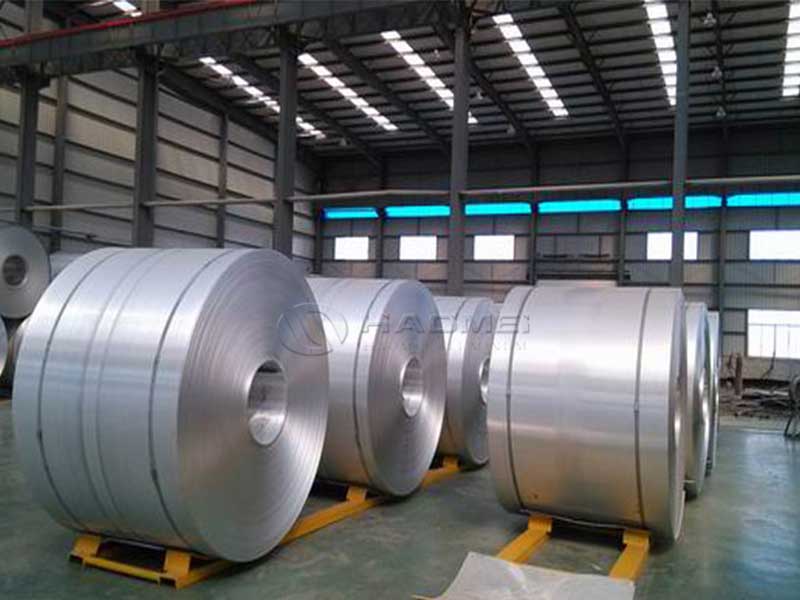
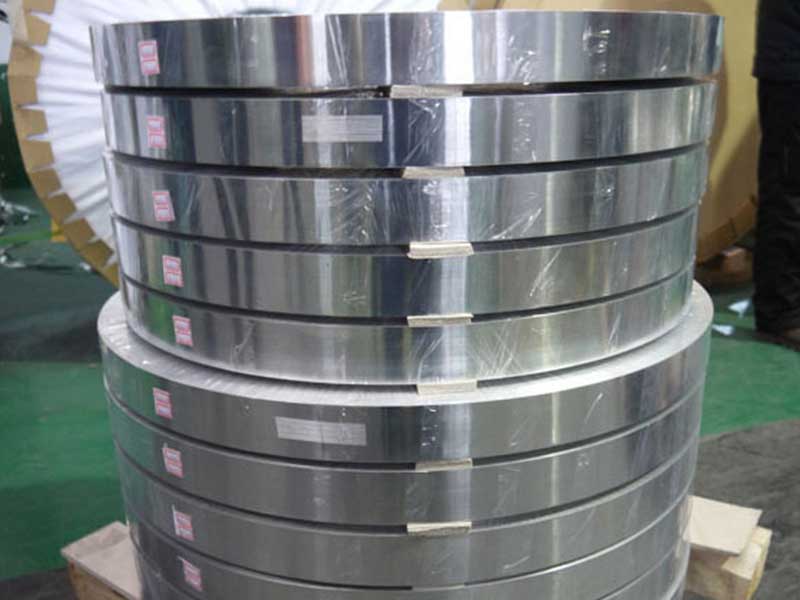
Printed aluminum foil paper is a high-performance, design-forward packaging material that combines the barrier power of aluminum foil with the printability and handling advantages of paper. It is widely used for food, beverage, pharmaceutical, personal care, and household packaging where brand impact, freshness protection, and reliable converting performance matter.
By laminating aluminum foil to paper (often with a thin polymer or adhesive tie layer), this structure delivers excellent light and oxygen resistance, improved stiffness, and a premium "crisp" feel-while supporting high-definition graphics, metallic effects, and protective topcoats for scuff resistance.
What makes printed aluminum foil paper different
Printed aluminum foil paper is not just "paper with foil." It is an engineered laminate designed to balance three goals: barrier protection, visual branding, and machine efficiency.
| Layer/Component | Typical material options | What it contributes | Common notes |
|---|
| Print/Topcoat layer | Water-based or solvent-based inks, UV inks, OPV/overprint varnish | Color, branding, abrasion resistance, gloss/matte control | Reverse printing is common when a film layer is present; direct printing often uses primer |
| Paper carrier | White kraft, bleached paper, glassine, specialty coated paper | Stiffness, foldability, tactile feel, converting stability | Paper selection strongly affects "dead-fold" and tear behavior |
| Lamination adhesive / tie | PU, acrylic, water-based adhesive | Bond strength, heat resistance, delamination prevention | Must be chosen for end-use temperature and migration compliance |
| Aluminum foil | 6–30 μm typical | Light/oxygen barrier, aroma retention, metallic appearance | Alloy/temper impacts pinholes and formability |
| Optional sealant layer | PE, PP, PET, heat-seal lacquer | Heat sealing, chemical resistance, moisture sealing | Used for lidding, wrappers, sachets, inner liners |
features and customer benefits
| Feature | Why it matters in packaging | Typical customer benefit |
|---|
| Excellent barrier to light and gases | Protects flavors, fragrances, actives, and color-sensitive products | Longer shelf life, reduced odor transfer, premium product integrity |
| Strong visual impact | Foil enables metallic shine, crisp whites (with proper priming), and vibrant colors | Stand-out branding and "premium" shelf presence |
| Good stiffness and "crisp hand feel" | Paper adds body and fold performance | Easy wrapping, attractive folds, improved perceived quality |
| Dead-fold performance (foil-driven) | Foil holds shape after folding | Better wrap retention for confectionery and butter wraps |
| High-speed converting compatibility | Designed for printing, laminating, slitting, die-cutting | Less downtime and more consistent production |
| Customizable surface properties | Gloss, matte, soft-touch, anti-scuff | Better handling, fewer rub marks, improved pack aesthetics |
| Food-contact and regulatory-ready options | Ink/adhesive systems can be selected for compliance | Easier qualification for food/pharma supply chains |
Typical applications
| Application area | Example packs | Why printed foil paper is chosen |
|---|
| Confectionery | Chocolate wraps, candy twists, bar wraps | Dead-fold, high gloss, aroma protection, premium look |
| Dairy & fats | Butter/margarine wraps, cheese overwrap | Light barrier, grease resistance (with coatings), fold retention |
| Coffee & tea | Inner wraps, aroma liners, secondary wraps | Aroma and oxygen protection, brand differentiation |
| Pharmaceuticals & nutraceuticals | Sachet wraps, overwraps, light-protection liners | Light barrier, cleanliness, print traceability |
| Personal care | Soap wraps, cosmetic overwraps | Scuff-resistant branding, premium appearance |
| Household | Overwraps, protective liners | Toughness, barrier, print durability |
Material options and recommended foil alloys
Foil choice is central to performance. Most printed aluminum foil paper uses common packaging alloys known for formability and surface quality.
Typical alloy and temper options
| Alloy | Common temper | General characteristics | Typical use in printed foil paper |
|---|
| 8011 | O (soft) / H18 (hard) | Excellent formability (O), good strength (H18), widely used for packaging | General-purpose laminates, wraps, lidding stock structures (with additional layers) |
| 1235 | O | Very high purity, good ductility, good surface | Confectionery wraps, inner liners |
| 8079 | O | Higher strength than 1235 with good formability, good pinhole resistance | Thin-gauge high-barrier laminates |
Chemical composition (typical reference ranges)
Actual limits depend on the specific standard (EN/ASTM/GB) and supplier qualification. The table below summarizes commonly referenced composition ranges for packaging foil alloys.
| Alloy | Al (min) | Si (%) | Fe (%) | Cu (%) | Mn (%) | Mg (%) | Zn (%) | Ti (%) |
|---|
| 1235 | 99.35 | ≤0.65 | ≤0.65 | ≤0.05 | ≤0.05 | ≤0.05 | ≤0.10 | ≤0.06 |
| 8011 | balance | 0.50–0.90 | 0.60–1.00 | ≤0.10 | ≤0.20 | ≤0.05 | ≤0.10 | ≤0.08 |
| 8079 | balance | ≤0.30 | 0.70–1.30 | ≤0.05 | ≤0.10 | ≤0.05 | ≤0.10 | ≤0.08 |
Technical specifications (typical supply range)
Printed aluminum foil paper is usually specified by total laminate structure, foil gauge, paper GSM, bond strength, and surface performance (rub/scuff, gloss, COF). Below is a practical specification set commonly used for customer approvals.
| Parameter | Typical range | Test/Notes |
|---|
| Foil thickness | 6–30 μm | Thinner gauges improve cost and flexibility; thicker improves dead-fold and robustness |
| Paper basis weight | 30–80 g/m² | Higher GSM increases stiffness and premium feel |
| Total laminate thickness | 50–150 μm (structure dependent) | Depends on paper caliper and optional seal layer |
| Width | 200–1200 mm | Custom slitting available |
| Core ID | 76 mm or 152 mm | Matching customer unwind systems |
| Splice allowance | As agreed | For continuous printing/laminating lines |
| Surface finish | Bright / matte / embossed | Matte reduces glare; embossing improves tactile feel |
| Print method compatibility | Flexo / gravure / offset (case-dependent) | Primer/topcoat selection is critical for ink anchorage |
| Bond strength (peel) | ≥1.5–3.0 N/15 mm typical | Depends on adhesive system and curing conditions |
| Heat resistance | Up to ~80–200°C (structure dependent) | Determined by adhesive, ink, and sealant selection |
| Pinhole control | Customer-defined | Thin foil requires tighter process control and inspection |
Printing and converting performance
| Performance topic | What to look for | What we control in production |
|---|
| Ink adhesion and rub resistance | Clean graphics after transport and cartoning | Surface treatment/primer, ink system match, OPV selection |
| Color consistency | Stable brand color across lots | Tight incoming foil/paper QC, viscosity control, spectrophotometer tracking |
| Curl control | Flatness during wrapping and packing | Balanced laminate design, adhesive coatweight control, conditioning |
| Die-cut and fold behavior | No cracking or delamination at creases | Proper temper selection, optimized paper caliper, adequate adhesive curing |
| Food-safe printing | Low odor/low migration | Compliant ink/adhesive selection, controlled curing, clean-room practices as needed |
Quality assurance checkpoints customers care about
| Checkpoint | Why it matters | Typical inspection approach |
|---|
| Visual defects | Pinholes, streaks, scratches, ink voids | 100% surface inspection (camera) or sampling AQL |
| Dimensional stability | Accurate registration and cutting | Caliper/GSM checks, humidity conditioning |
| Lamination integrity | Avoids delamination during wrapping | Peel tests, aging tests, heat exposure tests |
| Odor and taint | Especially critical for chocolate/tea | Sensory evaluation and compliant chemistry |
| Traceability | Fast root-cause analysis | Roll IDs, batch records, incoming/outgoing QC logs |
How to specify printed aluminum foil paper (quick RFQ guide)
| Item to define | Example choices |
|---|
| End use | Chocolate wrap, butter wrap, soap overwrap |
| Structure | Paper/adhesive/Al foil, or printed paper/foil + heat-seal lacquer |
| Foil alloy & temper | 8011-O, 1235-O, 8079-O |
| Foil thickness | 9 μm, 12 μm, 18 μm |
| Paper GSM and type | 40 g/m² white kraft, 60 g/m² coated paper |
| Surface | Gloss or matte, embossing required or not |
| Printing | Number of colors, spot metallic, varnish type, registration tolerance |
| Roll format | Width, OD limit, core ID, winding direction |
| Compliance needs | Food contact, low migration, pharma documentation |
Printed aluminum foil paper for packaging is a premium laminated material that pairs aluminum foil's high barrier protection with paper's stiffness and excellent print surface. It is ideal for confectionery wraps, butter and dairy packaging, coffee and tea liners, personal care wraps, and pharmaceutical overwraps where freshness, light protection, and strong branding are required. Available with common foil alloys such as 8011, 1235, and 8079 in soft tempers, it supports flexographic or gravure printing, custom finishes (gloss, matte, embossing), and reliable converting performance. With configurable foil thickness, paper GSM, coatings, and compliant ink/adhesive systems, printed aluminum foil paper delivers shelf appeal, product protection, and production efficiency in one versatile packaging solution.