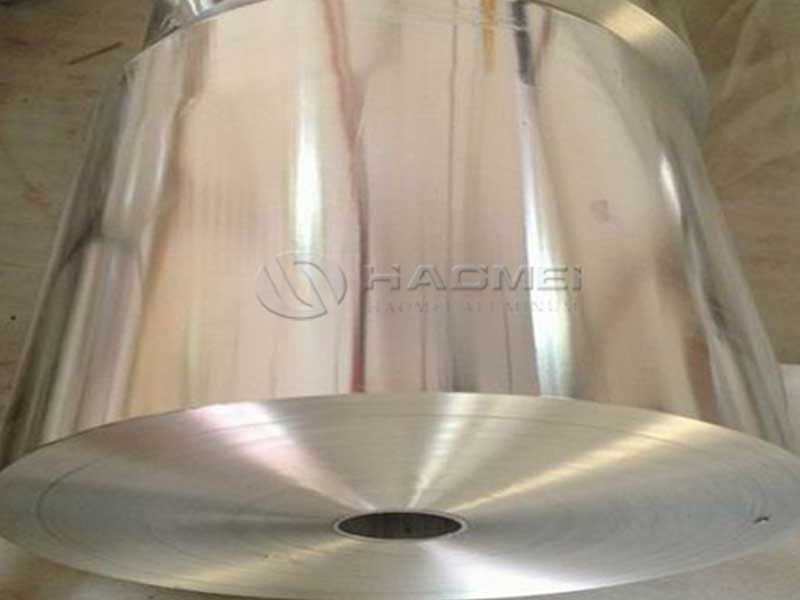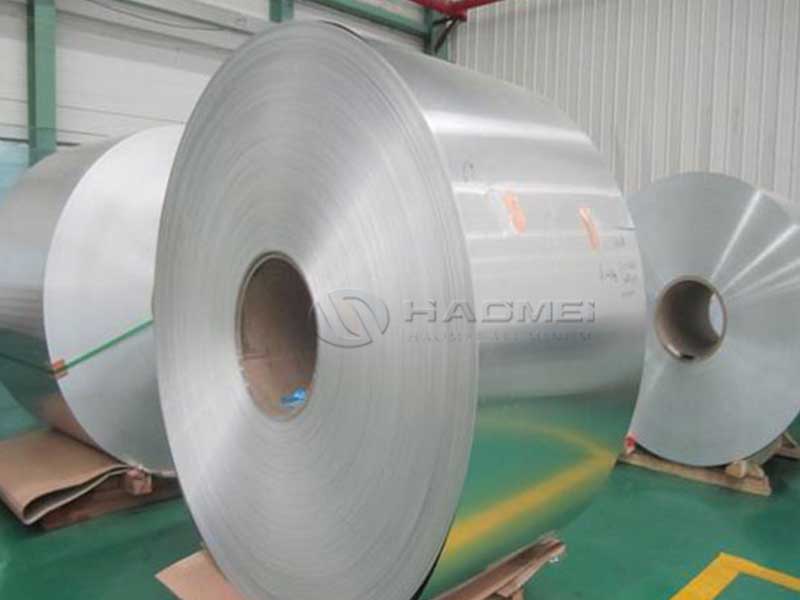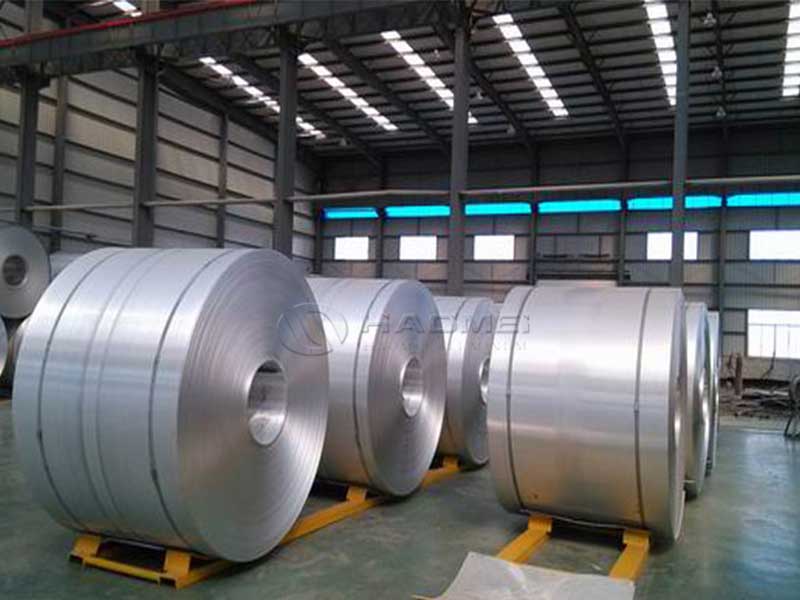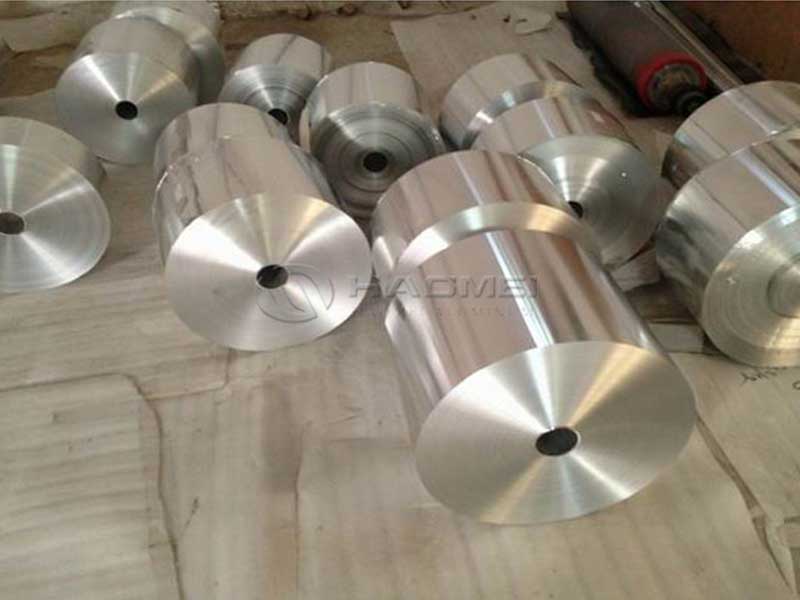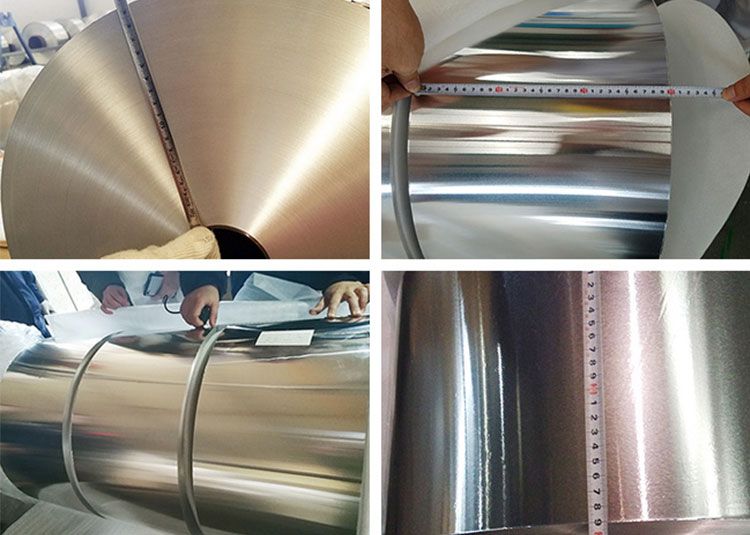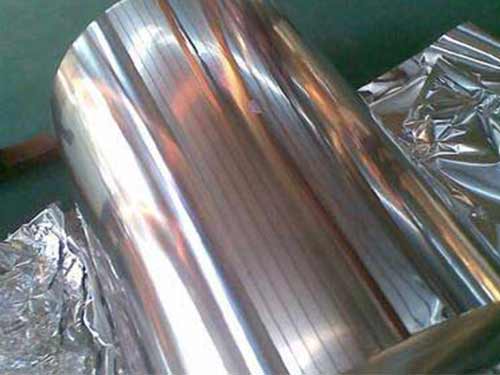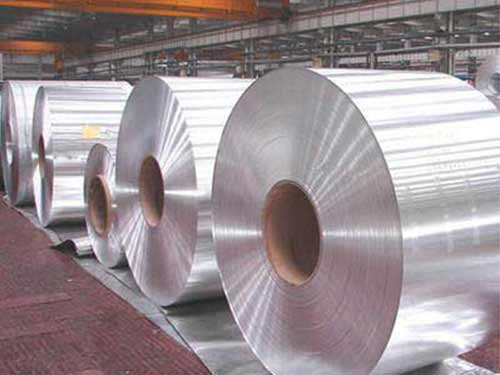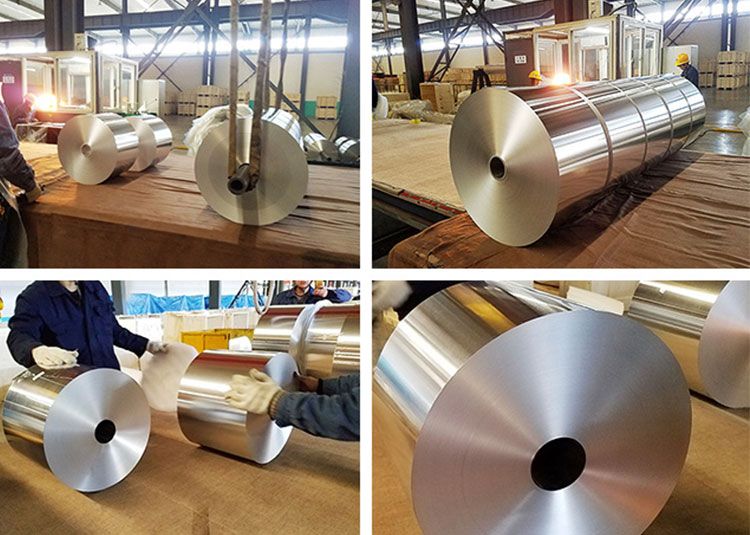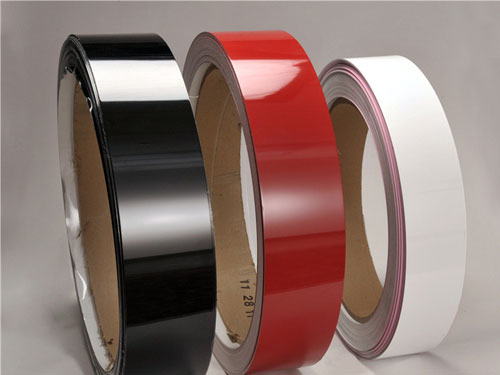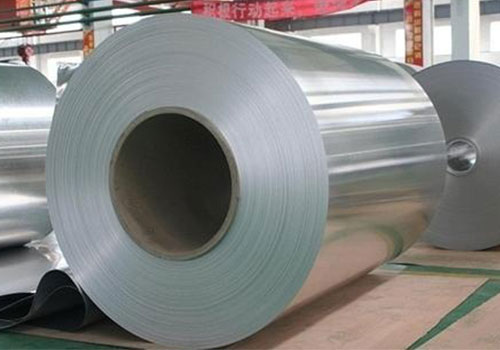

Aluminium foil for pharmaceutical packaging is a product where tiny details determine real-world performance: pinhole resistance, dead-fold, barrier integrity, seal reliability, and cleanliness all matter at micron-scale. Alloy 8079 pharmaceutical foil in the 0.008–0.08 mm thickness range is engineered to deliver dependable protection for medicines while running smoothly on high-speed converting and packing lines. It is widely selected for blister lidding foil, strip pack foil, sachet laminates, and other barrier structures that must preserve potency, extend shelf life, and support regulatory expectations.
Why Alloy 8079 for Pharmaceutical Foil
Alloy 8079 is an aluminum foil alloy optimized for packaging, balancing strength, formability, and barrier performance. Compared with softer, very high-purity foils, 8079 provides enhanced mechanical robustness, helping reduce breaks and pinholes during printing, coating, lamination, slitting, and packing. At the same time, it maintains the core advantage of aluminum foil: an excellent barrier to light, moisture, gases, and odors.
Customer-visible value
- Strong barrier protection for sensitive drugs and nutraceuticals
- Reliable runnability on high-speed blister and strip lines
- Consistent appearance and surface quality for printing and coating
- Wide thickness coverage for both lidding and strip/sachet laminate layers
Chemical Composition (Typical)
Alloy 8079 belongs to the Al-Fe-Si family. Minor alloying improves strength and processing stability while maintaining foil workability.
| Element | Typical Range (wt.%) | Role in Foil Performance |
|---|---|---|
| Al | Balance | Base metal providing barrier and corrosion resistance |
| Fe | 0.7–1.3 | Strengthening, improves resistance to tearing and handling damage |
| Si | 0.5–0.9 | Supports strength and process stability in rolling |
| Cu | ≤0.10 | Controlled to limit corrosion risk and maintain cleanliness |
| Mn | ≤0.10 | Grain structure control (kept low for foil formability) |
| Mg | ≤0.10 | Usually low; helps maintain stable rolling and surface quality |
| Zn | ≤0.10 | Controlled impurity |
| Ti | ≤0.05 | Grain refinement (trace) |
| Others (each) | ≤0.05 | Controlled trace elements |
| Others (total) | ≤0.15 | Total controlled impurities |
Note: Exact limits may vary by standard and customer agreement. For pharmaceutical use, composition control supports stable mechanical properties and consistent surface behavior during coating/sealing.
Thickness Range and Where It Fits
The 0.008–0.08 mm range covers the majority of pharma foil structures:
| Thickness (mm) | Common Use | Typical Structure Context |
|---|---|---|
| 0.008–0.020 | Light gauge laminations | Sachet laminates, inner barrier layers, specialty wraps |
| 0.020–0.030 | Blister lidding foil (common) | Printed + primer + heat seal lacquer on aluminum |
| 0.030–0.060 | Strip pack foil | Often used as two foils heat-sealed together around tablets |
| 0.060–0.080 | Heavy-duty barrier and specialty packs | High mechanical demand, niche industrial-medical packs |
Selecting the right gauge is typically driven by pack type, forming/sealing method, line speed, and required puncture resistance.
Technical Specifications (Typical Product Offering)
This table reflects typical supply conditions for pharmaceutical-grade 8079 foil. Final values are set per order and applicable standards.
| Item | Typical Options / Range | Customer Benefit |
|---|---|---|
| Alloy | 8079 | Stronger foil for demanding converting and packing |
| Thickness | 0.008–0.08 mm | Broad coverage for lidding, strip, laminates |
| Temper | O, H14, H16, H18 (as agreed) | Tailored dead-fold and strength balance |
| Width | Custom (commonly 100–1400 mm) | Fits coating/lamination and slitting requirements |
| Inside diameter (ID) | 76 mm / 152 mm (common) | Compatibility with standard unwind shafts |
| Surface finish | Bright/matte, single or double side (as specified) | Optimized coating adhesion and print appearance |
| Core & splicing | Customer specified | Stable unwinding and low waste |
| Edge condition | Slit, smooth, burr-controlled | Reduces web breaks and contamination risk |
| Cleanliness | Controlled for pharma packaging | Supports coating quality and seal integrity |
Performance Features
Barrier integrity that protects potency
Aluminium foil is essentially an absolute barrier when intact. For medicines sensitive to oxygen, moisture, UV, or odor transfer, foil is the go-to layer. Alloy 8079 improves the chances of maintaining that barrier through converting, because better strength translates to fewer micro-defects created by handling and tension.
High pinhole resistance in thin gauges
Pinhole risk rises as thickness decreases. Alloy 8079 is chosen frequently for thin pharmaceutical foils because its composition and rolling behavior support better pinhole performance and robust web handling, especially important for blister lidding and laminate structures.
Excellent dead-fold and pack appearance
Foil must crease cleanly and stay folded without spring-back. Properly processed 8079 provides reliable dead-fold, supporting strip packs, sachets, and secondary wraps where neat folding and tight packing are required.
Coating, printing, and sealing compatibility
Pharma foil is rarely "bare." It is often printed, primed, and heat-seal coated to bond with PVC/PVDC, cold-form Alu-Alu structures, or other substrates. Consistent surface condition enables:
- uniform primer anchorage
- stable ink adhesion and color consistency
- predictable heat-seal lacquer wetting and curing
Stable runnability on high-speed lines
Packaging efficiency depends on low web breaks, consistent thickness, controlled edges, and predictable mechanical behavior. 8079 foil helps reduce downtime by offering a practical strength margin while remaining formable.
Typical Mechanical & Physical Reference Data
Values depend on temper, thickness, rolling route, and final processing. The table below is a practical reference range used in packaging discussions.
| Property | Typical Range | Notes |
|---|---|---|
| Density | ~2.70 g/cm³ | Aluminum standard density |
| Melting range | ~660°C | Base aluminum melting point (alloy-dependent slightly) |
| Tensile strength | ~60–150 MPa (temper dependent) | Higher in H tempers, lower in O temper |
| Elongation | ~1–8% (temper dependent) | Higher elongation typically in softer temper |
| Thermal conductivity | High | Supports efficient heat transfer in sealing/processing |
| Light barrier | Excellent | Effectively blocks light/UV when intact |
| Moisture & gas barrier | Excellent | advantage for shelf-life protection |
For critical packs, confirm property targets by temper and thickness with mill test data and application trials.
Applications in Pharmaceutical Packaging
Blister lidding foil
One of the most common uses for 8079 pharma foil is lidding for blister packs. The foil is typically coated with a heat-seal lacquer to bond to formed plastic cavities (PVC, PVDC-coated PVC, PP, PET, or specialty films). Customers value:
- consistent seal performance
- clean push-through behavior
- print clarity for branding, dosing, and traceability
Strip pack foil
For strip packs, tablets or capsules are sealed between two webs of foil. Here, foil must deliver:
- strong barrier on both sides
- reliable heat sealing under short dwell times
- resistance to tearing during packing and distribution
Alloy 8079 is a frequent choice due to its strength and fold behavior, reducing the risk of pinholes and edge tearing.
Sachets and laminate barriers
In sachet laminates, aluminum foil is combined with paper, PET, PE, or other films to create a high-barrier pouch for powders, granules, and diagnostic products. 8079 in appropriate gauges provides a stable barrier layer that supports:
- long shelf life
- aroma retention
- protection against humidity-driven clumping or degradation
Medical device and healthcare packaging (select use)
While many device packs use medical-grade papers and Tyvek with films, foil laminates are used where light and oxygen barrier are crucial, or where product sensitivity demands a robust barrier laminate.
Quality Considerations Customers Commonly Specify
| Quality Item | What It Controls | Why It Matters in Pharma |
|---|---|---|
| Pinhole level | Barrier integrity | Prevents moisture/oxygen ingress and shelf-life loss |
| Surface cleanliness | Coating/printing defects | Avoids fisheyes, poor wetting, seal variability |
| Thickness tolerance | Web stability | Consistent sealing pressure and pack appearance |
| Edge burr control | Dust and web breaks | Reduces contamination risk and downtime |
| Coil shape/flatness | Unwind & tension stability | Supports high-speed converting and packing |
Choosing the Right 8079 Pharmaceutical Foil
A good selection aligns pack type and sealing system with foil gauge and temper:
- For high-speed blister lidding, customers often prioritize stable thickness, coating adhesion, and seal consistency.
- For strip packs and heavy-duty laminates, customers often prioritize strength and puncture resistance.
- For very thin laminations, customers often prioritize pinhole control and cleanliness.
Aluminium Foil Pharmaceutical Foil Alloy 8079 (0.008–0.08 mm) is a versatile, high-barrier packaging material designed for modern pharmaceutical converting and packing. Its combination of barrier performance, mechanical strength, dead-fold, and surface consistency makes it a dependable choice for blister lidding, strip packs, and high-barrier laminates where protecting product quality is non-negotiable.