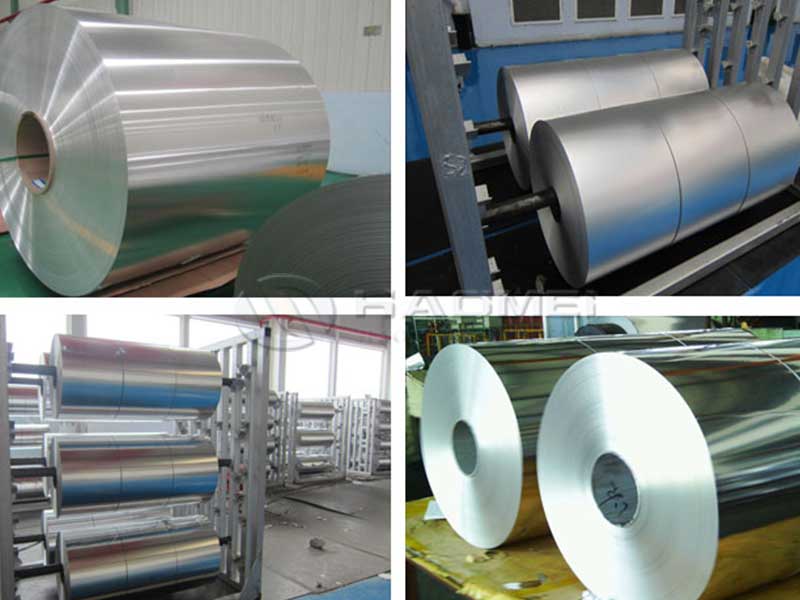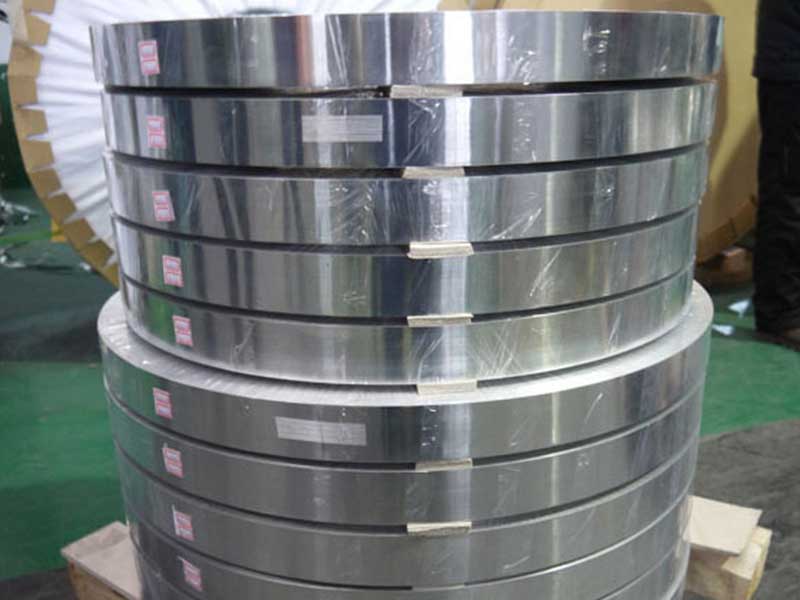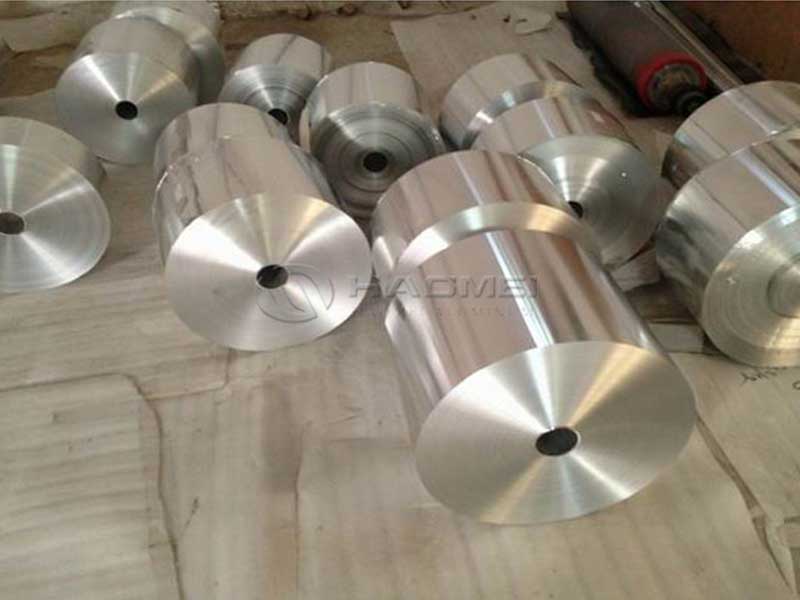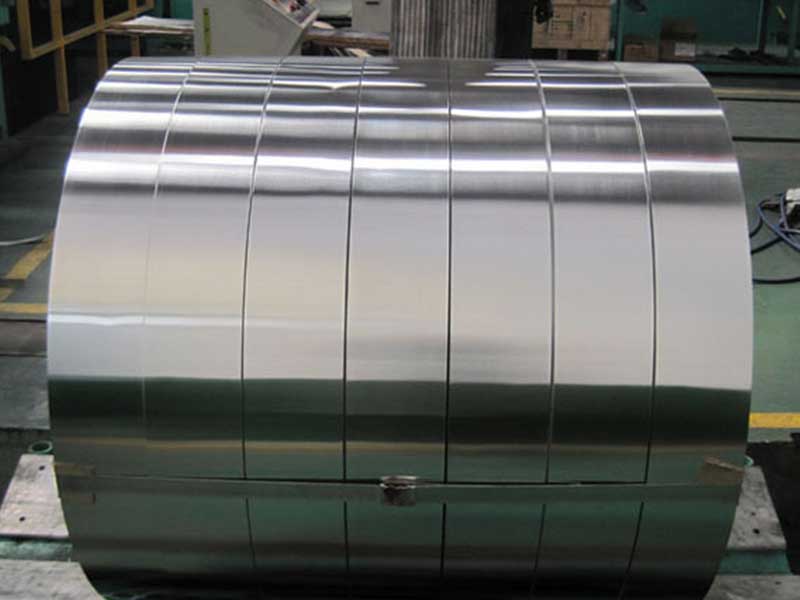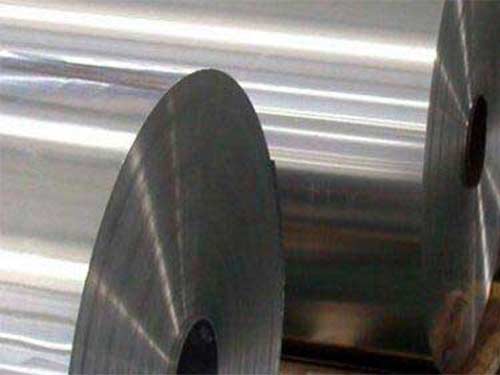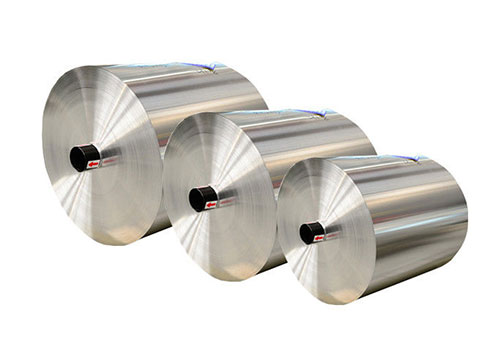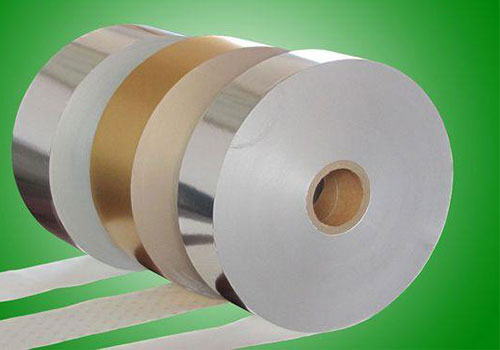

Pre cut disposable aluminum foil sheets are designed for fast, clean, and consistent food wrapping-especially for sandwiches, burritos, pastries, and takeaway meals. Unlike roll foil (where users guess length and struggle with tearing), pre-cut sheets deliver repeatable portions, reliable barrier performance, and a professional "grab-and-wrap" workflow. For cafés, delis, lunch programs, catering lines, and busy home kitchens, they reduce waste, speed up service, and protect food quality from prep counter to destination.
From an aluminum-plant perspective, the value of these sheets comes down to controlled alloy selection, gauge (thickness) consistency, surface finish, and food-contact compliance-factors that determine foldability, puncture resistance, thermal performance, and overall wrap integrity.
What the Product Is (and Why It's Different)
Pre cut foil sheets are factory-cut, flat stacks of aluminum foil, typically packed in dispenser boxes or poly-wrapped bundles. The advantage is process control: each sheet is the same size and thickness, enabling consistent wrapping technique and predictable results in holding, transport, and short-duration thermal management (warm or chilled).
Typical users
- Sandwich shops, convenience stores, food trucks
- Meal-prep and catering operations
- Schools and institutional kitchens
- Households that want faster, cleaner prep
Features at a Glance
| Feature | What It Means in Practice | Customer Benefit |
|---|---|---|
| Pre-cut sizing | Fixed length and width per sheet | Faster wrapping, less waste vs roll |
| Uniform gauge control | Tight thickness tolerances | Reliable tear resistance and coverage |
| High dead-fold | Stays folded without spring-back | Better seal around sandwiches and wraps |
| Food-safe surface | Clean, controlled rolling and packaging | Suitable for direct food contact |
| Heat/cold barrier | Blocks light/oxygen and reduces moisture exchange | Fresher taste, better texture retention |
| Stack dispensing | Sheets separate easily | Efficient workflow during peak hours |
Material & Alloy Engineering (Why Aluminum Foil Works)
Aluminum foil used for food wrapping is typically made from AA 1xxx (high-purity aluminum) or AA 8xxx series alloys. For pre-cut sheets, producers balance formability (easy folding), strength (puncture resistance), and surface cleanliness (food contact).
Typical Chemical Composition (Representative)
Note: Exact composition depends on supplier and alloy grade. Values below reflect common foil alloys used in food packaging.
| Element (wt%) | AA 8011 (typical) | AA 1235 (typical) | Functional Role |
|---|---|---|---|
| Al | Balance | Balance | Base metal; barrier performance |
| Fe | 0.60–1.00 | ≤0.65 | Strength, controls grain structure |
| Si | 0.50–0.90 | ≤0.10 | Strength; influences workability |
| Cu | ≤0.10 | ≤0.05 | Minor strengthening (kept low for formability) |
| Mn | ≤0.20 | ≤0.05 | Strength, corrosion behavior |
| Mg | ≤0.05 | ≤0.05 | Minimal in foil; maintains dead-fold |
| Zn | ≤0.10 | ≤0.10 | Trace element control |
| Ti | ≤0.08 | ≤0.06 | Grain refinement |
Practical takeaway:
- 8011 is widely used for packaging because it offers good strength and handling.
- 1235 is very high purity and can provide excellent formability and surface quality.
Technical Specifications (Typical Product Ranges)
Pre-cut foil sheets are available in multiple sizes and gauges, tuned to the food type and handling intensity.
| Parameter | Common Range | Notes / Selection Guide |
|---|---|---|
| Thickness (gauge) | 9–20 μm | 9–12 μm for light wraps; 14–20 μm for heavier, puncture-prone meals |
| Basis weight | ~24–54 g/m² | Derived from thickness and alloy density |
| Sheet size (W × L) | 200×200 mm to 305×305 mm (and larger) | 25×25 cm and 30×30 cm are common for sandwiches |
| Temper | Soft (O) / light-annealed | Maximizes dead-fold for tight wrapping |
| Surface finish | Bright / matte (one side) | Foil typically has one brighter side from rolling |
| Packaging | Dispenser box / poly wrap | Dispensers improve speed and hygiene |
| Food contact | Compliant materials & controlled residues | Ensure supplier meets applicable regulations |
Mechanical & Performance Metrics (What Customers Actually Feel)
Foil performance is often experienced as "easy to fold," "doesn't tear," and "holds shape." Those qualities relate to controlled rolling, annealing, and gauge consistency.
| Performance Metric | Typical Expectation | Why It Matters for On-the-Go Meals |
|---|---|---|
| Dead-fold behavior | High | Wrap stays sealed without tape or bands |
| Puncture resistance | Medium to high (by gauge) | Prevents leaks from sharp ingredients (bones, crusty bread edges) |
| Tear propagation control | Consistent | Avoids the "one tear becomes a rip" problem |
| Barrier to light/oxygen | Excellent | Helps reduce oxidation and flavor transfer |
| Grease resistance | High | Keeps hands and bags cleaner |
| Thermal reflectivity | High | Helps retain warmth short-term; reduces heat gain for chilled items |
| Odor containment | Good | Improves transport comfort in bags/vehicles |
Applications: Where Pre Cut Foil Sheets Shine
1) Sandwiches, Subs, and Paninis
A pre-cut sheet wraps tightly, creating a clean handheld package. It helps:
- reduce sogginess by limiting external moisture exchange
- keep fillings aligned during transport
- support partial unwrapping while eating ("peel-back" convenience)
2) Burritos, Wraps, and Breakfast Rolls
Foil's dead-fold is ideal for cylinder shapes. A slightly heavier gauge (e.g., 14–18 μm) reduces punctures from crispy bacon, toasted tortillas, or dense fillings.
3) Pastries, Cookies, and Bakery Items
Foil blocks light and limits drying. It's especially useful for:
- flaky pastries that shed crumbs
- buttery products where grease resistance matters
- quick counter wrapping without smearing packaging
4) Takeaway Meals & Leftovers
For short-distance transport, foil sheets help contain aroma and drips. They're also useful as a secondary wrap over paper or clamshells for extra security.
5) Catering Lines & High-Volume Meal Prep
Pre-cut format improves line speed and consistency:
- predictable portion coverage
- less operator variation
- reduced roll waste and mis-tears
Benefits: What Customers Gain Immediately
| Benefit | Operational Impact | Customer Experience Impact |
|---|---|---|
| Faster wrapping | Higher throughput, less labor time | Shorter wait times |
| Consistent presentation | Standardized packages | Professional look, easy to handle |
| Reduced material waste | Less over-pulling vs roll | Lower cost per wrap |
| Cleaner workflow | Less tearing, fewer fragments | Better hygiene perception |
| Better food integrity | Strong barrier + dead-fold | Fresher texture and temperature feel |
Choosing the Right Sheet (Quick Buyer Guide)
| If you wrap… | Recommended Thickness | Recommended Size |
|---|---|---|
| Cold sandwiches, light snacks | 9–12 μm | 250×250 mm |
| Grilled paninis, warm subs | 12–16 μm | 300×300 mm |
| Burritos, dense wraps, "loaded" items | 14–20 μm | 300×300 mm or larger |
| Multiple items in one bundle | 16–20 μm | 300×300 mm+ |
Handling Notes & Best Practices
- Avoid direct contact with highly acidic or salty foods for long storage (e.g., pickled items, citrus-heavy marinades). For extended holding, use a paper layer between food and foil.
- For best seals, fold with two tight end crimps and one center fold-dead-fold will hold without adhesives.
- Store sheets in a dry, clean area; keep dispenser openings closed to reduce dust exposure.
Pre cut disposable aluminum foil sheets deliver a practical combination of speed, consistency, and performance for sandwich wrapping and on-the-go meals. By controlling sheet size, thickness, and alloy properties, manufacturers produce a material that folds tightly, resists punctures, and protects flavor and freshness during transport. For businesses, the payoff is faster service and less waste; for consumers, it's a cleaner, sturdier, better-eating experience-one wrap at a time.