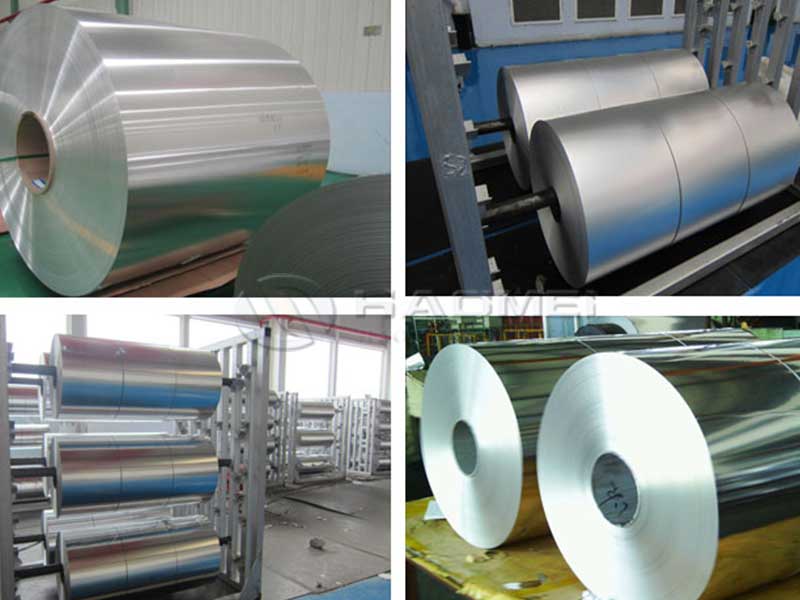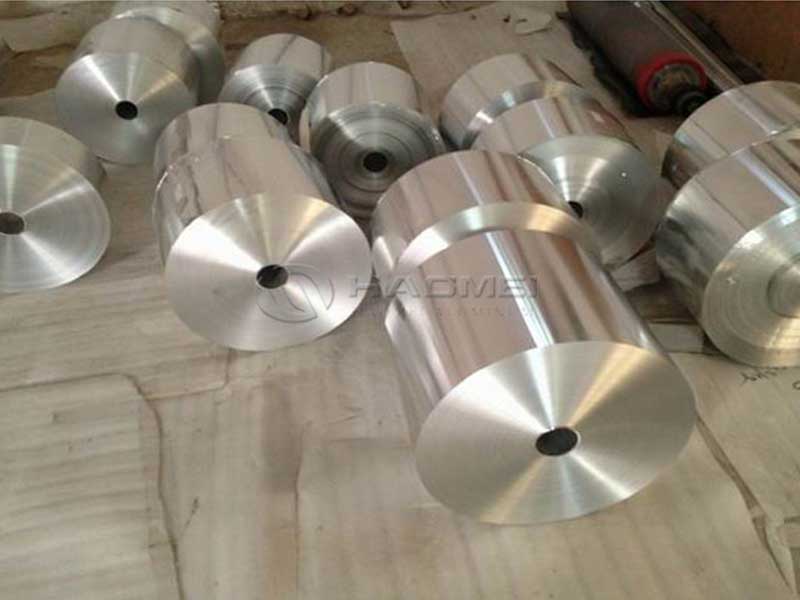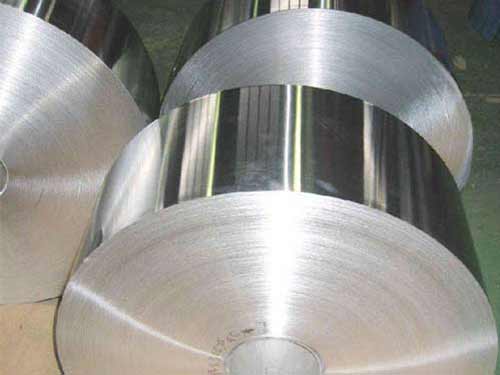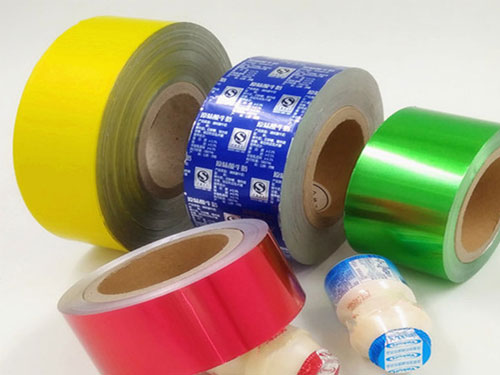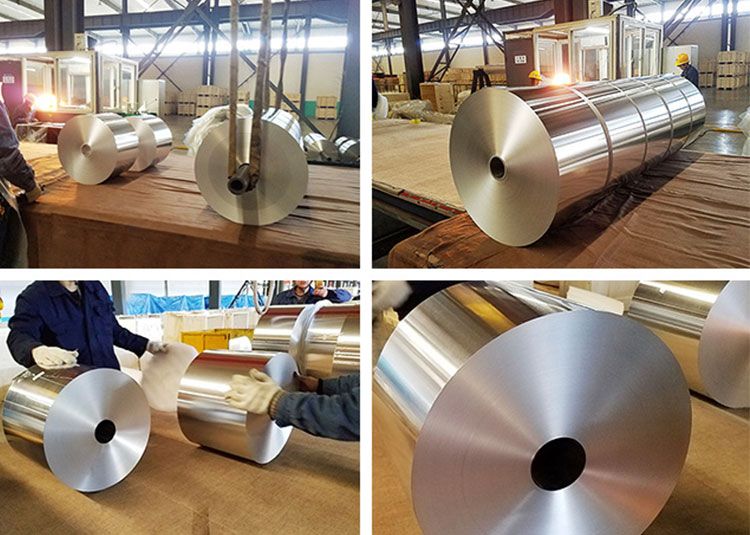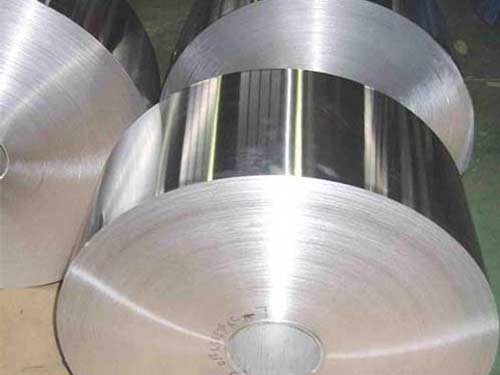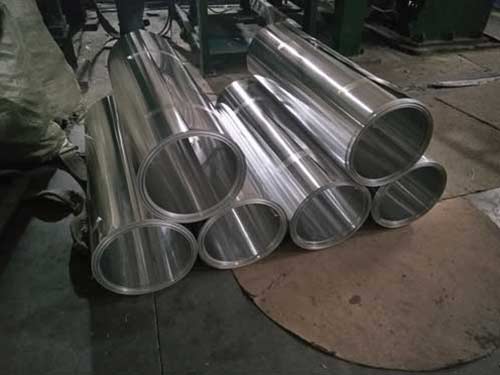

Custom Sized Aluminum Foil Jumbo Roll for Specialized Food and Industrial Packaging
In packaging, "fit" is often treated as a convenience. In reality, fit is a performance variable. A custom sized aluminum foil jumbo roll is not simply a larger roll cut down later; it is a manufacturing decision that directly influences barrier integrity, conversion speed, sealing reliability, and even how a finished pack behaves in cold chain logistics or high-temperature processing. When the application is specialized food packaging or demanding industrial protection, custom sizing becomes a technical tool rather than a purchasing preference.
Aluminum foil's appeal comes from a rare combination: it is an absolute barrier to light and gases, it is non-toxic and odorless, it conforms well without spring-back, and it is compatible with multiple converting routes such as lamination, coating, printing, embossing, and slitting. When supplied as a jumbo roll in a tailored width, thickness, core size, and surface condition, these inherent strengths translate into measurable gains on the packaging line.
What "custom sized" means in a jumbo roll context
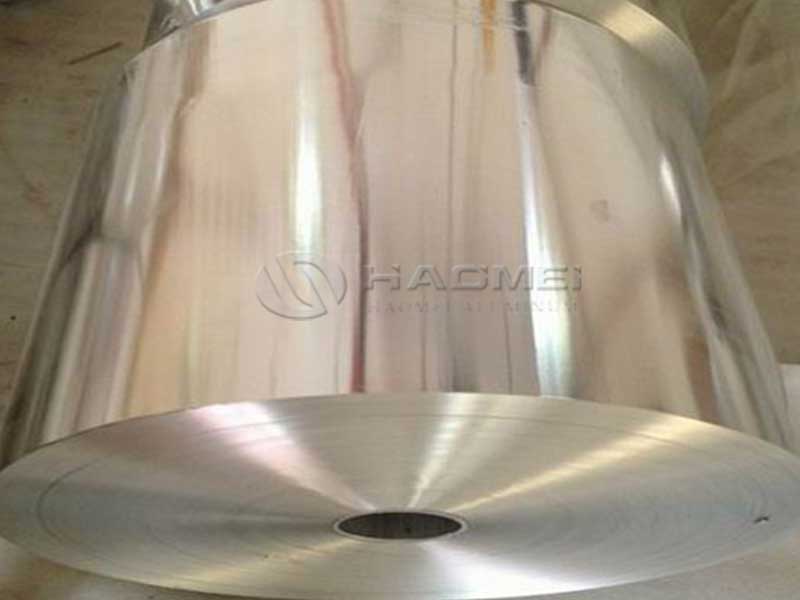
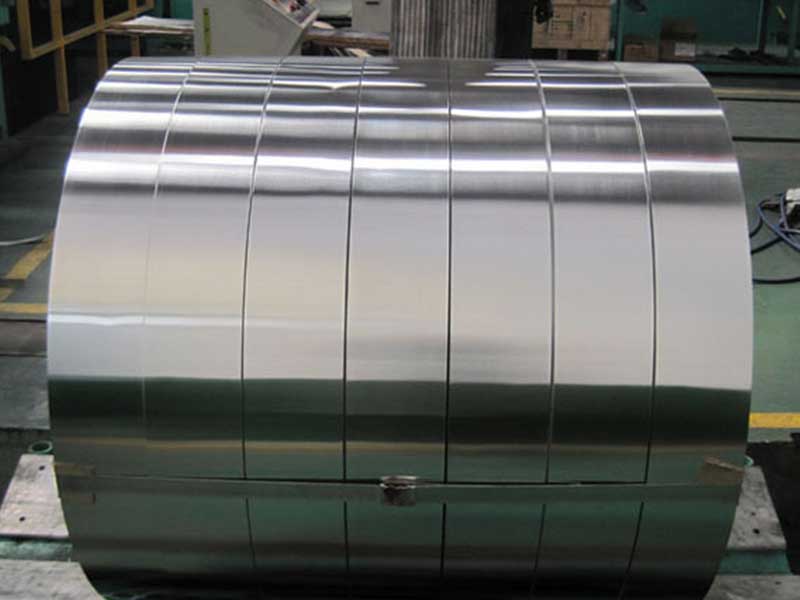
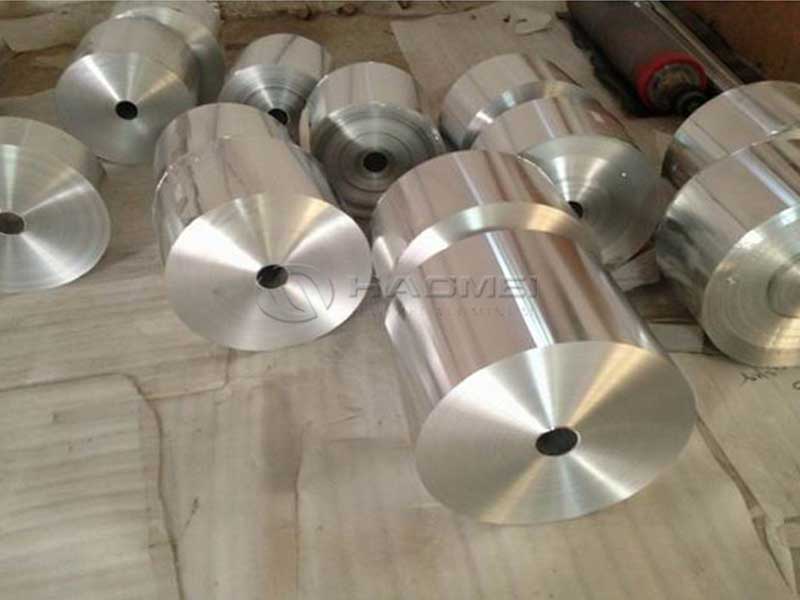
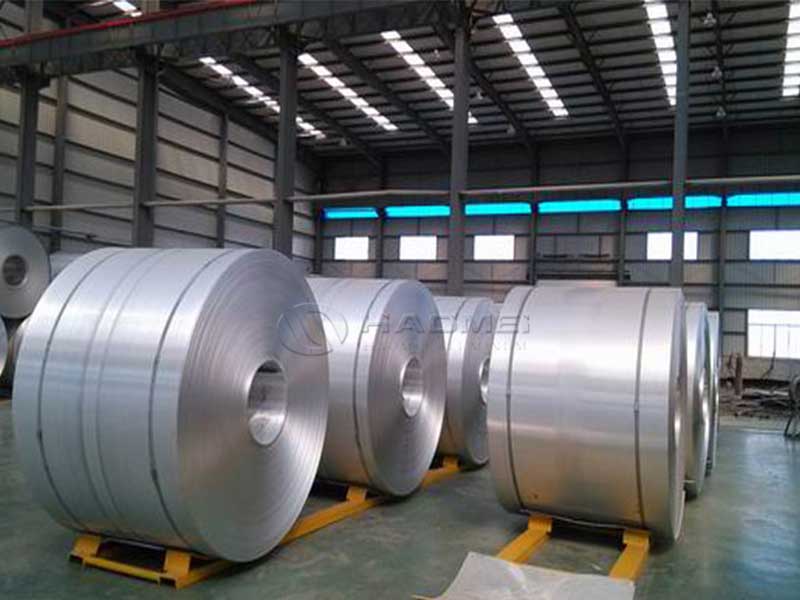
A jumbo roll is the upstream format used by converters and high-volume users. Custom sizing typically refers to parameters such as roll width, thickness, inner diameter, outer diameter, and splice strategy matched to the customer's equipment and target structure.
For a food-grade converter, a small change in width can reduce edge trim waste and improve web stability at speed. For an industrial laminator, selecting a specific thickness and temper can improve puncture resistance while maintaining formability. Even core specification matters: a stable core and accurate winding tension reduce telescoping and wrinkles, which is critical for consistent coating, printing, or adhesive lamination.
Functions that matter in specialized packaging
True barrier performance for sensitive food
Aluminum foil provides near-zero transmission of moisture vapor, oxygen, aromas, and light. That's why it remains the reference material for coffee, dairy lids, confectionery wraps, pharmaceutical-style sachets used for nutraceutical foods, and retortable structures. In multilayer laminates, the foil layer acts like a "stopper," preventing oxidation-driven off-flavors and protecting pigments, vitamins, and fats from light degradation.
Thermal behavior that supports real-world processing
Foil is comfortable in both ends of the temperature spectrum. It tolerates freezing conditions without embrittlement and performs in high-temperature uses such as baking, heat sealing, and certain sterilization processes depending on the total laminate design. For industrial packaging, foil's ability to reflect radiant heat and maintain dimensional stability under moderate thermal loads is valuable for insulation facings and heat shields.
Formability, dead-fold, and controlled stiffness
Dead-fold is not just a consumer convenience for wraps. In packaging engineering terms, dead-fold reduces spring-back, enabling tight wraps and stable shapes with fewer closure aids. Temper selection controls this behavior. Softer tempers deliver better folding and embossing response, while harder tempers provide stiffness for machine handling and lid stock.
Chemical resistance and compatibility in industrial protection
Aluminum foil resists many chemicals, oils, and solvents when properly selected and used within defined environments. In industrial packaging, it is often used in antistatic barrier bags (as a foil laminate), vapor barrier membranes, cable wraps, insulation facings, and protective liners. For aggressive environments, the foil is typically paired with PE, PET, PA, or specialty coatings to tailor chemical resistance and sealing.
Applications: where custom sizing changes outcomes
Food packaging lines benefit immediately from jumbo rolls optimized for web width and roll length. Narrower or precisely matched widths reduce edge trim and minimize dust from excessive slitting. Consistent thickness and temper improve heat seal uniformity in lidding foils and sachet structures. In high-speed wrapping, flatter rolls with controlled crown and low gauge variation reduce tracking issues.
Industrial applications often involve wider webs and thicker gauges, where mechanical handling and puncture resistance dominate. Custom widths simplify lamination with fabrics, kraft paper, fiberglass, or polymer films. In insulation and building materials, jumbo rolls with stable winding allow continuous lamination without frequent roll changes, supporting consistent adhesive coat weight and fewer defects.
Typical parameters for custom sized aluminum foil jumbo roll
Parameters are chosen according to converting method, end-use barrier requirements, and the laminate stack.
Common supply range (customizable):
- Alloy series: 1xxx, 3xxx, 8xxx (application-dependent)
- Temper: O, H14, H16, H18, H19, H22, H24 (common options)
- Thickness: 0.006–0.200 mm (6–200 microns), common packaging gauges 7–50 microns
- Width: 100–1650 mm (wider on request depending on mill capability)
- Inner core diameter: 76 mm, 152 mm (other cores available)
- Outer diameter: typically up to 600–1200 mm depending on thickness and logistics
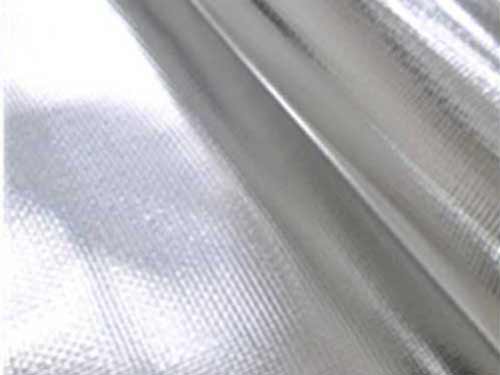
- Surface finish: one side bright / one side matte (standard), both sides treated options available
- Pinholes: controlled per gauge and standard; ultra-thin foils require stricter pinhole management for high barrier laminates
- Winding: center-wound or surface-wound; tension and edge alignment controlled to prevent telescoping and creases
Alloy and temper: a practical way to choose
A distinctive way to understand alloy and temper is to treat them as "behavior settings" for your converting process.
Alloy selection influences purity, corrosion behavior, and mechanical response.
- 1235 is widely used for household foil and many packaging laminates due to good formability and economics.
- 8011 is a workhorse for food packaging, container foil, and industrial uses requiring stronger mechanical properties and better resistance to handling damage.
- 8079 is often selected for flexible packaging and pharma-style applications where formability and controlled pinhole performance are important at thin gauges.
Temper controls hardness and ductility.
- O (annealed) is softer, ideal for deep embossing, dead-fold wraps, and forming applications.
- H18/H19 are harder, useful when stiffness and machineability matter, such as lidding stock and certain industrial laminations.
- Intermediate tempers like H14/H16/H22/H24 balance formability with strength.
Implementation standards and compliance
For food and packaging use, aluminum foil jumbo rolls are commonly produced and tested in line with recognized industrial practices and customer specifications. Depending on market and application, typical references include:
- ASTM B479 (aluminum and aluminum-alloy foil for flexible barrier packaging, general requirements)
- EN 546 series (aluminum and aluminum alloys foil, specifications)
- EN 602 (aluminum and aluminum alloys, wrought products, chemical composition limits)
- RoHS and REACH compliance for regulated substances, especially for industrial laminates and electronic-related packaging
- Food-contact compliance aligned to regional regulations such as FDA (US) or EU framework requirements, with migration performance determined by the final laminate and adhesive system
Actual compliance depends on the complete packaging structure, printing inks, coatings, and adhesives, not the foil alone. Serious projects treat the jumbo roll as one controlled component in a validated packaging system.
Chemical properties table (typical composition, wt.%)
Typical alloy chemistry ranges vary by standard and supplier. The table below reflects commonly used ranges for packaging foils. Exact limits should be confirmed against the applicable standard and mill certificate.
| Alloy | Al (min) | Si | Fe | Cu | Mn | Mg | Zn | Ti | Others (each/total) |
|---|---|---|---|---|---|---|---|---|---|
| 1235 | 99.35 | ≤0.65 | ≤0.65 | ≤0.05 | ≤0.05 | ≤0.05 | ≤0.10 | ≤0.06 | ≤0.03 / ≤0.10 |
| 8011 | balance | 0.50–0.90 | 0.60–1.00 | ≤0.10 | ≤0.20 | ≤0.05 | ≤0.10 | ≤0.08 | ≤0.05 / ≤0.15 |
| 8079 | balance | ≤0.30 | 0.70–1.30 | ≤0.10 | ≤0.10 | ≤0.05 | ≤0.10 | ≤0.08 | ≤0.05 / ≤0.15 |
Why custom jumbo rolls reduce total packaging cost
The unit price per kilogram is only one dimension. Custom sized jumbo rolls reduce total cost by lowering trim loss, minimizing roll-change downtime, stabilizing web tension, and improving yield in printing and lamination. In high-value barrier structures, avoiding micro-wrinkles and inconsistent gauge can be the difference between a premium shelf-life claim and a costly customer complaint.
In specialized food and industrial packaging, aluminum foil is less a commodity and more a functional layer engineered for a specific mission. Choosing the right alloy, temper, gauge, and roll build transforms the foil jumbo roll into a predictable manufacturing input-one that protects flavor, blocks oxygen, resists handling damage, and runs cleanly at speed.