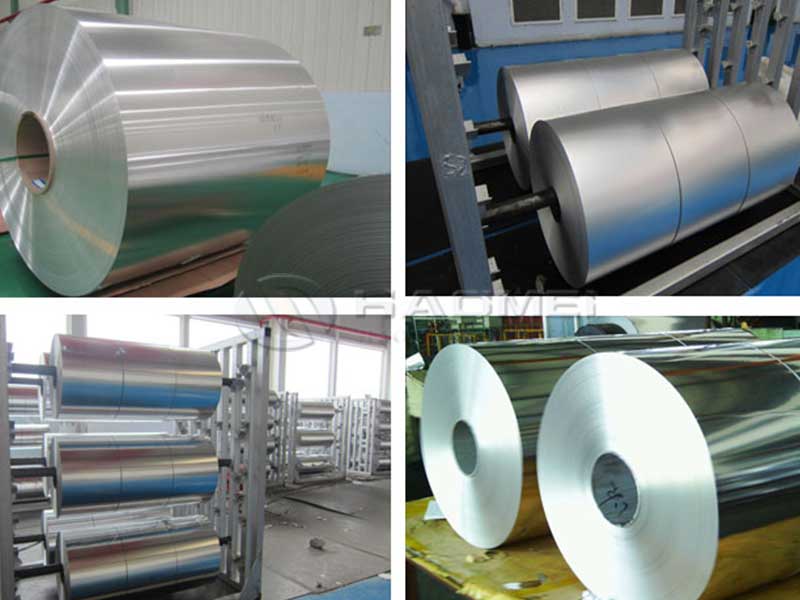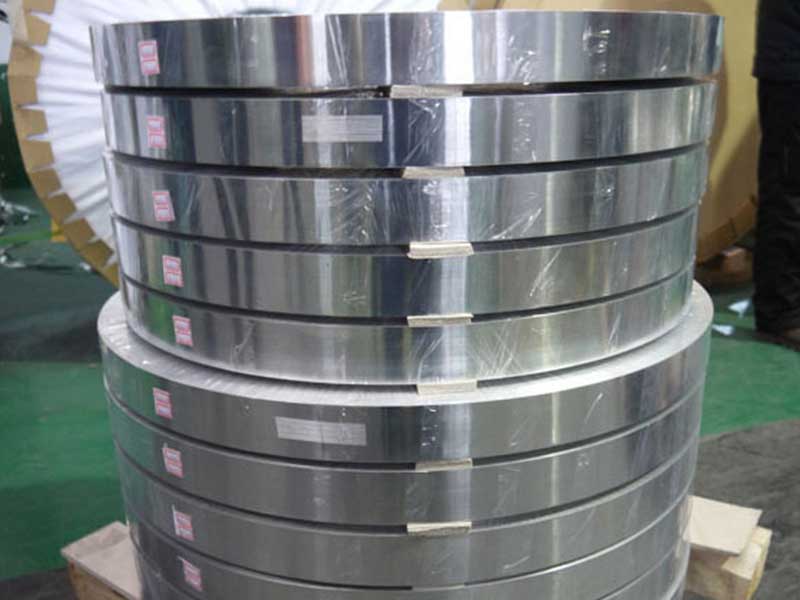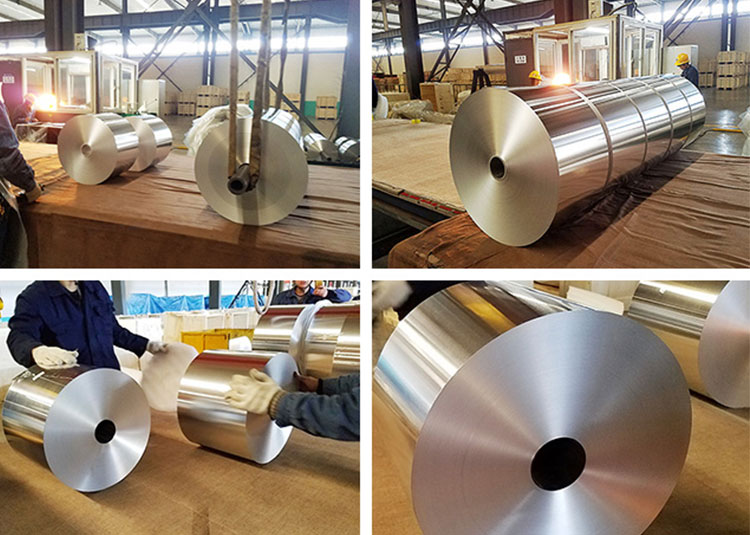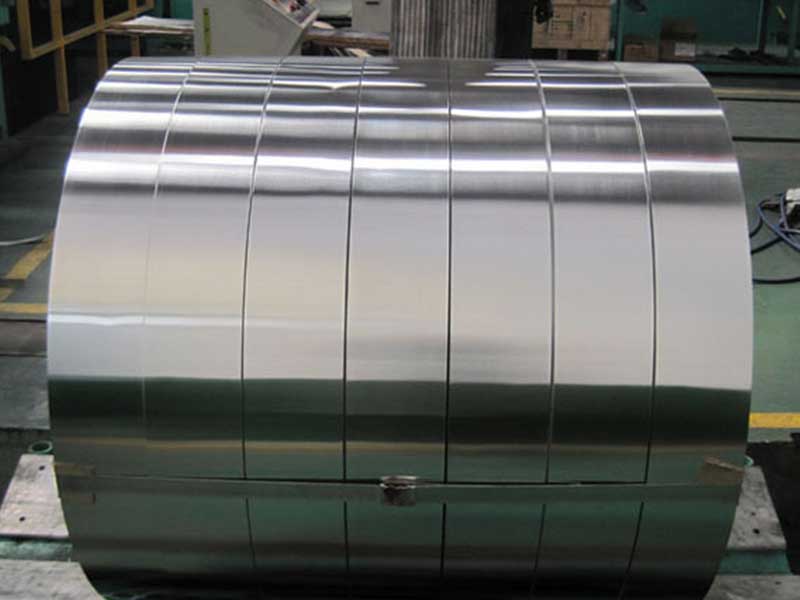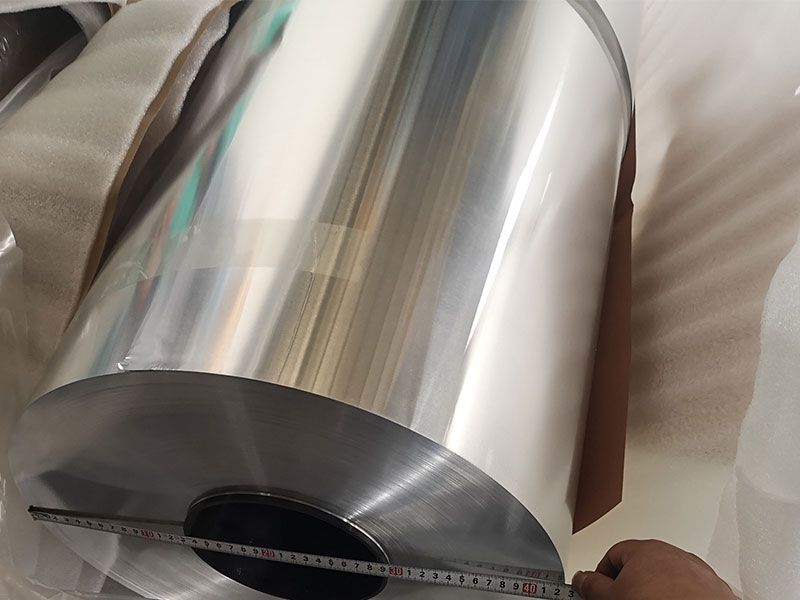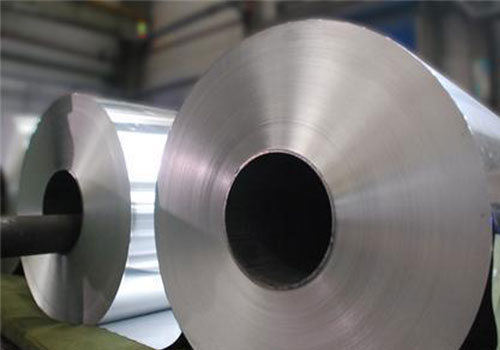

Blister packaging with aluminum foil is the benchmark solution for protecting solid-dose medicines such as tablets, capsules, and lozenges. When designed for high tamper resistance, this packaging not only safeguards the product from moisture, light, and oxygen, but also provides clear evidence of interference, supporting patient safety and brand protection.
Blister packaging consists of a formed plastic cavity (usually PVC, PVDC, or other barrier films) sealed with an aluminum lidding foil. For high tamper resistance, the aluminum foil and coating system are engineered to:
- Maintain strong, stable seal integrity
- Provide irreversible, visible evidence when opened
- Resist puncture, tearing, and peeling under normal handling
The result is a secure, unit-dose packaging format that enhances safety and compliance across the distribution chain.
Typical Alloy and Chemical Composition
Pharmaceutical blister lidding foil is usually based on soft (annealed) aluminum with alloy types such as 8011, 8021, or 8079, providing an optimal balance of formability, barrier, and tensile strength.
Note: Values in the table are typical ranges for reference; exact specifications are customized by supplier and project.
Typical Chemical Composition of Blister Foil (Alloy Example: 8011)
| Element | Symbol | Typical Range (wt%) | Function in Alloy |
|---|---|---|---|
| Aluminum | Al | Balance (≈97.0–99.0) | Base metal, high barrier, formability |
| Iron | Fe | 0.6–1.0 | Strength, toughness, pinhole resistance |
| Silicon | Si | 0.5–0.9 | Strength, improves rolling characteristics |
| Copper | Cu | ≤0.1 | Controls mechanical properties |
| Manganese | Mn | ≤0.2 | Adds strength without sacrificing ductility |
| Magnesium | Mg | ≤0.1 | Fine-tunes mechanical behavior |
| Zinc | Zn | ≤0.1 | Minor effect on strength, stability |
| Titanium | Ti | ≤0.08 | Grain refinement, texture control |
| Others (each) | - | ≤0.05 | Residuals |
| Others (total) | - | ≤0.15 | Residuals |
Technical Specifications
High-tamper-resistance blister foils are engineered with well-controlled dimensional and mechanical parameters. These support reliable sealing, easy die-cutting, and consistent performance on high-speed packaging lines.
Typical Technical Parameters
| Parameter | Typical Value / Range | Notes |
|---|---|---|
| Alloy | 8011, 8021, 8079 (O temper) | Soft-annealed for excellent sealing and forming |
| Temper | O (soft) | Ensures conformability and low cracking risk |
| Foil Thickness | 20–30 µm (commonly 25 µm) | Balance of barrier, strength, and cost |
| Width Tolerance | ±0.2–0.5 mm | Depends on slit width and line requirements |
| Surface Treatment | One side lacquered / coated | Heat-seal lacquer or cold-form compatible coatings |
| Heat-Seal Coating Weight | 3–8 g/m² | Tailored to blister base film and sealing temperature |
| Tensile Strength (MD/TD) | 70–130 MPa | Ensures resistance to tearing during forming |
| Elongation (MD/TD) | ≥2–8 % (typical) | Supports bendability and peel without cracking |
| Pinholes (≥0.5 µm) | Very low / tightly controlled | Critical for moisture and gas barrier |
| Surface Wettability (Dyne) | ≥38–42 dynes/cm | For stable lacquer/ink adhesion |
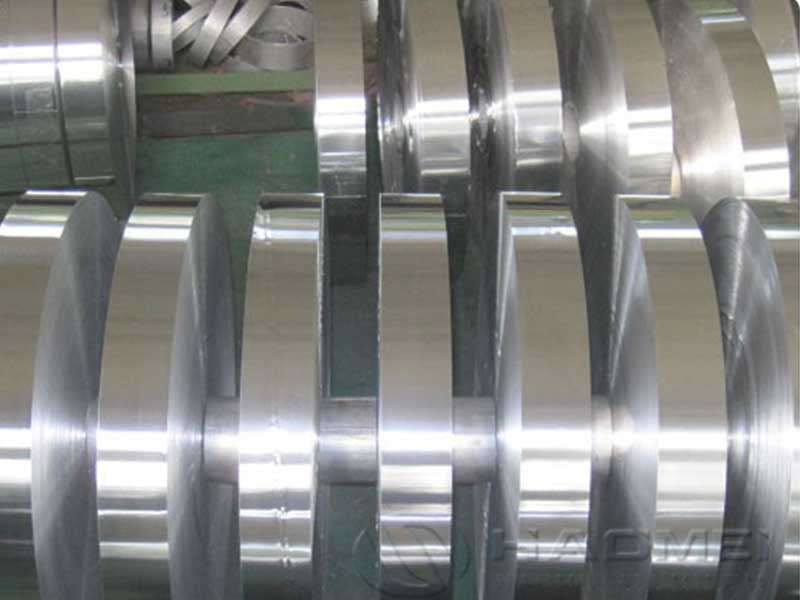
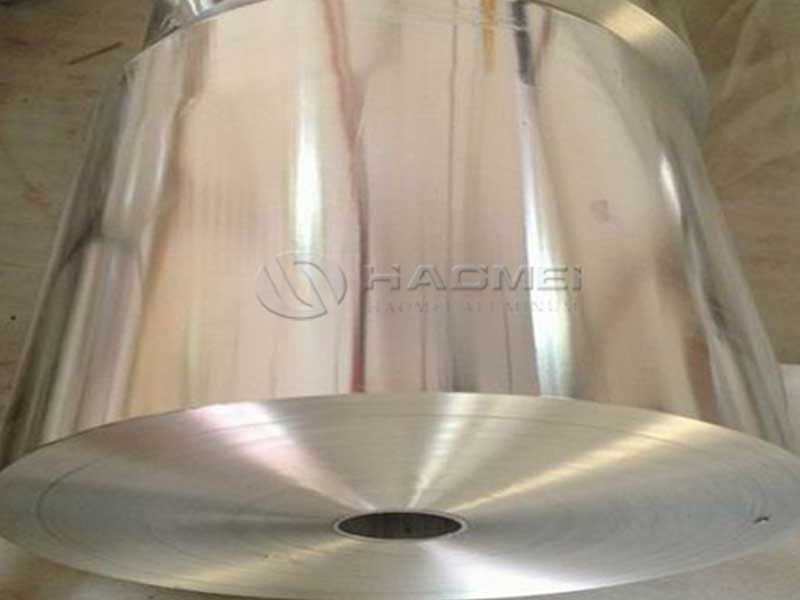
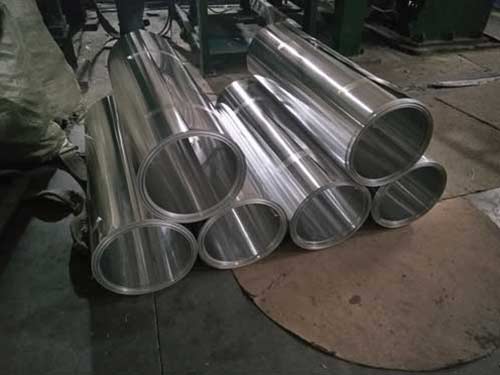
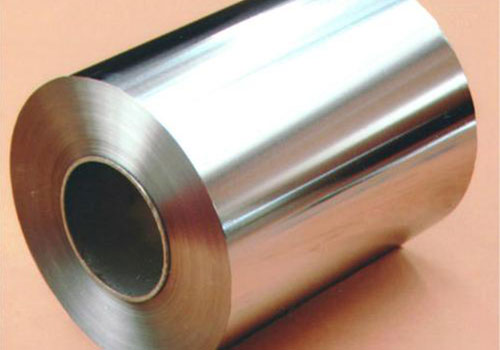
| Core ID (Rolls) | 76 mm or 152 mm | Standard industrial core sizes |
| Roll Outer Diameter | Up to 600–800 mm | Customized to machine specifications |
Barrier and Environmental Performance
Aluminum foil is inherently an absolute barrier to light, UV, and gas when free of pinholes. The coating system and lamination design complete the protection.
Barrier Properties (Indicative)
| Property | Performance Level | Benefit for Medicines |
|---|---|---|
| Moisture Barrier (WVTR) | ~0 g/m²·day (through foil) | Protects hygroscopic APIs and excipients |
| Oxygen Transmission Rate (OTR) | ~0 cc/m²·day (through foil) | Prevents oxidation and potency loss |
| Light Protection | 100% opaque | Safeguards light-sensitive formulations |
| Chemical Resistance | High (with proper lacquer) | Compatible with most solid-dose formulations |
| Temperature Resistance | Seal: typically 180–220 °C (short) | Stable under standard blister sealing conditions |
High Tamper Resistance: What It Means in Practice
High tamper resistance in blister foil is not just about thicker metal. It is a combined effect of:
- Robust aluminum base that resists puncture and stretching
- Tailored heat-seal lacquer that forms a tight, peel-optimized bond with the blister base
- Clear, irreversible change (foil rupture, deformation) when the cavity is opened
Functional Tamper-Resistance Features
| Feature | Description | User / Brand Benefit |
|---|---|---|
| Irreversible Opening | Foil deforms or tears when tablet is pushed out | Visual evidence of first opening |
| Seal Integrity | Strong heat seal across full flange area | Difficult to reseal without visible traces |
| Pinhole Control | Strict inspection during production | Prevents micro pathways for tampering or ingress |
| Print Integrity | High-adhesion inks and over-lacquers | Any scraping or manipulation is readily visible |
| Mechanical Robustness | Good flex and puncture resistance | Withstands handling and transport without damage |
Design Options and Customization
The lidding foil can be customized to meet specific pharmaceutical, branding, and regulatory needs.
Typical Design Options
| Option Category | Available Choices | Purpose |
|---|---|---|
| Surface Finish | Matte, semi-matte, glossy | Optimizes print quality and visual appeal |
| Printing | Single to multi-color, reverse or surface print | Branding, instructions, anti-counterfeit marks |
| Heat-Seal System | PVC, PVDC, Aclar, PP, PET-compatible lacquers | Matching to different blister base films |
| Peelability | Push-through, peel-push, child-resistant | Tailored opening force and user group requirements |
| Anti-Counterfeit Features | Microtext, hidden images, color-shifting inks | Enhances security against fake products |
| Secondary Coatings | Primer, over-lacquer, easy-open coatings | Improves ink adhesion and handling characteristics |
Core Features at a Glance
Features
| Feature Group | Description |
|---|---|
| High Tamper Resistance | Strong seals, visible first-open effect |
| Excellent Barrier | Absolute barrier to light, oxygen, and moisture |
| Pharmaceutical Cleanliness | Low residuals, compliant with pharma standards |
| Processability | Stable on high-speed blister lines, low waste |
| Printability | Supports high-definition branding and coding |
| Patient Convenience | Easy, intuitive push-through operation |
Main Applications
High-tamper-resistance aluminum blister foil is widely used for both prescription and over-the-counter medicines, especially where safety, stability, and unit-dose accuracy are critical.
Typical Application Areas
| Application Segment | Typical Products | Rationale for Use |
|---|---|---|
| Solid Oral Dosage Forms | Tablets, film-coated tablets, hard/soft capsules | Unit-dose accuracy, moisture protection |
| Sensitive Formulations | Effervescent tablets (with suitable system), hygroscopic drugs | Enhanced moisture/oxygen barrier |
| Hospital and Clinical Supplies | Unit-dose medications for hospitals and clinics | Traceability, reduced medication errors |
| OTC and Consumer Healthcare | Cold remedies, analgesics, vitamins, supplements | Visibility, branding, tamper evidence |
| Travel and Convenience Packs | Pocket-size or strip packs | Robustness and portability |
| Controlled / Restricted Drugs | Psychotropic drugs, high-value treatments | High tamper visibility and anti-counterfeit options |
Compatibility with Regulatory and Quality Requirements
High-tamper-resistance pharmaceutical blister foils are typically designed to comply with:
- Good Manufacturing Practice (GMP) for pharmaceutical packaging materials
- Relevant pharmacopeia and food-contact regulations, depending on the region
- Requirements for traceability and serialization via printed codes and markings
Customers should always confirm compliance with specific regional and product-level regulations (e.g., FDA, EU, local authorities).
Advantages for Manufacturers and Brand Owners
Using aluminum blister foil with high tamper resistance offers multiple benefits across the supply chain.
Business and Operational Advantages
| Benefit Category | Impact |
|---|---|
| Product Protection | Fewer complaints related to damage or degradation |
| Brand Security | Clear tamper evidence, anti-counterfeit potential |
| Production Efficiency | Consistent runnability and sealing on high-speed lines |
| Cost Optimization | Reduced product loss and returns due to packaging failures |
| Market Differentiation | Premium look, clear branding, patient-friendly use |
Choosing the Right Blister Foil for Your Medicine
When selecting a high-tamper-resistance blister foil, points to consider include:
- Nature of the active ingredient (sensitivity to moisture, oxygen, light)
- Required shelf life and storage conditions
- Target patient group (adult, pediatric, elderly; need for child resistance or easy opening)
- Base film type (PVC, PVDC, PP, PET, cold-form Alu-Alu) and sealing parameters
- Required print design, regulatory information, and security features
Close cooperation between the packaging supplier, pharmaceutical manufacturer, and packaging-line operators ensures the foil structure is fully optimized for both product performance and production efficiency.
Blister packaging with aluminum foil for medicine with high tamper resistance provides a robust, proven solution for safeguarding pharmaceuticals across their entire lifecycle—from factory to patient. With its unique combination of barrier performance, security, and usability, it remains one of the most reliable choices for modern, high-quality drug packaging.