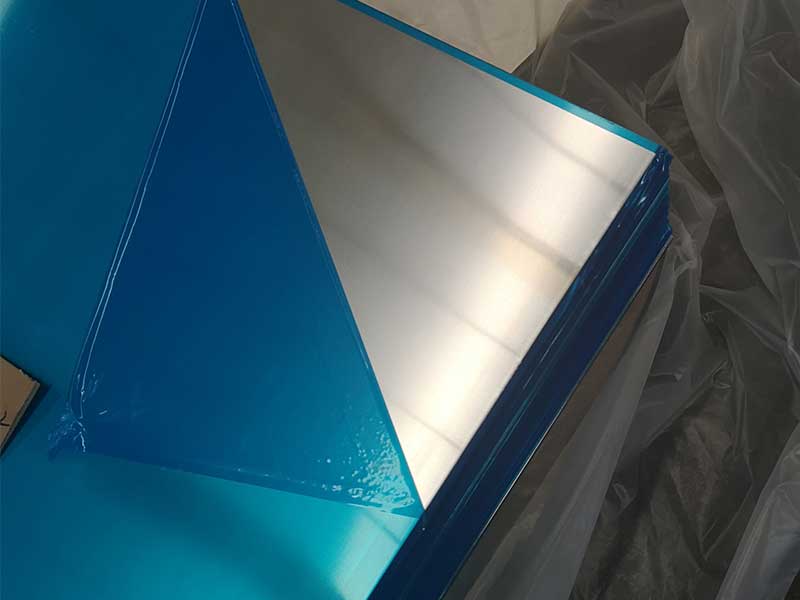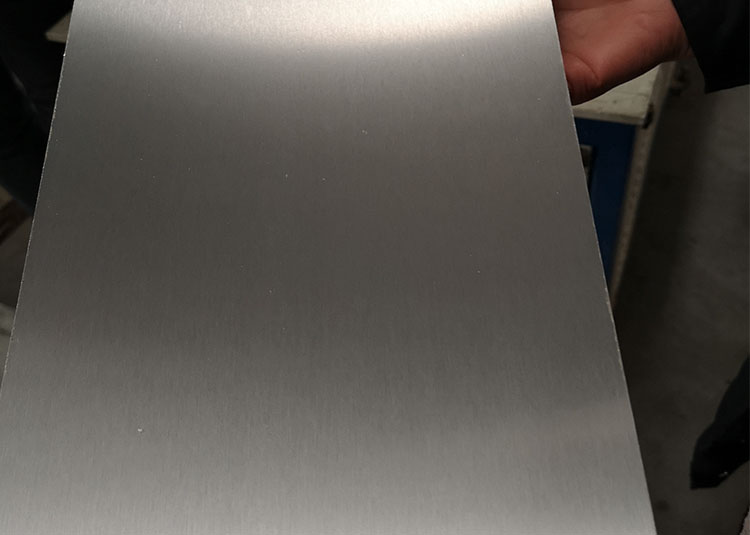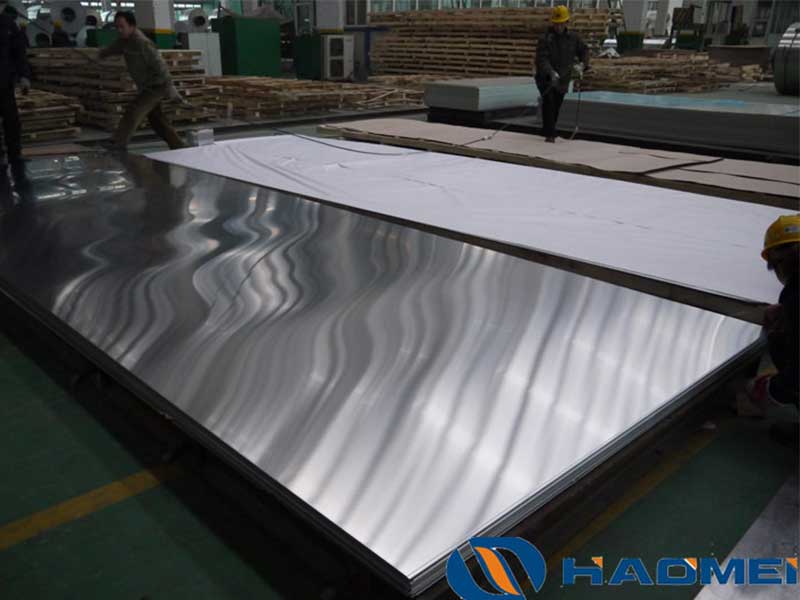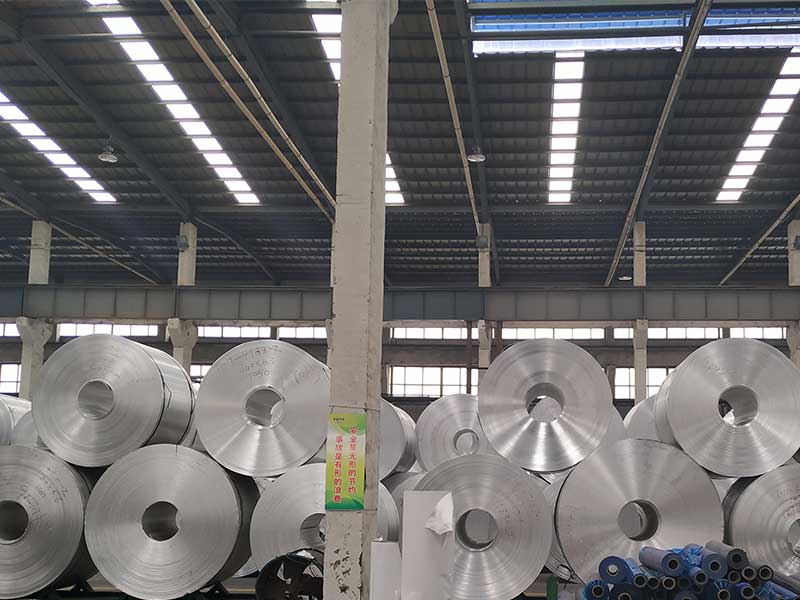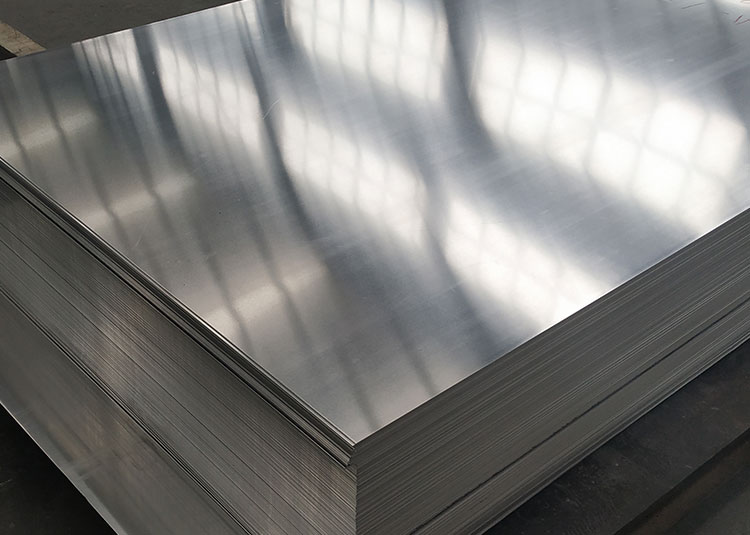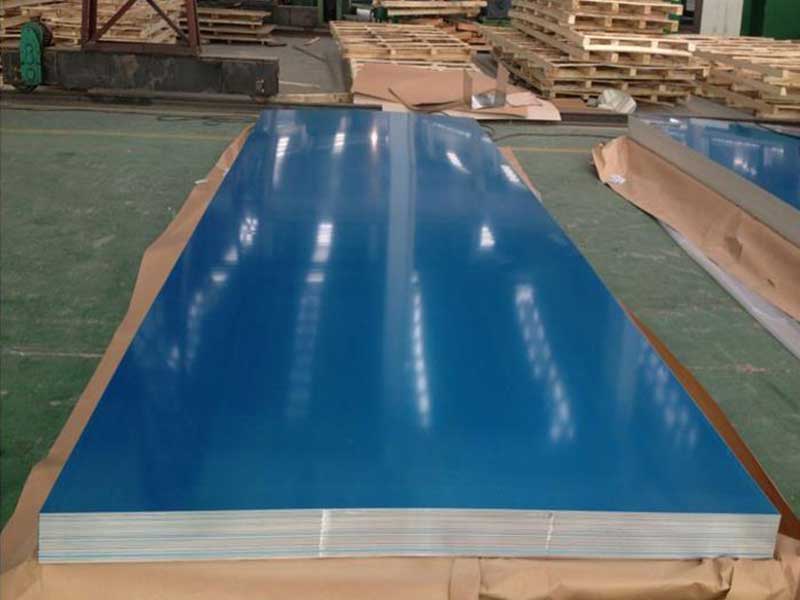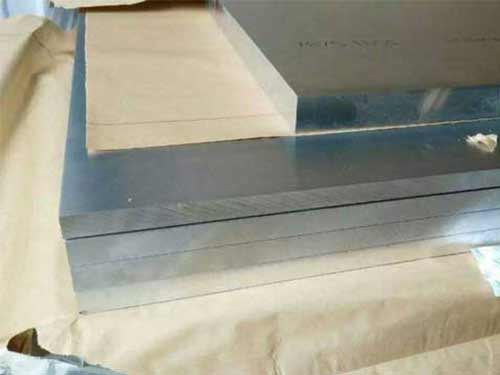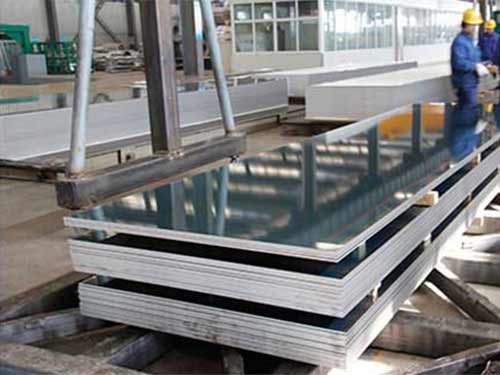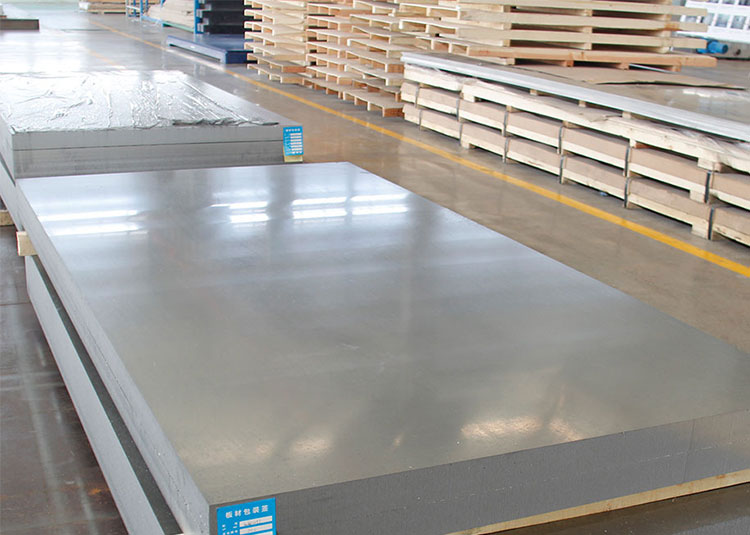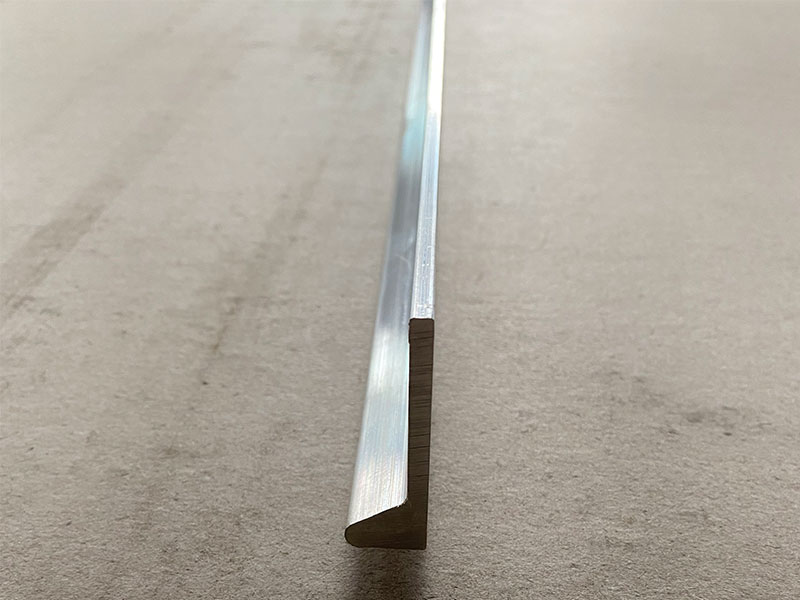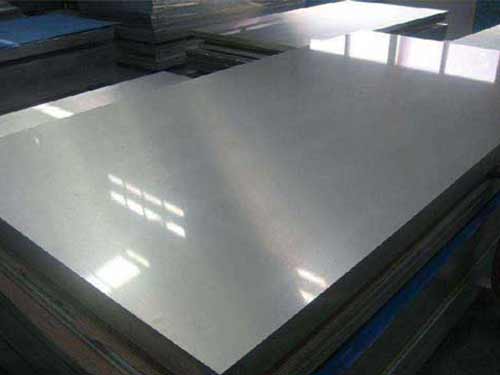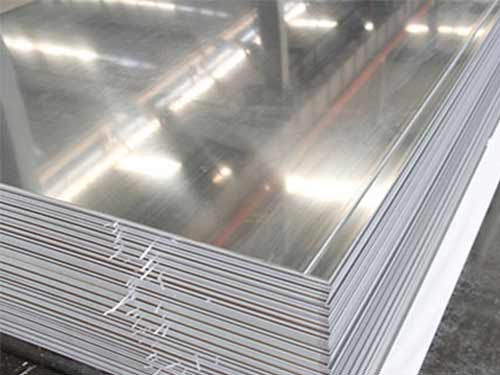

Aluminum sheets are flat-rolled products valued for their light weight, corrosion resistance, formability, and clean appearance. From architectural facades to food packaging, aluminum sheet delivers a rare mix of strength-to-weight efficiency and long-term durability. Customers typically choose aluminum sheets when they need reliable performance with easier fabrication than steel and better corrosion behavior than many other metals-while still maintaining excellent recyclability and cost effectiveness across the product lifecycle.
What Makes Aluminum Sheets a Go-To Material
Aluminum sheet is produced by hot rolling and/or cold rolling to a target thickness, then supplied in tempers that balance strength and formability. It is widely available in multiple alloys, each optimized for different priorities such as bendability, marine corrosion resistance, weldability, or decorative finishing.
features at a glance
| Feature | What it means for customers | Typical benefit |
|---|---|---|
| Low density | About one-third the weight of steel | Lower transport cost, easier handling, lightweight designs |
| Corrosion resistance | Natural oxide film + alloying choices | Longer service life, reduced maintenance |
| Formability | Works well with bending, stamping, deep drawing (by alloy/temper) | Faster fabrication, complex shapes |
| Thermal/electrical conductivity | Transfers heat and electricity efficiently | Heat exchangers, enclosures, busbars (alloy-dependent) |
| Finish versatility | Mill finish, brushed, anodized, painted, coated | Strong aesthetics and surface protection |
| Recyclability | Aluminum is highly recyclable with low property loss | Sustainability goals and circular supply chains |
Common Applications of Aluminum Sheets
Aluminum sheet is used wherever weight, corrosion resistance, or finish quality matters.
| Industry | Typical aluminum sheet uses | Common alloys/tempers |
|---|---|---|
| Construction & architecture | Cladding, roofing, flashing, ceiling panels, curtain walls | 3003 H14, 5052 H32, 6061 T6 (as plate/sheet) |
| Transportation | Trailer panels, body panels, interior panels, EV components | 5052 H32, 5083 H111, 6061 T6 |
| Marine | Boat structures, decks, gangways, coastal hardware | 5083 H116/H321, 5052 H32 |
| HVAC & heat transfer | Fins, housings, insulation jacketing | 1100, 3003, 3105 |
| Food & packaging | Can stock, closures, trays, lids | 3004/3104 (can), 8011 (foil) |
| Electronics & industrial | Enclosures, nameplates, shields, machine guards | 5052 H32, 6061 T6, 1050/1100 |
Alloy Selection Guide (Customer-Friendly)
Choosing the right alloy and temper is usually more important than choosing a specific thickness. The table below highlights popular sheet alloys and what they are best at.
| Alloy series | Popular alloys | Strength level | Corrosion behavior | Formability | Best-fit use cases |
|---|---|---|---|---|---|
| 1xxx (pure Al) | 1050, 1060, 1100 | Low | Excellent | Excellent | Reflectors, chemical tanks, decorative trim, electrical/thermal uses |
| 3xxx (Al-Mn) | 3003, 3105 | Low–medium | Excellent | Very good | Roofing, siding, cookware, HVAC jacketing |
| 5xxx (Al-Mg) | 5052, 5083, 5754 | Medium–high | Excellent, especially marine grades | Good | Marine, transportation, pressure vessels (by code), welded structures |
| 6xxx (Al-Mg-Si) | 6061, 6082 | Medium–high (heat-treatable) | Good | Fair–good | Structural parts, machined components, frames, general engineering |
Typical Temper Options and What They Indicate
Temper describes how the sheet's properties were achieved (work hardening, annealing, or heat treatment). Customers often match temper to forming needs.
| Temper | Meaning | Typical customer impact |
|---|---|---|
| O | Annealed (soft) | Maximum formability, lower strength |
| H12 / H14 / H16 / H18 | Strain-hardened (¼, ½, ¾, full hard) | Higher strength, reduced bend radius capability |
| H32 / H34 | Strain-hardened + stabilized | Better property stability over time, common in 5xxx |
| T4 | Solution heat treated + naturally aged | Good formability with moderate strength |
| T6 | Solution heat treated + artificially aged | High strength, common for 6061 sheet/plate |
Chemical Composition (Typical Ranges)
Actual composition depends on the governing standard and mill practice. The table provides typical ranges for widely used sheet alloys.
| Alloy | Si (%) | Fe (%) | Cu (%) | Mn (%) | Mg (%) | Cr (%) | Zn (%) | Al (%) |
|---|---|---|---|---|---|---|---|---|
| 1100 | ≤0.95 (Si+Fe) | - | 0.05–0.20 | ≤0.05 | - | - | ≤0.10 | ≥99.00 |
| 3003 | ≤0.60 | ≤0.70 | 0.05–0.20 | 1.0–1.5 | - | - | ≤0.10 | Bal. |
| 5052 | ≤0.25 | ≤0.40 | ≤0.10 | ≤0.10 | 2.2–2.8 | 0.15–0.35 | ≤0.10 | Bal. |
| 6061 | 0.40–0.80 | ≤0.70 | 0.15–0.40 | ≤0.15 | 0.8–1.2 | 0.04–0.35 | ≤0.25 | Bal. |
| 5083 | ≤0.40 | ≤0.40 | ≤0.10 | 0.4–1.0 | 4.0–4.9 | 0.05–0.25 | ≤0.25 | Bal. |
Mechanical Properties (Typical Values)
Mechanical properties vary with thickness, product form, and exact temper. The values below are commonly referenced for quick comparison.
| Alloy / Temper | Typical tensile strength (MPa) | Typical yield strength (MPa) | Typical elongation (%) | Notes |
|---|---|---|---|---|
| 1100-O | 70–110 | 20–40 | 25–35 | Excellent forming and finishing |
| 3003-H14 | 130–180 | 110–150 | 4–10 | Good for general fabrication |
| 5052-H32 | 210–260 | 130–180 | 8–15 | Strong, corrosion resistant, weldable |
| 6061-T6 | 290–340 | 240–290 | 8–12 | High strength, good machining |
| 5083-H116 | 300–350 | 200–260 | 10–16 | Marine-focused, strong weld performance |
Technical Specifications Customers Commonly Request
Aluminum sheet is specified by thickness, width/length, flatness, surface finish, and standard compliance. Below is a practical snapshot of typical commercial capability ranges (confirm exact limits per supplier).
| Parameter | Typical range | Notes |
|---|---|---|
| Thickness | 0.20–6.00 mm | Thinner gauges often supplied in coil; thicker in sheet/plate form |
| Width | 500–2000 mm | Wider widths may be available depending on rolling line |
| Length | 1000–6000 mm | Cut-to-length from coil or leveled sheet |
| Surface | Mill finish, brushed, anodizing quality, coated | Protective film option for cosmetic surfaces |
| Edge | Slit edge, sheared edge | Edge condition impacts fabrication and appearance |
| Standards | ASTM B209, EN 485/EN 573, JIS H4000 | Specify standard + alloy + temper + dimensions |
Performance Notes That Affect Real-World Results
| Topic | What to consider | Practical tip |
|---|---|---|
| Corrosion | 5xxx excels in marine; 3xxx strong in general atmospheric exposure | For coastal use, prioritize 5083/5754/5052 and suitable coatings |
| Forming | Softer tempers bend tighter; harder tempers resist denting | If cracking occurs, shift to O or H32, increase bend radius |
| Welding | 5xxx and 6xxx are commonly welded | Choose compatible filler and manage heat input to control distortion |
| Surface finishing | Anodizing quality varies by alloy | 5xxx and 6xxx anodize well; confirm if "decorative anodize" is required |
| Flatness | Thin sheet can exhibit waviness | Specify leveling/flatness requirements for laser cutting and panel work |
Buying Checklist (Fast, Non-Technical)
| What to specify | Examples |
|---|---|
| Alloy + temper | 5052-H32, 3003-H14, 6061-T6 |
| Dimensions | Thickness × width × length, tolerances if needed |
| Surface requirement | Mill finish, brushed, film-protected, anodizing grade |
| Processing needs | Cut-to-length, leveling, deburring, protective interleaving |
| Compliance | ASTM/EN/JIS standard, inspection certificate, RoHS/REACH if applicable |
Aluminum sheets are lightweight, corrosion-resistant, and highly versatile flat-rolled products used in construction, transportation, marine, HVAC, packaging, and industrial fabrication. Popular alloys like 3003, 5052, 6061, and 5083 offer tailored balances of formability, strength, weldability, and surface finish. By selecting the right alloy temper and specifying thickness, finish, and standards such as ASTM B209 or EN 485, customers can achieve durable performance, attractive appearance, and efficient processing for a wide range of applications.