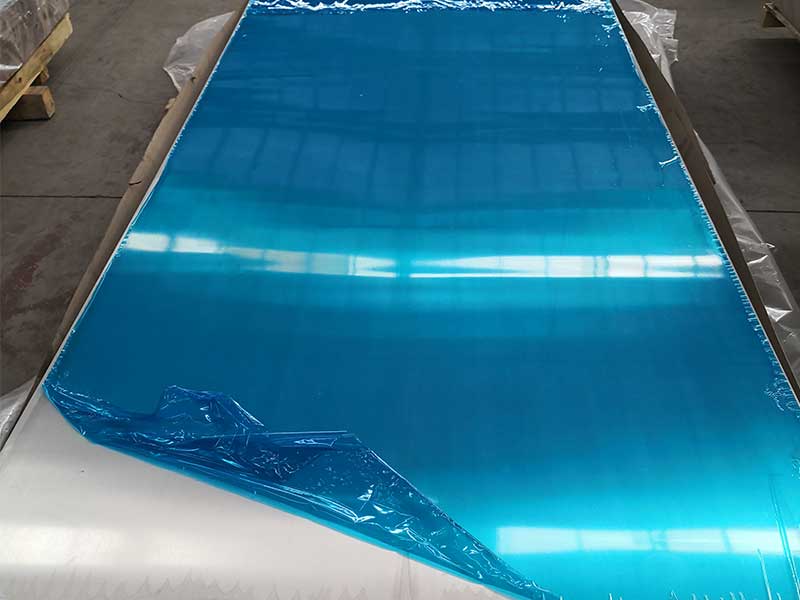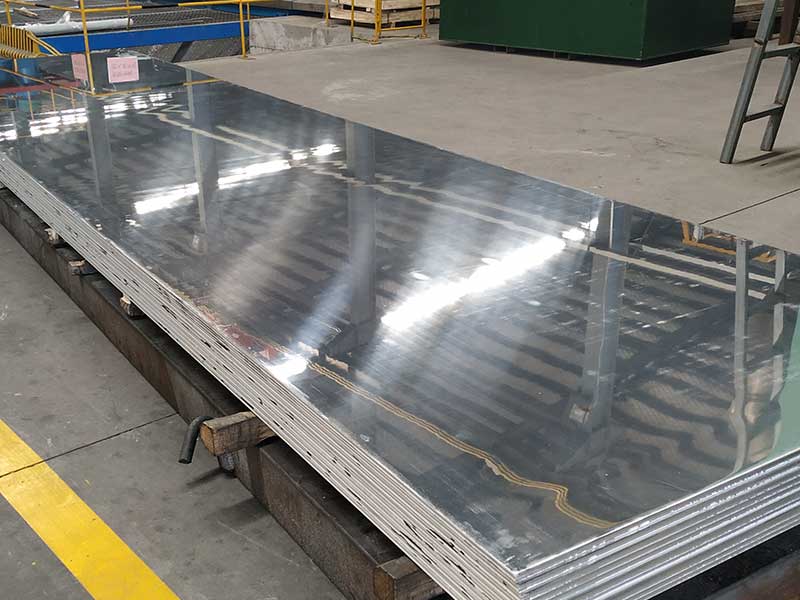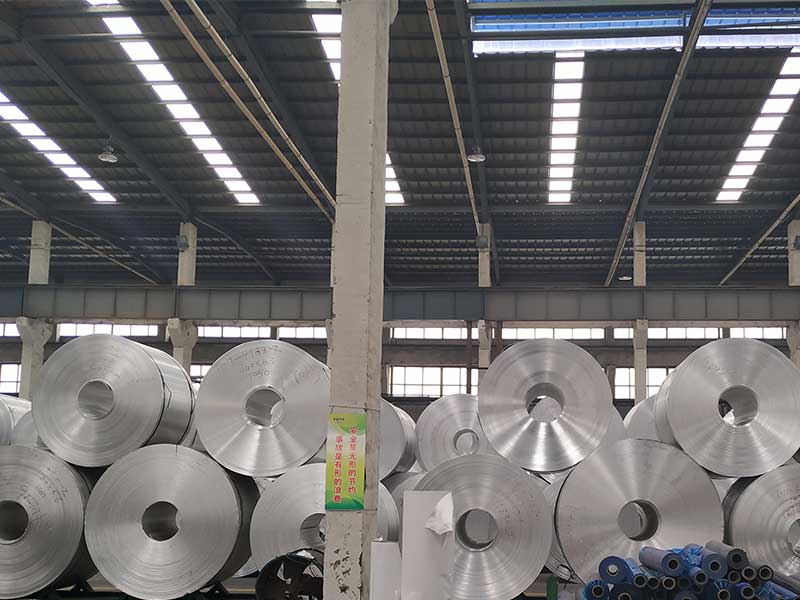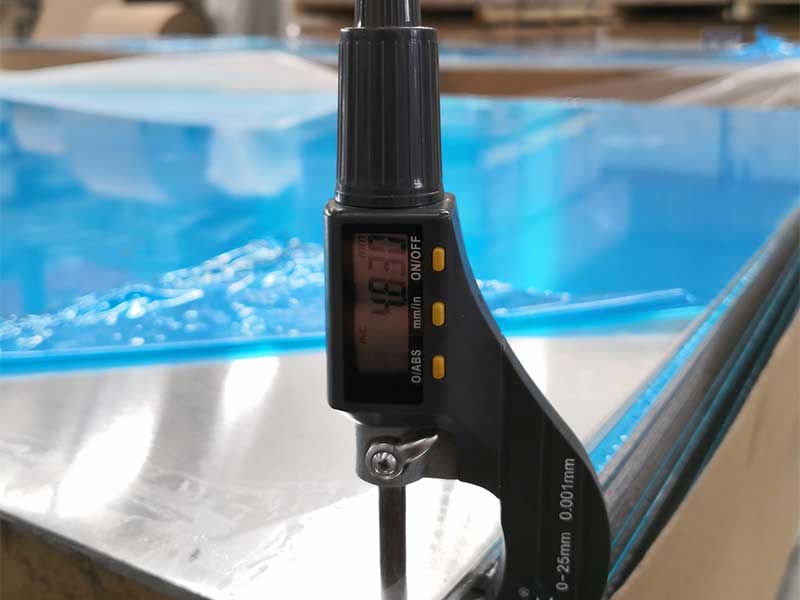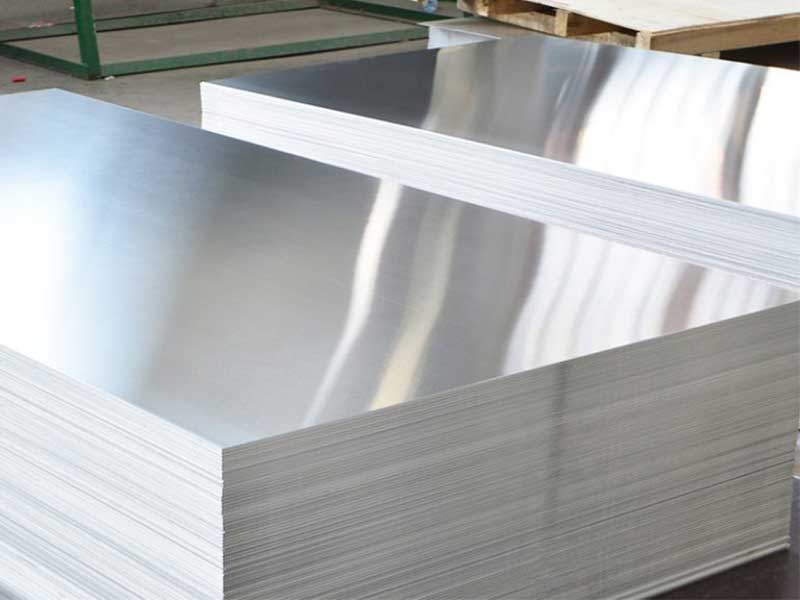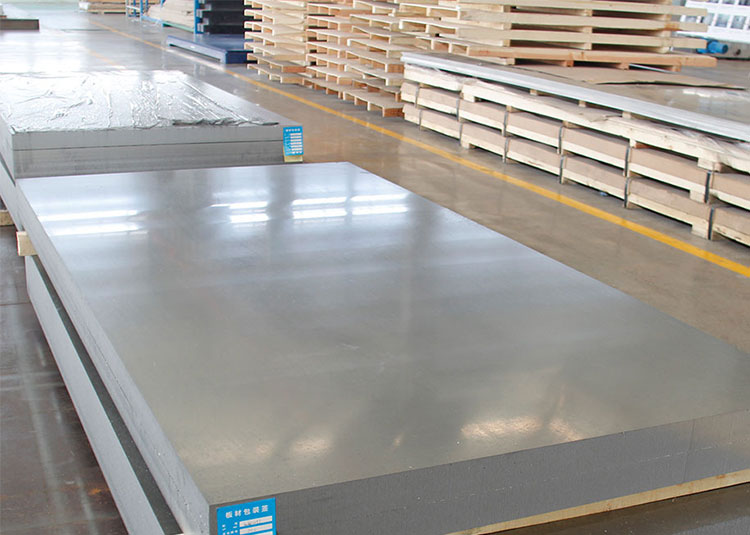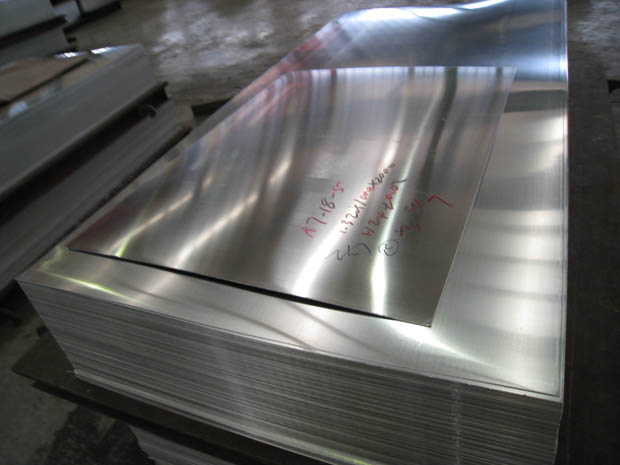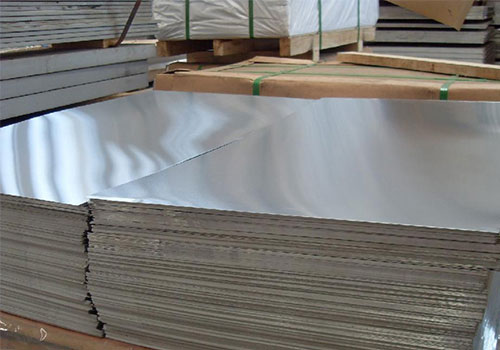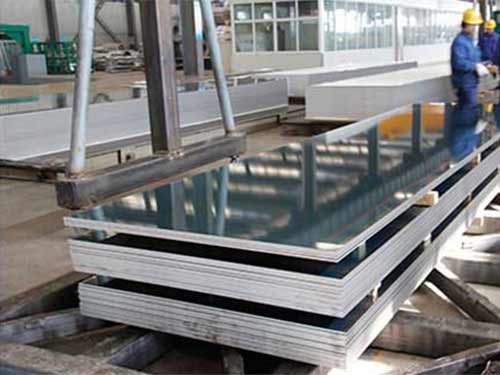
5005 and 5052 aluminum sheet/plate/coil are two of the most widely specified non-heat-treatable (strain-hardenable) aluminum-magnesium alloys used for corrosion-resistant, formable, and weldable products. They share a similar manufacturing footprint-rolled sheet, plate, and coil-yet they serve slightly different performance goals: 5005 is favored for appearance-critical anodized surfaces and general sheet metal, while 5052 is chosen when strength and marine-grade corrosion resistance are required.
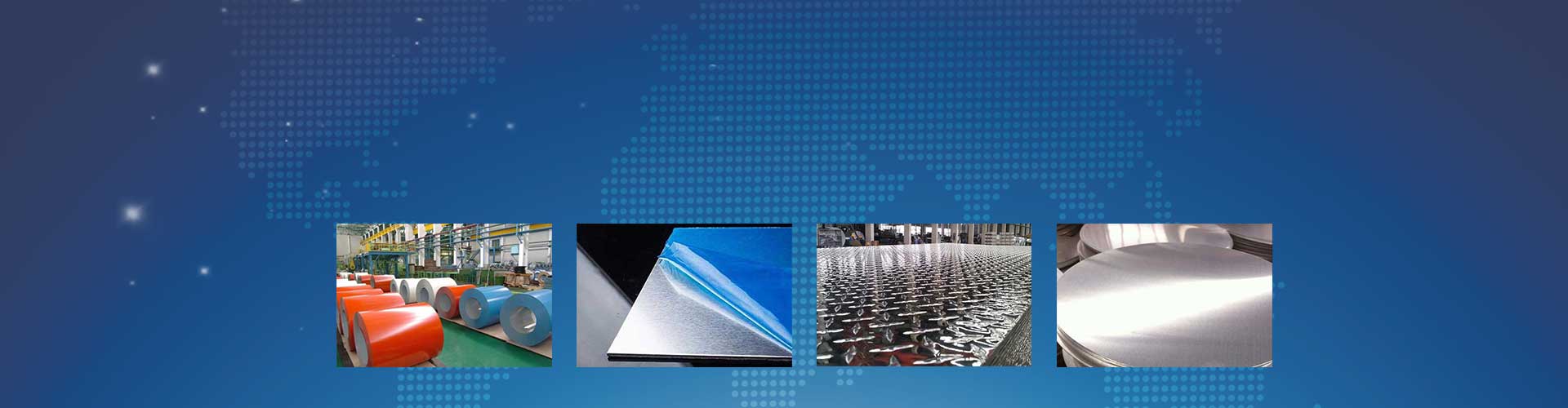
Product forms
- Sheet: typically thin-to-medium gauges for fabrication, forming, enclosures, architectural panels
- Plate: thicker gauges for structural parts, bases, tooling plates, marine and industrial components
- Coil: continuous roll for stamping, roll forming, cladding, and high-throughput production
strengths
- Excellent corrosion resistance (especially 5052)
- Strong forming performance in O/H32 tempers
- High weldability using common aluminum fillers
- Good surface finish options (mill finish, brushed, coated, anodized-5005 excels for anodizing)
2) Alloy Positioning: 5005 vs 5052 (Quick Selection Guide)
| Category | 5005 | 5052 |
|---|---|---|
| Primary alloying | Mg (lower) | Mg (higher) + Cr |
| Typical priority | Surface appearance, anodizing uniformity, general sheet | Higher strength, marine/chemical corrosion resistance |
| Formability | Very good | Very good (slightly higher strength may require higher force) |
| Weldability | Excellent | Excellent |
| Anodizing | Excellent; color match & uniformity | Good (can be less uniform vs 5005 in some decorative finishes) |
| Corrosion resistance | Very good (general) | Excellent (marine/industrial) |
| Relative strength | Moderate | Higher |
| Typical end use | Architectural trim, appliance panels, signage | Boat hull parts, tanks, pressure covers, truck bodies |
3) Chemical Composition (Typical Standards Reference)
Note: Actual limits vary by standard (ASTM B209 / EN / JIS). The table below reflects common composition ranges used in commercial practice.
| Alloy | Mg (%) | Mn (%) | Cr (%) | Si (%) | Fe (%) | Cu (%) | Zn (%) | Ti (%) | Al |
|---|---|---|---|---|---|---|---|---|---|
| 5005 | 0.5–1.1 | ≤0.20 | ≤0.10 | ≤0.30 | ≤0.70 | ≤0.20 | ≤0.25 | ≤0.20 | Balance |
| 5052 | 2.2–2.8 | ≤0.10 | 0.15–0.35 | ≤0.25 | ≤0.40 | ≤0.10 | ≤0.10 | ≤0.15 | Balance |
What the chemistry means
- More Mg (5052) → higher strength and improved resistance in saline/industrial atmospheres.
- Controlled impurities (both alloys) → better formability and more stable corrosion behavior.
- Cr in 5052 → improves resistance to stress corrosion and helps stabilize properties.
4) Mechanical & Physical Performance
4.1 Typical Mechanical Properties by Temper
Values shown are representative for sheet/coil; plate values may differ with thickness. Always confirm mill test certificate (MTC) for guaranteed minima.
| Alloy / Temper | Tensile Strength (MPa) | Yield Strength (MPa) | Elongation (%) | Notes |
|---|---|---|---|---|
| 5005-O | 110–145 | 35–55 | 20–30 | Maximum formability, best for deep drawing |
| 5005-H34 | 170–215 | 140–175 | 6–12 | Stiffer panels, improved dent resistance |
| 5052-O | 170–210 | 65–95 | 18–28 | Good formability with higher baseline strength |
| 5052-H32 | 210–260 | 160–200 | 10–16 | Common "workhorse" temper for marine & tanks |
| 5052-H34 | 230–290 | 180–230 | 8–14 | Higher strength, slightly reduced formability |
4.2 Physical Properties (Similar for Both)
| Property | Typical Value |
|---|---|
| Density | ~2.68–2.70 g/cm³ |
| Elastic Modulus | ~69 GPa |
| Thermal Conductivity | ~130–150 W/m·K (temper dependent) |
| Electrical Conductivity | ~30–40% IACS (alloy/temper dependent) |
| Melting Range | ~605–650 °C |
5) Technical Specifications (Sheet / Plate / Coil)
Below are common supply options for industrial procurement. Availability depends on mill capability and finishing line.
| Item | Typical Range / Option |
|---|---|
| Thickness (sheet/coil) | ~0.2–6.0 mm (common commercial range) |
| Thickness (plate) | ~6–150 mm (by rolling capability) |
| Width | ~500–2200 mm (coil often ≤ 2000 mm) |
| Length (sheet/plate) | Cut-to-length; common 2000–6000 mm |
| Temper options | O, H32, H34 (others on request) |
| Surface finish | Mill finish, brushed, anodized-quality (5005), coated/painted, stucco embossed (coil) |
| Flatness / camber | Controlled by leveling; critical for CNC and enclosure panels |
| Standards | ASTM B209 (sheet/plate), typical equivalent EN/JIS options |
6) Performance Highlights (Why These Alloys Sell)
Corrosion Resistance You Can Rely On
- 5052 is a frequent choice for saltwater exposure, splash zones, and chemical-laden environments due to higher Mg content and excellent resistance to pitting in many service conditions.
- 5005 performs strongly in general atmospheric exposure and indoor/outdoor architectural use.
Formability and Fabrication Efficiency
Both alloys can be:
- bent, roll-formed, stamped, and deep-drawn (best in O and H32)
- welded by MIG/TIG with common fillers (selection depends on design and corrosion requirements)
Practical note: tighter bend radii are easier in O temper, while H32/H34 improves stiffness and dent resistance for panels.
Surface Quality and Finishing
- 5005 is widely recognized for excellent anodizing response, often preferred when consistent cosmetic appearance is required (architectural trims, decorative panels).
- Both alloys accept painting and powder coating well when properly pretreated.
7) Common Applications (Real Use Cases)
| Industry | 5005 Typical Uses | 5052 Typical Uses |
|---|---|---|
| Architecture & building | Anodized trim, curtain wall panels, soffits, signage backers | Exterior panels needing higher strength; brackets and supports |
| Transportation | Interior panels, covers, cosmetic trims | Truck bodies, flooring supports, fuel/utility components |
| Marine | Cabin panels, non-structural covers | Hull components, deck parts, hatches, marine hardware plates |
| HVAC & appliances | Appliance skins, reflectors, housings | Equipment panels, robust brackets, formed covers |
| General fabrication | Enclosures, light-duty formed parts | Tanks, pressure covers (non-ASME), guards, heavy-duty formed parts |
8) Choosing the Right Alloy and Temper (Buyer-Friendly Rules)
| Requirement | Recommended Choice |
|---|---|
| Best anodized appearance and color consistency | 5005 (O / H34 depending on stiffness) |
| Higher strength without moving to heat-treatable alloys | 5052-H32 / H34 |
| Marine exposure / salt spray | 5052 (prefer H32) |
| Deep drawing / maximum formability | 5005-O or 5052-O |
| Stiff panels with good workability | 5005-H34 or 5052-H32 |
| Welded assemblies needing strong corrosion resistance | 5052 |
| Benefit | What It Means for You |
|---|---|
| Long service life | Reduced maintenance in outdoor, industrial, and marine conditions |
| Manufacturing flexibility | One material family covers bending, stamping, welding, and finishing |
| Weight reduction | Lower density vs steel improves payload, handling, and installation |
| Surface versatility | Options for anodized, painted, powder-coated, brushed, or embossed finishes |
| Supply efficiency | Coil enables high-volume throughput; plate supports thick-section machining |