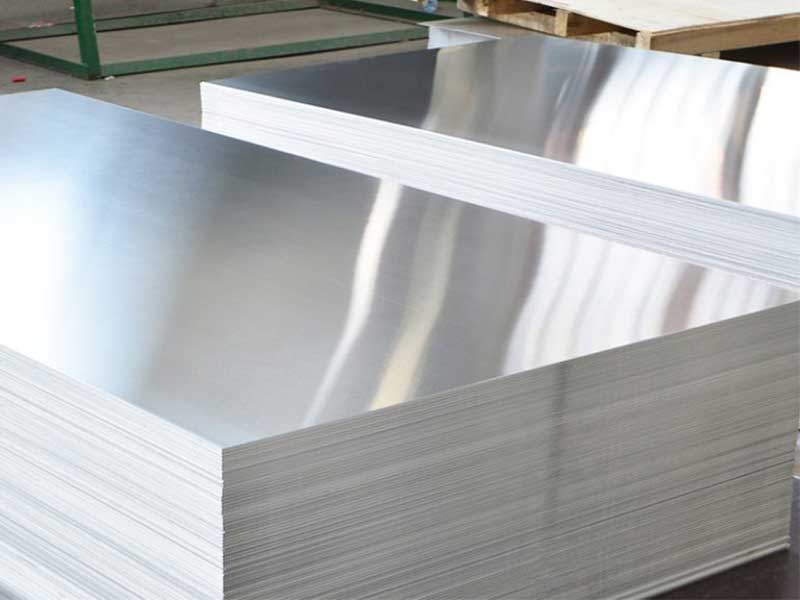
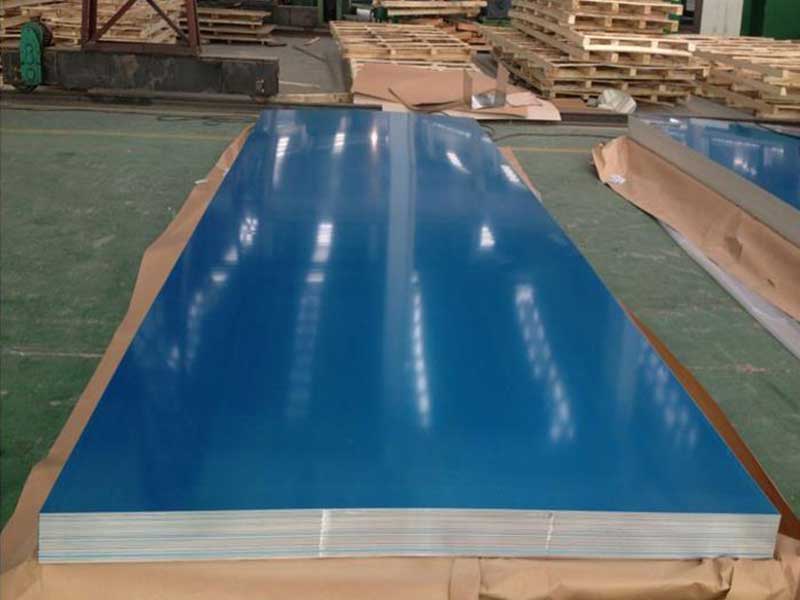
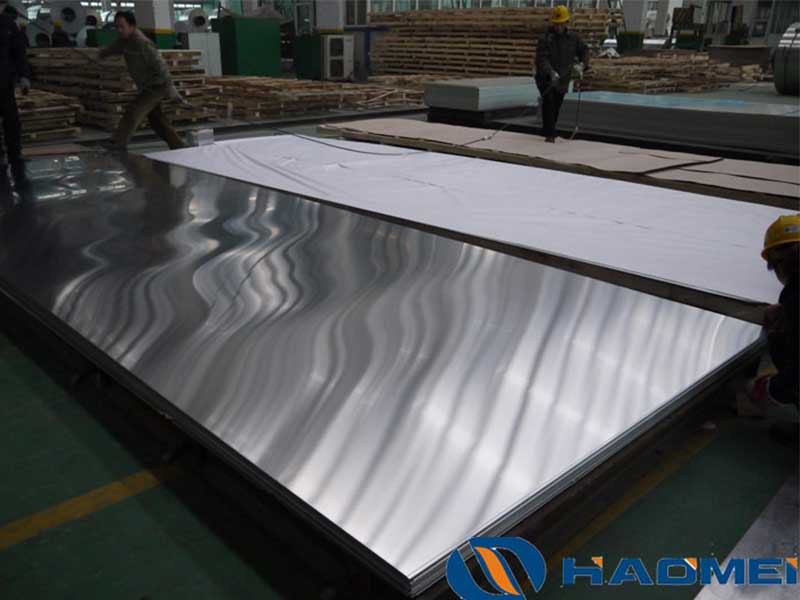
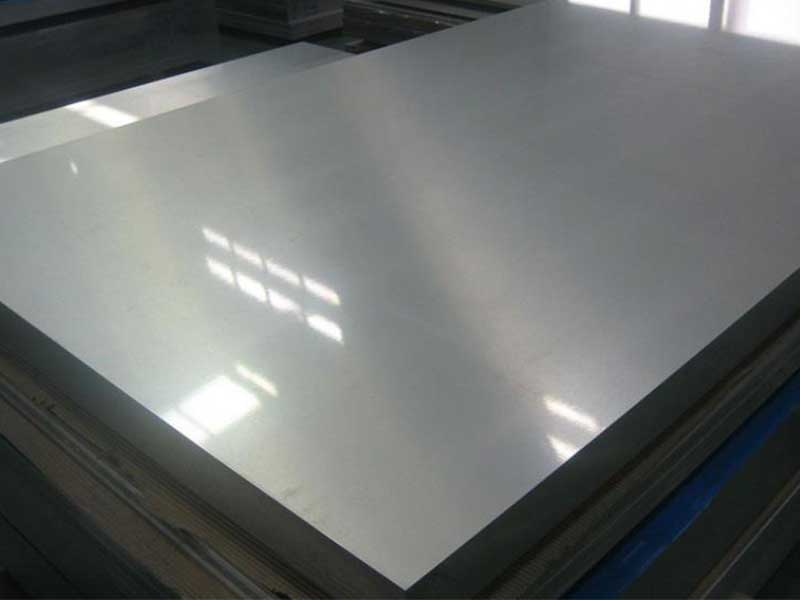
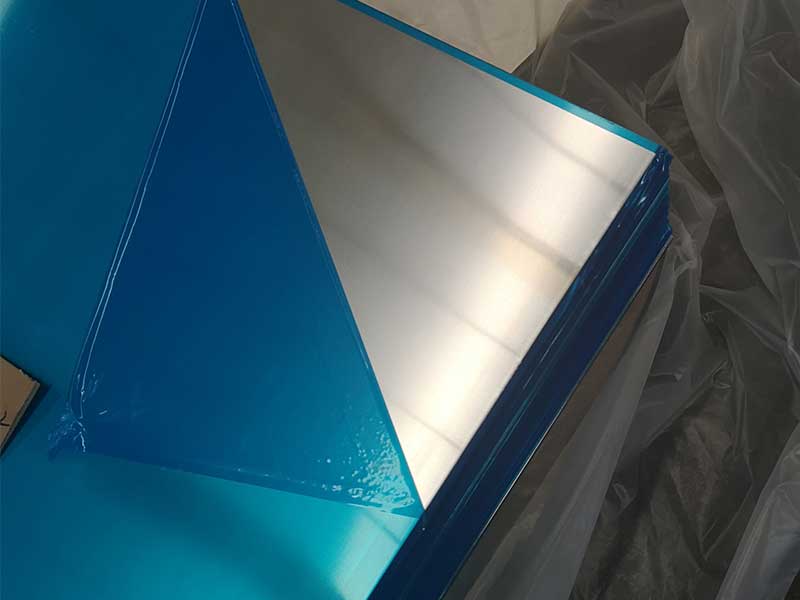
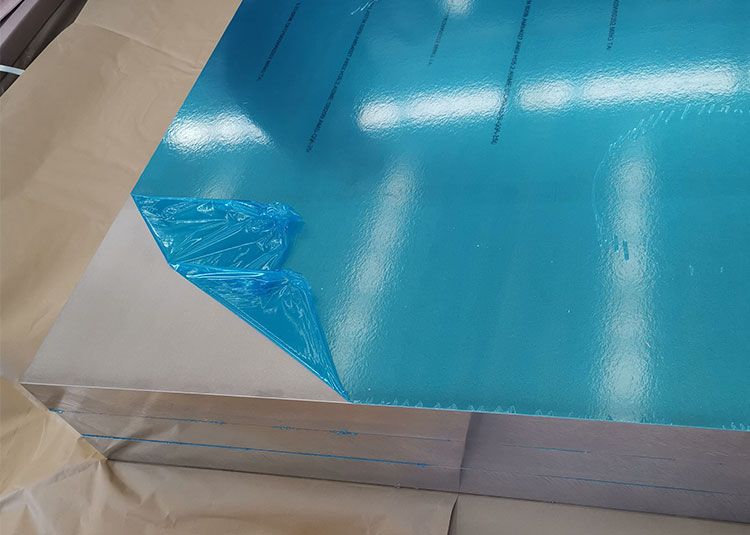
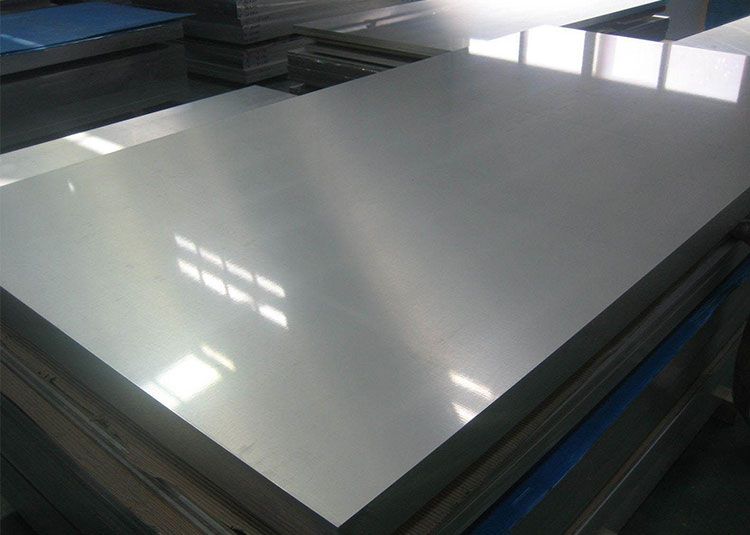
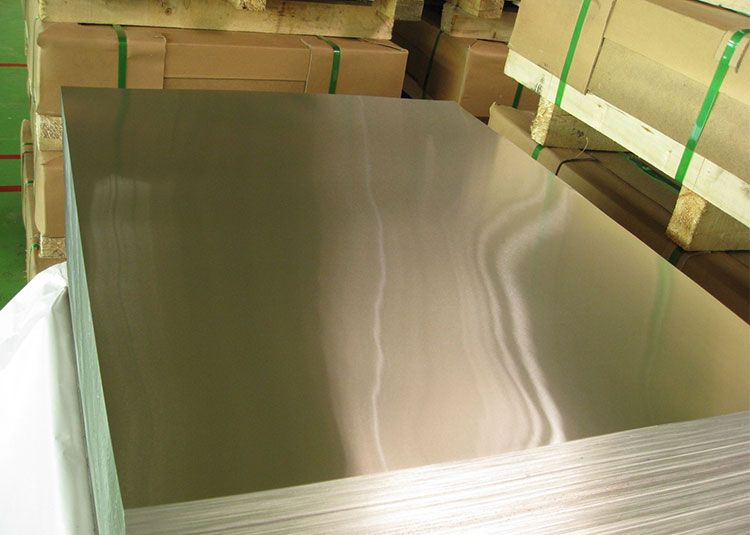
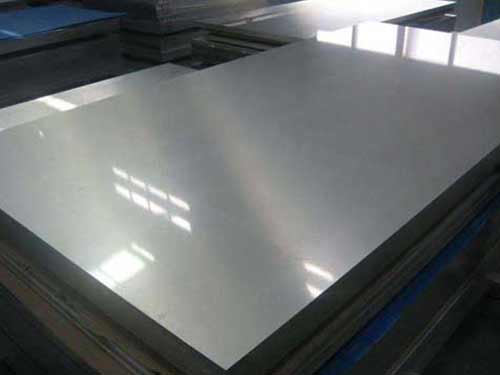
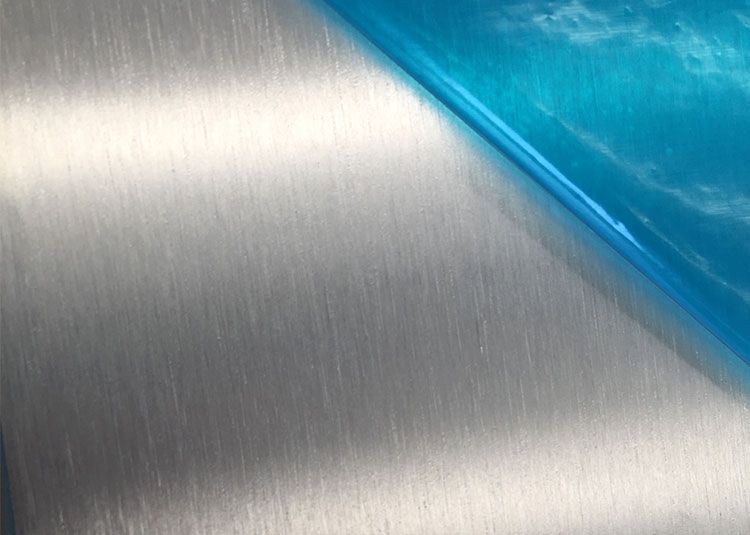
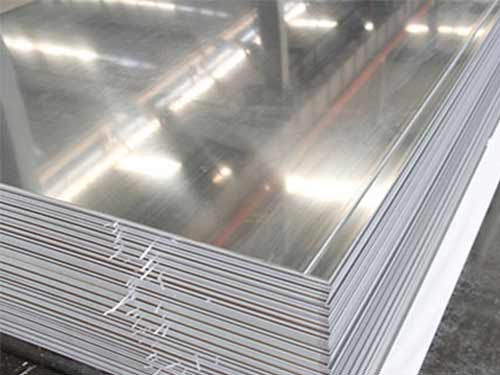
Aluminum sheet DC/CC 1050 3003 in tempers O and H14 is a versatile flat-rolled product designed for customers who want reliable forming, clean surface quality, and predictable mechanical performance. By offering both DC (Direct Chill cast, typically rolled from slab) and CC (Continuous Cast coil, typically rolled from strip) routes, this product family covers a wide range of needs-from deep-drawn parts and cookware to cladding, insulation, signage, and general fabrication.
Grade 1050 brings excellent conductivity and maximum corrosion resistance typical of commercially pure aluminum, while 3003 adds manganese for higher strength and better dent resistance without sacrificing good formability. Choosing O (annealed) or H14 (half-hard, strain-hardened) further fine-tunes the balance between forming behavior and stiffness.
Product snapshot
| Item | Options |
|---|
| Alloy | 1050 (commercially pure Al), 3003 (Al-Mn) |
| Temper | O (soft/annealed), H14 (half-hard) |
| Casting route | DC (slab-based), CC (continuous cast coil) |
| Typical finish | Mill finish; surface treatments available by request |
| Typical supply form | Coil or cut-to-length sheets |
| Strength/forming focus | O: maximum formability, H14: better rigidity & flatness |
What "DC" and "CC" mean for customers
| Attribute | DC (Direct Chill) | CC (Continuous Cast) |
|---|
| Strength consistency | Very stable across coil | Stable; optimized for high-volume |
| Formability | Excellent, especially for deep draw | Very good; depends on reduction schedule |
| Surface quality potential | High, suitable for demanding appearance | Good; widely used for general/industrial |
| Cost efficiency | Competitive | Often very cost-effective for wide coils |
| Typical use | High-forming parts, premium sheet, precise performance | Roofing/insulation, closures, general fabrication, high throughput |
Both routes can meet common sheet requirements when processed correctly. If your job prioritizes deep drawing, complex forming, or premium cosmetic appearance, DC is frequently selected. If you prioritize cost efficiency and steady supply volume, CC is often the preferred route.
features by alloy
| Feature | 1050 Aluminum Sheet | 3003 Aluminum Sheet |
|---|
| Main advantage | High purity, top corrosion resistance, high conductivity | Higher strength, better dent resistance, great general-purpose alloy |
| Typical forming | Excellent (especially in O) | Excellent to very good (O best for deep draw) |
| Welding/brazing | Very good | Very good |
| Corrosion resistance | Excellent | Excellent |
| Common industries | Electrical, reflectors, chemical/light-duty | HVAC, cookware, panels, enclosures, general fabrication |
1050 is often chosen when conductivity or maximum corrosion performance matters. 3003 is the "workhorse" sheet alloy when you want a noticeable step up in strength with minimal trade-off in processing.
Temper selection: O vs H14 (what changes in practice)
| Temper | Description | What it's best for | Typical customer benefit |
|---|
| O | Fully annealed, soft | Deep drawing, spinning, bending, embossing | Lowest springback, smooth forming, reduced cracking risk |
| H14 | Strain-hardened to half-hard | Panels, covers, light structural skins, parts needing stiffness | Better flatness retention, higher dent resistance, improved handling |
If you plan to stamp, deep draw, or spin, O temper usually gives the most stable process window. If you want stiffer sheet with less waviness and better "feel" in fabrication, H14 is a practical choice.
Chemical composition (typical limits)
1050 chemical composition
| Element | Si | Fe | Cu | Mn | Mg | Zn | Ti | Al |
|---|
| 1050 (wt%) | ≤0.25 | ≤0.40 | ≤0.05 | ≤0.05 | ≤0.05 | ≤0.05 | ≤0.03 | ≥99.50 |
3003 chemical composition
| Element | Si | Fe | Cu | Mn | Mg | Zn | Ti | Al |
|---|
| 3003 (wt%) | ≤0.60 | ≤0.70 | 0.05–0.20 | 1.0–1.5 | ≤0.05 | ≤0.10 | ≤0.20 | Balance |
Composition can be tailored within standard limits to support specific forming, strength, or finishing requirements.
Mechanical properties (typical values)
Actual properties depend on thickness, processing route, and final rolling schedule. The values below are commonly used as ordering references.
| Alloy / Temper | Tensile Strength (MPa) | Yield Strength (MPa) | Elongation (%) |
|---|
| 1050-O | 60–90 | 20–35 | 25–40 |
| 1050-H14 | 95–125 | 75–105 | 4–10 |
| 3003-O | 90–130 | 35–55 | 20–35 |
| 3003-H14 | 140–180 | 115–155 | 3–10 |
For forming-heavy parts, elongation and uniformity matter as much as strength. For panels and skins, yield strength and dent resistance are often the deciding factors.
Typical technical specifications (common supply range)
These ranges are widely achievable in industrial production; confirm final limits based on your application, standard, and tolerance class.
| Parameter | Typical Range / Option |
|---|
| Thickness | 0.20–6.00 mm |
| Width | 20–2000 mm |
| Length (sheet) | 500–6000 mm |
| Coil ID | 150 / 300 / 505 mm (common) |
| Coil OD | Up to ~1800 mm (depends on weight & thickness) |
| Standard references | ASTM B209, EN 485 (or equivalent customer specs) |
| Protective options | Interleaving paper/film, PVC film, anti-scratch packaging |
Performance highlights customers notice
| Topic | What to expect |
|---|
| Formability | O temper excels in deep draw, flanging, and spinning; 3003-O is a favorite for cookware and HVAC shells |
| Surface quality | Consistent rolling control supports clean mill finish; film protection helps prevent transit scratches |
| Corrosion resistance | Strong natural oxide layer; both alloys perform well in atmospheric service |
| Joining | Excellent weldability; adhesive bonding and mechanical fastening are also common |
| Finishing | Suitable for painting, coating, and many decorative finishes with correct pretreatment |
Applications
| Industry | Typical parts using 1050 / 3003 in O or H14 |
|---|
| HVAC & insulation | Jacketing, cladding, ductwork, insulation covers (often 3003-H14 or 1050-H14) |
| Cookware & kitchen | Pots, pans, lids, spun or drawn components (often 3003-O; 1050-O for specific forming or conductivity needs) |
| Signage & display | Sign panels, nameplates, reflectors (1050 for reflectivity; H14 for stiffness) |
| General fabrication | Covers, enclosures, brackets, guards (3003-H14 for rigidity) |
| Building & decoration | Trims, flashings, interior panels (H14 common) |
| Electrical & thermal | Bus-related sheet parts, heat-spreader components (1050 for conductivity) |
Ordering guidance (quick selection)
| If you need… | Recommended choice |
|---|
| Maximum deep draw / spinning performance | 3003-O or 1050-O (choose by strength vs conductivity needs) |
| Better dent resistance and stiffer panels | 3003-H14 |
| High conductivity or high reflectivity base | 1050 (O or H14 depending on stiffness) |
| Cost-effective wide coil supply | CC route (confirm forming requirement) |
| Premium forming uniformity / demanding appearance | DC route |
Provide the intended process (bending radius, draw depth, stamping severity), finishing plan (paint/anodize/lamination), and thickness range to lock in the best combination of alloy, temper, and route.
Quality & packaging options
| Option | Purpose |
|---|
| Mill test certificate (MTC) | Confirms chemistry and mechanical properties |
| Surface protection film | Reduces scratches during fabrication |
| Anti-moisture packing | Helps prevent storage stains during transit |
| Edge protection | Minimizes handling damage |
| Slitting / cut-to-length | Improves production efficiency at customer site |
Aluminum sheet DC/CC 1050 3003 O H14 offers a flexible choice of alloy, temper, and casting route for fast, reliable manufacturing. 1050 delivers excellent corrosion resistance and high conductivity, while 3003 provides higher strength and dent resistance for HVAC, cookware, cladding, signage, and general fabrication. Select O temper for maximum formability and deep drawing, or H14 for improved stiffness and handling. Available in coil or sheet with customizable thickness, width, and protective packaging, this product is an efficient, widely used solution for industrial and commercial aluminum sheet applications.