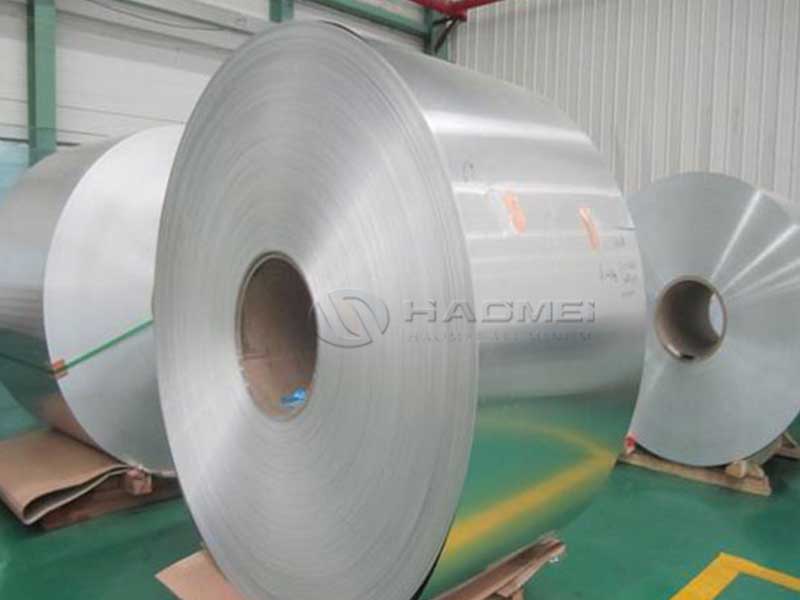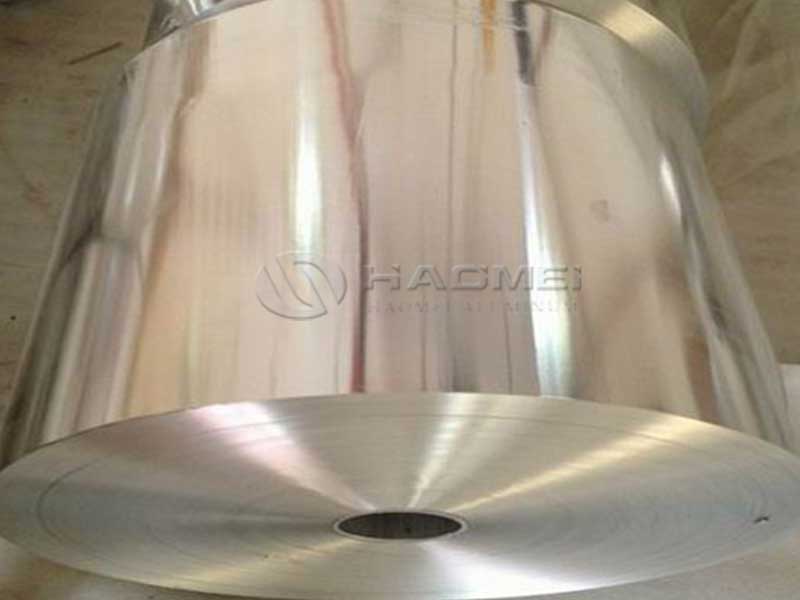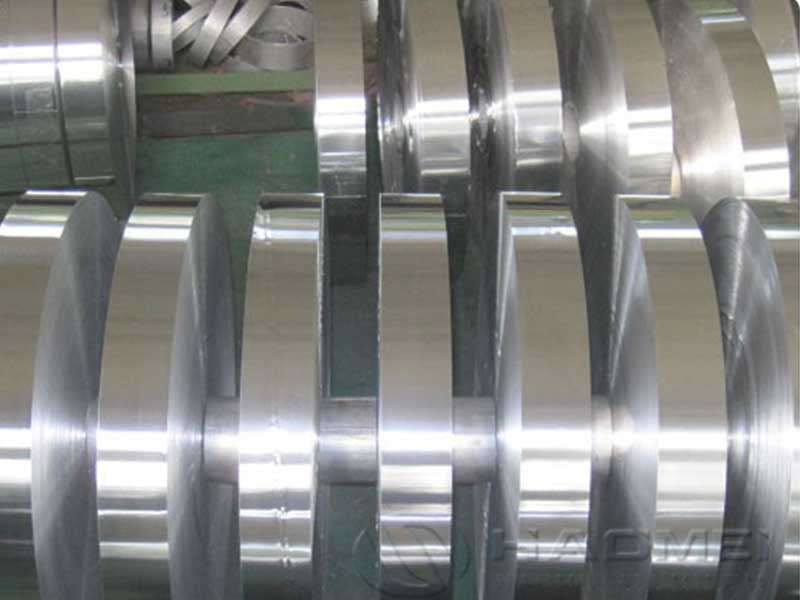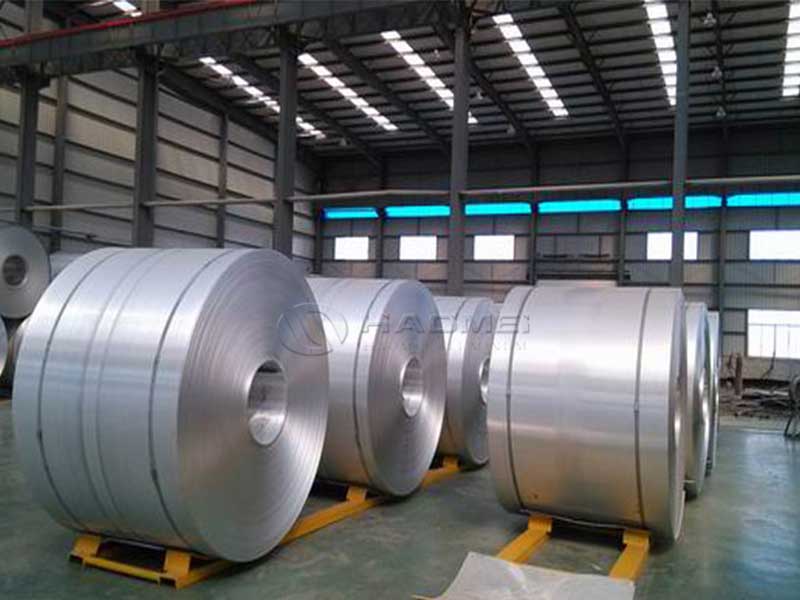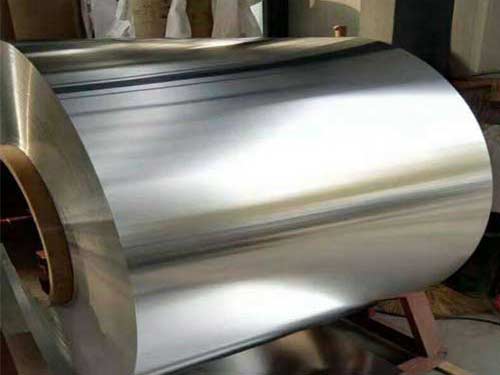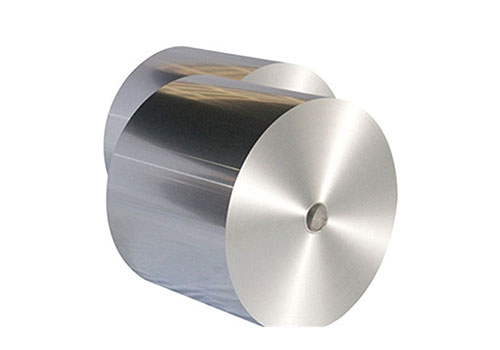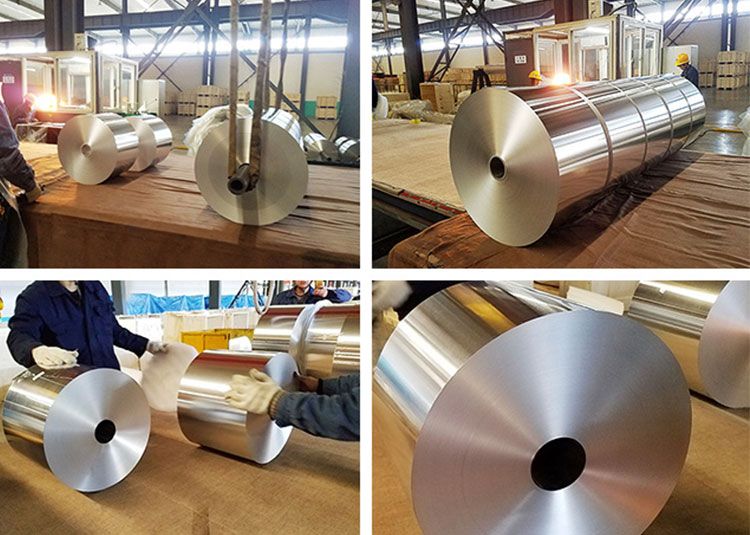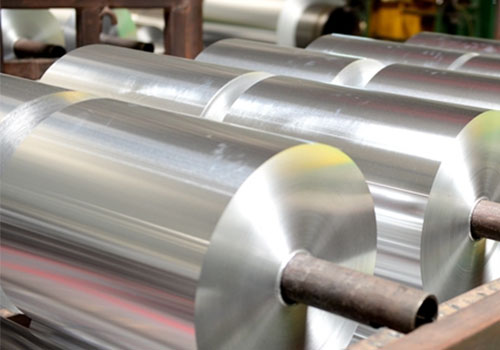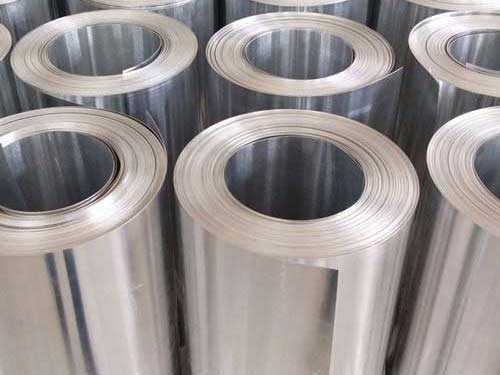

3003 aluminum foil is a workhorse material in the packaging industry, valued for its excellent formability, reliable barrier performance, corrosion resistance, and cost-effective strength. As an Al–Mn alloy (3xxx series), it is engineered to perform consistently in demanding converting operations-rolling, laminating, embossing, printing, and heat-sealing-while helping packaged goods maintain freshness, safety, and shelf appeal.
Why 3003 Aluminum Foil Is a Packaging Favorite
3003 sits in the sweet spot between ultra-soft pure aluminum foils (like 1235/1050) and higher-strength structural alloys. The manganese addition improves strength and fatigue resistance without sacrificing the ductility required for thin-gauge foil processing.
Features at a Glance
- Strong barrier against light, oxygen, moisture, and odors (especially in laminated structures)
- Superior formability for deep embossing, folding, wrapping, and container forming
- Good corrosion resistance, particularly in humid storage and mild chemical exposure
- Stable converting behavior (printing, laminating, slitting) with consistent surface quality
- Recyclable and lightweight, helping reduce packaging mass and support sustainability goals
Typical Packaging Applications
3003 foil is widely used across food, pharmaceutical, and industrial packaging where both processability and pack integrity are critical.
Common Use Cases
- Food packaging
- Wraps, overwraps, and household foil variants requiring higher toughness
- Retortable or heat-resistant laminated structures (with appropriate adhesives/films)
- Lids and seals (yogurt lids, cups, trays) in laminated or coated formats
- Pharmaceutical & medical
- Sachets, strip packs, and protective wraps where barrier and cleanliness matter
- Industrial packaging
- Insulation facings, protective wraps, chemical product overwraps
- Container and tray stock (thin gauge)
- Formed foil containers and lids where controlled strength improves shape retention
Selection note: For blister (PTP) applications, dedicated blister alloys (often 8011/8021) are typical; 3003 is more common in general packaging foil and formed/laminated structures requiring a balance of toughness and formability.
Alloy Chemistry (Typical)
3003 is defined by manganese as the primary alloying element, with controlled levels of iron and silicon.
Chemical Composition (wt.%)
| Element | Mn | Si | Fe | Cu | Zn | Mg | Al |
|---|---|---|---|---|---|---|---|
| Typical Range | 1.0–1.5 | ≤0.6 | ≤0.7 | 0.05–0.20 | ≤0.10 | ≤0.05 | Balance |
Note: Exact limits follow the governing standard (e.g., ASTM B209 / EN equivalent) and the supplier's melt control.
Technical Specifications for Packaging Foil
Packaging performance depends less on "one number" and more on a balanced spec: thickness accuracy, pinhole control, surface cleanliness, and temper selection.
Typical Supply Parameters
| Item | Typical Range / Options | Why It Matters in Packaging |
|---|---|---|
| Thickness | 0.006–0.200 mm (6–200 μm) | Barrier level, stiffness, forming ability, cost |
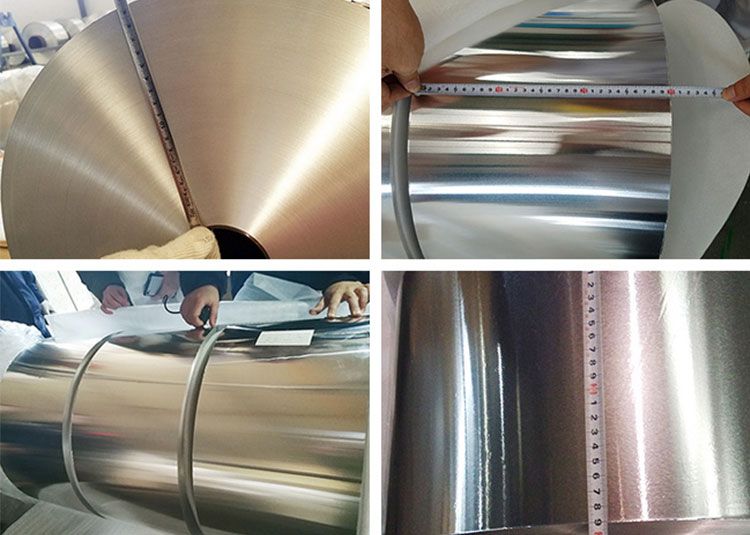
| Width | 100–1600 mm (custom) | Compatibility with printing/laminating/slitting lines |
| Inner Diameter (ID) | 76 mm / 152 mm (3" / 6") | Converter spindle compatibility |
| Temper | O (soft), H18 (hard), Hxx (intermediate) | Controls formability vs. stiffness and dead-fold |
| Surface | One-side bright / two-side bright / matte | Influences printability, appearance, bonding |
| Finish options | Degreased, corona-ready (when laminated), primer-coated | Adhesion consistency and cleanliness |
| Core / Packing | Export seaworthy, moisture-proof | Prevents oxidation, telescoping, edge damage |
Mechanical Properties (Foil-Relevant Guidance)
Mechanical properties vary significantly with thickness, rolling practice, and temper. For packaging, temper selection is usually the most important lever.
Typical Mechanical Property Windows (Reference)
| Temper | Typical Character | Tensile Strength (MPa) | Elongation (%) | Packaging Impact |
|---|---|---|---|---|
| O (Annealed) | Soft, highly formable | ~90–130 | ~12–25 | Best for deep forming, wrapping, embossing |
| H18 (Full hard) | Maximum stiffness | ~160–200 | ~1–5 | Best for lids/laminates needing stiffness & machineability |
| Intermediate (H14/H16 etc.) | Balanced | ~120–170 | ~4–12 | Good for general converting & dimensional stability |
Values are indicative. Final properties depend on gauge and processing; confirm with mill test certificates (MTC).
Packaging Performance: What Customers Actually Feel
1) Barrier & Shelf-Life Support
Aluminum foil is a near-complete barrier when intact. 3003 foil performs especially well in laminated structures (foil + PE/PET/PA) where the foil layer blocks gases and light while polymer layers provide sealability and puncture resistance.
Best-fit products: coffee, tea, snacks, spices, dairy lids, dry powders, and many premium overwraps.
2) Formability, Dead-Fold, and "Wrap Confidence"
3003's improved toughness helps reduce tearing during aggressive folding and high-speed wrapping. In soft temper, it shows strong dead-fold behavior-staying folded to hold shape without elastic spring-back.
Value to converters: fewer line stops, cleaner folds, and better consumer experience.
3) Corrosion Resistance and Surface Stability
With good corrosion resistance in typical storage environments, 3003 maintains surface integrity for printing and laminating. Clean rolling and degreasing practices are critical to avoid adhesion defects or odor transfer.
Practical benefit: more stable lamination bond strength and improved print uniformity.
4) Pinhole Control (Critical at Thin Gauges)
At very thin gauges, pinholes become a risk to barrier performance. 3003's toughness can help reduce damage during converting, but process control (cleanliness, rolling quality, handling protection) remains essential.
Typical Quality Metrics (Commonly Specified)
| Metric | Typical Expectation (Converter-Dependent) | Why It Matters |
|---|---|---|
| Thickness tolerance | Tight, application-driven | Consistent sealing, forming depth, cost control |
| Pinhole count | Controlled per area standard | Barrier performance and shelf-life |
| Surface cleanliness | Low residual oil, low odor | Lamination/printing adhesion; food-contact suitability |
| Edge quality | Minimal burrs/waves | Slitting efficiency, safety, unwind stability |
| Flatness / coil set | Controlled | Prevents wrinkling and registration issues |
Product Forms & Structures
3003 foil can be supplied as:
- Bare foil (soft/hard)
- Laminated foil (e.g., PET/AL/PE, PA/AL/PE)
- Coated/printed foil (primer + ink systems)
- Embossed foil (decorative, anti-slip, improved handling feel)
A typical high-barrier packaging laminate may be:
| Structure Example | Typical Use | Advantage |
|---|---|---|
| PET / AL(3003) / PE | Pouches, sachets | Printability + barrier + sealability |
| Paper / AL(3003) / PE | Wraps, cartons liners | Stiff feel + barrier + heat seal |
| AL(3003) / Lacquer | Lids, wraps | Product compatibility + sealing |
| Benefit | What It Means for You |
|---|---|
| Reliable converting | Smoother slitting, laminating, printing, and fewer breaks |
| Balanced strength & ductility | Better fold performance and tear resistance than very pure foils in similar use |
| Strong barrier in laminates | Longer shelf life, aroma retention, light protection |
| Attractive surface | Premium appearance for branding and shelf display |
| Recyclability | Aluminum is widely recyclable; lightweight lowers transport impact |
How to Specify 3003 Foil for Packaging (Quick Checklist)
To get consistent results, specify beyond just "3003 foil":
- Thickness & tolerance (by application and line capability)
- Temper (O for forming/wrap; H18 for stiffness/machineability)
- Surface requirement (bright/matte, one-side bright, cleanliness level)
- End-use (food contact, pharma, industrial) and required compliance documents
- Quality targets (pinhole limit, edge quality, coil winding direction, splice policy)
Closing: Where 3003 Shines Most
3003 aluminum foil for packaging is a high-value choice when you need formability plus toughness, dependable converting performance, and strong barrier capability within well-designed laminate or coated systems. For brands and converters, it delivers a practical combination of process efficiency, packaging integrity, and premium presentation-without the complexity or cost of more specialized alloys.