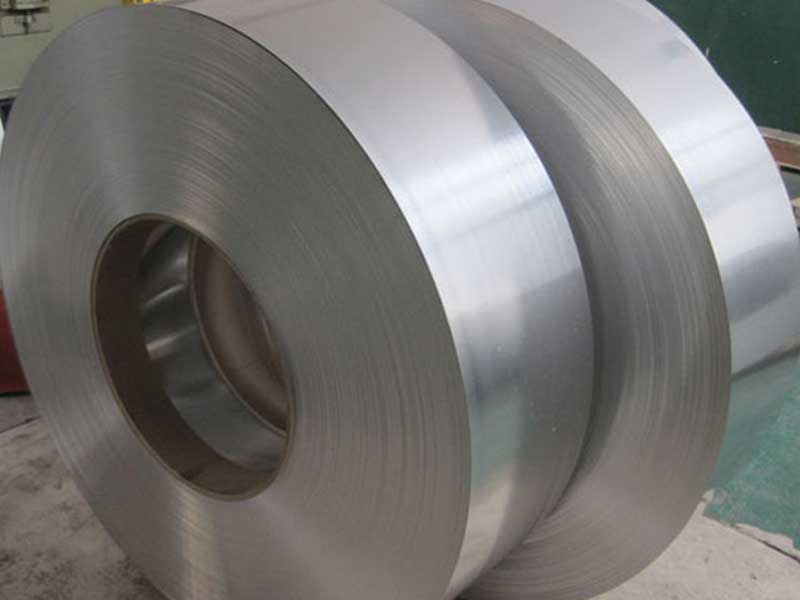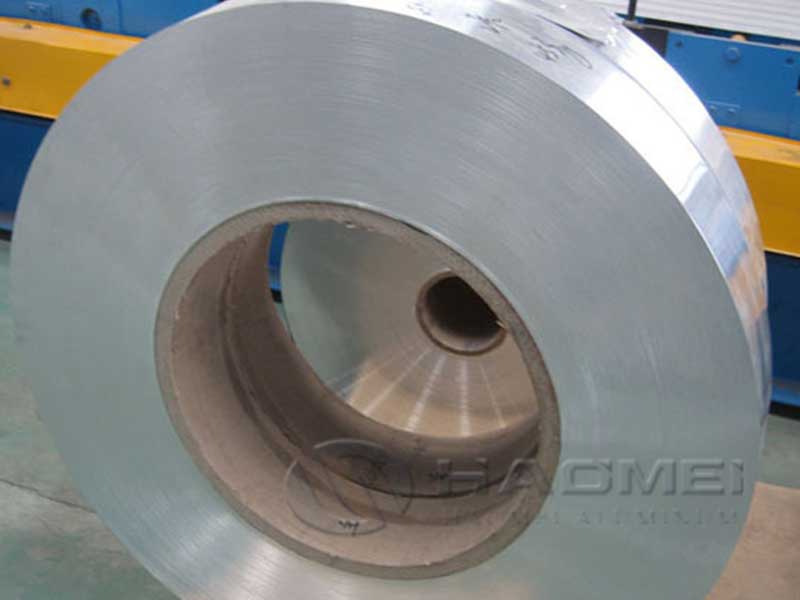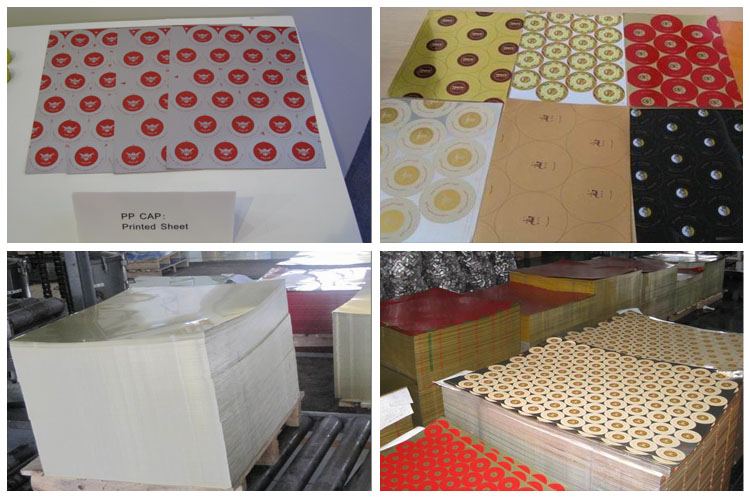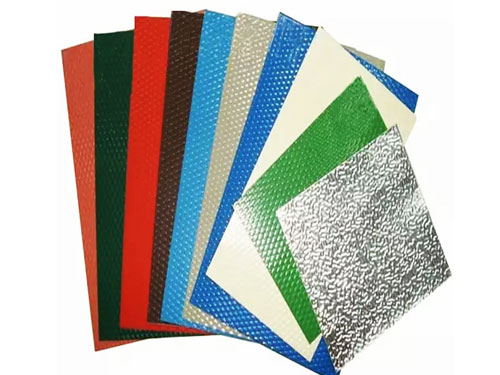

Aluminium Foil for Pharmaceutical Circle Packaging: Precision Protection in a Perfectly Round Format
Pharmaceutical circle packaging-round discs, lidding circles, die-cut seals, and circular punch foils-looks simple at first glance. Yet this "circle" format is one of the most demanding applications for aluminium foil because every millimeter must perform: it must seal consistently, open cleanly, block moisture and oxygen, resist pinholes, and remain stable across sterilization, storage, and transport. From a distinctive viewpoint, aluminium foil here is not merely a barrier layer; it is a calibrated functional surface that translates heat, pressure, chemistry, and time into reliable drug protection.
Why the circle format changes the technical requirements
Circular packaging is often used as a seal or lidding element where symmetry matters, such as cup seals, vial or bottle induction seals with circular liners, and specialized pharmaceutical unit packs. Compared with rectangular webs, circles introduce tighter constraints on material uniformity because die-cutting and sealing stress concentrate along the curved edge. That edge becomes the "performance border" where failures show up first: edge lift, micro-channels, feathering, or uneven peel.
For this reason, aluminium foil for pharmaceutical circles is selected and engineered less like a commodity and more like a precision substrate. The foil's alloy, temper, thickness, surface condition, and coating system must cooperate so the final disc behaves predictably during stamping, sealing, and opening.
Core functions: barrier, seal, integrity, and compliance
Aluminium foil remains the benchmark for pharmaceutical protection because it provides an almost absolute barrier against water vapor, oxygen, light, odors, and many volatile contaminants. In circular packaging, the barrier role becomes even more valuable because the seal is commonly the only "roof" above a sensitive product inside a cup, bottle, or cavity. A high-integrity foil disc blocks diffusion pathways that would otherwise enter through polymer lids.
Sealing performance is the second mission. Depending on the application, circles may be heat-sealed, induction sealed, or cold-formed/laminated into a multilayer structure. The foil must distribute heat evenly across the circular area, especially near the rim, while maintaining compatibility with heat-seal lacquers (HSL), polymer layers, or wax systems.
Mechanical integrity is the third mission. Circular stamping and handling demand controlled ductility and tensile behavior to prevent cracking, wrinkling, or edge burrs. The foil's grain structure and temper determine whether the disc cuts cleanly and remains dimensionally stable.
Finally, compliance is non-negotiable. Pharmaceutical packaging foils are expected to align with recognized standards for material safety, cleanliness, and good manufacturing practices, and to support traceability and validation in regulated production.
Typical applications for pharmaceutical aluminium circles
Aluminium foil circles appear across multiple pharma packaging formats:
- Induction sealing liners for HDPE/PET bottles containing tablets, capsules, powders, or effervescent products
- Heat-seal lidding circles for pharmaceutical cups or small containers, often combined with easy-peel coatings
- Die-cut barrier seals used as tamper evidence or secondary protection under caps
- Sterile product closures where a clean peel and strong barrier are required, typically within validated filling environments
The defining advantage in all these uses is the same: aluminium provides a stable, high-barrier surface that can be engineered for either strong bonding or controlled peel-without sacrificing shelf-life.
Parameters that customers evaluate first
For quick selection, buyers often start with a small set of measurable parameters. In practice, these parameters determine whether the circular seal runs smoothly on the line and remains reliable in distribution.
Common parameter ranges for pharmaceutical circle foil include:
- Foil thickness: typically 0.020–0.050 mm depending on stiffness, barrier margin, and converting method
- Diameter tolerance: matched to die tooling; tight tolerances reduce edge defects and ensure consistent seal band width
- Pinholes: extremely low allowable levels; pinhole control is critical for moisture-sensitive drugs
- Tensile strength and elongation: balanced for clean die-cutting and resistance to cracking
- Surface cleanliness and wettability: required for consistent coating adhesion and print performance
- Coating thickness and uniformity: essential for peel consistency and induction sealing reliability
In circular packaging, the "seal band" around the perimeter is the high-risk area. Slight variations in thickness, coating weight, or temper can create uneven heat transfer, which becomes visible as partial bonding or peel tearing at the edge.
Alloy and temper: the hidden drivers of stamping and sealing
Most pharmaceutical aluminium foils for sealing and lidding are produced from 1xxx and 8xxx series alloys. The choice affects formability, strength, and pinhole resistance.
- 8011 alloy is widely used due to good strength, formability, and barrier performance, especially for packaging foils and laminated structures.
- 1235 alloy is known for high purity and strong barrier performance, often selected where excellent ductility and cleanliness are desired.
- 8079 alloy is frequently used for high-end packaging, valued for strength and pinhole resistance in thin gauges.
Temper selection shapes how the foil behaves during die-cutting into circles:
- O temper (soft) supports better formability and reduces cracking risk during converting, useful when the disc must accommodate forming or irregular pressure distribution.
- H18/H19 (hard) improves stiffness and handling, but may increase the risk of edge cracking if the tool design or process is not optimized.
- Intermediate tempers can be specified to balance flatness, cut quality, and seal performance.
When circles must peel cleanly, temper also influences how the foil "tears" under stress. A controlled microstructure helps achieve a stable peel path when combined with an appropriate coating system.
Implementation standards and quality expectations
Pharmaceutical foil is typically produced and controlled under packaging-focused quality systems, and may be supplied in accordance with customer specifications aligned to the following common references:
- ISO 9001 quality management systems are widely used for manufacturing control and traceability
- ISO 15378 is often applied for primary packaging materials for medicinal products, integrating GMP principles
- Pharmacopoeial and food-contact frameworks may be referenced depending on region and product-contact classification
- REACH and RoHS expectations can apply for restricted substances, particularly for inks, coatings, and additives
Beyond certificates, pharmaceutical buyers usually validate performance through incoming QC and line trials, focusing on coating adhesion, seal strength, peel behavior, migration risk (where relevant), and aging stability.
Chemical properties: aluminium as a stable barrier substrate
Aluminium foil's base metal is generally stable in dry environments and provides excellent resistance to many atmospheric exposures. In pharmaceutical packaging, the is not only corrosion resistance but also controlled interaction with coatings and adhesives. Aluminium naturally forms a thin oxide layer that supports adhesion when properly treated, but surface preparation and storage conditions must be controlled to avoid contamination that could affect sealing.
Below is a simplified chemical composition table for commonly used pharmaceutical foil alloys. Actual limits vary by standard and supplier specification.
| Alloy | Al (min) | Si (max) | Fe (max) | Cu (max) | Mn (max) | Mg (max) | Zn (max) | Ti (max) |
|---|---|---|---|---|---|---|---|---|
| 1235 | 99.35% | 0.10% | 0.65% | 0.05% | 0.05% | 0.05% | 0.10% | 0.06% |
| 8011 | Balance | 0.90% | 1.00% | 0.10% | 0.20% | 0.05% | 0.10% | 0.08% |
| 8079 | Balance | 0.30% | 0.70% | 0.10% | 0.10% | 0.05% | 0.10% | 0.08% |
A distinctive way to think about circle foil: it's a "process translator"
What makes pharmaceutical circle packaging special is that aluminium foil does not merely sit there; it translates process energy into protection. During induction sealing, the foil must respond to electromagnetic heating quickly and uniformly. During heat sealing, it must deliver thermal conductivity that allows the lacquer to flow, wet the rim, and solidify into a continuous bond. During opening, it must switch roles again, acting as a controlled fracture layer that peels without shredding, delaminating, or leaving residue.
This is why buyers should evaluate aluminium foil circles as a complete system: alloy plus temper plus surface treatment plus coating, matched to the container material, sealing equipment, and real storage conditions. When those elements align, the result is a simple round seal that quietly does a complex job-protecting drug stability, verifying tamper evidence, and enabling confident use from factory to patient.