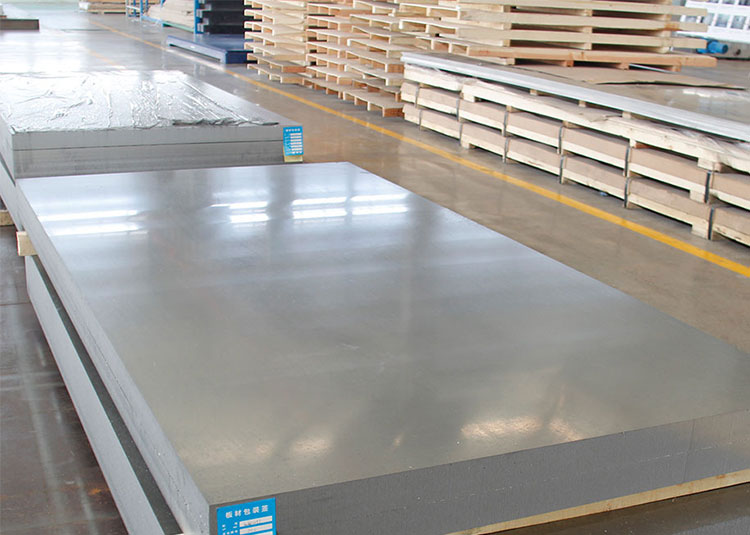

Marine Grade Color Coated 5052 Alloy: Where Seawater Meets Surface Design
Marine aluminum is often discussed as if it's only about corrosion resistance. But in real projects-workboats, ferries, pontoons, offshore platforms, marina hardware, deckhouses, and coastal architectural skins-the conversation quickly becomes more human: how long will it stay clean, how often will it need repainting, how will it look after years of salt spray, and how easily can fabricators shape it without damaging the finish?
Marine grade color coated 5052 alloy sits at that intersection of performance and appearance. It's a material chosen not only because it survives seawater, but because it can keep a deliberate, controlled surface-color, gloss, and uniformity-while the environment does its best to roughen everything it touches.
Why 5052 Feels "Marine" Even Before Coating
5052 is an Al-Mg (aluminum-magnesium) alloy. In marine service, magnesium is the quiet hero: it improves corrosion resistance, especially in salt-laden atmospheres, while keeping the alloy highly formable. Compared with many stronger alloys, 5052 is friendly to bending, rolling, and shaping-an advantage when you need curved hull components, formed panels, lockers, consoles, or trim.
Its reputation comes from balance rather than extremes. It's not the highest-strength marine aluminum, but it is one of the most widely trusted for sheet and plate applications where forming and corrosion resistance matter as much as structural load.
What Color Coating Adds in a Marine Context
Coating is not just "paint for looks." On the coast, a good coating system becomes a sacrificial layer that takes the daily abuse-salt deposition, UV exposure, moisture cycling, and abrasion-so the substrate doesn't have to.
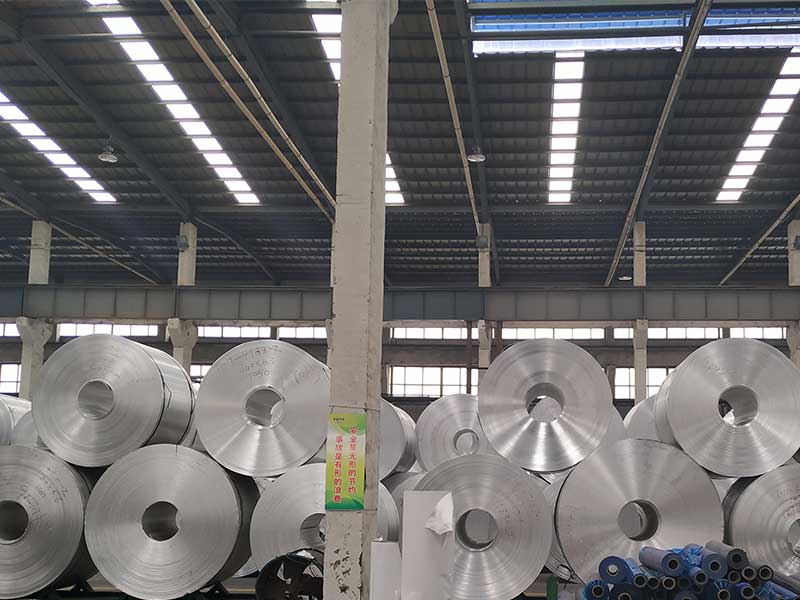
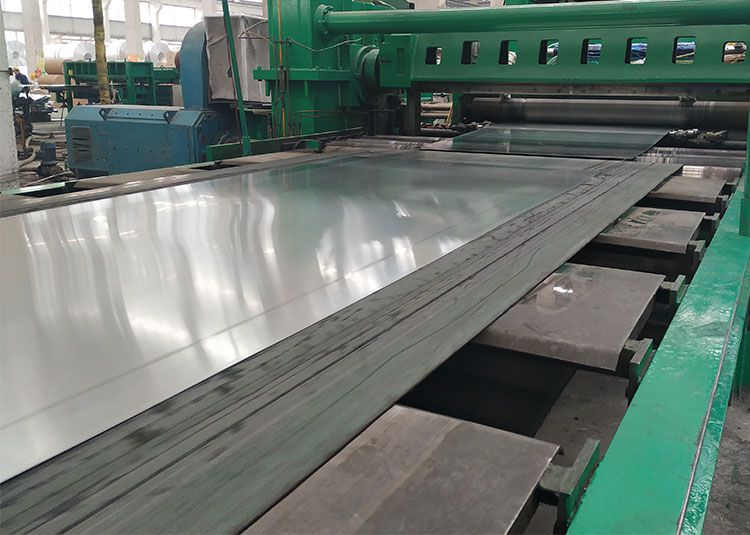
For 5052, color coating commonly takes the form of coil coating (prepainted aluminum), where the coating is applied in controlled factory conditions, baked/cured, and delivered as ready-to-fabricate sheet or coil. This provides consistency that job-site painting often struggles to match, especially in humid or salty conditions.
Typical coating options include:
- Polyester (PE): cost-effective, good general performance for mild to moderate marine atmospheres
- PVDF: higher UV stability and color retention, favored for long-life coastal architecture and exposed topside panels
- SMP: improved durability over standard PE in many outdoor uses, depending on formulation
In marine settings, coating selection is often driven by exposure category. A sheltered interior bulkhead panel doesn't need the same UV resistance as a sun-facing deckhouse cladding.
Parameters Customers Usually Want First
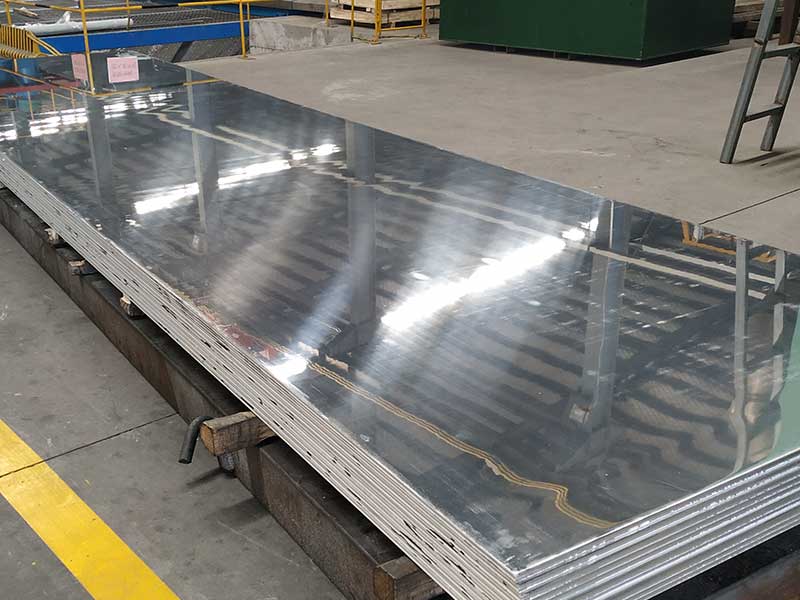
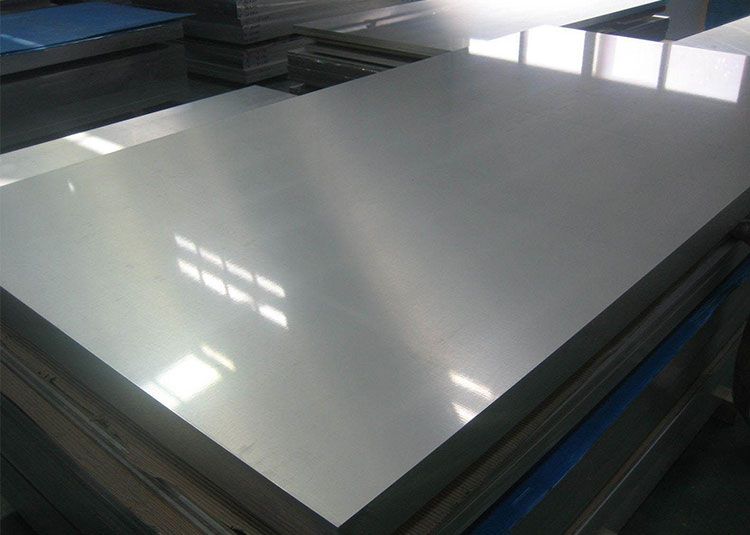
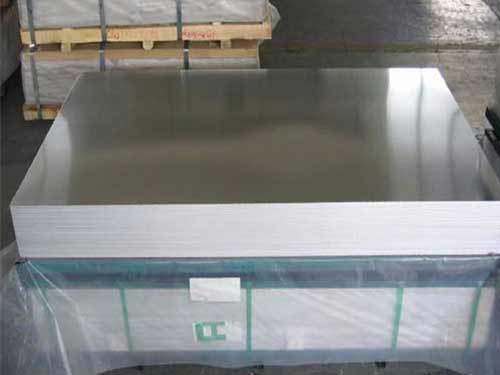
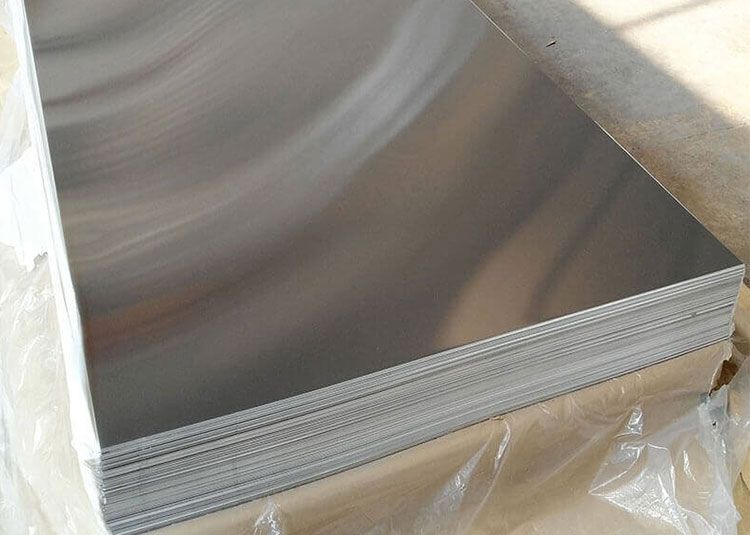
Marine grade color coated 5052 alloy is typically supplied as sheet, coil, or plate, with coating on one or both sides.
Common supply parameters (customizable by order):
- Alloy: AA5052
- Temper: H32, H34, H36 (coated sheet commonly uses strain-hardened tempers); O temper for deep drawing; H112 often seen in plate
- Thickness: typically 0.5–6.0 mm for coated sheet applications; wider ranges available depending on coating line capacity and end use
- Width: often 1000–2000 mm; slit-to-width available
- Length: sheet cut-to-length or coil form
- Coating structure: single coat, double coat, or 2-coat/2-bake systems depending on durability requirements
- Typical coating thickness: around 18–25 μm for topcoat; primer often 5–10 μm; back coat varies by application
- Surface finish: gloss/matte options, textured finishes, anti-scratch variants, and color matching to RAL/Pantone (subject to production limits)
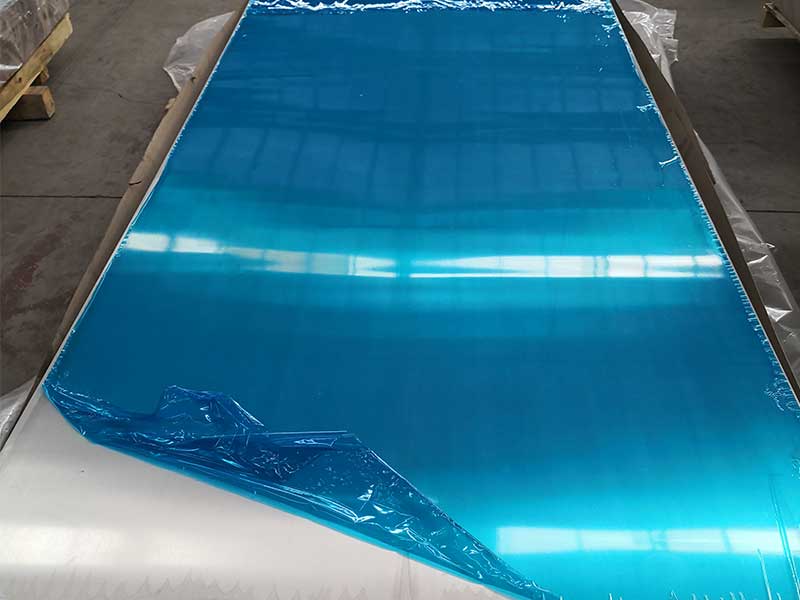
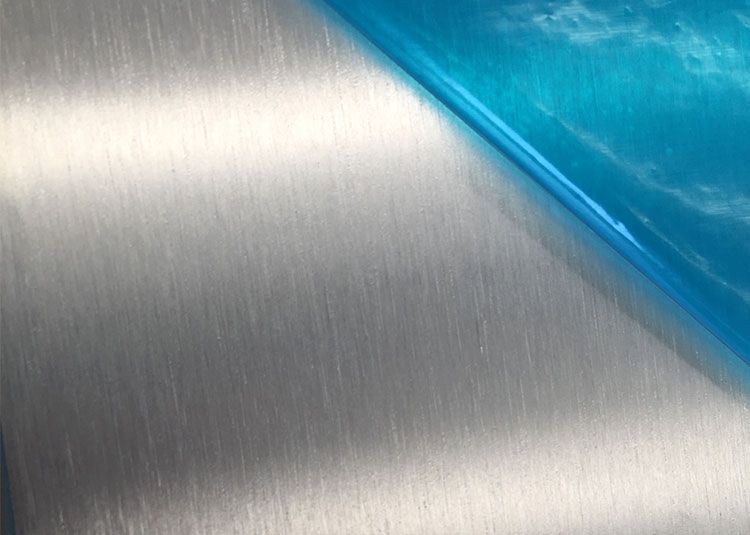
- Protective film: optional peelable film for transport and fabrication protection
Because marine projects often involve forming, it's worth aligning coating flexibility with the bending radius you expect. PVDF and high-performance PE systems can be engineered for good formability, but very tight bends may require testing or a softer temper/coating combination.
Implementation Standards That Matter in Real Procurement
Buyers often see "marine grade" used loosely. The more reliable approach is to specify both the aluminum standard and the coating standard.
Commonly referenced aluminum product standards include:
- ASTM B209: Aluminum and Aluminum-Alloy Sheet and Plate
- EN 485: Aluminum and aluminum alloys-sheet, strip and plate (mechanical properties and tolerances)
- JIS H4000 / JIS H4040: Japanese aluminum alloy standards (depending on form)
Coil coating and prepainted aluminum standards frequently referenced include:
- EN 1396: Continuous organic coated (coil coated) aluminum strip and sheet for general applications
- AAMA 2603 / 2604 / 2605: Performance standards for organic coatings on aluminum (often used in architectural contexts; 2605 aligns with premium PVDF performance expectations)
For marine exposure, buyers typically request evidence of corrosion and weathering performance such as salt spray testing (ASTM B117) and accelerated weathering (QUV, ASTM G154), while also that lab tests are comparative indicators rather than exact life predictors.
Tempering: The "Feel" of the Metal Under the Coating
Temper is where 5052 becomes customizable.
- 5052-O is soft, excellent for deep drawing and complex forming. It dents more easily.
- 5052-H32 is strain-hardened and partially annealed, widely used for a balance of strength and formability.
- 5052-H34 is stronger and slightly less formable than H32, common in panels needing better stiffness.
- 5052-H36 goes further in strength, but bend radii must be more generous.
For color coated sheet that will be roll-formed or brake-pressed, H32 and H34 are common choices. If your design depends on crisp edges and minimal oil-canning, a higher temper can help-provided forming requirements are still satisfied.
Chemical Composition: What's Inside AA5052
AA5052's corrosion behavior and weldability come from its controlled magnesium content and low copper. Below is a commonly accepted composition range.
AA5052 Chemical Composition (wt.%)
| Element | Content (wt.%) |
|---|---|
| Aluminum (Al) | Remainder |
| Magnesium (Mg) | 2.2–2.8 |
| Chromium (Cr) | 0.15–0.35 |
| Silicon (Si) | ≤ 0.25 |
| Iron (Fe) | ≤ 0.40 |
| Copper (Cu) | ≤ 0.10 |
| Manganese (Mn) | ≤ 0.10 |
| Zinc (Zn) | ≤ 0.10 |
| Titanium (Ti) | ≤ 0.15 |
| Others (each) | ≤ 0.05 |
| Others (total) | ≤ 0.15 |
Low copper is one reason 5052 behaves well in marine atmospheres, as copper can reduce corrosion resistance in some aluminum alloys.
Corrosion, Galvanics, and the "Hidden" Marine Details
Color coating helps, but marine design still needs practical discipline. Saltwater finds fasteners, cut edges, scratches, and dissimilar-metal joints.
Good practice usually includes:
- Sealing or protecting cut edges when exposure is severe, especially for constantly wet zones
- Avoiding direct contact with stainless steel or carbon steel without isolation pads or coatings to reduce galvanic corrosion risk
- Specifying compatible marine fasteners and considering drainage so water doesn't sit on joints
- Using appropriate pretreatment under the coating, such as chromate-free conversion coatings commonly used in modern coil coating lines, to improve adhesion and corrosion resistance
In other words, the coating is a system, not a magic skin.
Where Marine Grade Color Coated 5052 Alloy Fits Best
This product shines when you want marine durability without giving up visual intent. Typical uses include superstructure panels, decorative and protective cladding, cabin interiors, ceiling systems, equipment housings, lockers, gangway panels, signage, and coastal architectural elements where salt air and sunlight are constant.
It's also a smart choice when fabrication time matters. Prepainted 5052 can reduce on-site painting, shorten project schedules, and deliver consistent color across large builds.
A Practical Closing Thought
Marine environments punish surfaces first, structures second. Marine grade color coated 5052 alloy is popular because it treats the surface as part of the engineering-an outward-facing layer designed to stay stable, clean, and intentional while the base metal quietly resists corrosion underneath. When you specify the temper correctly, match the coating system to exposure, and follow recognized standards, you get a material that doesn't just last at sea-it continues to look like it belongs there.