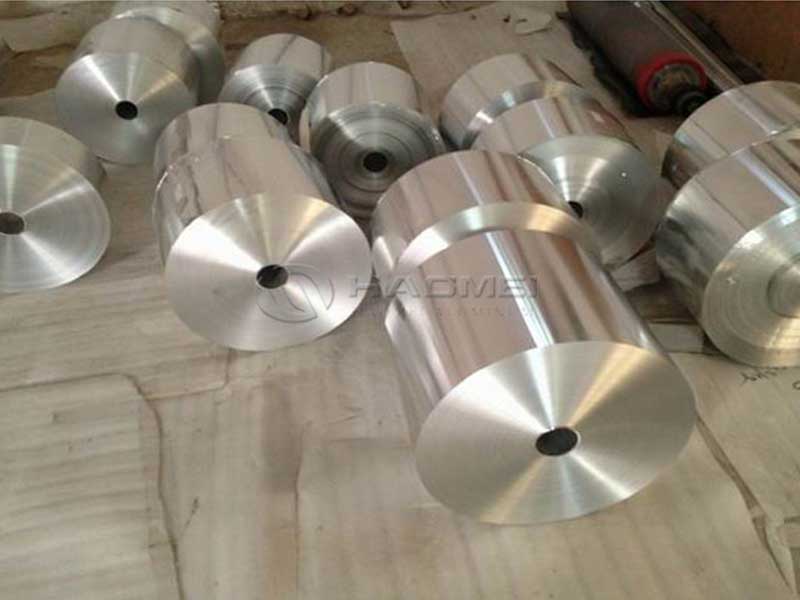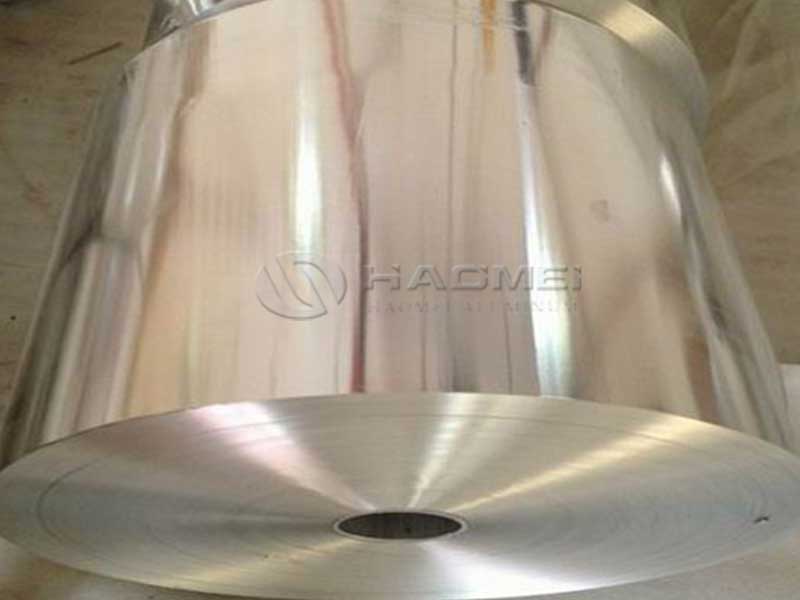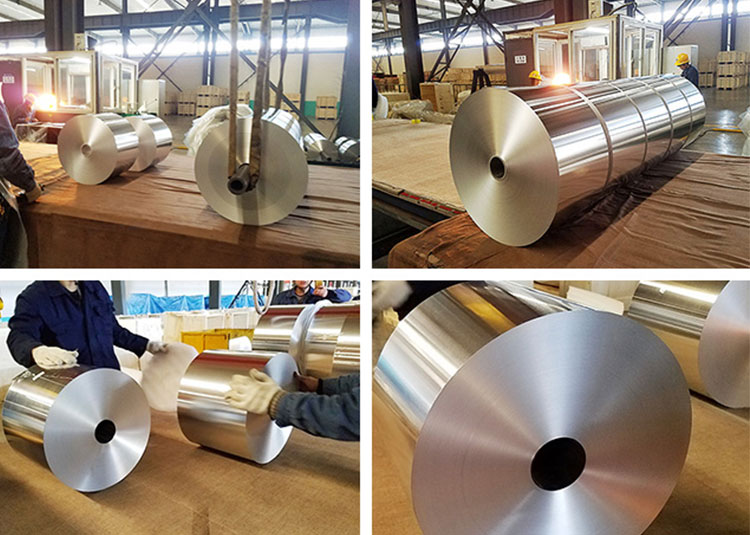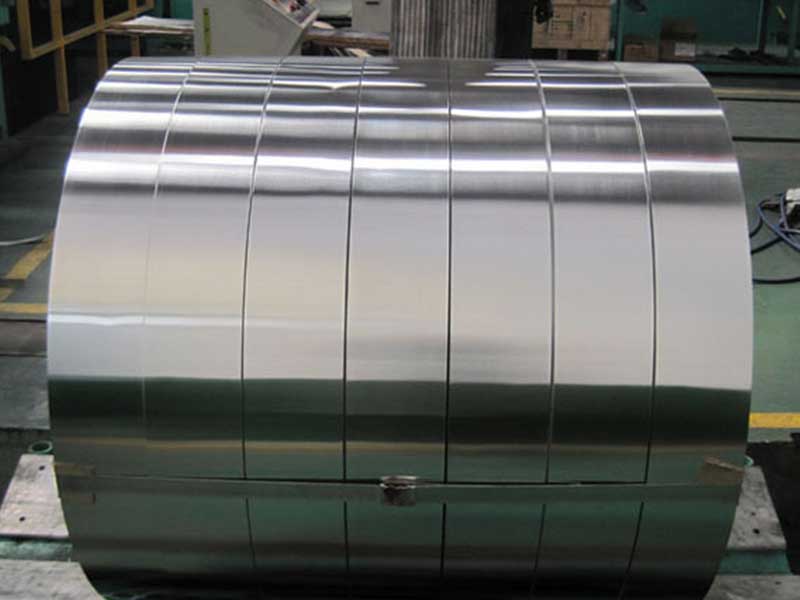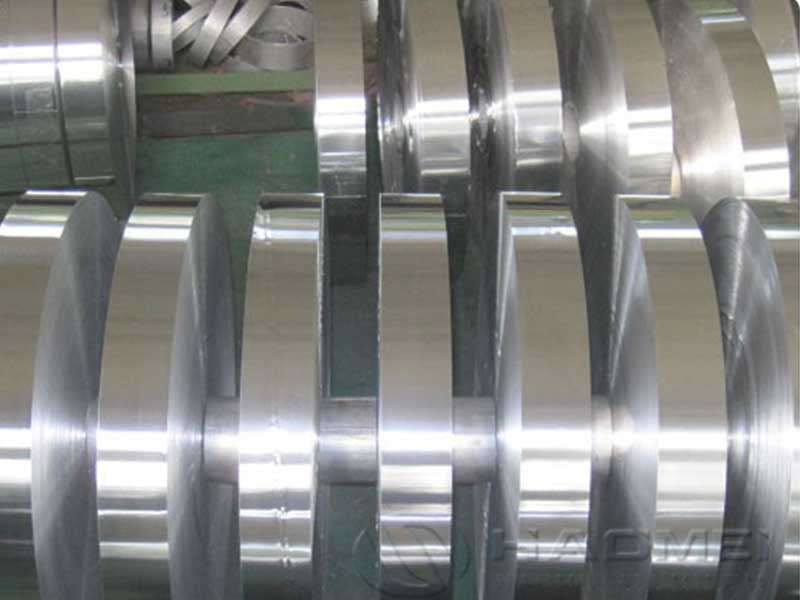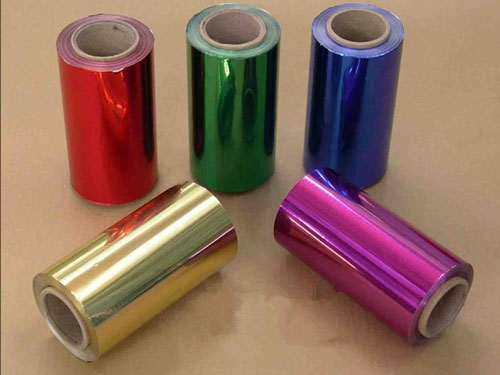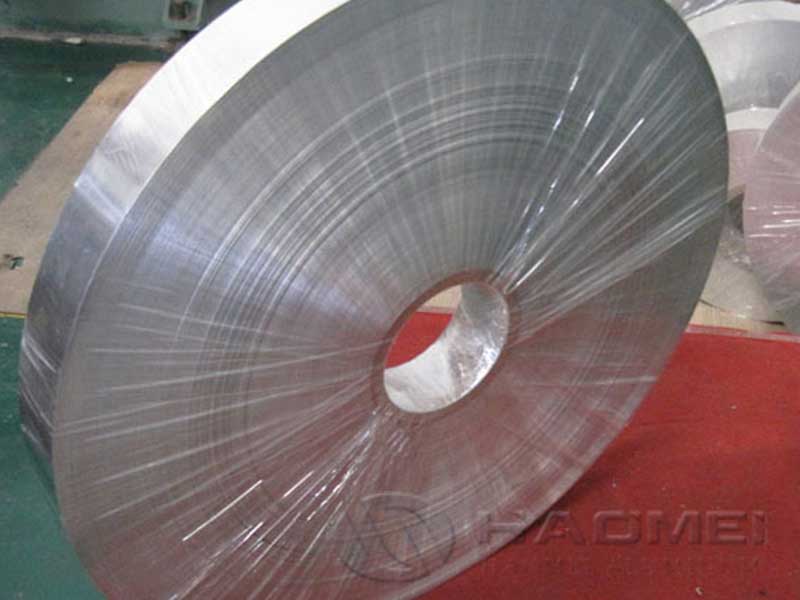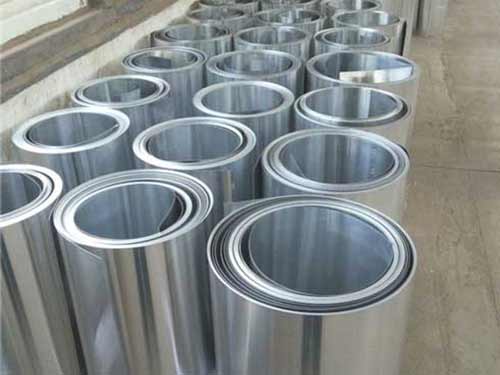

Aluminum foil is indispensable in the production of lithium-ion batteries, especially in enabling high density energy storage solutions. Electronic grade aluminum foil, designed for use in lithium-ion battery anodes and cathodes, delivers unique properties such as low thermal expansion, excellent conductivity, and chemical stability.
Functions of Electronic Grade Aluminum Foil in Lithium-ion Batteries
Electronic grade aluminum foil fundamentally serves as the current collector within lithium-ion batteries. During charge and discharge cycles, it facilitates the smooth transfer of electrons while physically supporting the active materials.
- Conductivity: The aluminum foil provides high electrical conductivity (~37.8 MS/m), minimizing resistive losses and heat buildup.
- Mechanical Support: It offers a durable substrate for electrode coating, with strength to maintain integrity under repeated cycling.
- Thermal Stability: Low thermal expansion helps in maintaining dimensional stability, preventing delamination or structural failure.
- Chemical Resistance: The foil's chemically inert surface withstands solvents, electrolytes, and cycling byproducts without corrosion.
- Lightweight: Its thin section enables weight savings critical for portable energy storage solutions.
Typical Applications in High Density Energy Storage
Manufacturers extensively use electronic grade aluminum foil in many types of lithium-ion batteries where performance and reliability define value:
- Electric Vehicles (EVs): Ensures long cycle life and stable capacity in high-voltage propulsion batteries.
- Consumer Electronics: Phones, laptops, and wearables rely on foil-enabled batteries for compact, efficient energy storage.
- Energy Storage Systems (ESS): Grid-scale and renewable energy buffer systems depend on foils for consistent performance under heavy use.
- Power Tools & Medical Devices: Battery packs using aluminum current collectors offer high power density in safety-critical scenarios.
Technical Details and Standards
Producing aluminum foil of electronic grade for battery applications follows precise manufacturing and measuring standards to guarantee consistency and reliability.
| Parameter | Typical Value | Description |
|---|---|---|
| Alloy Composition | AM Grade 8011 or 3105 | Specially purified aluminum alloy for batteries |
| Foil Thickness | 8 - 20 μm | Thin foil to reduce weight without losing strength |
| Width Range | 20 - 1200 mm | Customized width for different battery designs |
| Temper | Half hard (H14/H19), Fully hard (H18) | Tempering increases strength and surface finish usability |
| Electrical Conductivity | ≥ 56% IACS (International Annealed Copper Standard) | High conductivity for efficient current collection |
| Surface Finish | Smooth or matte rolled | To enhance adhesion of active electrode materials |
| Coefficient of Thermal Expansion | ~23.1×10⁻⁶ /°C | Low expansion to minimize mechanical stress during cycling |
| Electrochemical Stability | High Resistance | Prevents foil corrosion in battery electrolytes |
Chemical Composition Illustration for Premium Electronic Grade Foil
| Element | Percentage by Weight (%) | Purpose/Effect |
|---|---|---|
| Al (Aluminum) | 99.3 - 99.6 | Main metallic element providing conductivity |
| Fe (Iron) | ≤ 0.40 | Improves mechanical strength but minimized to reduce brittleness |
| Si (Silicon) | ≤ 0.20 | Refines grain; controls foil deformability |
| Cu (Copper) | ≤ 0.10 | Prevents softening during cycling |
| Mn (Manganese) | ≤ 0.40 | Enhances toughness and tensile strength |
| Mg (Magnesium) | ≤ 0.10 | Improves corrosion resistance |
| Others | ≤ 0.20 | Trace elements minimized for purity |
Alloy Tempering and Its Influence on Performance
The temper designation (H14, H18, H19 etc.) relates to specific cold working processes balancing hardness, strength, surface smoothness, and flexibility required in different battery configurations.
- Half Hard (H14/H19): Provides useful mechanical yield strength (~200–280 MPa) with enough pliability. Best suited for coating processes where flexibility matters.
- Full Hard (H18): Offers highest tensile strength (~300–350 MPa). Used where dimensional stability under pressure or temperature cycles is critical.
Proper tempering reduces anisotropy of electronic and mechanical properties and harmonizes thermal expansion characteristics, vital for avoiding micro-cracks that degrade battery life.
Implementation Standards in Manufacturing
To maintain prized properties critical for high-performance batteries, foil must comply with stringent industry norms during production and quality inspections:
| Standard | Description |
|---|---|
| ASTM B479 | Standard specifications for aluminum and aluminum-alloy rolled or cold finished foil |
| ISO 6367 | Aluminum and aluminum alloy foil for electrolytic capacitors (related, checks purity) |
| IPC/PLM-EST-LIB | Used in the electronics industry for foil quality verification |
| Customer-specific specs | Tailing foil thickness, tensile strength, and surface goals for optimal battery usage |
Producers apply sophisticated surface treatment, cleaning, and downstream coating processes to fine-tune adhesion compatibility with chemicals in electrolyte materials - all examining coating uniformity and impurity control tightly.
Electronic grade aluminum foil with low expansion is foundational to advancing lithium-ion battery technologies geared toward high density energy storage. It harmonizes electrical, thermal, chemical, and mechanical properties that allow batteries to function efficiently over long cycles under varied temperatures and mechanical stresses.
By carefully selecting alloy composition, tempering, and production processes, manufacturers deliver thin, lightweight aluminum foils possessing excellent conductivity and dimensional stability unmatched by oth ers. This ensures enhanced capacity retention, safety, and operational reliability in:
- Electric vehicles
- Portable consumer electronics
- Energy storage systems
If you seek custom electronic grade aluminum foil solutions tailored for lithium-ion battery manufacturing that maximize energy density while minimizing degradation, high precision electronic foils remain irreplaceable components accommodating future power needs.
Explore how our premium electronic grade aluminum foil can accelerate your next-gen lithium-ion battery project. Learn more about technical consultation or request samples today!