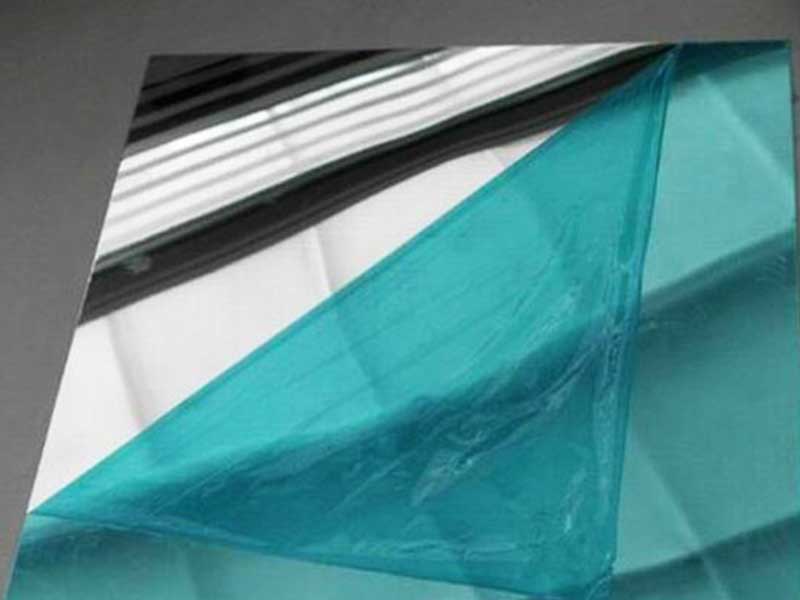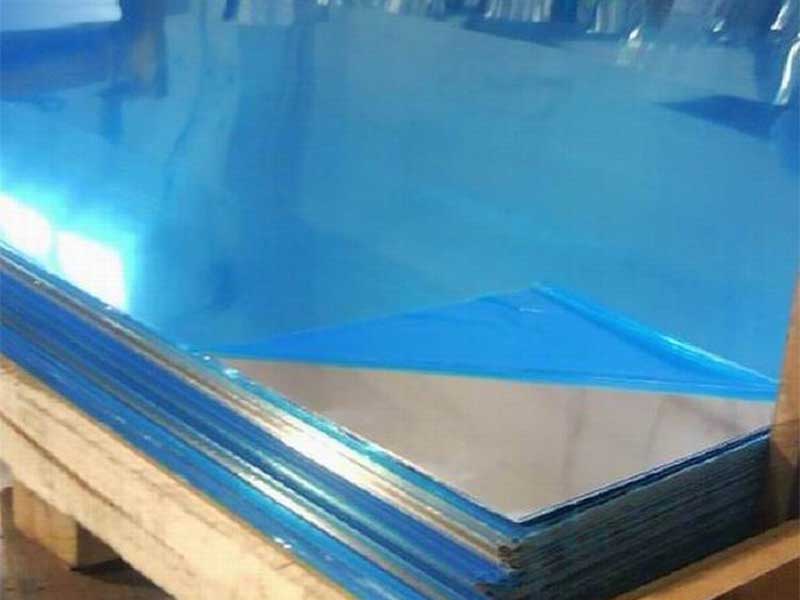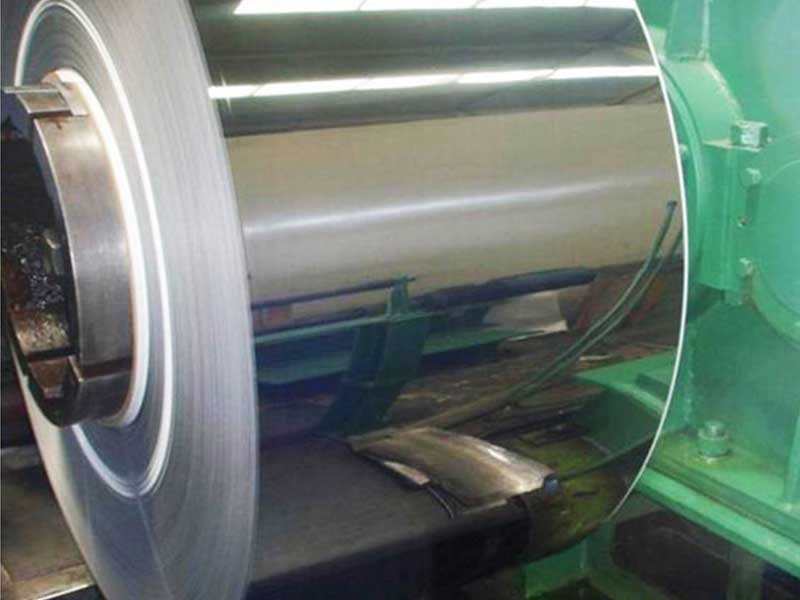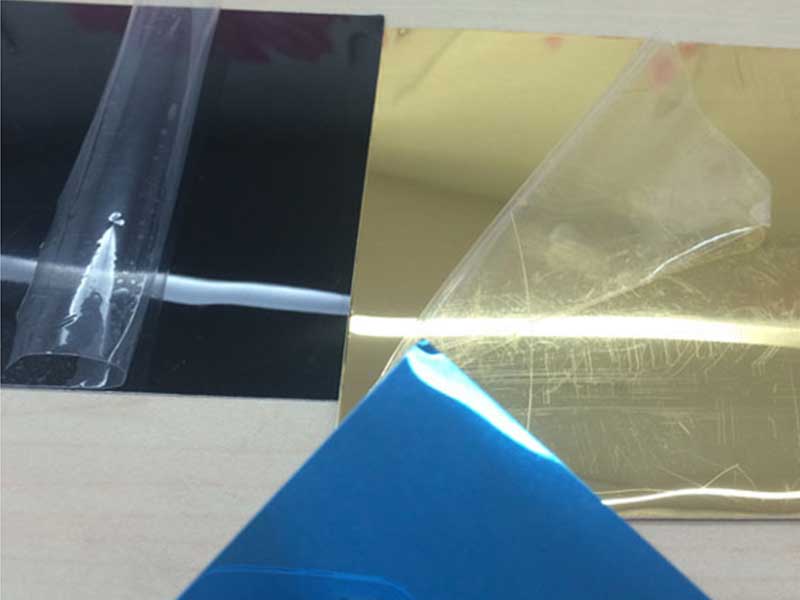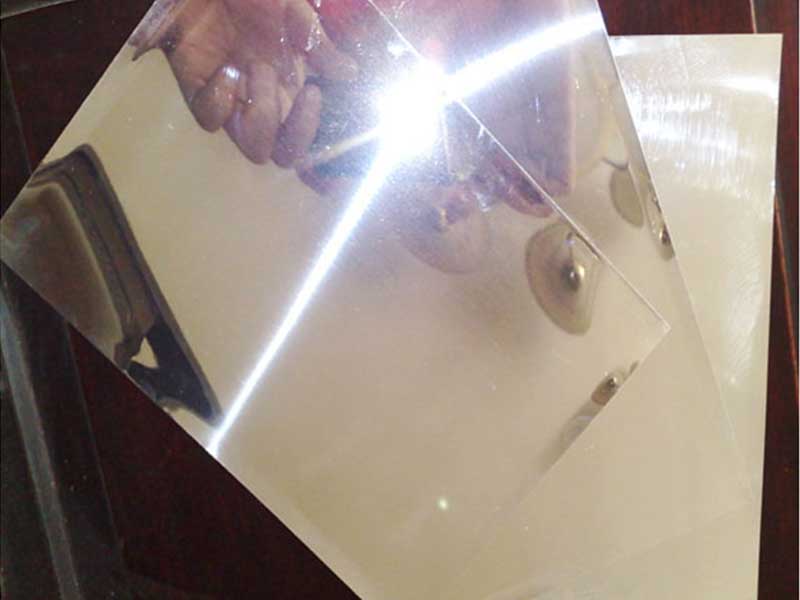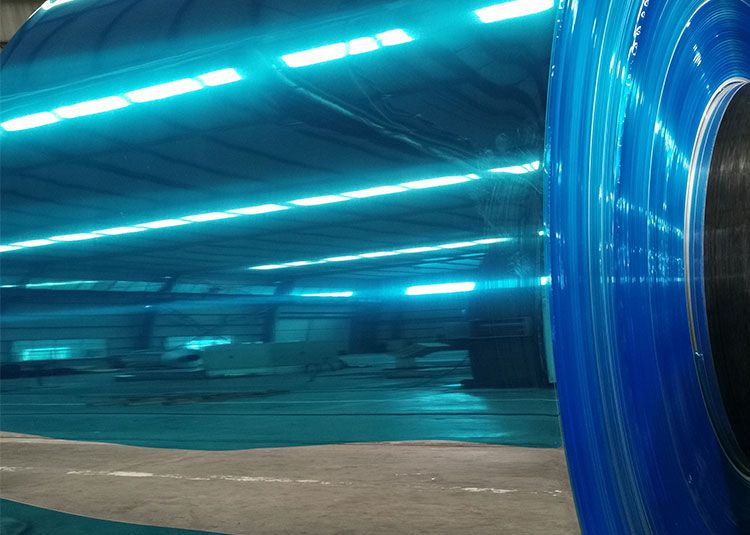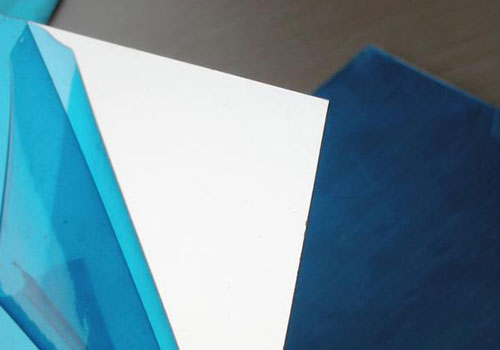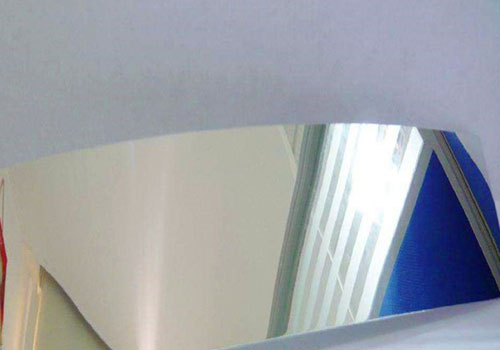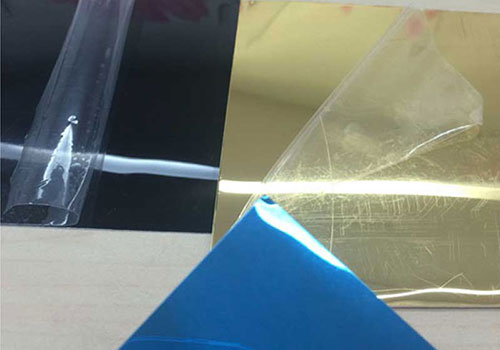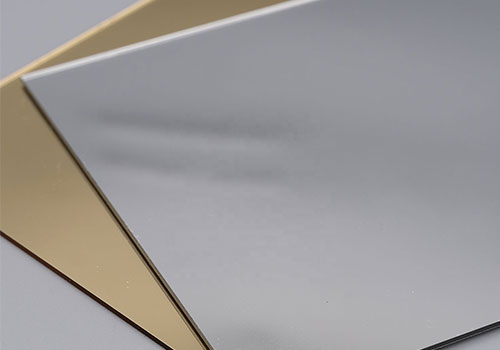
Anodized aluminum mirror sheet is a high-reflectivity aluminum product engineered for environments where appearance, durability, and long service life matter. It combines the bright, clean "mirror" look of precision-finished aluminum with the protective advantages of anodizing, creating a surface that stays attractive while resisting corrosion, staining, and everyday wear. Compared with conventional polished aluminum, the anodized layer acts like an integrated shield; compared with glass mirrors, it offers lower weight, better impact tolerance, and easier fabrication.
This product is widely chosen for architectural interiors, lighting and reflector systems, transportation trim, consumer electronics decoration, and premium signage-anywhere designers want crisp reflection without sacrificing industrial reliability.
What It Is: Mirror Finish + Anodic Protection
A mirror sheet starts with aluminum coil or sheet that is mechanically and/or electrochemically brightened to achieve a high-specular surface. It is then anodized to create a controlled aluminum oxide layer bonded to the base metal. The resulting oxide is not a coating that "sits on top" like paint; it is a conversion layer that becomes part of the surface, improving hardness and corrosion resistance while preserving reflectivity.
Depending on the alloy and finish route, anodized mirror sheets can range from decorative mirror effects to optical-grade reflector surfaces.
Features Customers Notice Immediately
High reflectance with a crisp visual impression
The surface produces a clean, bright reflection that elevates product aesthetics. For lighting, the reflectance translates directly into optical efficiency: more useful light is redirected where it is needed.
Strong scratch and wear resistance
Anodic oxide is significantly harder than bare aluminum. While any mirror surface can be marred by misuse, anodizing greatly improves day-to-day resistance to scuffs, mild abrasion, and handling marks.
Corrosion resistance in demanding spaces
Bathrooms, kitchens, public interiors, transport cabins, and humid facilities can be harsh on unprotected metals. Anodized mirror sheets perform well because the oxide layer blocks many corrosive pathways and reduces staining from fingerprints and water spots.
Lightweight, formable, and fabrication-friendly
Compared with glass mirrors, aluminum mirror sheet is easier to cut, bend, stamp, and integrate into assemblies. It can reduce overall weight and simplify installation in large panels and curved designs.
Color and tone options without losing metallic character
Clear anodizing keeps a natural silver tone; tinting or electrolytic coloring can deliver champagne, bronze, or darker metallic hues while maintaining a premium "metal mirror" identity.
Common Alloys and Chemical Composition (Typical)
Mirror sheet performance depends on alloy choice. High-purity and low-impurity alloys tend to produce higher reflectance and more uniform mirror appearance, while Mg-containing alloys can provide improved strength for structural or formed parts.
| Alloy (Typical) | Main Use Preference | Al (%) | Mg (%) | Si (%) | Fe (%) | Mn (%) | Cu (%) | Cr (%) | Zn (%) | Ti (%) |
|---|---|---|---|---|---|---|---|---|---|---|
| 1050 | Maximum brightness, best mirror effect | ≥99.50 | - | ≤0.25 | ≤0.40 | ≤0.05 | ≤0.05 | - | ≤0.05 | ≤0.03 |
| 1060 | High reflectance + stable processing | ≥99.60 | - | ≤0.25 | ≤0.35 | ≤0.03 | ≤0.05 | - | ≤0.05 | ≤0.03 |
| 1070 | Premium optical reflectors, top gloss | ≥99.70 | - | ≤0.20 | ≤0.25 | ≤0.03 | ≤0.04 | - | ≤0.04 | ≤0.03 |
| 3003 | Better strength, good forming | Balance | - | ≤0.60 | ≤0.70 | 1.0–1.5 | ≤0.20 | - | ≤0.10 | - |
| 5052 | Stronger parts, good corrosion resistance | Balance | 2.2–2.8 | ≤0.25 | ≤0.40 | ≤0.10 | ≤0.10 | 0.15–0.35 | ≤0.10 | ≤0.10 |
Notes for buyers:
- For the highest mirror clarity and specular reflectance, 1050/1060/1070 are frequently selected.
- For formed components that need higher strength, 3003 or 5052 may be used, accepting a modest trade-off in maximum mirror brilliance.
Technical Specifications (Typical Supply Range)
Specifications vary by producer, surface route, and target application. The table below reflects common commercial ranges for anodized mirror sheet used in architectural and reflector markets.
| Parameter | Typical Range / Option | What It Means for You |
|---|---|---|
| Thickness | 0.3–3.0 mm | Thin gauges for reflectors and decorative panels; thicker for rigidity and flatness |
| Width | 500–1600 mm | Coil-coated line compatibility and architectural panel sizing |
| Length / Form | Sheet or coil | Coil for high-volume fabrication; sheet for job-shop cutting and finishing |
| Surface finish | Mirror / bright / optical-bright | Higher grades improve image clarity and lighting efficiency |
| Anodizing type | Clear anodized, tinted, electrolytic colored | Color control while maintaining metallic reflection |
| Anodic film thickness | ~5–25 μm (typical) | Thicker films improve durability; thinner films prioritize maximum reflectance |
| Surface protection | PE film (optional) | Prevents handling scratches during fabrication and installation |
| Flatness | Application-dependent | Critical for large panels and precise reflector geometries |
| Edge condition | Slit edge / trimmed | Helps downstream processing and safety |
Typical Optical and Surface Performance (Reference Values)
Actual values depend on alloy purity, roughness, brightening method, anodizing thickness, sealing process, and cleanliness. Use these as directionally useful reference points when comparing products.
| Performance Item | Typical Level | Influencing Factors |
|---|---|---|
| Total reflectance | ~80–90% | Purity, surface micro-roughness, anodizing thickness |
| Specular reflectance (mirror component) | ~75–90% | Brightening quality and surface cleanliness |
| Surface hardness (relative) | Significantly higher than bare Al | Film thickness and sealing |
| Corrosion resistance | High for indoor/outdoor sheltered use | Sealing quality, environment chemistry, maintenance |
Applications That Benefit Most
Architectural interior panels and decorative trims
Anodized mirror sheet delivers a premium metallic shine in lobby walls, elevator cabins, column wraps, ceiling features, and retail fixtures. It is especially valued where designers want reflection but prefer metal's robustness over glass.
Lighting reflectors and luminaires
In LED and fluorescent fixtures, the reflector's job is efficiency. Anodized mirror sheets help shape beams, reduce absorption losses, and maintain performance over time. Common examples include troffers, downlights, linear fixtures, streetlight modules, and high-bay reflectors.
Signage, display, and visual merchandising
Mirror surfaces amplify brightness and create depth. The anodized layer helps the surface endure cleaning, fingerprints, and frequent handling in public spaces.
Transportation and mobility
Rail interiors, bus trims, marine cabin features, and lightweight decorative parts use anodized mirror sheets for durability under vibration and humidity, with reduced weight compared with glass solutions.
Consumer products and electronics styling
Appliance accents, premium housings, instrument bezels, and cosmetic panels benefit from the reflective look plus improved surface hardness. The anodized surface also supports stable appearance under indoor UV exposure and routine cleaning.
Processing and Fabrication Guidance (Practical)
| Operation | Suitability | Practical Notes |
|---|---|---|
| Cutting (shear/laser) | Good | Keep protective film on; clean tools reduce edge burr and surface marks |
| Bending / forming | Good (alloy-dependent) | Higher-purity alloys form well; tighter radii may favor 3003/5052 |
| Punching / stamping | Good | Use clean dies; control lubricant choice to avoid staining |
| Adhesive bonding | Good | Use compatible primers/adhesives; ensure surface is clean and dry |
| Cleaning | Easy | Use mild detergent and soft cloth; avoid abrasive pads on mirror face |
How to Specify the Right Product Quickly
| Customer Requirement | Recommended Choice |
|---|---|
| Maximum mirror clarity for reflectors | 1060 or 1070, high-grade brightening, controlled anodizing and sealing |
| Best decorative mirror for interiors | 1050/1060, clear or tinted anodizing, protective film |
| Higher strength with good mirror appearance | 3003 or 5052 with mirror finish route validated by samples |
| Humid or frequently cleaned environments | Adequate anodic thickness + high-quality sealing, stain-resistant maintenance plan |
Anodized aluminum mirror sheet is a practical "beauty plus durability" material: bright reflection, low weight, strong corrosion resistance, and improved surface hardness in a form that fabricators can cut and shape efficiently. Whether the goal is a high-efficiency lighting reflector, an elegant architectural feature, or a durable decorative component in transportation and consumer products, this material offers a balanced solution that performs well and stays visually consistent over time.