Thin Mirror Finish Reflective Aluminium Sheet: When "Light Control" Becomes a Material Feature
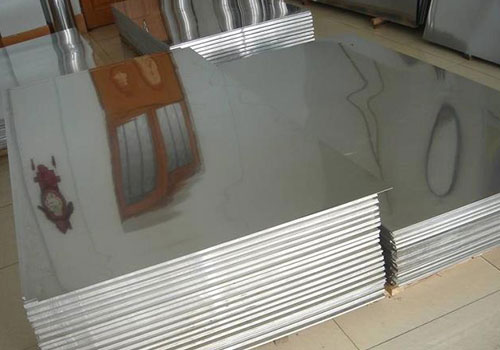
A thin mirror finish reflective aluminium sheet is often introduced as a decorative metal, but its real value shows up when you treat it as a tool for managing light, space, and surface performance. In modern manufacturing, reflection is not just an aesthetic decision-it is a functional parameter that affects brightness, perceived cleanliness, energy use, and even product recognition in retail environments. Mirror aluminum sheet sits at the intersection of optics and engineering: it is lightweight, corrosion-resistant, formable, and capable of high specular reflectance when properly polished and coated.
What "Thin" Changes: Flexibility, Heat Transfer, and Manufacturing Efficiency
Thin gauge mirror-finish aluminium sheet typically ranges from 0.20 mm to 2.00 mm, with many high-volume applications clustering around 0.30–1.00 mm. Thin material changes the cost-performance equation in three ways.
First, it becomes easier to form. Curved panels, trim profiles, and shallow stamped parts can be produced with lower forming load. Second, thin aluminium offers fast thermal response-useful in lighting housings, appliance cladding, and reflectors where heat dissipation matters. Third, thin sheet reduces transport and handling cost while expanding lamination and bonding options for composite panels.
A common misconception is that thin mirror sheet is automatically "delicate." In practice, performance depends on alloy selection, temper, surface treatment, and protective films. With the right specification, thin mirror aluminium can withstand daily cleaning, moderate abrasion, and humid environments while maintaining stable reflectivity.
Mirror Finish as an Optical Surface, Not Just a Shiny One
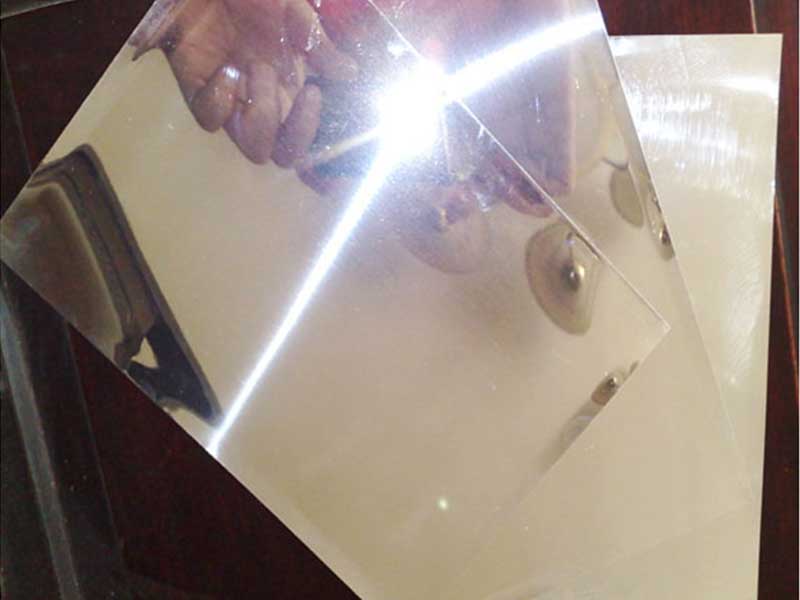
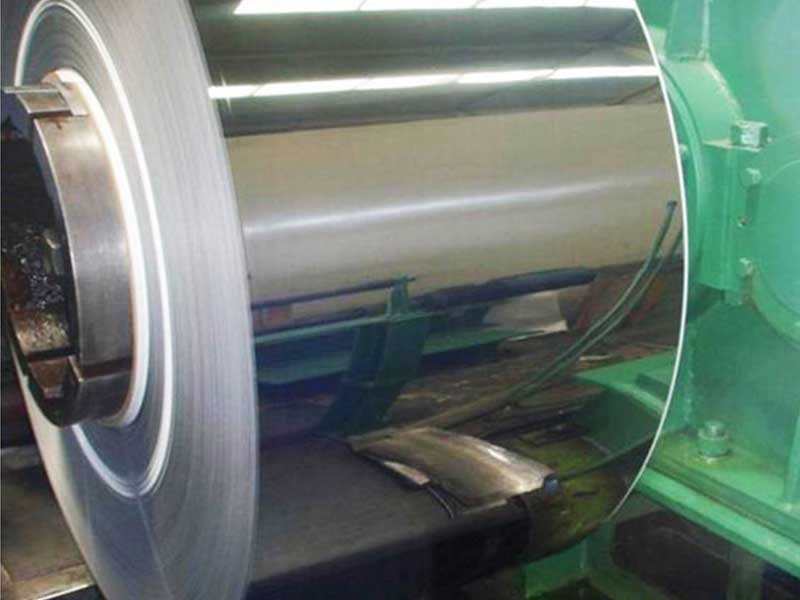
Mirror aluminium is typically produced through precision rolling, surface polishing, bright anodizing, or chemical/coil coating systems that enhance reflectance and surface clarity. When customers say "mirror," they usually care about two visual results:
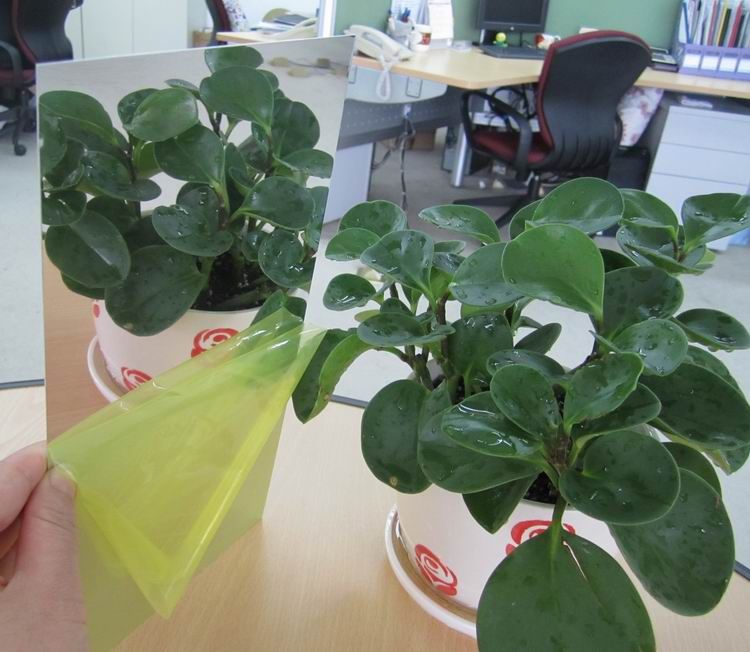
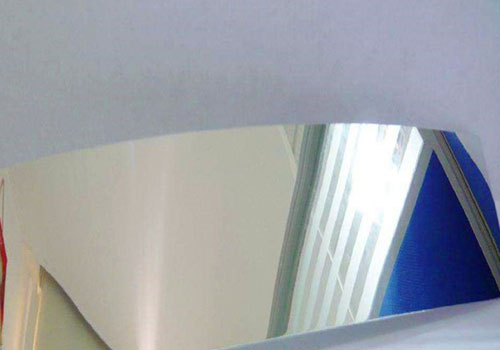
High specular reflectance, meaning it produces a clear, directional reflection rather than a hazy glow
Low surface distortion, meaning the reflected image is not warped by waviness or poor flatness
In functional applications, reflectance often matters more than image clarity. For example, lighting reflectors benefit from high reflectance and controlled surface texture; decorative panels favor clarity and consistent tone. This is why mirror finish aluminium is commonly offered in multiple grades such as standard mirror, super mirror, and diffuse-bright options.
Functions That Drive Real-World Adoption
Thin mirror finish reflective aluminium sheet is widely adopted because it delivers several functions simultaneously:
Light efficiency enhancement in luminaires, backlit signage, solar and daylighting components, and architectural lighting details
Visual space amplification in interiors, elevators, retail displays, exhibition structures, and public design elements
Surface protection and corrosion resistance, especially with anodized or coated layers
Weight reduction compared with stainless steel or glass mirrors, particularly important in transportation interiors and modular construction
Manufacturability, including cutting, bending, roll forming, laser processing, and adhesive lamination
In many industries, mirror aluminum is chosen not because it is the "best mirror," but because it is the most producible reflective surface at scale.
Typical Applications Where Thin Mirror Aluminium Excels
In lighting, mirror aluminium is used as internal reflective liners, lamp housings, and custom reflector geometries to increase luminous efficacy and improve beam control. In retail and display, it becomes a premium surface that improves product contrast and creates a brighter visual field without adding heavy framing. In appliances and consumer electronics, it is often used as a design accent and a cleanable front panel material, benefiting from aluminium's corrosion resistance and coating compatibility.
In architecture, thin mirror sheets appear in ceiling systems, wall cladding, column wraps, and decorative trims where low weight and easier installation reduce total project friction. In transportation interiors, mirror aluminium provides a modern reflective finish with less mass and safer handling than glass.
Core Parameters Customers Should Specify
For quick procurement and consistent quality, the most important parameters usually include:
Thickness range: 0.20–2.00 mm (common: 0.30, 0.40, 0.50, 0.80, 1.00 mm)
Width: typically 1000 mm, 1220 mm, 1250 mm; other widths available depending on coil capability
Length: cut-to-length sheets or coil form; common sheets 2000 mm, 2440 mm
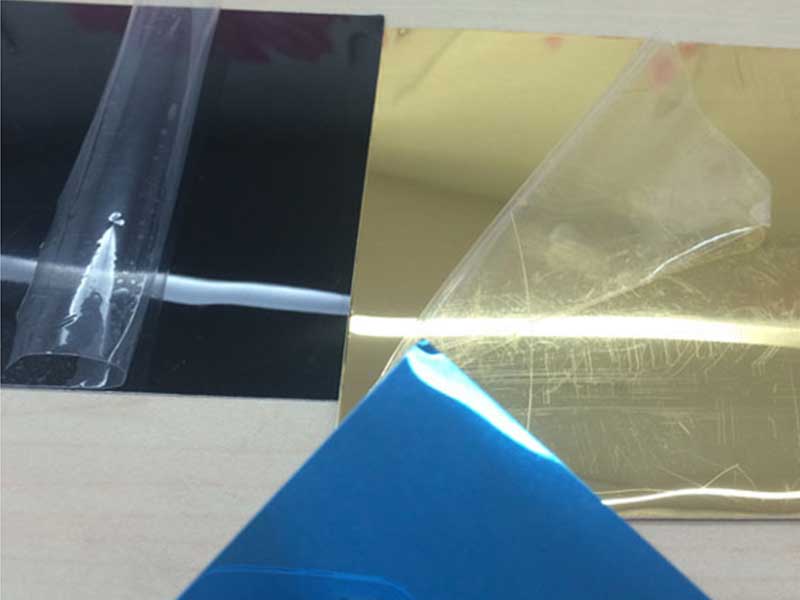
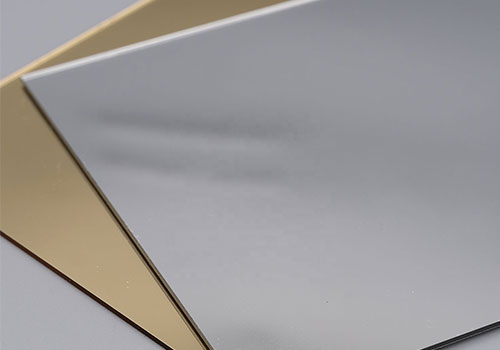
Surface finish: mirror, super mirror, anodized mirror, color-coated mirror
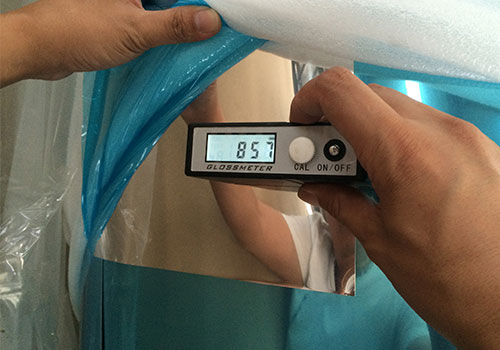
Reflectivity (typical): around 80–92% depending on process; bright anodized surfaces can be higher under controlled conditions
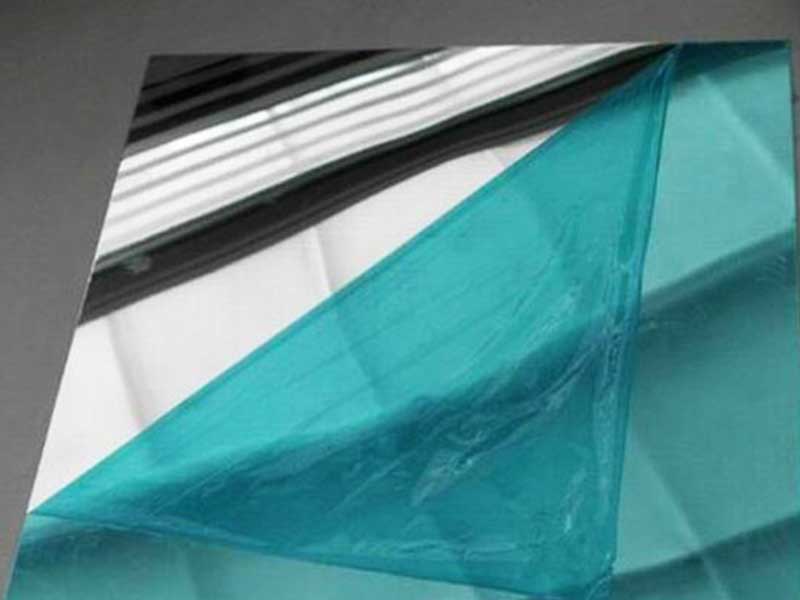
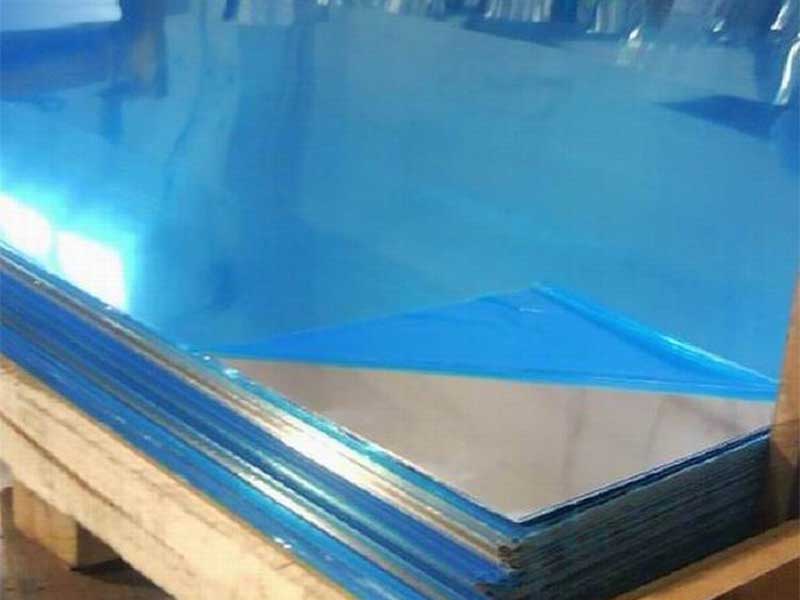
Protective film: PE film or laser film; indoor vs outdoor adhesive selection matters for residue control
Flatness and surface class: critical for visual consistency; specify allowable waviness and surface defects for architectural use
Alloy and Temper: Choosing Between Formability and Stiffness
Alloy selection determines formability, strength, and long-term stability. Mirror-finish aluminium sheet is frequently based on the 1xxx and 3xxx series for their excellent surface quality and forming behavior.
Common alloy options include:
1050, 1060, 1070: high purity aluminium, excellent brightness potential and corrosion resistance; best for reflectors and decorative uses where deep forming is minimal
3003: improved strength over 1xxx with good formability; widely used for architectural panels and general fabrication
5052: stronger and more corrosion resistant in marine or high-humidity areas, though mirror finishing may require tighter process control for best clarity
Temper affects forming and stiffness. Typical selections include:
O temper (annealed): best for bending and forming, lower strength
H14/H24: good balance of formability and rigidity for panels and trims
H18: higher hardness and stiffness, less formable; used when dent resistance matters
Implementation Standards and Common Inspection References
Depending on market and application, mirror aluminium sheet is commonly produced and inspected with reference to:
ASTM B209 for aluminium and aluminium-alloy sheet and plate
EN 485 series for aluminium sheet/strip tolerances and mechanical properties
ISO 7599 for anodizing quality guidelines when bright anodized mirror is required
RoHS and REACH compliance for electronics, interior, and consumer-facing products
AQL sampling practices for surface inspection, with mutually agreed visual defect limits under defined lighting conditions
Because mirror surfaces magnify small defects, buyers often define inspection conditions such as viewing distance, light source angle, and acceptable defect size-this matters as much as the alloy choice.
Chemical Composition Table (Typical, wt.%)
Below is a typical reference for common mirror-sheet alloys. Exact limits depend on the governing standard and supplier practice.
| Alloy | Si | Fe | Cu | Mn | Mg | Zn | Ti | Al |
|---|---|---|---|---|---|---|---|---|
| 1050 | ≤0.25 | ≤0.40 | ≤0.05 | ≤0.05 | ≤0.05 | ≤0.05 | ≤0.03 | Balance |
| 1060 | ≤0.25 | ≤0.35 | ≤0.05 | ≤0.03 | ≤0.03 | ≤0.05 | ≤0.03 | Balance |
| 3003 | ≤0.60 | ≤0.70 | 0.05–0.20 | 1.0–1.5 | ≤0.05 | ≤0.10 | ≤0.05 | Balance |
| 5052 | ≤0.25 | ≤0.40 | ≤0.10 | ≤0.10 | 2.2–2.8 | ≤0.10 | ≤0.15 | Balance |
Practical Notes on Surface Protection and Longevity
Mirror aluminium is a surface product; packaging and handling are part of the specification. Protective film choice should match your process route. If parts are laser cut, a laser-compatible film reduces edge burn and residue. If parts are stamped or roll-formed, a film with stable adhesion avoids lifting and imprinting. For long-term brightness, anodized mirror offers superior scratch resistance and corrosion performance, while coated mirror can provide color consistency and easier cleaning chemistry control.
Thin mirror finish reflective aluminium sheet is best understood as an engineered reflective layer: it increases light efficiency, expands perceived space, and delivers premium visual impact with the processing advantages of aluminium. When specifying it, focus on thickness, alloy-temper pairing, reflectance expectation, surface grade, and the right protective film-then align your inspection standard to the reality that mirror finishes reveal everything.