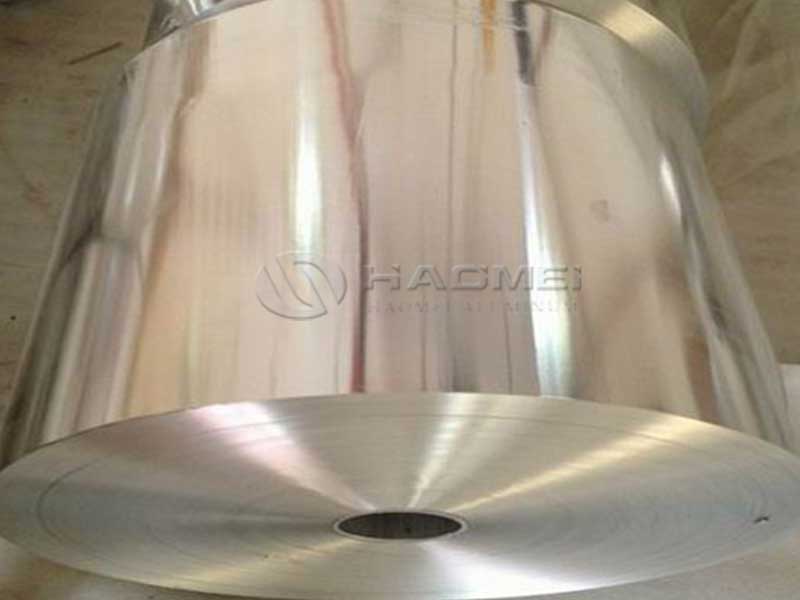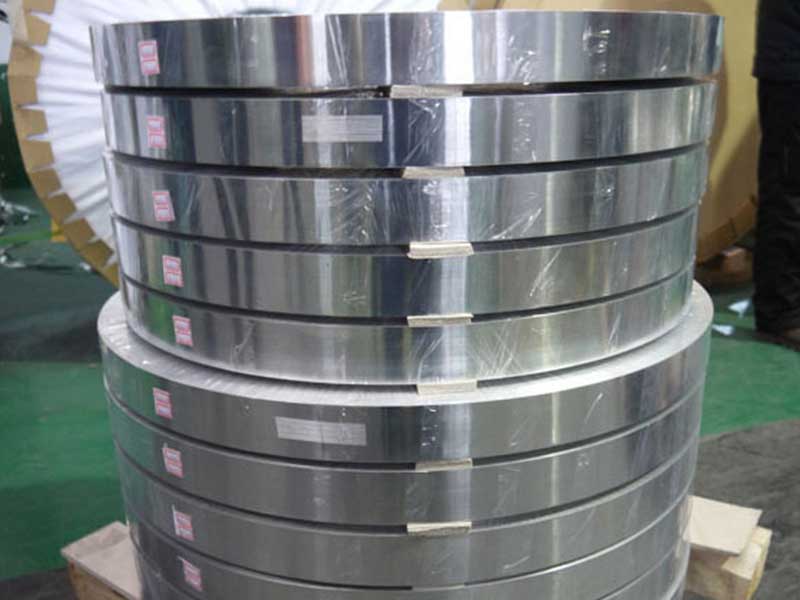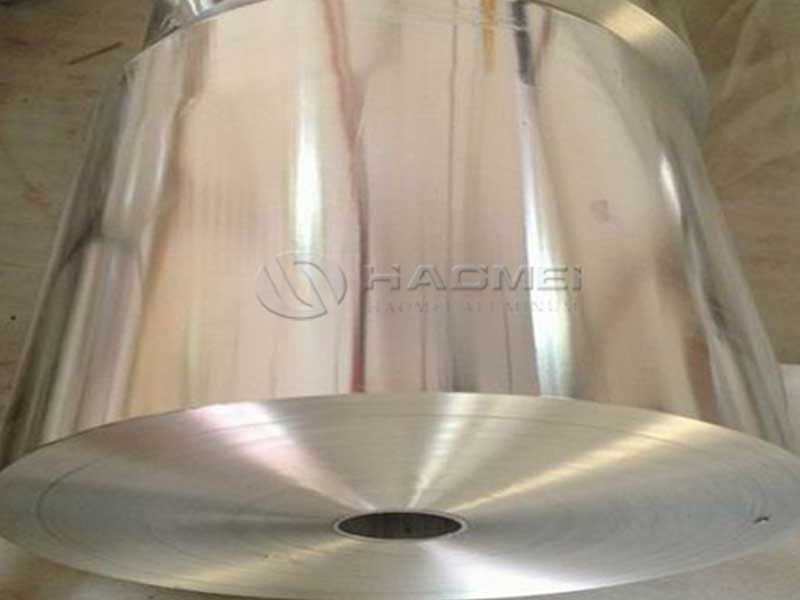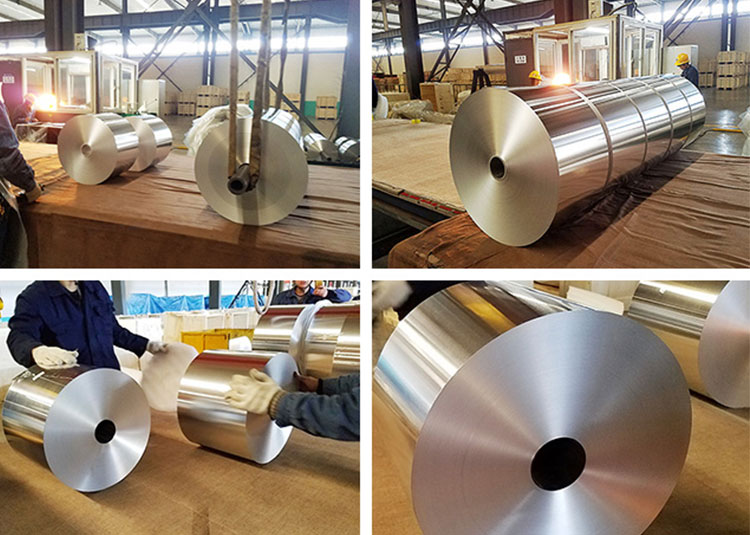

As electric vehicles (EVs) continue to revolutionize transportation, battery technology stands at the forefront of this transformation. A critical component often overlooked is the battery tab aluminum foil, which plays a pivotal role in efficiently connecting battery cells and facilitating charge flow.
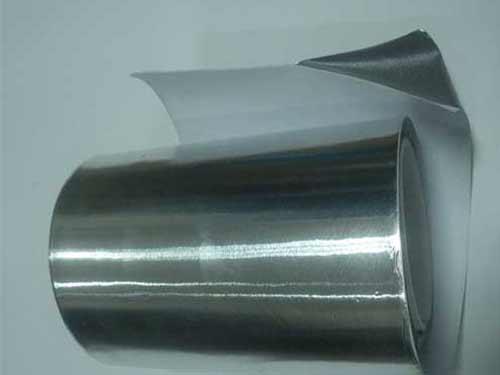
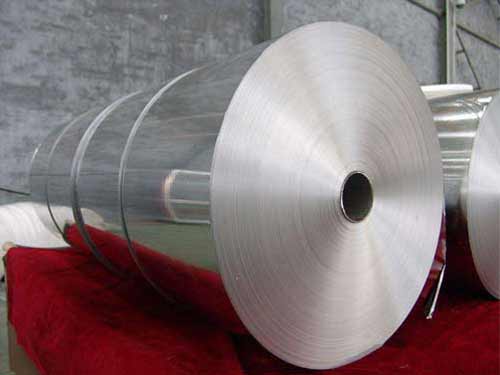
Battery tab aluminum foil acts as a conductive strip that links individual battery cells within lithium-ion battery packs used in EVs. It functions as both an electrical conductor and a mechanical connector, ensuring reliable current flow while accommodating battery assembly requirements.
For EV manufacturers, the choice of tab foil directly influences the battery's electrical performance, mechanical stability, and thermal management. Aluminum's excellent electrical conductivity, corrosion resistance, and lightweight properties make aluminum foil an ideal candidate for battery tabs. Enhanced flexibility in these foils is essential to adapt to organic shapes and modular battery designs typical in modern EV packs.
Functions of Battery Tab Aluminum Foil
The principal roles of battery tab foil include:
- Facilitating efficient current collection and minimizing resistance losses,
- Providing a secure mechanical connection between cell electrodes and busbars,
- Withstanding repeated charge-discharge cycling and corresponding expansion/contraction,
- Allowing flexibility to conform to arrays with custom shapes or merging multiple cells,
- Managing heat dissipation to ensure battery safety and longevity,
- Ensuring corrosion resistance in harsh electrochemical environments.
By improving foil ductility and flexibility while maintaining mechanical strength and conductivity, battery makers can optimize EV battery designs tailored for high power density and durability.
Applications in Electric Vehicle Batteries
Battery tab aluminum foil is predominantly used in lithium-ion batteries with pouch, prismatic, and cylindrical cells found in EVs. Its relevance extends to:
- Custom battery modules with complex geometries needing flexible tab connections,
- High-capacity modules where tab thickness and alloy choices affect electrical performance divided across cells,
- Solid-state battery prototypes requiring novel tab configurations,
- Battery manufacturing lines enabling welding or ultrasonic bonding using customized aluminum foil grades.
Technical Details and Performance Parameters
Alloy and Tempering Conditions
High-purity aluminum alloys are chosen for tab foils to enhance conductivity and corrosion resistance without compromising flexibility. The commonly used alloy and temper grades include:
| Alloy | Temper | Description | Typical Usage in Battery Tab Foil |
|---|---|---|---|
| 1145 | H14 / H16 | Commercially pure Al (99.45% min) | Mass production; good ductility and welding |
| 1350 | H14 / H18 | High purity Al; excellent conductivity | Premium tabs requiring high electrical control |
| 8011 | H14 / O | Al alloy with good strength & corrosion resist. | Used where formability and strength critical |
The temper refers to the work hardening and annealing processes that control the foil's ductility and strength. For example:
- H14 - Partially hard: good balance of strength and flexibility
- H18 - Full hard: higher strength, less flexible
- O - Annealed: maximum ductility, suitable when higher bending rates needed
Chemical Composition of Typical Aluminum Tabs
| Element | Max Content (%) | Remarks |
|---|---|---|
| Aluminum | 99.45 – 99.99 | Main base metal |
| Iron (Fe) | ≤ 0.35 | Impurity; low to maintain conductivity |
| Silicon (Si) | ≤ 0.10 | Controls crystallinity |
| Copper (Cu) | ≤ 0.03 | Minimizes corrosion |
| Manganese (Mn) | ≤ 0.01 | Strengthening element |
| Magnesium (Mg) | ≤ 0.05 | Improves corrosion resistance |
| Others | ≤ 0.05 | Trace elements |
Physical and Mechanical Properties
| Property | Typical Value | Unit |
|---|---|---|
| Thickness Range | 10 – 50 | µm |
| Width | Customizable up to 200 | mm |
| Tensile Strength | 70 – 120 | MPa |
| Elongation | 10 – 30 | % |
| Electrical Conductivity | ≥ 58 | % IACS (International Annealed Copper Standard) |
| Density | 2.7 | g/cm³ |
Handling Thermal and Mechanical Stress in EV Configurations
Battery tab foils used must maintain integrity under:
- Temperature fluctuations from -40°C to 80°C typically encountered
- Mechanical strains during battery assembly and operation
- Electrochemical stresses to prevent galvanic corrosion
Thus, enhanced flexibility ensures the foil can bend or twist without cracking when fitted into irregular module designs or expandable battery packs. Optimizing thickness, choosing soft tempers, and precise alloy compositions contribute to these capabilities.
Standards and Implementation Specifications
Implementing battery tab foils aligns with industry norms, predominantly guided by:
- IEC 62660-1: Electric vehicle traction battery performance and safety
- ISO 12405: Li-ion battery system testing for EVs
- Internal manufacturer specifications on weld-ability, tensile/elongation requirements
Custom tab foils undergo rigorous quality control comprising dimensional accuracy, chemical purity analysis, surface cleanliness (minimized oxides and contaminants), and mechanical testing per above.
Enhanced Flexibility Benefits for Custom Battery Configurations
Flexibility in aluminum battery tabs allows:
- Use in densely packed cells that bend or are stacked at non-perpendicular angles,
- Conformity with flexible battery pack designs for future EVs optimizing weight and shape,
- Adaptation at manufacturing lines employing foldings, welds, or laminations for different cell arrays,
- Reduced risk of internal fractures during system vibration or shocks,
- Compatibility with emerging battery types requiring updated foil designs.
Thanks to explicitly engineered temper specifications and alloy choices, these foils minimize losses while enabling diverse custom designs demanded in cutting-edge EV production.