
In pharmaceutical packaging, the smallest detail can influence safety, shelf life, and patient trust. Strip pack packaging aluminum foil is a good example. At first glance, it looks like a thin metallic layer used simply to wrap tablets, capsules, or powder doses. In reality, it is a carefully engineered barrier material that protects medicine from moisture, oxygen, light, contamination, and mechanical damage. From the perspective of a pharmaceutical buyer or converter, this foil is not just packaging material-it is part of the product protection system.
What makes strip pack foil especially valuable is its role in unit-dose packaging. Each pill or powder dose is sealed individually between foil layers or between foil and another compatible material, creating a clean and reliable enclosure. This format is widely used for tablets, capsules, and certain pharmaceutical powders where precise dosing and product stability are essential. For manufacturers, it offers excellent machine performance. For end users, it offers convenience, hygiene, and confidence.
Why strip pack aluminum foil matters in pharma
Pharmaceutical products are sensitive by nature. Some absorb moisture quickly. Others degrade under light or lose effectiveness when exposed to air. Strip pack aluminum foil acts as a high-performance shield. Aluminum itself provides near-total barrier protection against water vapor, gases, and light, which is why it remains one of the most trusted materials in the pharmaceutical industry.
A unique way to understand strip pack foil is to think of it as a "silent guardian" of active ingredients. The medicine inside may be small, but its value is high. The foil must preserve potency from the production line to the patient's hand. This means the material must perform consistently during printing, lamination, heat sealing, slitting, and high-speed packing. It is not enough for the foil to be strong; it must also be stable, clean, printable, sealable, and compliant with pharmaceutical regulations.
Typical structure and product features
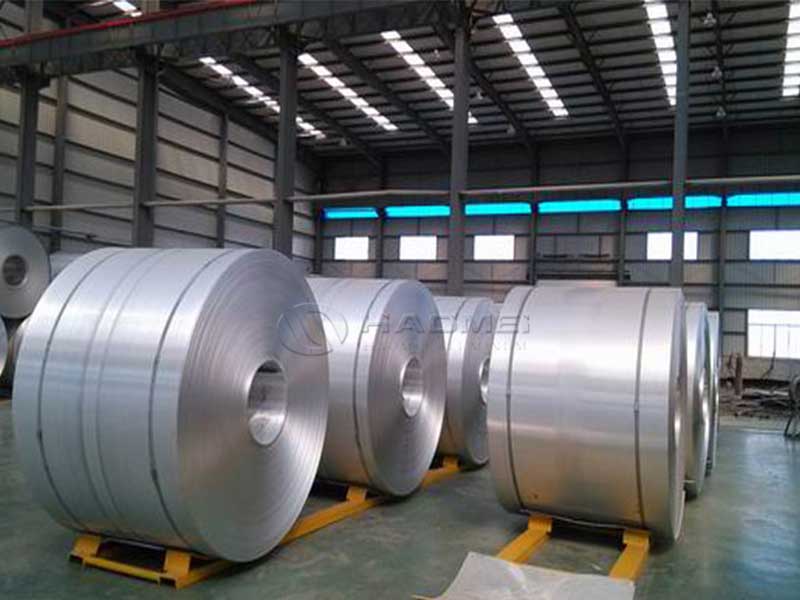
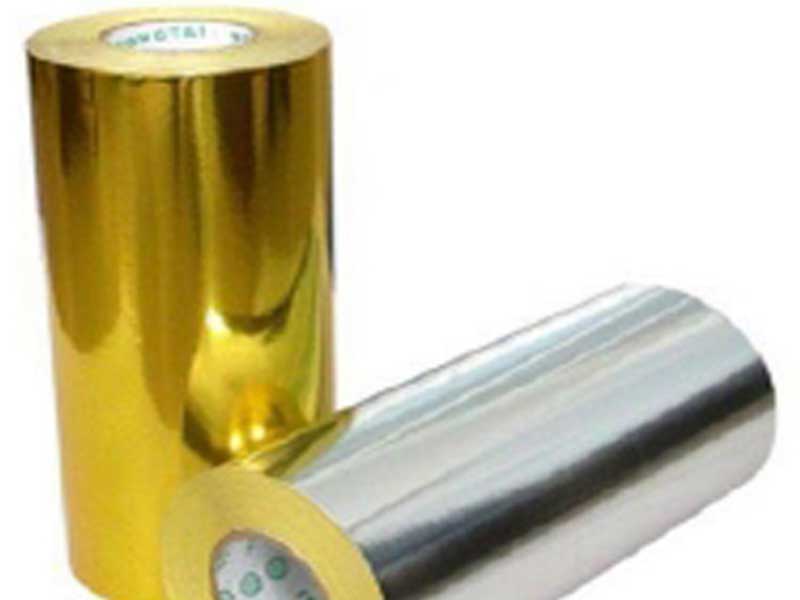
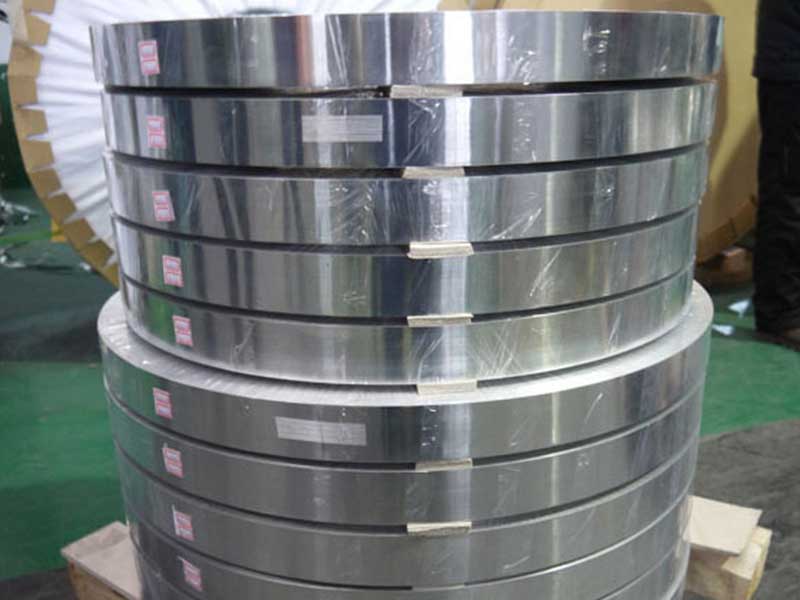
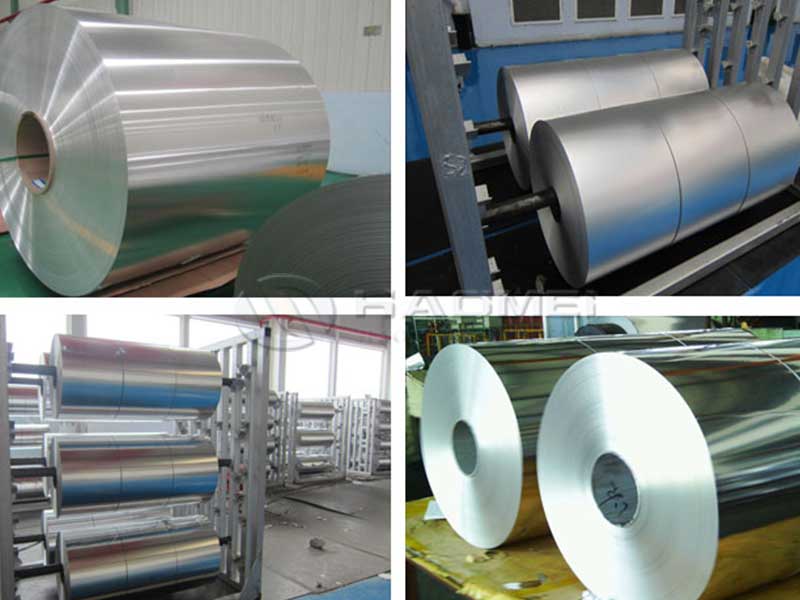
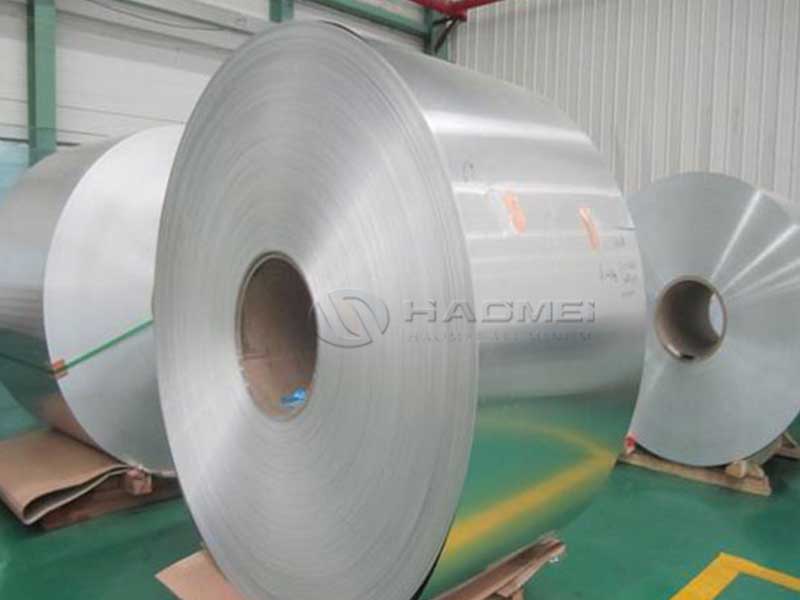
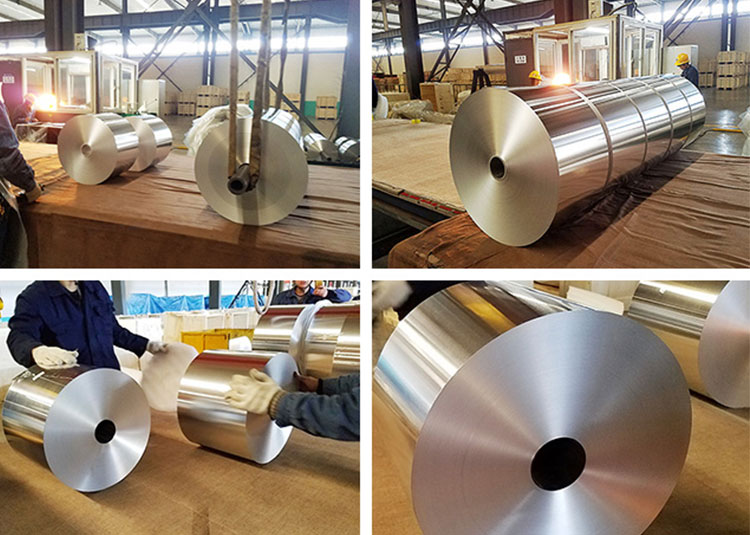
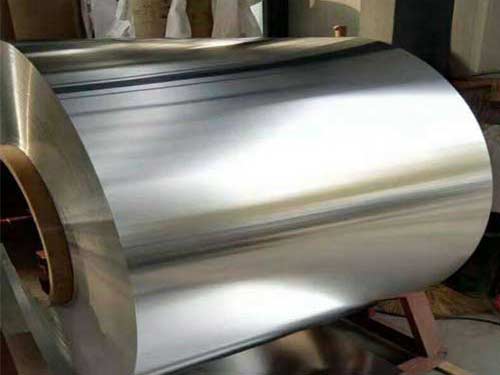
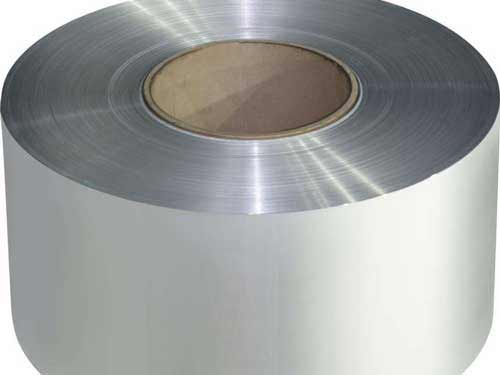
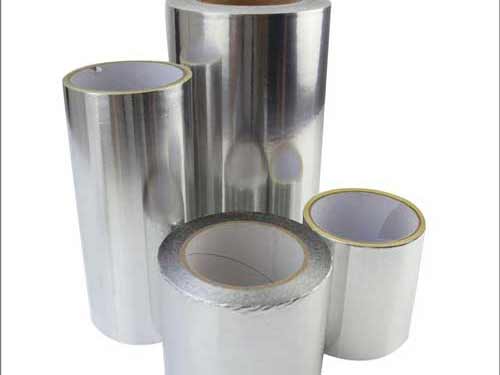
Strip pack packaging aluminum foil is usually supplied as soft aluminum foil, often coated or laminated with heat-seal lacquer, polymer film, or protective primer depending on the packaging design. The exact structure depends on whether the product is tablets, capsules, or powder sachet-style strip packs.
Common features include:
- Excellent barrier against moisture, oxygen, and UV light
- Strong heat seal performance for secure enclosure
- Good dead-fold characteristics for forming and wrapping
- Smooth surface for pharmaceutical-grade printing
- High cleanliness and low pinhole rate
- Good compatibility with high-speed strip packing machines
In many pharmaceutical applications, the foil is printed on one side and heat-seal coated on the other. The coating system is selected according to the filling material, sealing temperature, machine speed, and storage conditions.
Common specifications and parameters
Customers often need quick reference points when choosing strip pack foil. The following ranges are typical in the market, though exact values can be customized.
| Parameter | Typical Range / Option |
|---|---|
| Base material | Pharmaceutical aluminum foil |
| Alloy | 8011, 8079, 1235 |
| Temper | O / Soft |
| Thickness | 20–40 microns |
| Common thickness | 25μm, 30μm, 35μm |
| Width | 30–600 mm, customized |
| Inner core diameter | 76 mm or 152 mm |
| Outer roll diameter | Up to customer requirement |
| Surface | One side bright, one side matte |
| Coating type | Heat seal lacquer, primer, printed coating |
| Printing | Up to 6 colors or customized |
| Seal strength | Based on coating and substrate compatibility |
| Application | Tablets, capsules, pharmaceutical powders |
Among these options, 8011-O aluminum foil is one of the most widely chosen because it balances formability, barrier performance, and processing stability. 8079 and 1235 are also used where deeper flexibility or specific converter requirements apply.
Alloy tempering and material conditions
In pharmaceutical strip packaging, temper matters as much as alloy. Most strip pack foils are supplied in soft temper, typically O temper. This softer condition allows the foil to run smoothly on packaging lines while reducing the risk of cracking during forming or sealing. A hard temper foil may offer different mechanical behavior, but for strip packaging of pills and powders, soft foil is generally preferred because it adapts better to sealing and wrapping operations.
The three most common alloy options each have practical advantages:
- 8011-O is the mainstream choice for pharmaceutical packaging foil. It offers good strength, strong barrier properties, excellent processability, and stable surface quality.
- 8079-O is known for flexibility and deep processing suitability. It is often selected when converters need enhanced ductility.
- 1235-O is valued for high aluminum purity and very good barrier performance, especially in thin gauge applications.
The final selection depends on product sensitivity, machine conditions, coating design, and customer compliance requirements.
Implementation standards and quality expectations
Pharmaceutical packaging cannot rely on appearance alone. Strip pack aluminum foil is usually produced and controlled according to recognized industry and customer-specific standards. Depending on the target market and converter system, common references may include:
- GB/T standards for aluminum foil and pharmaceutical packaging materials
- YBB specifications for pharmaceutical packaging in China
- ASTM-related material references where applicable
- FDA compliance for indirect food and drug contact components
- EU pharmaceutical and packaging contact requirements
- RoHS or REACH declarations when requested by international buyers
- GMP-oriented cleanliness and traceability expectations during production
In practical terms, customers often focus on pinhole control, surface cleanliness, rolling quality, uniform thickness, coating adhesion, printing clarity, and heat seal consistency. These factors directly affect packaging integrity and machine efficiency.
Chemical composition of common pharmaceutical foil alloys
The chemical properties of aluminum foil alloys help explain their performance in pharmaceutical packaging. Below is a simplified reference table for common alloys used in strip pack applications.
| Element (%) | 8011 | 8079 | 1235 |
|---|---|---|---|
| Aluminum (Al) | Remainder | Remainder | 99.35 min |
| Silicon (Si) | 0.50–0.90 | 0.05–0.30 | 0.65 max |
| Iron (Fe) | 0.60–1.00 | 0.70–1.30 | 0.05–0.40 |
| Copper (Cu) | 0.10 max | 0.05 max | 0.05 max |
| Manganese (Mn) | 0.20 max | 0.10 max | 0.05 max |
| Magnesium (Mg) | 0.05 max | 0.05 max | 0.05 max |
| Zinc (Zn) | 0.10 max | 0.10 max | 0.10 max |
| Titanium (Ti) | 0.08 max | 0.06 max | 0.06 max |
| Others | Standard controlled trace amounts | Standard controlled trace amounts | Standard controlled trace amounts |
These values may vary slightly according to production standards and mill control limits, but they show why each alloy behaves differently during rolling, annealing, coating, and sealing.
Performance from the converter's viewpoint
For converters and pharmaceutical packaging companies, strip pack foil is judged not only by laboratory values but by line performance. A foil that looks fine in storage may still fail if it curls, breaks, seals unevenly, or produces poor print registration on the machine. That is why practical performance is central.
Good strip pack aluminum foil should unwind smoothly, maintain stable tension, accept primer and ink well, and form reliable seals under defined temperature and pressure windows. It should also resist pinholes, because even tiny defects can reduce barrier protection. In powder applications, seal integrity becomes even more critical, since leakage can affect dose accuracy and create contamination risks.
From this viewpoint, premium pharmaceutical foil is less about being "thin metal" and more about being a precision substrate. It must support automation, compliance, and product stability at the same time.
Choosing the right strip pack foil supplier
Buyers usually benefit from asking beyond thickness and price. Important questions include coating compatibility, sealing range, print performance, alloy consistency, cleanroom-related controls, and documentation support. A reliable supplier should be able to provide technical data, alloy certificates, compliance statements, and quality inspection records. Customization in width, roll length, print design, and coating system is also valuable, especially for pharmaceutical brands with specific machine setups.
Final thoughts
Strip pack packaging aluminum foil for pharmaceutical pills and powders plays a far more important role than its thin profile suggests. It protects sensitive formulations, supports efficient packaging lines, and helps ensure medicines remain safe and effective through storage and transport. With suitable alloys such as 8011-O, 8079-O, and 1235-O, combined with proper coating systems and strict quality control, this material delivers the barrier reliability that pharmaceutical applications demand.
For customers seeking packaging that is both practical and protective, strip pack aluminum foil remains one of the smartest choices in modern pharmaceutical packaging. It is simple in appearance, but highly specialized in performance-a material designed not just to wrap medicine, but to preserve its value.