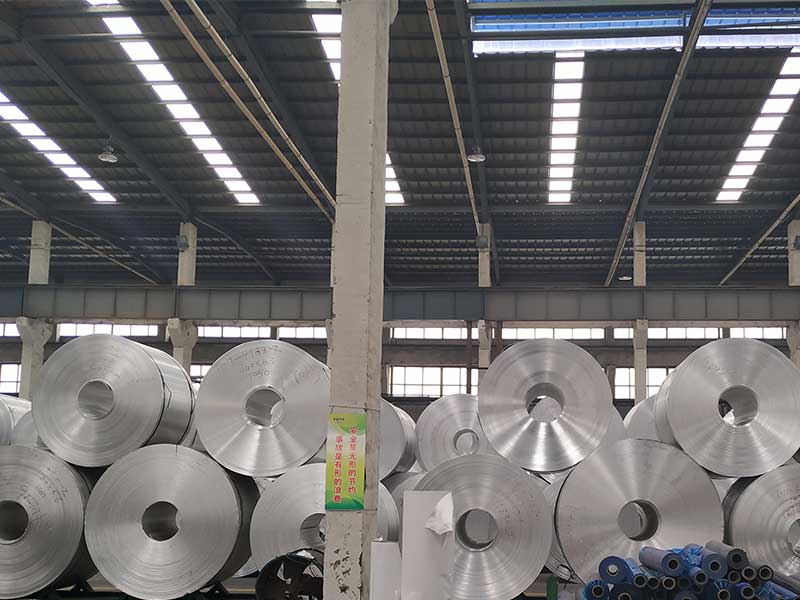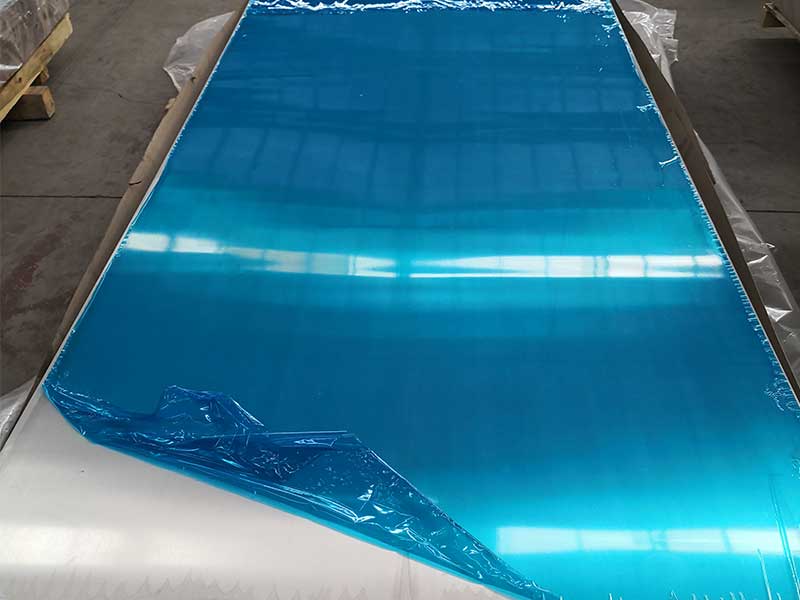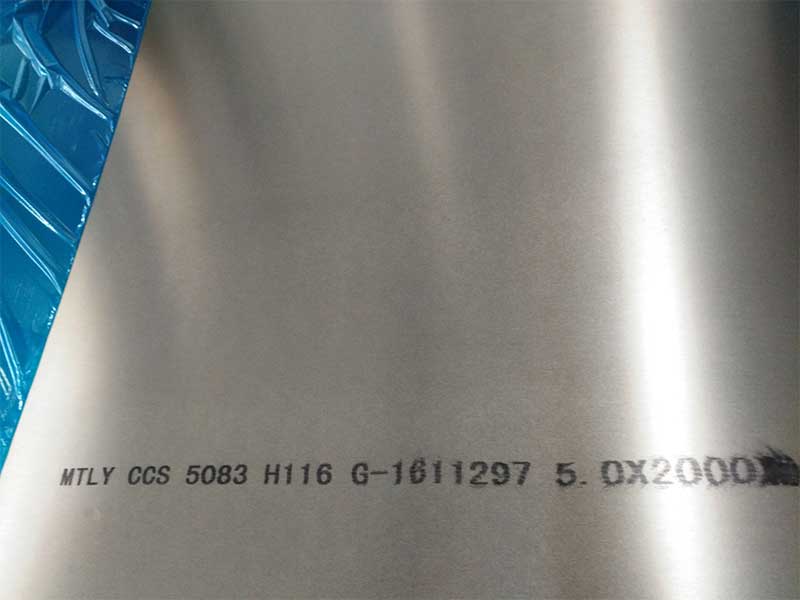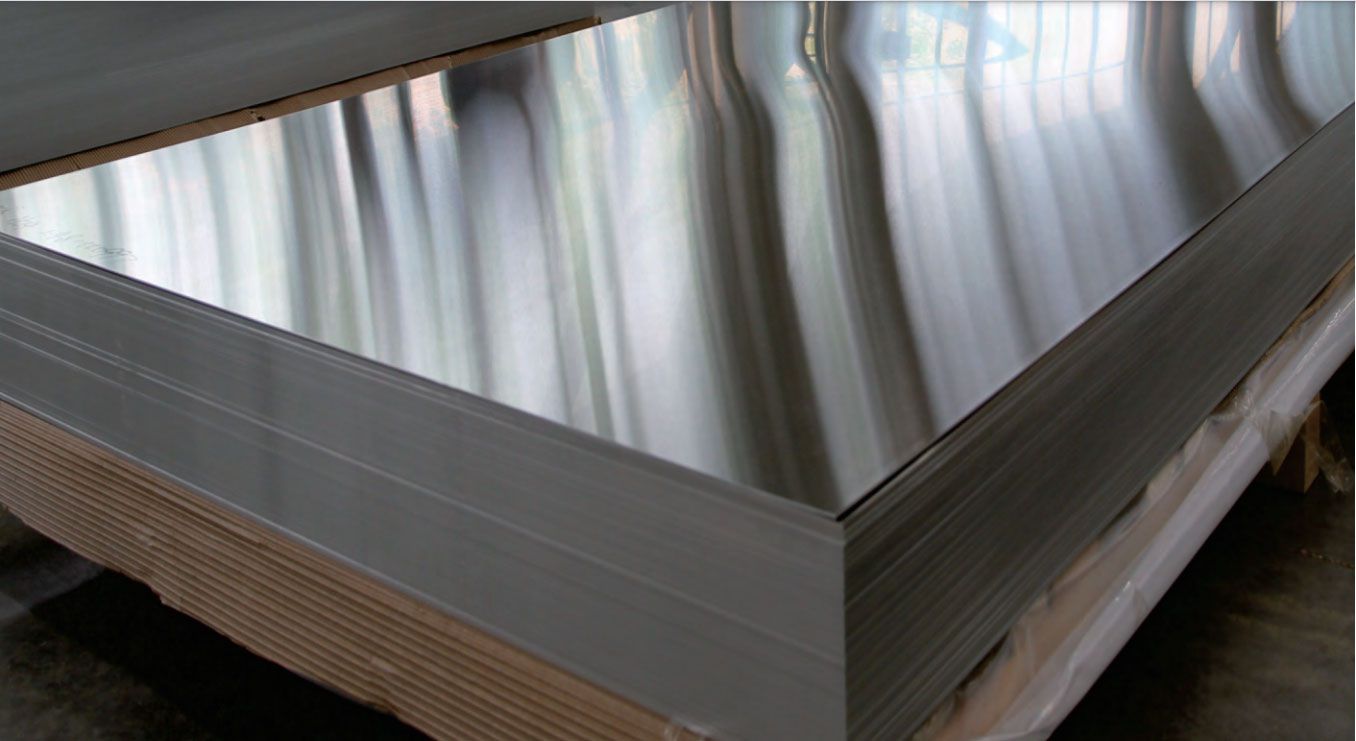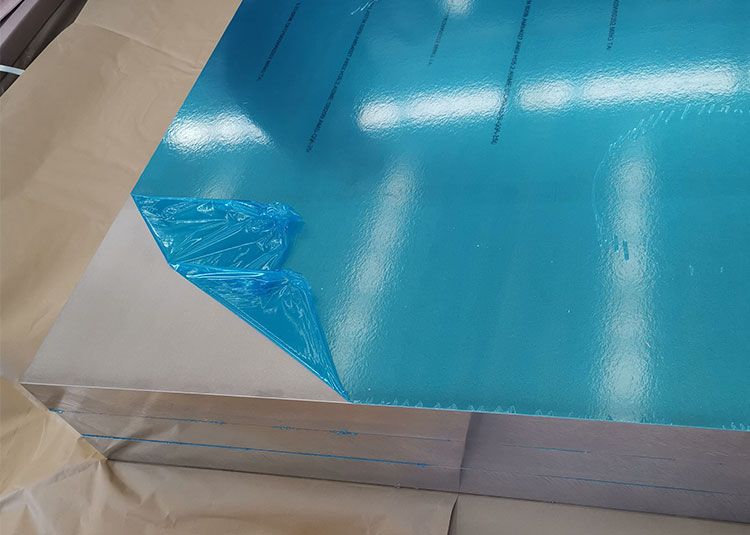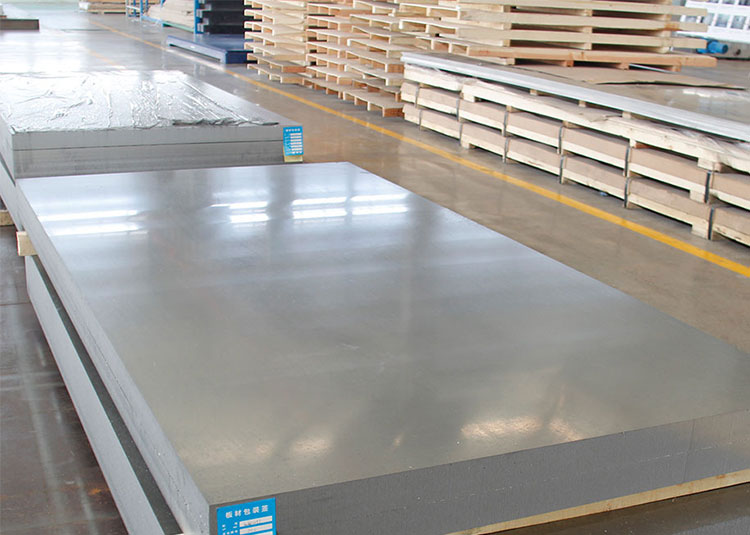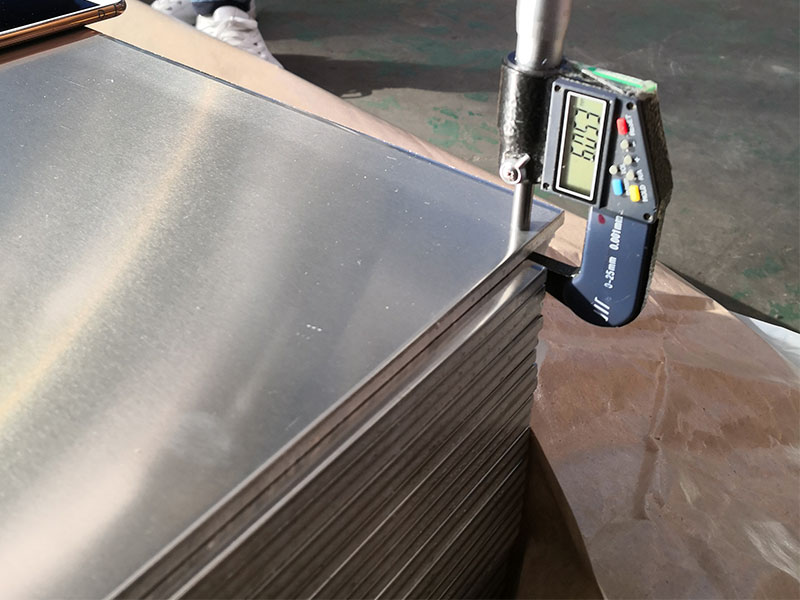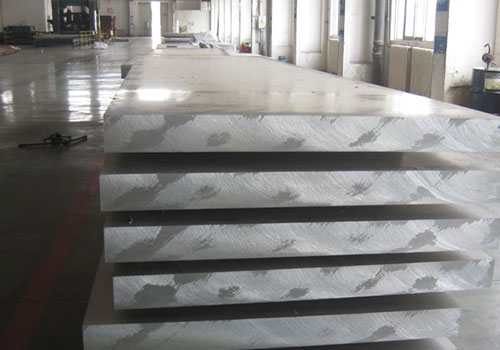

The 5083 aluminum alloy tanker is a widely regarded solution in transportation and storage industries for its exceptional combination of strength, corrosion resistance, and lightweight characteristics. Engineered specifically to stand up to harsh environmental conditions, the 5083 aluminum sheet forms the core of tanker manufacturing-a choice suited for demanding applications such as fuel, chemical, and cryogenic liquid tankers.
5083 is a non-heat-treatable alloy primarily composed of magnesium, aluminum, manganese, and traces of other metals, gaining excellent corrosion resistance and good weldability. These attributes make the 5083 aluminum alloy especially fitting for tanker use, where structural integrity and durability against saltwater, chemicals, and general wear are critical.
Functions of 5083 Aluminum Alloy Tankers
- Corrosion Resistance: With a high resistance to seawater and industrial chemicals, 5083 alloy extends tanker lifespan even under corrosive environments.
- Weight Efficiency: Adding operational cost-efficiency through weight reduction compared to steel tankers while maintaining robust strength.
- High Strength & Impact Resistance: Designed to endure heavy impact and pressure, which is vital during transportation of hazardous substances.
- Weldability: The microstructure enables reliable welding cycles, facilitating the assembly of complex tanker geometries.
- Good Fatigue Strength: Allows the tanker to tolerate cyclic loading and unloading stresses without failure.
Applications of 5083 Aluminum Alloy Tankers
Aluminum tankers composed of the 5083 alloy cater to various industries such as:
- Marine transportation of fuel and potable water
- Cryogenic transportation and storage (when anodized and coated with insulation)
- Chemical and petroleum product transport
- Food and beverage transport (including liquid foods like milk and juice)
- Construction materials transport for bulk liquids in powder and slurry form
Chemical Composition of 5083 Aluminum Alloy
The specific percentages of chemical elements define the material's protective and mechanical properties essential for tankers.
| Element | Percentage (%) |
|---|---|
| Aluminum (Al) | Balance |
| Magnesium (Mg) | 4.0 – 4.9 |
| Manganese (Mn) | 0.4 – 1.0 |
| Chromium (Cr) | 0.05 – 0.25 |
| Iron (Fe) | 0.4 max |
| Silicon (Si) | 0.4 max |
| Copper (Cu) | 0.1 max |
| Zinc (Zn) | 0.25 max |
| Titanium (Ti) | 0.15 max |
| Others | 0.05 max each |
This composition yields outstanding corrosion resistance and strength, fundamental for structural components intended for tank storage.
Mechanical and Technical Specifications
The mechanical characteristics of 5083 aluminum alloy affect the overall safety performance and lasting durability of the tankers.
| Property | Specification |
|---|---|
| Density | 2.66 g/cm³ |
| Tensile strength | 275 – 350 MPa |
| Yield strength (0.2% offset) | 130 – 220 MPa |
| Elongation at break | ≥10% (variable by temper) |
| Modulus of elasticity | ~70 GPa |
| Hardness (Brinell) | 80 – 110 HB |
Alloy Temper & Implementation Standards
Tanker's integral strength depends on specific heat treatment and mechanical processing standards according to industry-specific manufacturing codes.
| Temper | Description |
|---|---|
| O | Annealed, soft temper |
| H111 | Strain-hardened, partially annealed |
| H116 | Strain-hardened and stabilized, good corrosion resistance |
| H321 | Solution heat-treated, strain-hardened and stabilized |
| H34 | Strain-hardened (approximately 1/4 hard) |
Delivery condition hones machinability and enables functional thick plates or sheets used in tanker manufacturing to meet different structural reliability requirements.
Implementation & Industry Standards
Manufacturing of 5083 aluminum tankers must align with relevant quality and testing protocols ensuring safety and compliance.
| Standard | Description |
|---|---|
| ASTM B209 | Standard specification for aluminum and aluminum-alloy sheet and plate |
| ASME BPVC Section II | Materials incorporated for pressure vessel design and safety |
| EN 485/EN 573 | European norms governing alloys chemical properties and testing of aluminum products |
| ISO 6361 | Aluminum – Flat rolled products |
| AWS D1.2 Weld Qualification | Welding structural aluminum properly |
Strict compliance to the abovementioned ensures that fabricated tankers have guaranteed structural performance and adherence to regional and global industrial rules.
The 5083 aluminum alloy tanker represents an advanced, multifunctional transportation unit adaptable for a variety of challenging industrial needs. Its superior corrosion resistance, light weight, high strength, and excellent weldability positions it as an indispensable solution in sectors ranging from marine and chemical to food and beverage transport.
Technical insight including its chemical makeup, mechanical abilities, tempering conditions, and implementation standards indicates this alloy can support enhanced tanker longevity, safer transport, and operational efficiencies. For companies aiming to invest in trustworthy, durable, and cost-effective tanker systems, aluminum 5083 tanks present one of the most compelling choices available today.