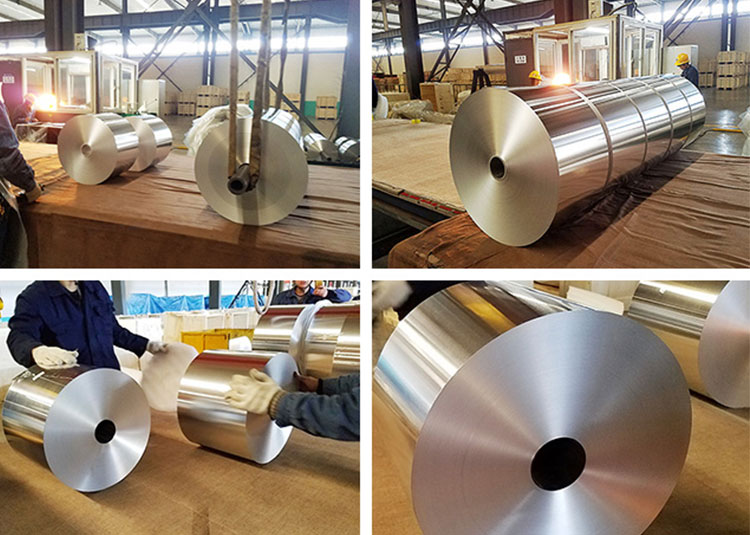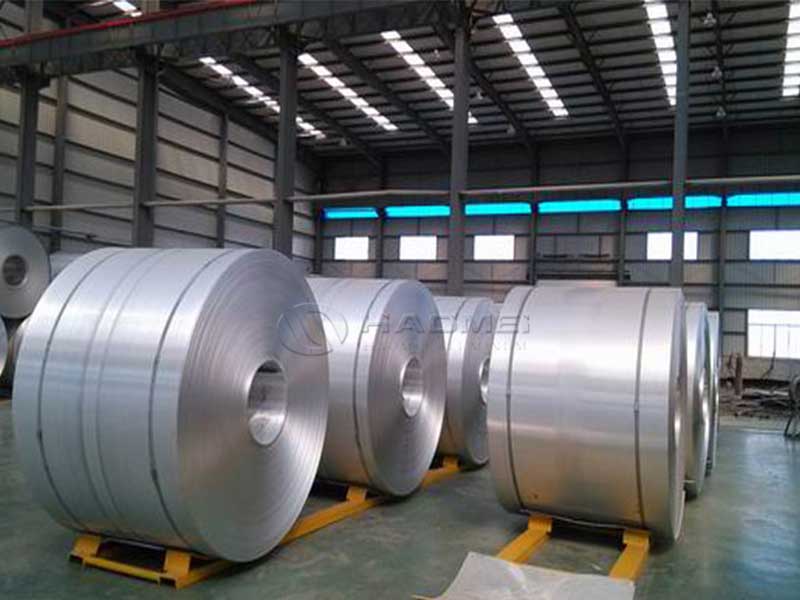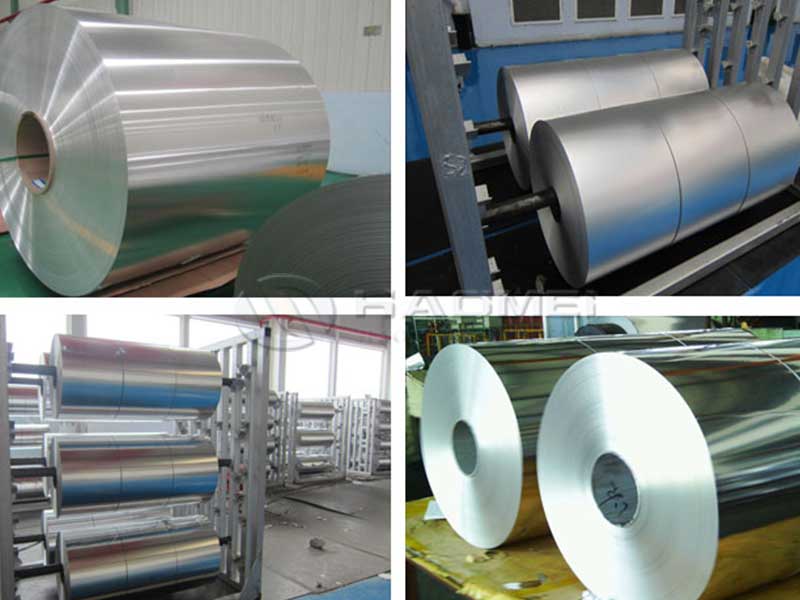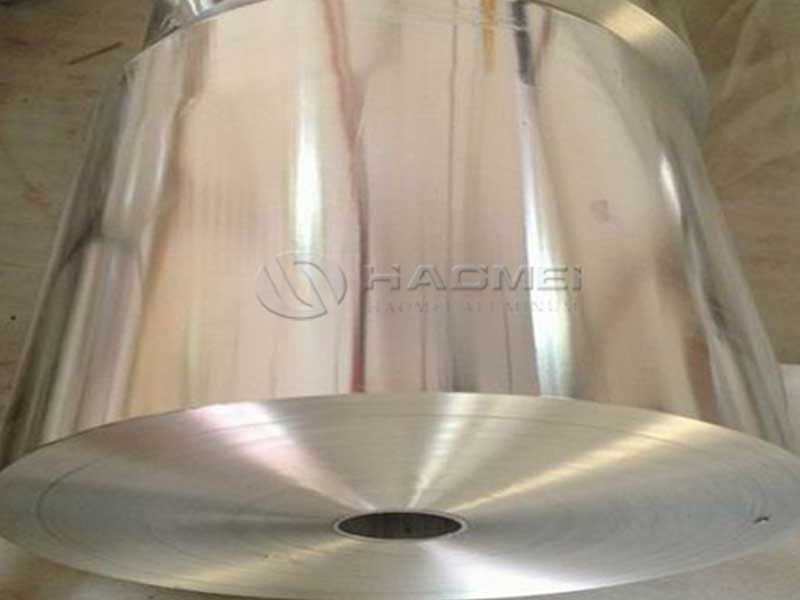

In modern pharmaceutical packaging, the most powerful feature is often the one a patient never consciously notices. A tablet presses through a pocket, the lidding breaks with a crisp and predictable force, and the medicine feels protected, clean, and authentic. That seemingly simple experience is the result of a highly engineered system: Aluminum PVC blister packs for tablets and capsules with tamper evident lidding.
Why Aluminum PVC Blister Packs Still Dominate Pharmaceutical Packaging
The popularity of PVC blister packs with aluminum foil lidding is not an accident. It comes from the balance of visibility, protection, machinability, and cost control. PVC or PVC-based thermoforming films create the cavity, while the pharmaceutical aluminum lidding foil provides the seal, print surface, barrier layer, and tamper evidence.
This combination is especially valued for:
- Tablets and capsules requiring unit-dose integrity
- High-speed blister packaging lines
- Visible product presentation
- Controlled push-through opening
- Batch coding and anti-counterfeiting print compatibility
- Reliable tamper evidence for patient safety
The blister format also helps reduce cross-contamination risk during handling because each dose remains individually sealed until use. For many pharmaceutical brands, this is not merely packaging convenience; it is a direct extension of product quality assurance.
The Distinctive Role of Tamper Evident Lidding
Tamper evident lidding is often discussed as a compliance feature, but its real value is deeper. It creates a visible and mechanical record of first access. In practice, aluminum blister lidding foil acts as a proof layer. If the seal is broken, punctured, peeled improperly, or delaminated, the package communicates that interference has occurred.
This is why tamper evident blister lidding for tablets and capsules is designed with tightly controlled sealing behavior. The foil must bond securely to the PVC forming film, yet still allow the intended opening mode, usually push-through access. If the bond is too weak, integrity is compromised. If it is too strong, patient usability suffers. The engineering challenge lies in balancing barrier performance, seal strength, and opening force.
From this viewpoint, tamper evidence is not only about showing damage. It is about designing a package that fails in a visible, recognizable, and non-ambiguous way when disturbed.
Structure of Aluminum PVC Blister Packs
A standard PVC blister pack with aluminum lidding foil usually includes two components.
The first is the thermoformed base web, commonly PVC or a multi-layer structure such as PVC/PVDC or PVC/PE/PVDC for improved moisture and oxygen protection.
The second is the lidding material, typically hard temper aluminum foil coated with a heat seal lacquer and often a primer for printing. The lidding may be plain, printed, or combined with security features.
A common pharmaceutical blister lidding foil structure may include:
- Aluminum foil substrate
- Primer coating for ink anchorage
- Printed layer
- Protective overprint varnish if needed
- Heat seal coating compatible with PVC or other forming films
The result is a laminate-like performance system in which each layer contributes to printability, seal reliability, barrier function, puncture behavior, and tamper evidence.
Typical Parameters for Pharmaceutical Aluminum Blister Lidding Foil
The exact specification depends on drug sensitivity, machine type, cavity design, and target market regulations. Still, there are widely accepted technical ranges in the industry for aluminum foil for PVC blister packs.
| Parameter | Typical Range / Condition | Remarks |
|---|---|---|
| Alloy | AA8011, AA8079, AA8021 in some cases | AA8011 is especially common for blister lidding |
| Temper | H18, H19, sometimes hard temper variants | Provides crisp push-through behavior |
| Foil thickness | 20–30 µm | Common commercial range; 25 µm often used |
| Heat seal coating weight | 4–8 g/m² | Depends on PVC compatibility and seal targets |
| Primer coating weight | 1–2 g/m² | Supports print adhesion |
| Width tolerance | As agreed by supply specification | Depends on slitting precision and line speed |
| Tensile strength | Typically high for hard temper foil | Supports puncture and die-cut stability |
| Elongation | Low, characteristic of hard temper | Important for controlled rupture |
| Surface quality | One side bright, one side matte typical | Subject to rolling process and print direction |
| Wettability / dyne value | Controlled for printing and coating adhesion | Critical for high-quality graphics |
| Pinholes | Strictly minimized | Essential for barrier consistency |
| Sealing temperature | Commonly around 180–250°C | Depends on lacquer chemistry and dwell time |
| Sealing pressure | Set by line conditions | Must match tooling and web geometry |
| Dwell time | Often 0.2–1.0 s in production | Influences seal strength and throughput |
| Push-through performance | Defined per customer protocol | Must align with patient use profile |
These values are indicative rather than universal. Pharmaceutical packaging always requires validation under real production conditions.
Alloy Choice: Why AA8011 Is So Widely Used
When discussing pharmaceutical blister lidding foil alloys, AA8011 usually appears first. That is because it offers an excellent combination of processability, strength, surface quality, and compatibility with coating systems. In hard tempers such as 8011 H18 aluminum foil, the material performs well in high-speed printing, coating, slitting, and blister sealing operations.
AA8011 also supports the controlled fracture behavior needed for push-through lidding. In other words, it is strong enough to maintain package integrity during transport and storage, yet brittle enough in the right temper to rupture cleanly when a tablet or capsule is pressed out.
Other alloys can be selected for special requirements, but 8011 pharmaceutical aluminum foil remains a benchmark because it aligns well with both converting efficiency and final package function.
Tempering Conditions and Their Influence on Blister Performance
Temper is not just a mechanical label on a datasheet. It directly affects how the foil behaves in converting and in the patient's hand. For aluminum blister lidding foil, hard temper conditions such as H18 are favored because they produce the desired balance of rigidity and break characteristics.
A softer temper may improve formability, but lidding foil is not intended to be deeply drawn like cold forming alu alu foil. Its job is different. It must remain dimensionally stable, printable, sealable, and frangible under pressure.
Hard temper foil contributes to:
- Better dead-fold-free flatness for line handling
- Reliable die-cutting and perforation response
- Distinct push-through opening behavior
- Lower risk of unintended stretching before rupture
- Consistent tamper evident appearance after opening
This is why temper selection should always be linked to the opening mode, cavity geometry, tablet hardness, and required patient ergonomics.
Chemical Composition of Common Pharmaceutical Lidding Foil Alloy
Below is a representative chemical composition table for AA8011 aluminum foil, one of the most common alloys for blister lidding applications. Actual values should follow the applicable material certificate and customer specification.
| Element | Typical Content (%) |
|---|---|
| Aluminum (Al) | Remainder |
| Silicon (Si) | 0.50–0.90 |
| Iron (Fe) | 0.60–1.00 |
| Copper (Cu) | 0.10 max |
| Manganese (Mn) | 0.20 max |
| Magnesium (Mg) | 0.05 max |
| Chromium (Cr) | 0.05 max |
| Zinc (Zn) | 0.10 max |
| Titanium (Ti) | 0.08 max |
| Other elements, each | 0.05 max |
| Other elements, total | 0.15 max |
The Fe and Si balance in AA8011 contributes to the alloy's strength and foil rolling characteristics. In packaging terms, these compositional controls support a stable substrate for coating, printing, slitting, and sealing.
Chemical and Functional Properties of Aluminum Lidding Foil
For pharmaceutical buyers, chemical composition alone is not enough. The practical value lies in how the foil behaves chemically and physically in the package environment.
| Property | Performance Characteristic | Relevance to Tablets and Capsules |
|---|---|---|
| Corrosion resistance | Good under controlled storage and coating protection | Helps maintain package appearance and integrity |
| Light barrier | Excellent | Protects light-sensitive formulations |
| Moisture barrier | Excellent as a metal foil layer | Supports shelf life when seal integrity is maintained |
| Oxygen barrier | Excellent | Important for oxidation-sensitive products |
| Odor neutrality | Suitable when produced to pharmaceutical standards | Prevents packaging-related sensory contamination |
| Chemical stability | High in dry, coated, intended-use conditions | Compatible with pharmaceutical packaging systems |
| Printability | Very good with primer-treated surface | Enables branding, dosage info, batch coding |
| Heat seal compatibility | Engineered through lacquer system | Ensures secure bond to PVC blister web |
| Frangibility | Controlled by alloy and temper | Delivers push-through access and tamper evidence |
| Recyclability potential | Aluminum is widely recyclable where systems exist | Supports sustainability discussions |
Implementation Standards and Compliance Considerations
In pharmaceutical packaging, technical performance only matters if it can be demonstrated through recognized standards and validated control systems. Aluminum foil for blister pack lidding is therefore produced and tested under a framework of material, quality, hygiene, and pharmaceutical packaging requirements.
Depending on market and application, relevant implementation standards and compliance references may include:
- ASTM methods for mechanical and barrier-related evaluation
- EN standards for aluminum and aluminum alloy foil tolerances and properties
- ISO quality management systems such as ISO 9001
- GMP-oriented manufacturing controls for pharmaceutical packaging materials
- Food and pharmaceutical contact compliance according to destination market regulations
- Customer-specific validation protocols for seal strength, burst behavior, ink adhesion, and machinability
In practical sourcing, buyers often request certificates covering:
- Alloy and temper confirmation
- Thickness and tolerance verification
- Coating weight data
- Surface cleanliness
- Pinholes and appearance inspection
- Heat seal performance
- Migration or contact compliance where applicable
- Microbiological or hygiene control documentation for pharmaceutical use
What matters most is not a generic claim of compliance, but documented consistency between the foil specification and the actual blister line process.
Seal Performance: The Real Engine Behind Tamper Evidence
If aluminum foil is the face of the blister pack, the heat seal coating is its hidden intelligence. The lacquer system determines whether the lidding adheres correctly to PVC, how it behaves under machine temperature, and how uniformly it releases or ruptures during opening.
For PVC blister pack sealing foil, critical factors include:
- Compatibility between seal lacquer and base film
- Sealing temperature window
- Pressure stability across the platen
- Dwell time sensitivity
- Resistance to channel leaks
- Aging stability of the seal
- Push-through force consistency after storage
A well-designed lidding foil does not simply stick to PVC. It forms a reproducible seal interface that survives transport vibration, climate changes, and shelf-life conditions. This is where laboratory specification meets packaging reality.
Printing, Branding, and Security Functions
Another advantage of aluminum blister lidding foil is its superior print surface. Pharmaceuticals require compact but highly legible information: dosage, product name, lot number, expiry date, language localization, and often anti-counterfeit graphics.
From a branding standpoint, aluminum foil offers a bright, clean appearance with excellent contrast. From a security standpoint, it can support:
- Reverse printing under protective layers
- Color-shift or security inks
- Microtext and fine-line artwork
- Variable data coding
- Embossing or registered pattern features
- Overt signs of tampering after rupture
This makes the lidding foil more than a closure. It becomes a communication layer carrying regulatory data, brand identity, and authenticity signals all at once.
How PVC and Aluminum Work Together
The phrase Aluminum PVC blister packs for tablets and capsules refers to a partnership between two materials with very different strengths. PVC provides thermoformability, visual clarity, and cost-effective cavity design. Aluminum foil provides barrier, sealing, and tamper evidence.
The engineering challenge is to harmonize them. The cavity depth, tablet shape, dome geometry, and lidding foil temper must all work together. If the cavity is too tight, push-through force can spike. If the lidding is too soft, opening becomes less precise. If the seal is too aggressive, patients may struggle to remove the dose without crushing it.
This is why successful blister packaging is never about selecting a foil in isolation. It is about matching the aluminum lidding foil, the PVC forming film, the product geometry, and the packaging line settings as a complete system.
Common Application Conditions for Tablets and Capsules
For tablets and capsules, blister pack design often varies according to product fragility, dosage frequency, target age group, and climate exposure. Important application conditions include:
- Standard tablets needing clean push-through release
- Soft or friable tablets requiring moderated opening force
- Hard gelatin capsules sensitive to moisture balance
- High-humidity distribution markets needing stronger barrier structures
- Child-deterrence or senior-friendly requirements depending on packaging strategy
- High-speed packaging lines requiring broad sealing latitude
A high-quality lidding foil supplier should therefore support not only material delivery, but also application matching. This includes trial rolls, seal curve studies, and machine adaptation guidance.
Quality Defects to Watch For
Even premium pharmaceutical aluminum foil lidding can underperform if quality control is weak. Buyers and converters typically monitor for:
- Uneven coating distribution
- Poor ink adhesion
- Curling or flatness issues
- Excessive pinholes
- Slitting burrs
- Inconsistent seal strength
- Foil breakage on line
- Delamination of printed or coated layers
- Abnormal push-through behavior
- Surface oil or contamination
In pharmaceutical applications, minor visual defects can quickly become major validation concerns. This is why consistent coil quality, controlled rolling, clean coating lines, and precise slitting are essential.
Sustainability and Material Efficiency
Although sustainability discussions around blister packaging are evolving, aluminum foil lidding remains highly valued because it delivers strong protection at extremely low gauge. A foil thickness around 20–25 µm can provide excellent barrier and tamper evident performance with minimal material mass.
That efficiency matters. It means small amounts of metal create significant product protection, reducing spoilage risk and preserving medicine effectiveness through the supply chain. In pharmaceutical packaging, preventing product loss is itself a form of sustainability.
Choosing the Right Aluminum Foil Supplier for Blister Lidding
When sourcing aluminum blister foil for PVC packs, the best supplier is not simply the one offering the lowest price per kilogram. The right partner understands coating chemistry, hard temper foil behavior, print performance, regulatory documentation, and sealing compatibility.
A strong supplier should be able to discuss:
- Recommended alloy and temper for your blister format
- Foil thickness optimization
- Seal lacquer compatibility with PVC or PVDC-coated PVC
- Printing and primer requirements
- Reel dimensions and line compatibility
- Validation support and sample testing
- Documentation for pharmaceutical packaging use
- Consistency across repeat orders
In a pharmaceutical environment, reliability often matters more than headline cost. A cheaper foil that causes sealing rejects, opening complaints, or downtime quickly becomes expensive.
Final Thoughts
The real story behind Aluminum PVC blister packs for tablets and capsules with tamper evident lidding is not just packaging protection. It is engineered trust. Every layer, from 8011 H18 aluminum foil to the heat seal lacquer and printed surface, contributes to a package that patients can open with confidence and manufacturers can validate with precision.
Seen from this distinctive viewpoint, blister lidding foil is not a passive cover. It is an active pharmaceutical safeguard, a processing material, a barrier shield, a print carrier, and a tamper signal all at once.
For companies working with pharmaceutical aluminum foil, success comes from the complete relationship between alloy, temper, coating, sealing conditions, and end-use behavior. When those factors are aligned, the result is a blister pack that performs exactly as medicine packaging should: quietly, consistently, and convincingly.