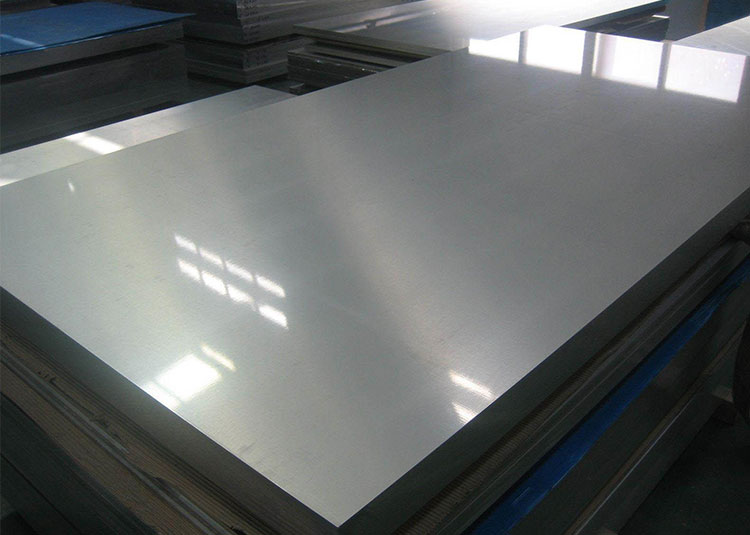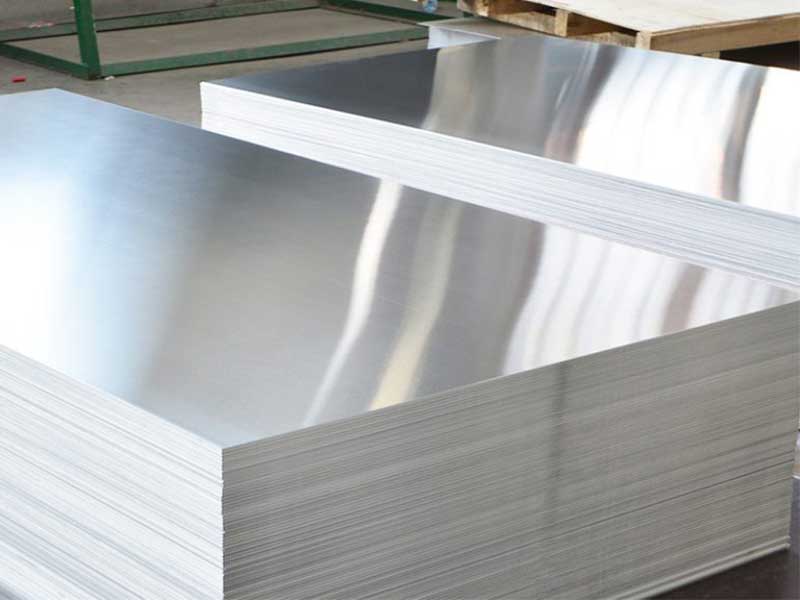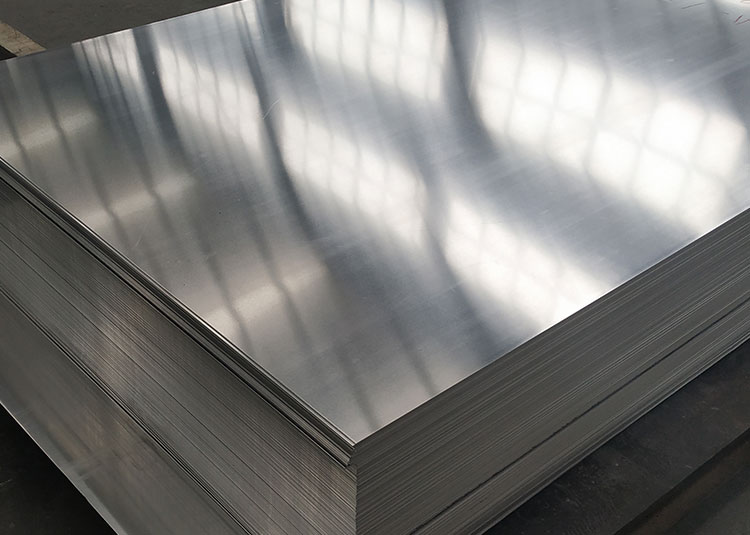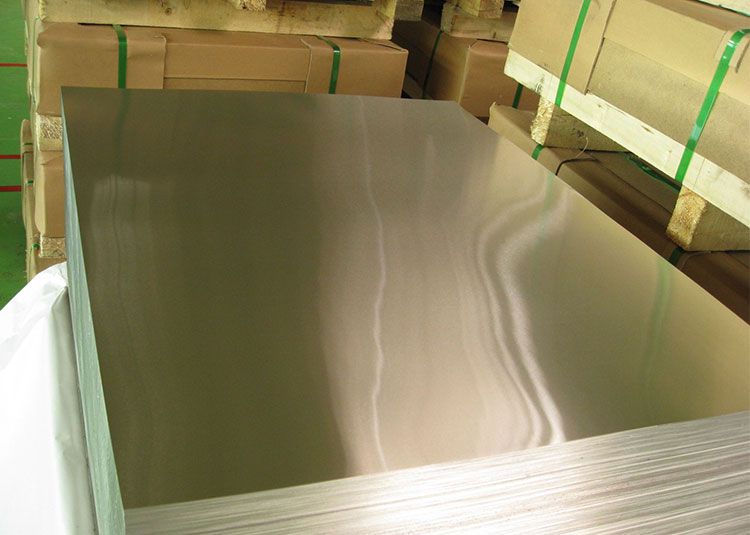

A 14mm aluminum sheet sits in a practical "sweet spot" of thickness: heavy enough to deliver real structural stiffness and durability, yet still lightweight, corrosion-resistant, and machinable compared with steel plate. It is commonly selected for base plates, tooling, transport structures, marine components, pressure-related panels, and heavy-duty enclosures-applications where thin sheet would flex and where thicker plate would add unnecessary cost and weight.
Because "14mm aluminum sheet" can be produced in multiple alloys and tempers, the best product choice depends on whether the priority is strength, corrosion resistance, weldability, or machinability. The sections below provide a fast, customer-friendly guide to features, typical alloys, and where 14mm performs best.
What Makes 14mm Aluminum Sheet Stand Out
Balanced stiffness-to-weight
At 14mm, deflection drops sharply versus common mid-thickness sheets. This is valuable in decks, platforms, machine covers, and frames where vibration control and flatness matter.
Corrosion resistance with low maintenance
Most aluminum sheet alloys naturally form a protective oxide film. In marine air, industrial humidity, and outdoor exposure, aluminum generally outlasts many carbon steels without coating-especially in the right alloy.
Fabrication flexibility
14mm stock can be cut, drilled, tapped, welded, and CNC-machined efficiently. It is thick enough for robust threads and edge distance, yet still friendly to standard fabrication equipment.
Clean finishing options
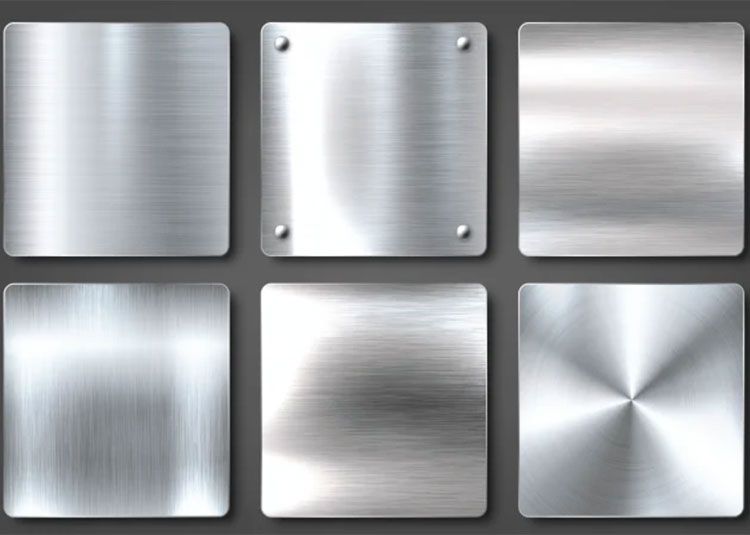
It supports a wide range of finishes such as mill finish, brushed, painted, and anodized (anodizing suitability depends on alloy). Flatness and surface quality are especially important when the sheet becomes a visible panel or a sealing surface.
Typical Alloy Choices for 14mm Aluminum Sheet
Different alloys behave very differently at 14mm. The table below summarizes widely used options.
| Alloy (Common Temper) | Strengths | Best-Use Scenarios | Notes |
|---|---|---|---|
| 5052-H32 / H34 | Excellent corrosion resistance, good formability, good weldability | Marine housings, chemical covers, general-purpose structural sheet | Not heat-treatable; moderate strength |
| 5083-H116 / H321 | High strength + superior marine corrosion resistance | Shipbuilding, offshore, heavy marine structures | Great for harsh salt environments |
| 6061-T6 / T651 | Strong, versatile, good machinability, weldable | Frames, tooling plates, base plates, industrial parts | Post-weld strength reduction in heat-affected zone |
| 6082-T6 | Strong structural alloy, good machinability, weldability | Structural members, transport, cranes, platforms | Popular in many markets as a structural choice |
| 7075-T6 / T651 | Very high strength, good fatigue performance | Aerospace-style fixtures, high-load parts where welding is not required | Lower corrosion resistance; typically not welded |
Chemical Composition (Typical Ranges)
Actual chemistry varies by standard and producer; the values below reflect common reference ranges for widely used alloys.
| Alloy | Main Alloying Elements | Typical Composition Range (wt%) |
|---|---|---|
| 5052 | Mg, Cr | Mg 2.2–2.8, Cr 0.15–0.35 |
| 5083 | Mg, Mn, Cr | Mg 4.0–4.9, Mn 0.4–1.0, Cr 0.05–0.25 |
| 6061 | Mg, Si, Cu, Cr | Mg 0.8–1.2, Si 0.4–0.8, Cu 0.15–0.40, Cr 0.04–0.35 |
| 6082 | Mg, Si, Mn | Mg 0.6–1.2, Si 0.7–1.3, Mn 0.4–1.0 |
| 7075 | Zn, Mg, Cu, Cr | Zn 5.1–6.1, Mg 2.1–2.9, Cu 1.2–2.0, Cr 0.18–0.28 |
Technical Specifications (Typical Supply Parameters)
A 14mm sheet is often supplied as cut-to-size blanks or full sheets/plates depending on mill capability and local standards. The table lists common commercial expectations.
| Parameter | Typical Offering |
|---|---|
| Thickness | 14.0 mm |
| Thickness tolerance | Per standard and mill practice (often tighter on precision tooling plate) |
| Width range | Commonly 1000–2000 mm (custom widths available) |
| Length range | Commonly 2000–6000 mm (cut-to-length available) |
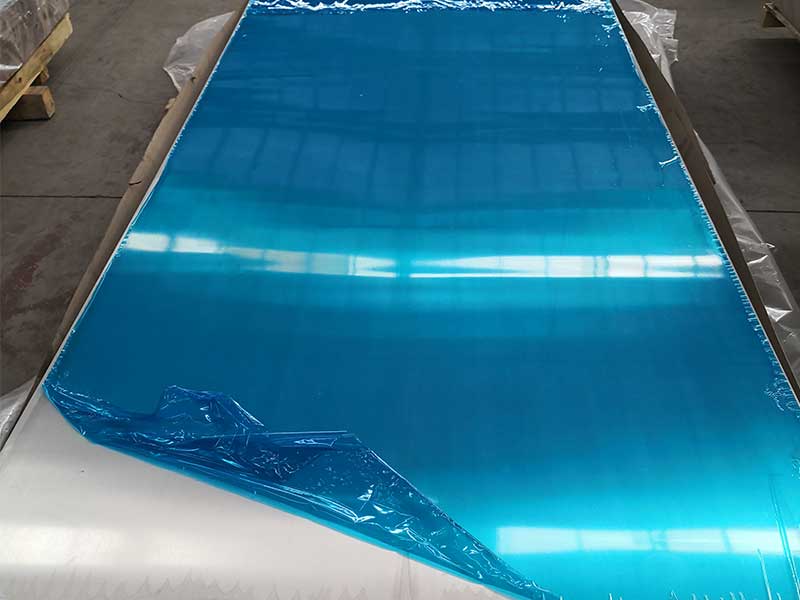
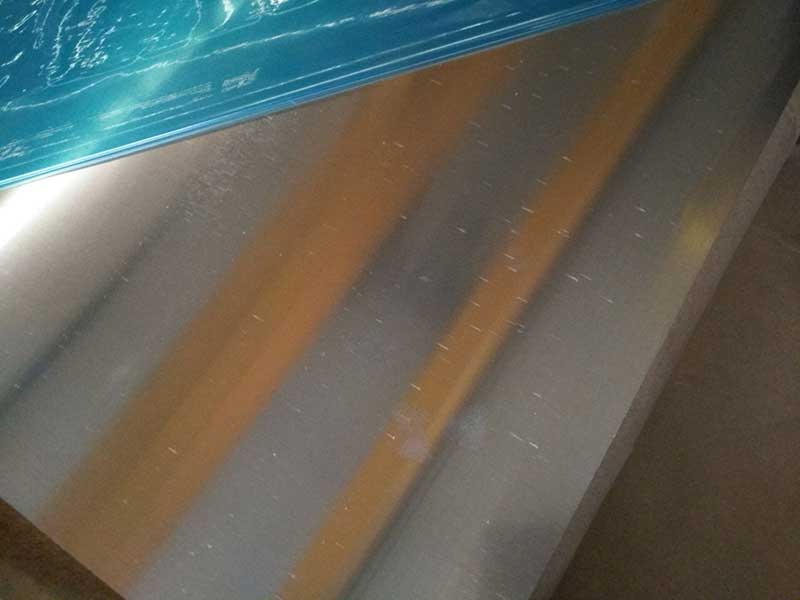
| Surface finish | Mill finish; optional PVC film; brushed on request |
| Edge condition | Saw-cut, sheared, or milled edges (depending on equipment and tolerance needs) |
| Standards (examples) | ASTM B209 / EN 485 (depends on region and alloy/temper) |
| Form | Sheet / plate (classification varies by standard and thickness) |
Typical Mechanical Performance (Room Temperature)
Mechanical values depend strongly on alloy, temper, and thickness. The figures below are representative for common tempers used at 14mm.
| Alloy-Temper | Tensile Strength (MPa) | Yield Strength (MPa) | Elongation (%) | Relative Notes |
|---|---|---|---|---|
| 5052-H32 | 210–260 | 130–180 | 8–15 | Corrosion-focused, easy fabrication |
| 5083-H116 | 300–360 | 200–260 | 10–16 | Marine-grade strength and toughness |
| 6061-T6 / T651 | 290–340 | 240–290 | 8–12 | Strong, highly versatile industrial alloy |
| 6082-T6 | 300–350 | 240–300 | 8–12 | Structural choice, good machining |
| 7075-T6 / T651 | 510–600 | 430–520 | 5–11 | High strength, less corrosion margin |
Weight and Handling: Quick Reference for 14mm
Knowing mass helps customers estimate freight, lifting, and structural loads.
| Item | Value |
|---|---|
| Density (typical aluminum alloys) | 2700 kg/m³ |
| Mass per m² at 14mm | ~37.8 kg/m² |
| Mass for 1500 × 3000 mm sheet | ~170 kg |
| Mass for 2000 × 4000 mm sheet | ~302 kg |
Calculation basis: mass = density × thickness × area; 14mm = 0.014 m.
Where 14mm Aluminum Sheet Is Commonly Used
Transport and heavy-duty fabrication
14mm sheet performs well in truck bodies, ramps, trailer structures, equipment mounts, and reinforcement panels. It offers robust stiffness while keeping payload efficiency high. Alloys like 6061/6082 are frequent choices for structural members, while 5083 is favored when road salts and moisture are constant.
Marine and offshore structures
For boat components, gangways, hatch covers, consoles, and structural marine panels, 14mm thickness helps resist wave-induced vibration and point loading. 5083-H116/H321 and 5052-H32 are widely used due to their corrosion resistance, especially in chloride-rich environments.
Industrial platforms, bases, and machine building
In factories, 14mm aluminum sheet is used for machine base plates, guarding, equipment skids, and tooling backers. 6061-T651 (or precision tooling plate variants) is popular when flatness and machinability matter-especially for jigs, fixtures, and CNC-machined interfaces.
Pressure-related covers and robust enclosures
While final suitability depends on design codes and engineering approval, 14mm thickness is often selected for heavy enclosures, access panels, and structural covers where dent resistance and rigidity are required, and where corrosion protection must be reliable.
Energy and infrastructure
Applications include support plates, brackets, inverter housings, structural panels, and corrosion-resistant barriers. Aluminum's durability and reduced maintenance are valued for outdoor installations.
Fabrication Notes Customers Care About
| Process | Practical Guidance at 14mm |
|---|---|
| Cutting | Waterjet, plasma, laser (power-dependent), and sawing are common; choose method based on edge quality and heat input |
| Machining | 6061/6082 machine cleanly; use sharp tooling and proper chip evacuation for deep pockets |
| Welding | 5xxx and 6xxx weld well with appropriate filler; expect local strength reduction in 6xxx heat-affected zones |
| Forming | 5052 forms more readily; high-strength tempers and 7xxx alloys are less forgiving |
| Corrosion protection | Marine use benefits from alloy selection first; coatings/anodizing can enhance durability and appearance |
Choosing the Right 14mm Aluminum Sheet Quickly
| Priority | Recommended Starting Point |
|---|---|
| Best marine corrosion resistance + strength | 5083-H116 / H321 |
| General corrosion resistance + easy fabrication | 5052-H32 |
| Balanced strength + machining + availability | 6061-T6 / T651 |
| Structural builds with strong mechanical performance | 6082-T6 |
| Maximum strength (non-welded parts) | 7075-T6 / T651 |
A 14mm aluminum sheet is a dependable choice when you need rigidity, long-term corrosion resistance, and fabrication versatility without carrying the weight penalties of steel. By matching the alloy to your environment and joining method-5083 for marine, 6061/6082 for structural machining, 5052 for corrosion-focused fabrication, or 7075 for peak strength-you get a sheet that performs confidently in real-world service while staying efficient to process and maintain.