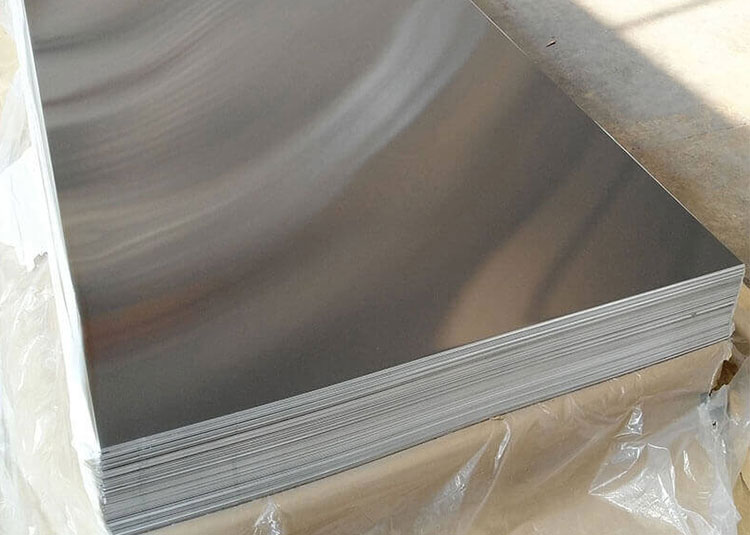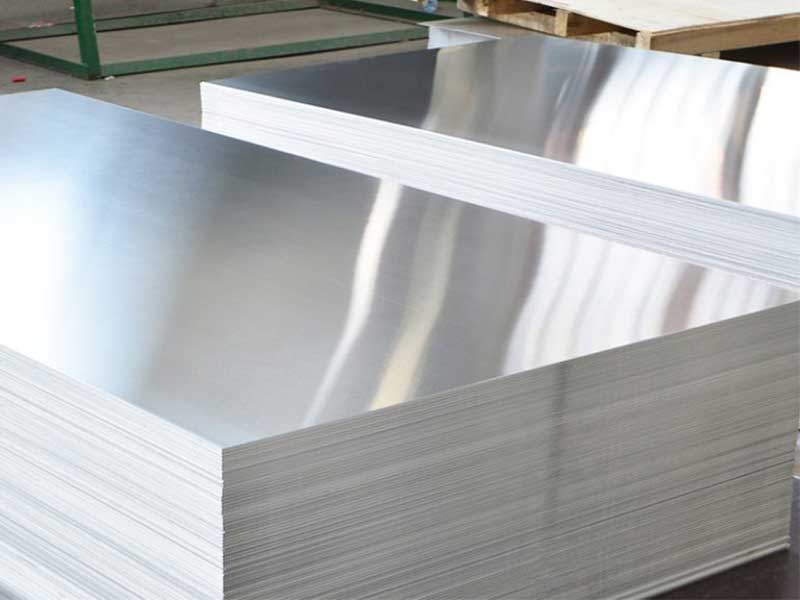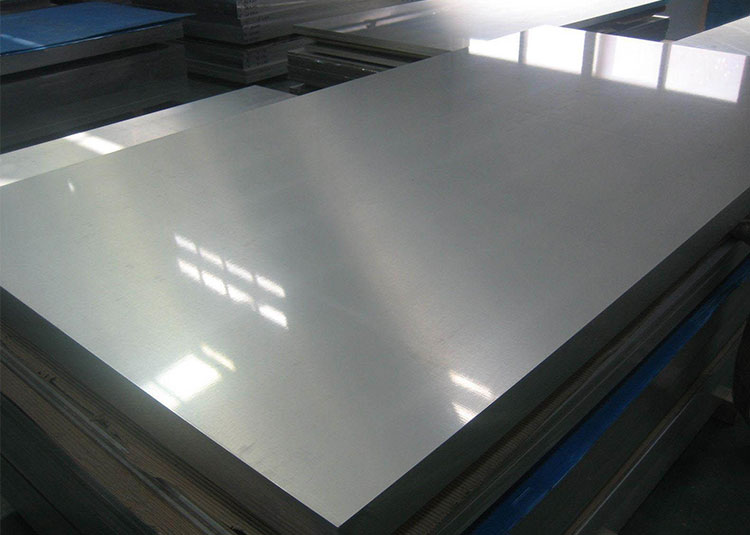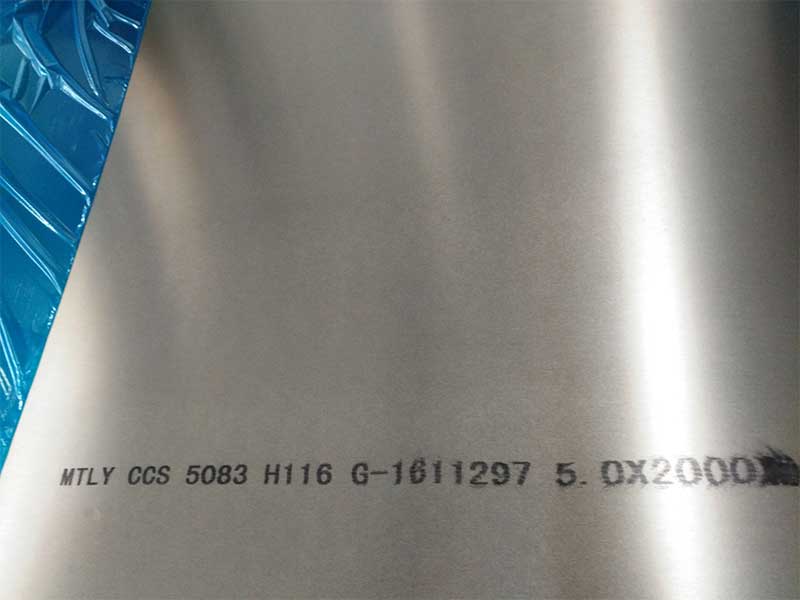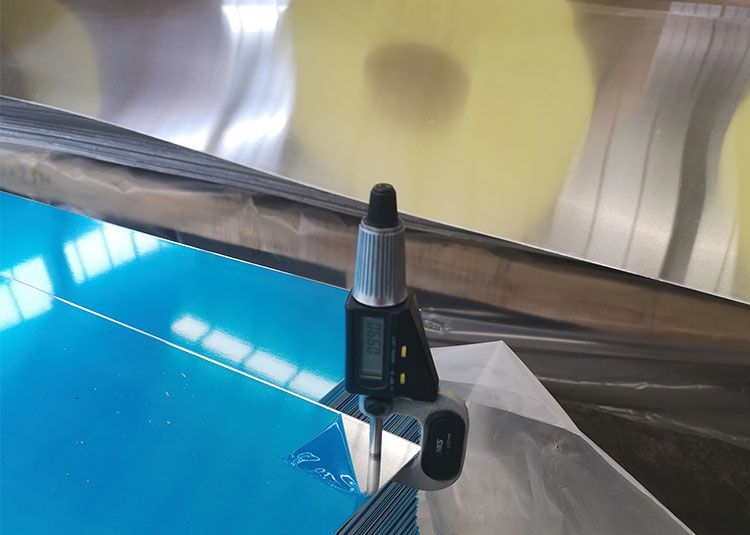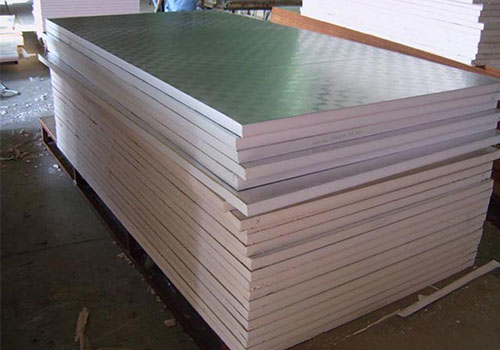

Marine 5383 aluminum sheet is a high-performance, non-heat-treatable Al-Mg-Mn alloy developed for demanding seawater service. It is widely selected for shipbuilding and offshore structures because it balances high strength, excellent resistance to seawater corrosion, and good weldability-often outperforming conventional marine grades when structures require higher design stresses without sacrificing durability.
Compared with many general 5xxx alloys, 5383 is engineered to retain strength in welded assemblies and to perform reliably in harsh marine atmospheres, splash zones, and saline cargo environments.
What Makes 5383 a "Marine" Alloy
Marine environments combine chloride-rich water, cyclical wet-dry exposure, mechanical loading, and galvanic risks from mixed materials. 5383 aluminum sheet addresses these realities with a chemistry that supports:
- Seawater corrosion resistance typical of magnesium-bearing 5xxx alloys
- Higher strength potential through Mg and Mn additions with controlled microalloying
- Stable performance in welded structures, a requirement for hulls and decks
- Good forming capability for plate-and-sheet fabrication routes
Chemical Composition (Typical Range, wt.%)
5383 is primarily an aluminum-magnesium alloy with manganese strengthening and controlled additions that refine structure and improve performance consistency. Composition limits vary slightly by standard and producer route; the table below reflects commonly used ranges.
| Element | Typical Range (wt.%) | Role in Performance |
|---|---|---|
| Al | Balance | Base metal; corrosion-resistant matrix |
| Mg | 4.0–5.2 | Primary strengthening; improves seawater resistance |
| Mn | 0.4–1.0 | Grain structure control; boosts strength, weld performance |
| Si | ≤0.25 | Controlled to reduce brittle phases |
| Fe | ≤0.40 | Controlled impurity; excess can reduce toughness |
| Cu | ≤0.10 | Kept low to protect corrosion resistance |
| Zn | ≤0.25 | Controlled; excess may affect corrosion behavior |
| Cr | ≤0.25 | Microalloying for structure stability (as specified) |
| Ti | ≤0.15 | Grain refinement during casting/rolling |
| Others (each) | ≤0.05 | Residual control |
| Others (total) | ≤0.15 | Residual control |
Note: For procurement, confirm the governing standard (EN/ASTM/class rules) and the mill test certificate (MTC) limits.
Typical Temper Options and Product Forms
5383 is supplied mainly as sheet and plate for marine fabrication. Common tempers are chosen to match forming needs, strength requirements, and welding practices.
| Temper | Typical Use Focus | Practical Notes |
|---|---|---|
| O (annealed) | Maximum formability | Best for complex forming; strength is lowest |
| H111 | Balanced formability and strength | Often used for general marine structures |
| H116 | Marine service with improved corrosion behavior | Common for hull plating and superstructures |
| H321 | Stabilized for strength retention | Popular when higher strength and stability are needed |
Availability depends on thickness and mill route. Many marine projects favor H116/H321 for plate-and-sheet used in seawater service because these tempers are widely recognized for marine corrosion performance in classification-driven builds.
Technical Specifications (Typical Supply Range)
Marine 5383 aluminum sheet is produced across a practical envelope suitable for hull skins, deck panels, bulkheads, ramps, and fabricated modules.
| Parameter | Typical Range / Notes |
|---|---|
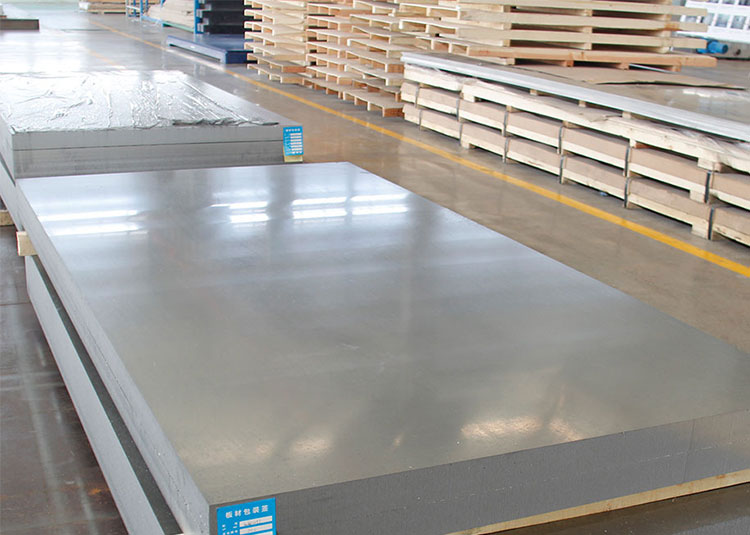
| Product form | Sheet and plate (rolled) |
| Thickness | ~2.0–50.0 mm (wider ranges possible by mill) |
| Width | Up to ~2,500 mm typical; wider by agreement |
| Length | Cut-to-length; long plates available for shipyards |
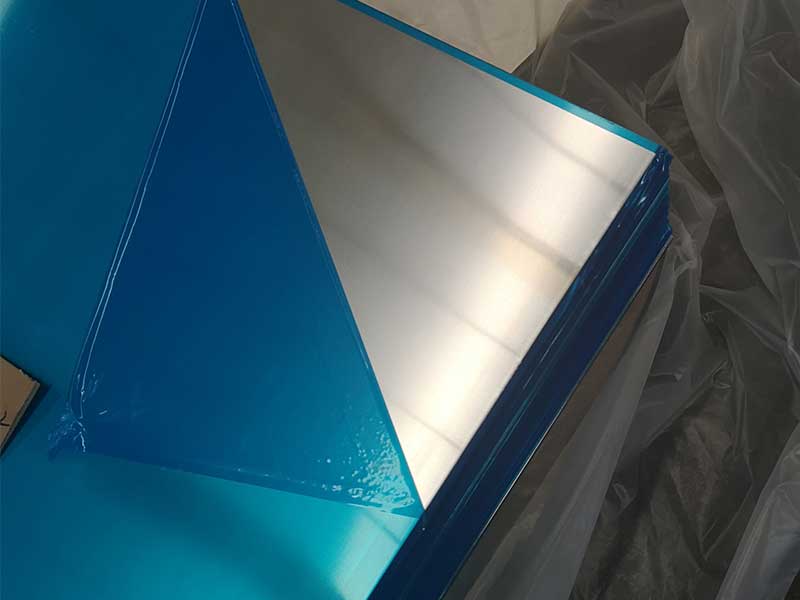
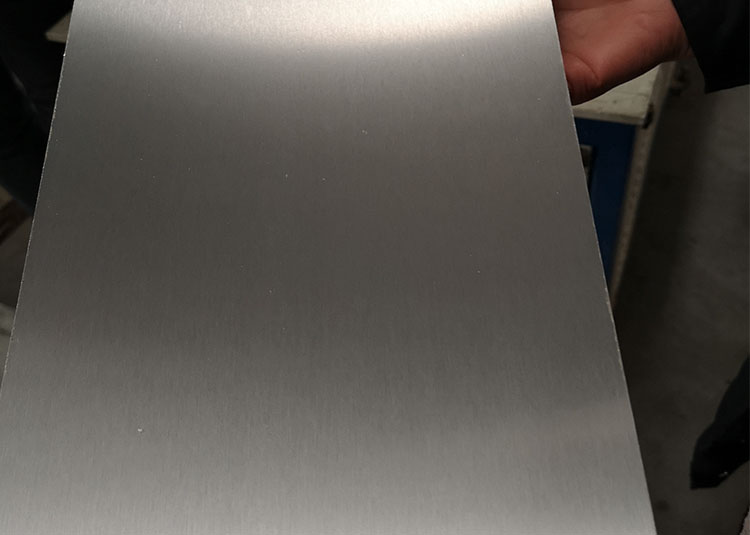
| Surface | Mill finish; optional brushed/cleaned for coating |
| Flatness | Controlled for welding and fit-up; tighter tolerances on request |
| Standards | Commonly aligned with EN/ASTM marine practices; confirm project requirement |
Mechanical Performance (Typical Values)
Mechanical properties vary with temper, thickness, and processing. The values below are representative for quick comparison and engineering orientation. Always use certified test data for design.
| Temper (typical) | Tensile Strength (MPa) | Yield Strength (MPa) | Elongation (%) |
|---|---|---|---|
| O | 240–290 | 110–150 | 18–25 |
| H111 | 290–330 | 160–220 | 12–20 |
| H116 | 310–350 | 210–260 | 10–18 |
| H321 | 320–360 | 220–270 | 10–16 |
What customers typically notice in fabrication is not only the base-metal strength, but also how the alloy behaves after welding. Like other 5xxx alloys, welded zones soften relative to the strain-hardened parent material; 5383 is chosen because it provides a strong starting point and performs reliably in real marine weldments.
Features Customers Value
High strength for lighter marine structures
5383 enables designers to reduce thickness in selected areas or to carry higher loads at similar gauge, supporting lighter vessels and improved payload efficiency. This is particularly attractive for fast ferries, patrol boats, and workboats where weight translates directly to speed and fuel performance.
Excellent seawater corrosion resistance
With low copper and a magnesium-rich matrix, 5383 offers strong resistance to marine corrosion mechanisms common in hull and deck environments. It is well suited for splash zones, saline atmospheres, and intermittently immersed components when correct design and finishing practices are followed.
Strong weldability and dependable fabrication
Shipyard construction is weld-intensive. 5383 is compatible with common marine welding processes and filler selections used for 5xxx series structures. It is frequently specified where fabricators want a stable, predictable response during cutting, forming, and welding with low risk of quality surprises.
Good forming and shaping behavior
In suitable tempers, 5383 sheet supports bending and forming operations used for hull curvature, stiffeners, brackets, and complex assemblies. Selecting the right temper is the practical lever: softer tempers improve formability, while H116/H321 emphasize in-service performance.
Typical Marine Applications
Marine 5383 aluminum sheet is used wherever corrosion resistance and strength must coexist under continuous vibration, wave loading, and salt exposure.
| Application Area | Why 5383 Fits |
|---|---|
| Hull plating and side shells | Strength-to-weight efficiency; marine corrosion resistance |
| Decks and superstructures | Reduced topweight; good weldability for large panels |
| Bulkheads and partitions | Dimensional stability; ease of fabrication |
| Ramps, landing platforms, walkways | Load-bearing capability and durability |
| Offshore service modules | Corrosion resistance in saline air and spray |
| Fishery and aquaculture equipment | Resistance to saltwater exposure; easy cleaning |
| Marine tanks and enclosures | Low Cu chemistry supports corrosion performance |
Finishing, Protection, and Service Tips
Even marine-grade aluminum benefits from smart system design and finishing choices.
| Topic | Practical Guidance |
|---|---|
| Coating/painting | Use marine-compatible pretreatment and coatings; clean surfaces thoroughly |
| Galvanic isolation | Separate from copper-rich alloys and carbon steel using isolators/gaskets |
| Drainage and crevice control | Avoid trapped seawater; design for drainage and inspection access |
| Cleaning | Remove salt deposits periodically in splash-zone service |
| Cutting and machining | Standard aluminum tooling works well; maintain clean, sharp tools |
Why Choose 5383 Over Other 5xxx Marine Sheets
Customers often compare 5383 with other marine 5xxx grades used for hulls and decks. 5383's appeal is its combination of higher strength potential and marine durability, especially when projects demand robust structural margins without moving to more complex alloy systems. For shipyards, it can mean fewer compromises between weight, weldability, and long-term exposure performance.
Ordering Notes (What to Specify)
To receive the right material the first time, purchase orders typically define the essentials clearly.
| Item to Specify | Example Options |
|---|---|
| Temper | O, H111, H116, H321 |
| Dimensions | Thickness × width × length; tolerance class if needed |
| Standard / compliance | Project standard, marine classification expectations |
| Certification | Mill Test Certificate with chemistry and mechanical results |
| Surface condition | Mill finish or special surface preparation |
| Packaging | Marine-export packing, interleaving, edge protection |
Marine 5383 aluminum sheet is a practical, high-confidence choice for modern marine structures: strong, weld-friendly, corrosion-resistant, and fabrication-ready. When selected in the appropriate temper and integrated with sensible corrosion design practices, it supports long service life in seawater environments while helping builders achieve lighter, more efficient vessels and offshore components.