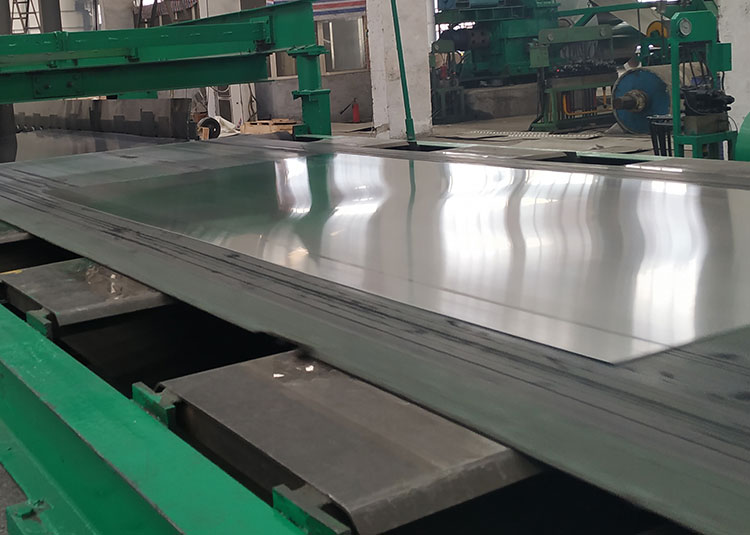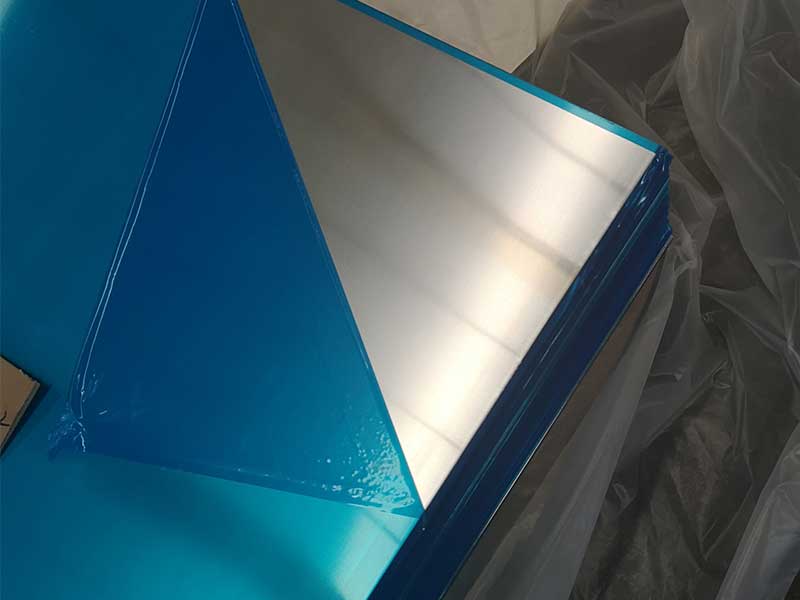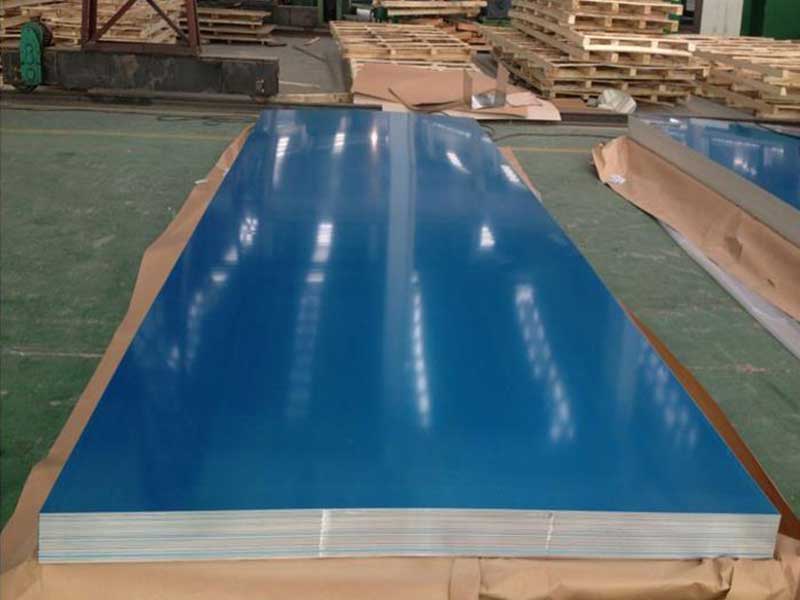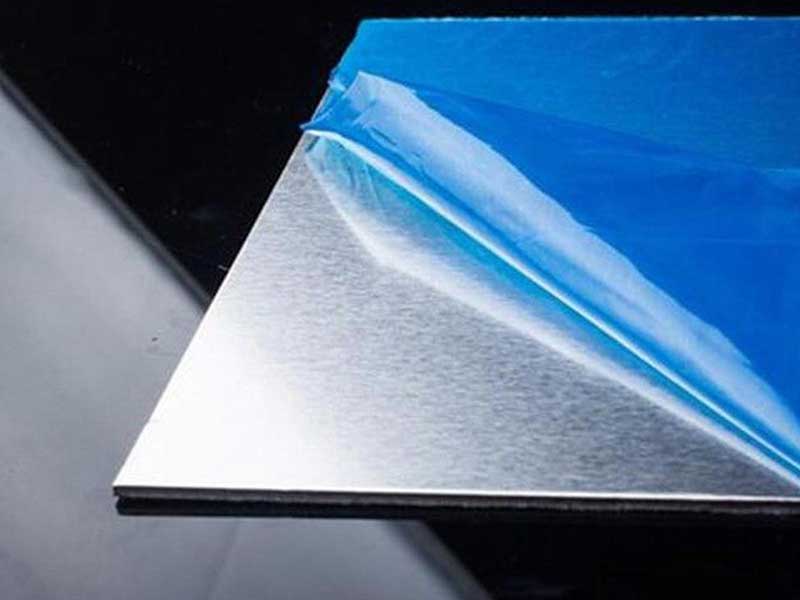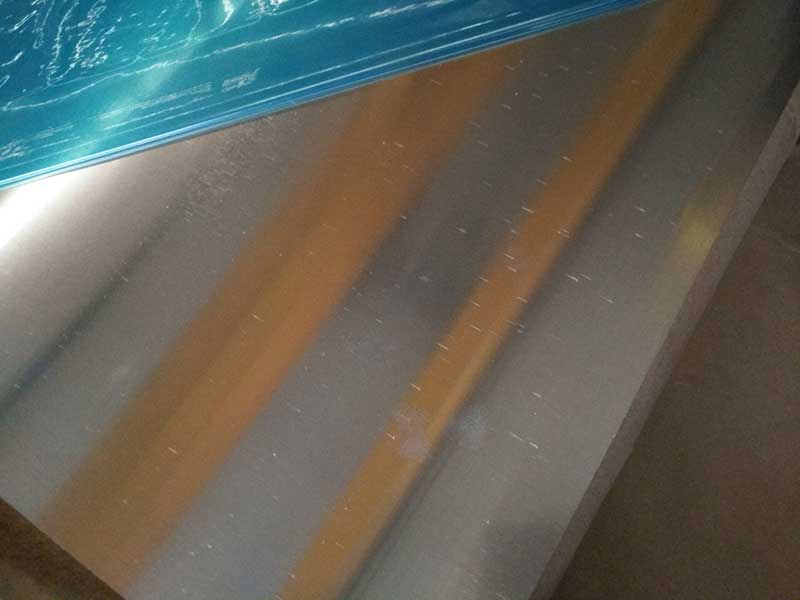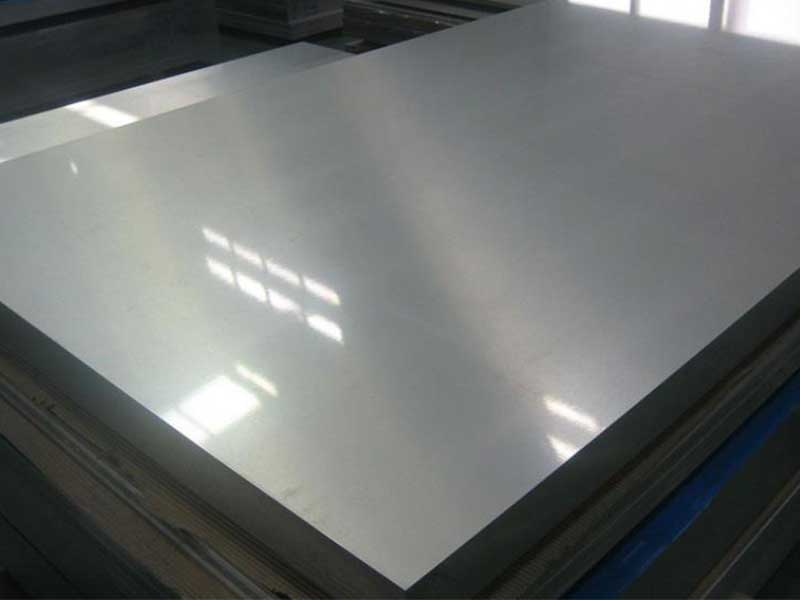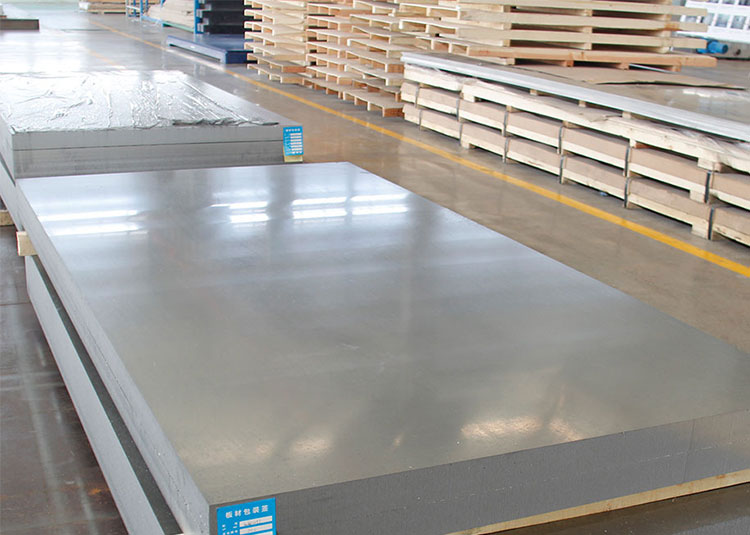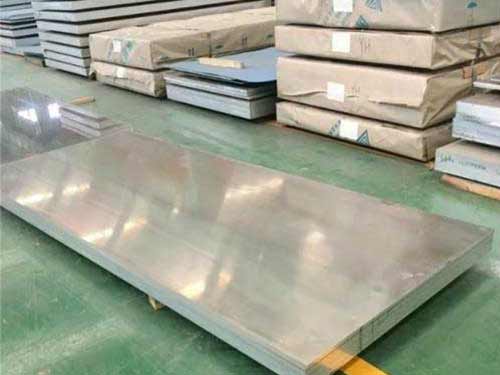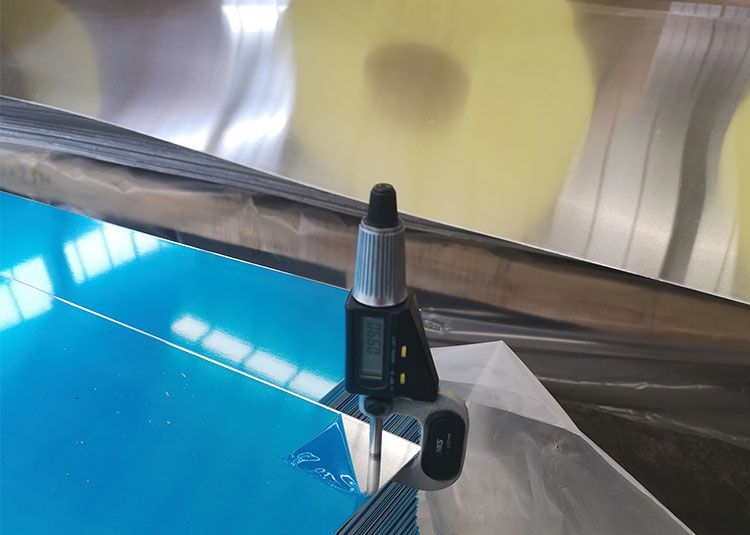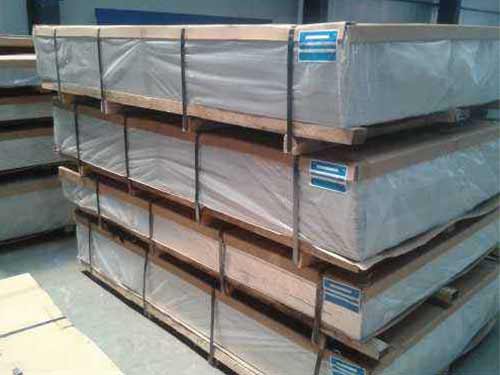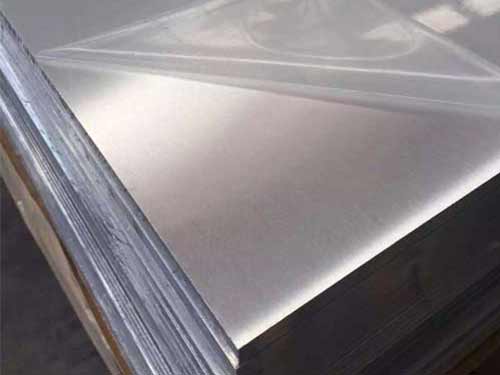

Photopolymer Aluminum CTP (Computer-to-Plate) printing plates are high-precision offset lithography plates engineered for fast imaging, stable press performance, and consistent reproduction across long print runs. By combining a carefully treated electrochemically grained and anodized aluminum substrate with a photopolymer imaging layer, these plates deliver sharp dots, wide press latitude, and reliable ink–water balance-making them a preferred choice for commercial, packaging, and publication printing.
A photopolymer CTP plate is typically imaged by violet (405 nm) or thermal (830 nm) systems depending on formulation. The mechanism is selective exposure of the photopolymer layer, followed by processing (for process plates) or simplified finishing (for low-chemistry variants). The exposed regions become either ink-receptive (image area) or ink-repellent (non-image area), forming the lithographic pattern.
At the heart of the plate is the aluminum base. The aluminum is not just a mechanical backing-it is an engineered surface that governs:
- adhesion of the photopolymer coating,
- water retention and fountain solution control,
- resistance to wear and chemical attack,
- stability under press heat and tension.
2) Construction and Layer Stack
Typical layer structure (top to bottom):
- Protective overcoat (optional) – improves handling, scratch resistance, and safe-light latitude
- Photopolymer imaging layer – high-resolution, fast exposure, robust dot structure
- Anodic oxide layer – provides micro-porosity and hardness, anchors coating
- Electrochemical grained aluminum surface – controlled roughness for water management
- Aluminum substrate (AA1050/AA1060/AA1070 series) – uniform, clean, and dimensionally stable
3) Features (Customer-Facing Value)
High-resolution imaging and dot fidelity
- Supports fine screen rulings and stable highlight/shadow reproduction.
- Excellent edge sharpness reduces dot gain drift across long runs.
Fast and predictable plate making
- Optimized photosensitivity shortens imaging time.
- Consistent processing window reduces remakes and operator dependence.
Superior ink–water balance
- Engineered graining + anodizing creates controlled hydrophilicity in non-image areas.
- Faster "roll-up" and fewer starts/waste sheets.
Robust press durability
- Hard anodic layer improves abrasion resistance.
- Stable coating adhesion reduces scumming and image wear.
Clean, repeatable color
- Stable background keeps non-image areas clean, supporting better contrast and smoother solids.
- Good compatibility with common dampening systems and inks.
4) Technical Specifications (Typical Values)
Note: Values vary by plate series (violet/thermal), coating chemistry, and intended run length. The table below reflects common industry targets for photopolymer aluminum CTP plates.
| Parameter | Typical Range / Value | Notes |
|---|---|---|
| Plate thickness | 0.15 / 0.20 / 0.24 / 0.30 / 0.40 mm | Common commercial options |
| Plate width | 300–1600 mm | Custom slitting available |
| Plate length | 400–3000 mm | As per press format |
| Substrate alloy family | AA1050 / AA1060 / AA1070 | High-purity Al for uniform anodizing |
| Aluminum temper | H18 / H19 (typical) | High strength & flatness |
| Surface treatment | Electrochemical graining + anodizing | Controls roughness & porosity |
| Anodic layer mass | 1.5–3.0 g/m² | Impacts wear and water retention |
| Surface roughness (Ra) | 0.35–0.65 µm | Tuned for press balance |
| Photosensitivity | Violet 405 nm or Thermal 830 nm | Depends on plate type |
| Safe-light | Yellow (typical) | Follow manufacturer guidelines |
| Resolution capability | 1–99% dots (typical) | Depends on RIP/screening |
| Run length (unbaked) | 50,000–200,000 impressions | Varies with ink/paper/press |
| Run length (baked, if applicable) | Up to ~1,000,000 impressions | Packaging/UV applications |
| Processing | Processor + developer (common) | Low-chemistry variants exist |
| Storage | Cool, dry, flat | Avoid high humidity & heat |
5) Aluminum Substrate Chemistry (Typical Composition)
High-purity aluminum alloys are chosen to ensure uniform graining, consistent anodizing, and minimal inclusions that can create coating defects.
| Alloy Grade (Typical) | Al (%) | Fe (%) | Si (%) | Cu (%) | Mn (%) | Mg (%) | Zn (%) | Ti (%) |
|---|---|---|---|---|---|---|---|---|
| AA1050 | ≥99.50 | ≤0.40 | ≤0.25 | ≤0.05 | ≤0.05 | ≤0.05 | ≤0.07 | ≤0.05 |
| AA1060 | ≥99.60 | ≤0.35 | ≤0.25 | ≤0.05 | ≤0.03 | ≤0.03 | ≤0.05 | ≤0.03 |
| AA1070 | ≥99.70 | ≤0.25 | ≤0.20 | ≤0.04 | ≤0.03 | ≤0.03 | ≤0.04 | ≤0.03 |
6) Mechanical Properties of the Aluminum Base (Typical)
These values support handling, clamping, and dimensional stability during imaging and printing.
| Property | Typical Value | Test/Notes |
|---|---|---|
| Tensile strength (Rm) | 150–190 MPa | Depends on temper & thickness |
| Yield strength (Rp0.2) | 130–170 MPa | Higher for H19-like tempers |
| Elongation (A50) | 1–3% | Thin, hard temper |
| Hardness | 45–60 HB (approx.) | Indicative range |
| Flatness | Press-format controlled | Critical for imaging focus & register |
7) Performance Metrics (What Customers Feel on Press)
| Metric | Typical Performance | Customer Benefit |
|---|---|---|
| Start-up waste | Low | Faster makeready, less paper waste |
| Dot stability | High | More consistent color across the run |
| Background cleanliness | Excellent | Lower risk of scumming/toning |
| Abrasion resistance | Strong (esp. baked) | Longer run length, fewer plate changes |
| Chemical resistance | Good | Compatible with common fountain solutions |
| Ink receptivity | Fast roll-up | Stable solids and smoother gradients |
8) Applications and Use Cases
Commercial printing
- Brochures, catalogs, posters, leaflets
Why it fits: high resolution, fast plate cycles, stable halftones.
Publication printing
- Newspapers, magazines, inserts
Why it fits: consistent dot reproduction and quick make-ready.
Packaging (with baking or high-durability series)
- Folding cartons, labels, coated stocks
Why it fits: extended run length and abrasion resistance for demanding inks and substrates.
General jobbing and short-to-medium runs
- Mixed jobs with frequent changeovers
Why it fits: predictable processing and quick roll-up minimize downtime.
- Lower total cost per job: reduced waste sheets, fewer remakes, less press downtime.
- Higher print consistency: stable dot structure and background cleanliness improve quality repeatability.
- Operational flexibility: multiple thicknesses and formats to match common press configurations.
- Reliable durability: anodized aluminum base supports long runs, with baking options for extreme conditions.
10) Selection Guide (Practical Buying Tips)
| Your Priority | Recommended Plate Direction |
|---|---|
| Fast imaging and throughput | High-sensitivity photopolymer (violet/thermal matched to your CTP) |
| Maximum run length | Choose a bake-capable, high-abrasion series |
| Fine screens and critical tone control | Plate series optimized for high resolution and dot stability |
| Mixed substrates (uncoated/coated) | Balanced graining/anodizing for wide press latitude |
| Reduced chemistry goals | Consider low-chemistry process or simplified processing systems |