
Chemical free thermal CTP plate is a modern offset printing plate designed to eliminate developer chemicals while keeping the stability and image quality customers expect from thermal plate technology. Instead of running the exposed plate through a traditional chemical processor, the plate is imaged on a thermal CTP device and then handled with simplified post-processing such as gumming/rinsing or on-press development, depending on the plate design. The result is a cleaner workflow with lower operating cost, reduced waste, and easier compliance with environmental requirements-without sacrificing dot fidelity or press performance.
For printers looking to streamline plate rooms, reduce VOC/alkali handling, and stabilize output across shifts, chemical free thermal plates offer an efficient path to consistent production.
What makes a chemical free thermal CTP plate different
A chemical free thermal plate uses a heat-sensitive imaging layer optimized to form printable (oleophilic) image areas and non-image (hydrophilic) backgrounds without the need for conventional alkaline developer chemistry. The coating system is engineered so that exposed/non-exposed regions separate through physical or ink/fountain interactions, simple rinse solutions, or the press start-up sequence.
Typical workflow characteristics include:
- No developer replenishment and reduced processor maintenance
- Lower wastewater load and reduced chemical storage
- Fast start-up and stable print runs, especially for commercial sheetfed and web offset
- Consistent imaging behavior at common thermal wavelengths around 830 nm
features and customer benefits
Cleaner operation with fewer consumables
Chemical free operation reduces or removes developer, replenisher, and related cleaning agents. This improves operator safety and simplifies daily plate room routines, particularly where discharge permits are strict.
Stable thermal imaging and sharp dot reproduction
Thermal imaging is well known for robustness against ambient light and production variability. Chemical free thermal plates preserve that strength, delivering reliable 1–99% dot capability (screen ruling and press condition dependent) and strong resistance to fingerprinting and handling.
Faster plate room throughput
With fewer chemical controls and less processor drift, plate production becomes more repeatable. Many plants see less downtime from processor calibration, sludge removal, and conductivity/pH correction.
Reduced total cost of ownership
Savings typically come from:
- Lower chemical purchase and disposal costs
- Less processor maintenance time
- Reduced water usage and fewer service interventions
- Fewer plate remakes caused by processor instability
Typical applications
Chemical free thermal CTP plates are widely used across mainstream offset segments:
- Commercial printing such as brochures, catalogs, flyers, and books
- Packaging such as folding cartons, paper bags, labels, and general coated/uncoated board applications
- Newspaper and semi-commercial web offset where stable throughput matters
- Short-to-medium run work requiring fast turnarounds and consistent quality
They are especially attractive for operations aiming to standardize plate output across multiple presses and shifts while improving environmental performance.
A chemical free thermal CTP plate generally consists of:
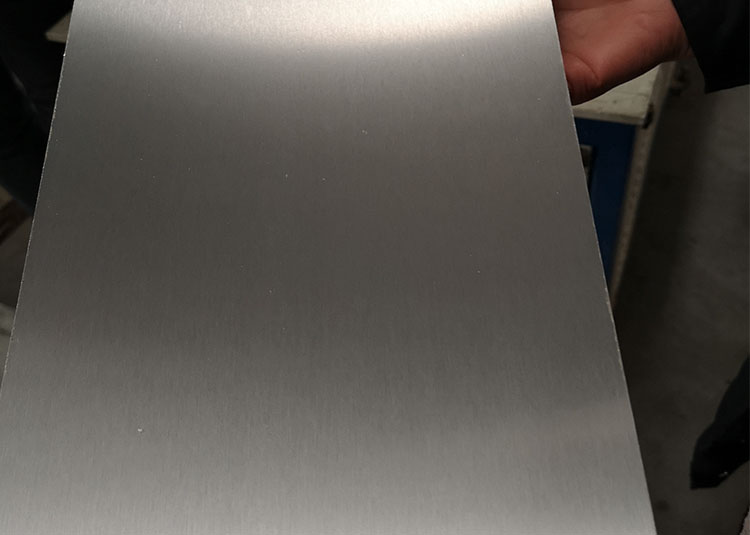
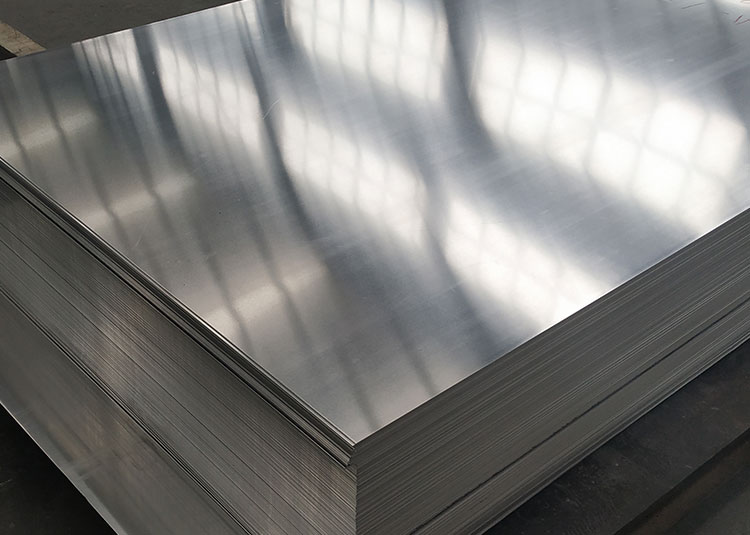
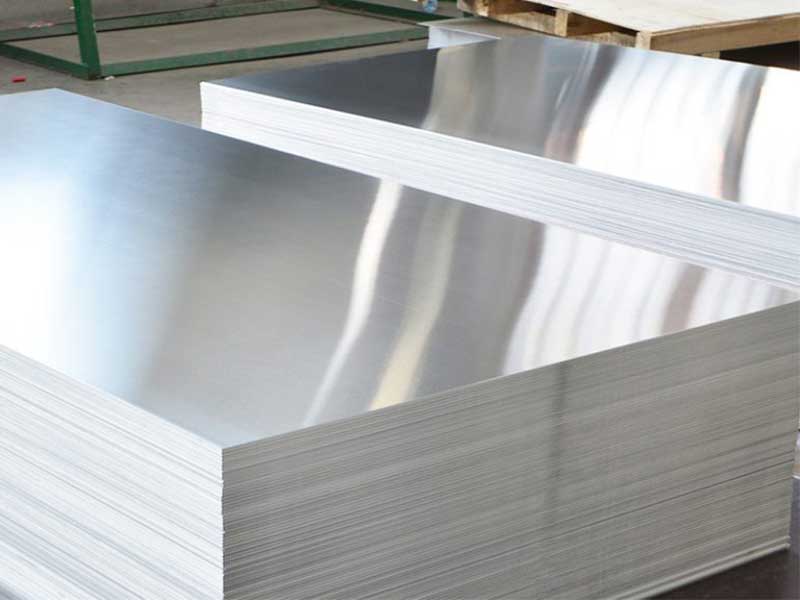
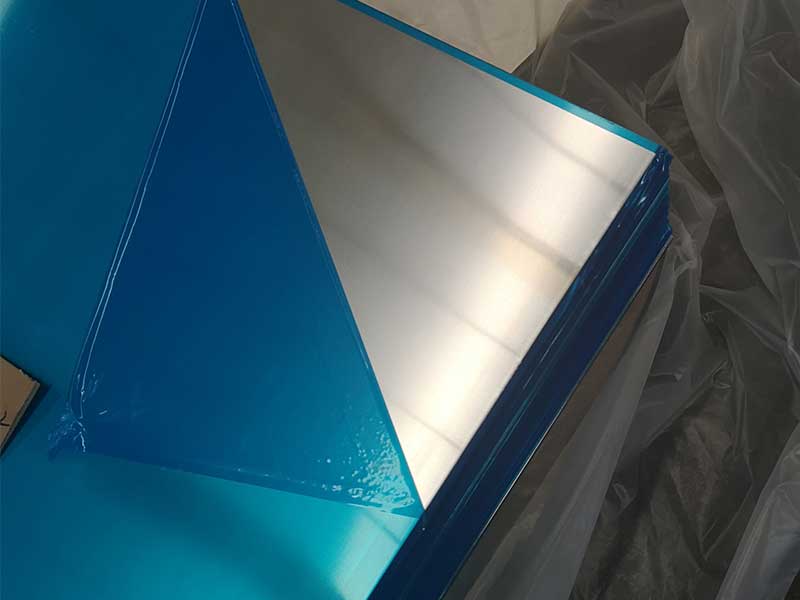
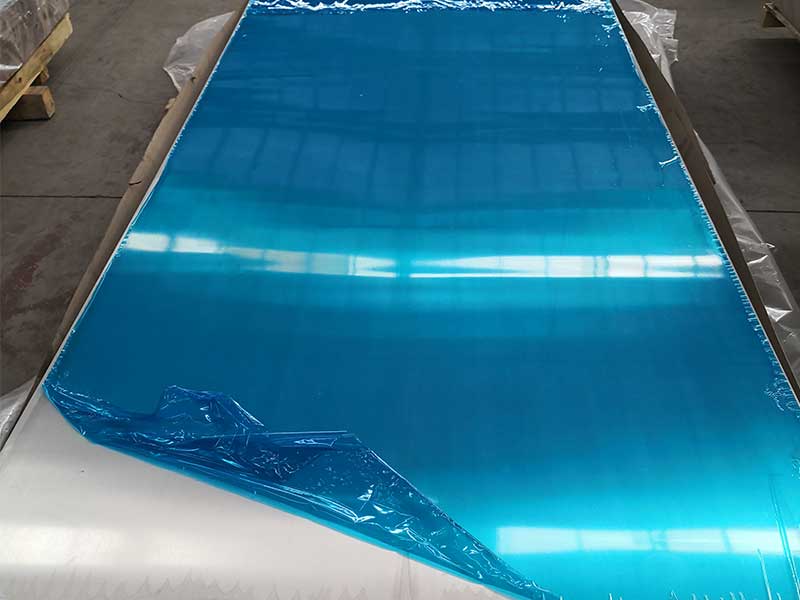
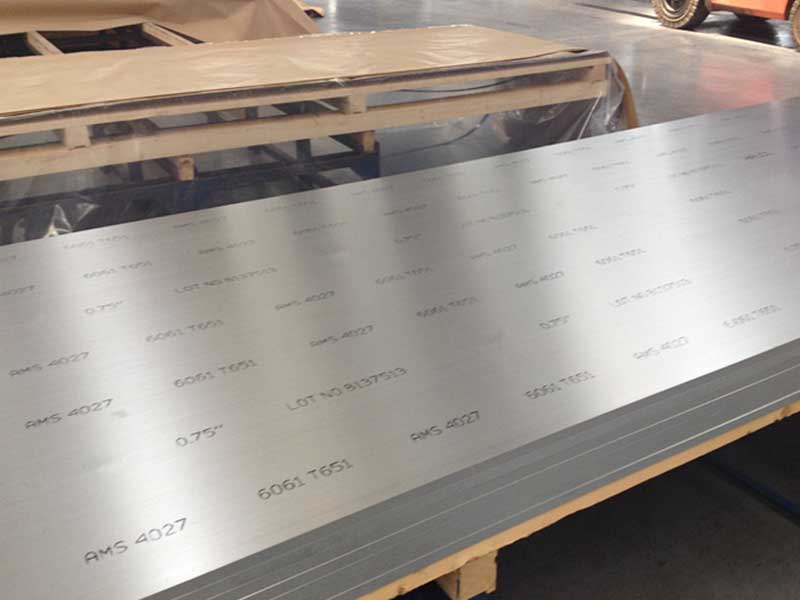
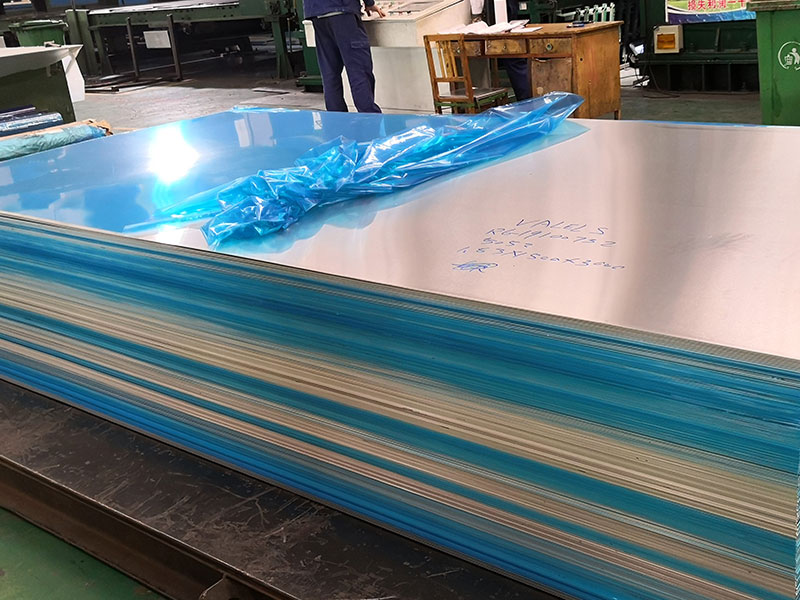
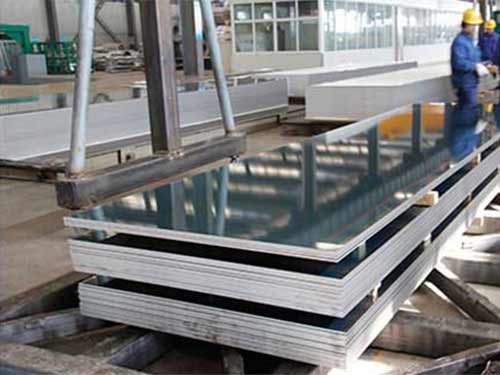
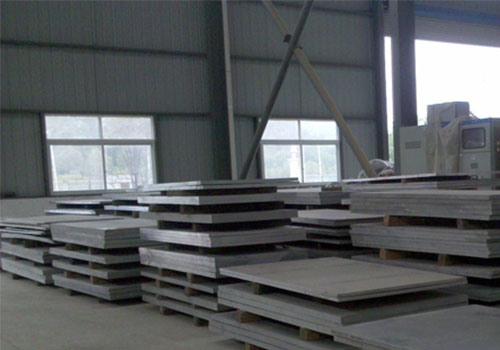
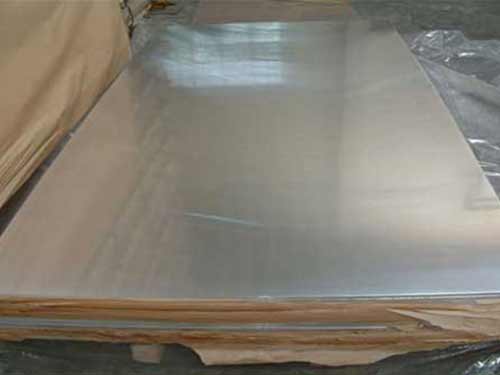
- Aluminum substrate with electrochemical graining and anodizing for water retention and adhesion
- Hydrophilic surface treatment to improve non-image background performance
- Thermal imaging layer tailored for developer-free differentiation between image and non-image areas
- Protective overcoat (design-dependent) to improve handling and storage stability
The aluminum base is a critical foundation: uniform graining, controlled oxide layer, and stable surface chemistry strongly influence dot gain, toning resistance, and run length.
Technical specifications (typical)
The exact values can vary by manufacturer and product family, but the table below reflects common industry targets for chemical free thermal CTP plates used in commercial offset.
| Item | Typical specification | Notes |
|---|---|---|
| Plate type | Chemical free thermal CTP | Developer-free workflow (rinse/gum or on-press depending on design) |
| Imaging wavelength | 830 nm (thermal) | Compatible with common thermal CTP lasers |
| Sensitivity (exposure energy) | 110–160 mJ/cm² | Depends on imagesetter, screening, and coating generation |
| Resolution | 1–99% @ 200 lpi (typ.) | Capability depends on RIP curve and press condition |
| Recommended resolution | 2400 dpi or 2540 dpi | Common CTP engine settings |
| Substrate thickness | 0.15 / 0.20 / 0.25 / 0.30 / 0.40 mm | Selection depends on press cylinder and format |
| Surface roughness (Ra) | 0.45–0.65 µm | Typical for lithographic grained aluminum |
| Anodic layer weight | 2.0–3.5 g/m² | Influences durability and water retention |
| Run length (unbaked) | up to 100,000 impressions | Highly dependent on paper, ink, and press settings |
| Run length (baked, if applicable) | up to 300,000+ impressions | Some chemical free plates support baking; confirm by product |
| Safelight handling | Yellow safelight recommended | Thermal plates are less light-sensitive than violet but still benefit from controlled light |
| Storage | Cool, dry, flat | Avoid heat, humidity, and direct sunlight |
Aluminum substrate alloy and temper (typical)
Most thermal CTP plates use AA1xxx or AA3xxx series aluminum optimized for graining/anodizing and dimensional stability.
| Parameter | Typical range / grade | Why it matters |
|---|---|---|
| Alloy series | AA1050 / AA1060 / AA1070 / AA3003 (common) | Purity and microstructure affect graining uniformity |
| Temper | H18 (common) | Supports stiffness and stable press mounting |
| Tensile strength | 130–180 MPa (typ.) | Helps resist deformation during mounting and printing |
| Yield strength | 110–160 MPa (typ.) | Dimensional stability on press |
| Elongation | 1–4% (typ.) | Balance of formability and rigidity |
Chemical composition of aluminum substrate (reference ranges)
Actual composition is governed by the selected alloy standard and supplier control plan. Values below are typical references for common plate-stock alloys.
AA1050 (typical, wt.%)
| Element | Al | Fe | Si | Cu | Mn | Mg | Zn | Ti |
|---|---|---|---|---|---|---|---|---|
| Content | ≥99.50 | ≤0.40 | ≤0.25 | ≤0.05 | ≤0.05 | ≤0.05 | ≤0.07 | ≤0.05 |
AA3003 (typical, wt.%)
| Element | Al | Mn | Fe | Si | Cu | Zn | Mg | Ti |
|---|---|---|---|---|---|---|---|---|
| Content | Balance | 1.0–1.5 | ≤0.70 | ≤0.60 | 0.05–0.20 | ≤0.10 | ≤0.05 | ≤0.10 |
Imaging and pressroom performance (practical targets)
| Performance item | Typical expectation | Customer value |
|---|---|---|
| Dot stability | High, repeatable | Easier calibration and fewer replates |
| Background cleanliness | Strong hydrophilicity | Reduced toning and faster start-up |
| Ink receptivity | Rapid image acceptance | Less waste sheets and shorter make-ready |
| Scratch resistance | Improved with optimized overcoat | Better handling, fewer defects |
| Latitude | Good tolerance to exposure variation | More stable output across devices |
Processing options and workflow notes
Chemical free thermal plates are designed to simplify processing, but the exact method varies by product. Common approaches include:
- Gum/rinse finishing where a light rinse or gumming step removes residues and stabilizes the plate
- On-press development where the plate cleans up during initial press sheets under fountain solution and ink balance
Operational recommendations that typically improve consistency:
- Keep plate handling clean and dry to protect the hydrophilic background
- Use stable fountain solution conductivity and pH, especially at start-up
- Maintain consistent laser power calibration and drum vacuum performance on the CTP engine
- Use validated baking conditions only if the specific plate supports baking
Why customers choose chemical free thermal CTP plates
Chemical free thermal CTP plates combine the practical reliability of thermal imaging with a streamlined, environmentally conscious workflow. They reduce chemical dependence, stabilize day-to-day production, and help printers meet sustainability goals while still delivering the sharp dots, clean backgrounds, and consistent press behavior required for commercial and packaging offset.
Chemical free thermal CTP plate is a developer-free offset printing plate that delivers stable thermal imaging, sharp dot reproduction, and clean backgrounds while reducing chemicals, wastewater, and processor maintenance. Designed around grained and anodized aluminum plate stock, it supports common 830 nm thermal CTP systems and is widely used for commercial, packaging, and web offset printing. With simplified processing options, reliable run length, and lower total operating cost, chemical free thermal CTP plates help print shops improve productivity and environmental compliance without compromising print quality.