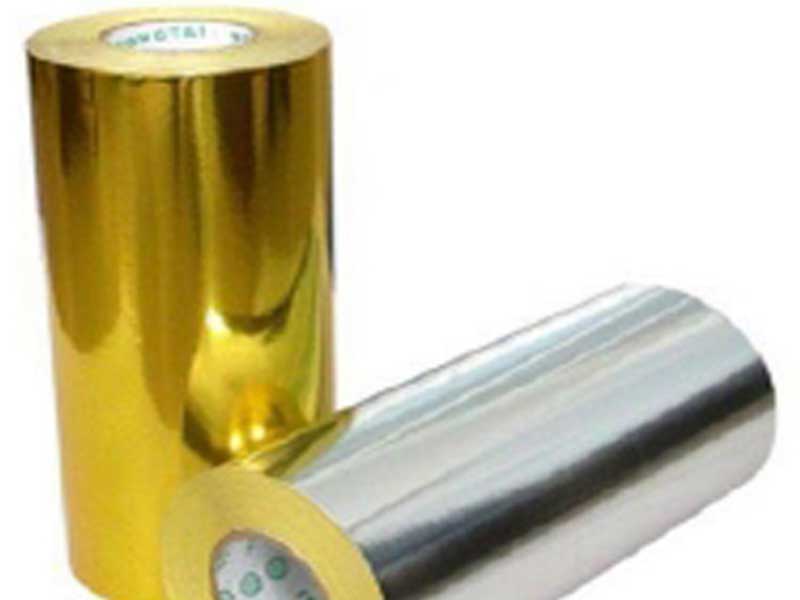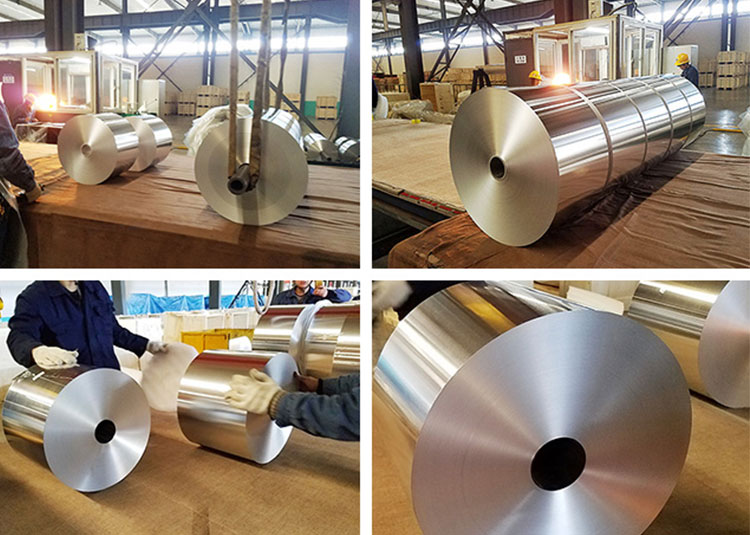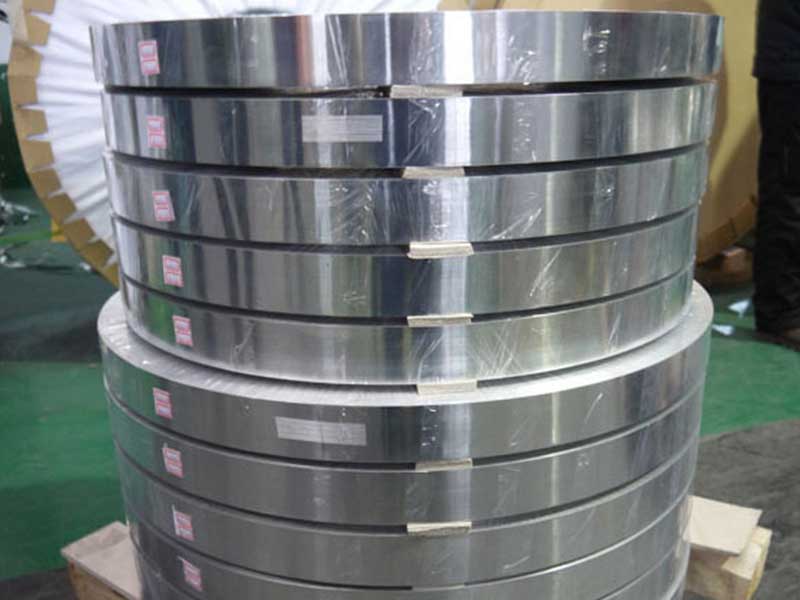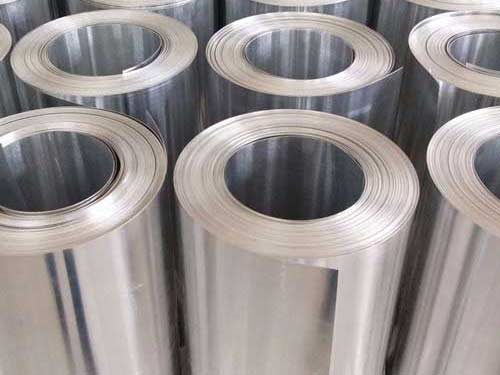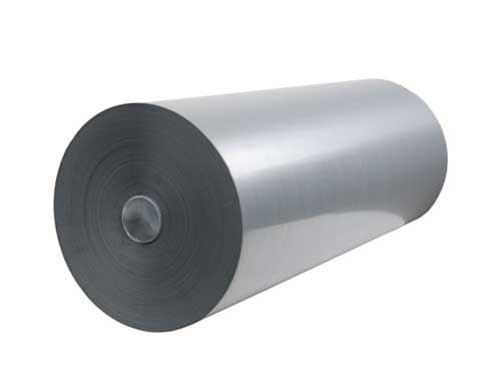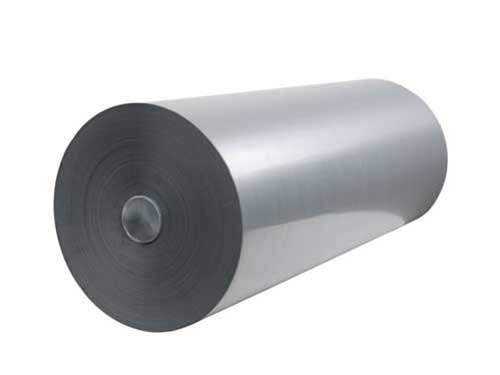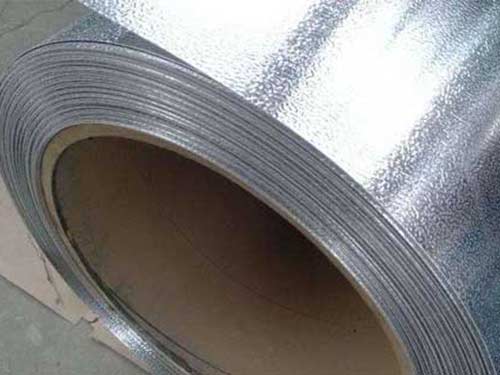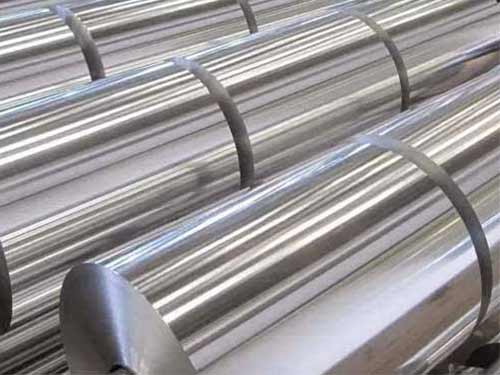

Branded Custom Printed Aluminum Foil for Food Containers and Takeout Packaging: The "Thermal Signature" of Your Brand
In takeout, your customer meets your food twice: first through packaging, then through taste. Branded custom printed aluminum foil for food containers and takeout packaging sits right at that first meeting point-where heat retention, aroma protection, grease resistance, and brand identity must work together without compromise. From a materials engineer's perspective, printed foil is not just "a shiny wrapper with ink." It is a controlled multilayer system designed to manage temperature, moisture, and contact safety-while carrying your brand like a durable thermal signature.
Why Custom Printed Aluminum Foil Wins in Modern Takeout
Food delivery is an extreme environment for packaging. Containers get stacked, squeezed, steamed, reheated, and exposed to oils, acids, and spices-often all in the same trip. Aluminum foil thrives here because it behaves like a high-performance barrier with built-in heat management.
Branded printed foil adds another layer of function: it turns every lid, wrap, tray, or container into a billboard that survives real kitchen abuse. Done correctly, the print stays crisp under heat, the laminate stays sealed at corners, and the customer experiences "premium" before the first bite.
performance advantages that matter in takeout operations include:
- High barrier against light, oxygen, and aroma migration, helping preserve flavor and reduce odor leakage
- Thermal reflectivity that supports heat retention and reduces localized overheating in reheating scenarios
- Mechanical formability for container forming, crimping, and lidding without pinholes
- Compatibility with food-safe lacquers and heat-seal layers for leak resistance and greasy foods
- Strong branding presence using rotogravure, flexographic, or digital print systems tailored to production volume
A Distinctive Viewpoint: Foil as a "Cooking Surface That Doesn't Cook"
Aluminum foil often gets treated like passive packaging, but it's closer to a controlled cooking boundary. It reflects radiant heat, spreads thermal energy quickly across the surface, and blocks moisture exchange. This matters for delivery foods that suffer fast quality loss:
- Fried items turn soggy when steam condenses and can't escape
- Saucy dishes can stain or weaken low-grade packaging
- Aromatic foods lose their "top notes" when oxygen and vapor transmission rises
Properly specified aluminum foil helps you tune that boundary. With venting design, embossing, lacquer choice, and thickness control, you can shift the balance between moisture retention and crispness-while keeping branding intact.
Common Structures for Printed Aluminum Foil in Food Containers and Takeout
Custom printed foil is usually part of a system rather than a single layer. Typical constructions include:
- Printed aluminum foil with protective over-lacquer, used for wraps and lids
- Aluminum foil laminated with paper for stiffness and premium tactile feel
- Aluminum foil laminated with PET, PP, or PE for puncture resistance, heat sealing, or improved ink anchoring
- Lacquered foil for direct food contact in containers, trays, and semi-rigid lidding
Print is typically applied on the non-food-contact side, then protected by a clear overcoat or laminated film. Food contact is handled by certified lacquers or sealants designed for oils, acids, and heat.
Parameters That Actually Matter (and Why)
When specifying branded custom printed aluminum foil, the most important parameters are the ones that prevent failure under real conditions: heat, oil, forming, sealing, stacking, and time.
Foil thickness (typical selection range)
- Household-style wraps and branded overwraps often use lighter gauges for flexibility
- Container stock and lidding commonly uses thicker foil for stiffness and pinhole resistance
In commercial food packaging, aluminum foil often falls within approximately 0.006 mm to 0.200 mm depending on end use, with container stock frequently in the mid-range where forming and rigidity meet.
Temper and formability
Soft tempers improve deep draw and embossing behavior. Harder tempers improve stiffness for lids and flat surfaces. The correct temper reduces cracking at corners and prevents micro-pinholes that can lead to leaks or aroma loss.
Surface condition and cleanliness
Foil for printing needs controlled surface tension, low residual rolling oil, and consistent roughness to prevent ink skipping and adhesion loss. For food contact, cleanliness is not cosmetic-it directly affects lacquer wetting, seal integrity, and compliance.
Coatings and seal layers
Heat-seal lacquer choice defines seal strength, grease resistance, and heat tolerance. For takeout, the coating is often the real "hero," because it must survive hot-fill, oil exposure, and sometimes microwave reheating depending on the package design.
Alloy and Tempering: Matching Metal Behavior to Food Behavior
Different aluminum alloys behave differently during rolling, forming, and heating. For food containers and takeout packaging, the industry commonly relies on high-purity and Al-Mn series alloys because they offer an excellent balance of corrosion resistance, formability, and barrier performance.
Common alloy choices
- AA 8011 is widely used for food packaging foil due to strength, formability, and broad processing window
- AA 3003 is valued for good formability and corrosion resistance, especially for container stock and trays
- AA 1235 offers high purity and excellent barrier properties, often used in packaging applications where softness and ductility are
- AA 8079 is often selected where enhanced strength and barrier performance are needed for flexible packaging and lamination structures
Temper overview for packaging foil
- O temper (annealed) provides maximum ductility for forming, embossing, and crimping
- H18 and similar harder tempers provide stiffness and dimensional stability, often used where forming is minimal and flatness matters
- Intermediate tempers are used where you need both some stiffness and some formability, especially in lidding applications
Your brand's print quality is tied to temper selection more than many expect. Too hard and micro-cracking can appear at folds or crimps, making ink look broken. Too soft and the package may lose shape, reducing perceived premium quality.
Implementation Standards and Compliance: Food Safety Meets Print Durability
Custom printed aluminum foil for takeout packaging must satisfy both packaging performance and regulatory requirements. Commonly referenced frameworks include:
- FDA 21 CFR for indirect food additives and food-contact coatings in the United States
- EU Framework Regulation EC 1935/2004 and Good Manufacturing Practice EC 2023/2006 for food contact materials
- EU Plastics Regulation EU 10/2011 where plastic layers, laminations, or sealants are involved
- Migration testing requirements based on intended use temperature, food type simulants, and time
- ISO 9001 quality management and, where applicable, packaging hygiene systems aligned with HACCP principles
In practice, compliance is not a label you add at the end. It is built into alloy selection, rolling oil control, surface treatment, coating chemistry, curing conditions, and batch traceability.
Printing Technology: Keeping Color Stable on a Metal That Moves Heat Fast
Aluminum dissipates heat quickly. That matters during ink curing and lacquer baking, where uneven thermal profiles can cause gloss differences, color shifts, or adhesion issues.
Printing methods used
- Rotogravure printing is common for high-volume, high-consistency brand work with excellent color density
- Flexographic printing is often chosen for efficiency and versatility, especially for simpler designs
- Digital printing can be useful for short runs, seasonal branding, and rapid SKU variation
Ink and overcoat considerations
- Low migration inks are essential when converting and storage conditions may introduce set-off risks
- Over-lacquer protects print from scuffing during stacking and transport
- Adhesion is managed through surface energy control, primer options, and correct curing windows
From a technical viewpoint, great foil printing is not just about ink. It's about controlling the substrate's surface chemistry so the ink forms a stable bond without compromising food safety.
Chemical Properties Table: Typical Composition Ranges for Common Packaging Alloys
Exact chemistry can vary by supplier specification and applicable standards. The table below reflects typical maximum limits or common ranges used in aluminum alloy standards for packaging-relevant grades.
| Alloy (AA) | Si (%) | Fe (%) | Cu (%) | Mn (%) | Mg (%) | Zn (%) | Ti (%) | Al |
|---|---|---|---|---|---|---|---|---|
| 8011 | 0.50–0.90 | 0.60–1.00 | ≤0.10 | ≤0.20 | ≤0.05 | ≤0.10 | ≤0.08 | Balance |
| 8079 | ≤0.30 | 0.70–1.30 | ≤0.10 | ≤0.10 | ≤0.05 | ≤0.10 | ≤0.10 | Balance |
| 1235 | ≤0.65 | ≤0.65 | ≤0.05 | ≤0.05 | ≤0.05 | ≤0.10 | ≤0.06 | ≥99.35% |
| 3003 | ≤0.60 | ≤0.70 | 0.05–0.20 | 1.00–1.50 | ≤0.05 | ≤0.10 | ≤0.10 | Balance |
If your packaging includes acidic foods, salty sauces, or long hot-hold times, coatings and lacquers often become more critical than small chemistry differences-yet alloy choice still impacts pinhole rate, formability, and converting speed.
Typical Product Specifications for Branded Printed Foil (Buyer-Friendly, Engineer-Approved)
For food containers, lids, wraps, and takeout packaging, specifications are usually defined by a combination of metal gauge, temper, surface, and coating system.
Commonly requested parameters include:
- Alloy options such as AA 8011, AA 8079, AA 1235, AA 3003
- Temper options such as O (annealed) for forming, or harder tempers for stiffness-based applications
- Thickness range tailored to application, frequently from light foil for wraps to heavier gauges for container stock
- Width and roll core ID customized to converting lines
- One-side or two-side lacquer depending on food contact and sealing design
- Print coverage, color system, and overcoat type matched to abrasion and heat exposure
- Embossing patterns for improved rigidity, anti-slip stacking, and premium appearance
- Pinhole control requirements based on barrier needs and food sensitivity
These are not "nice-to-haves." They directly determine whether the packaging survives crimping, sealing, stacking, and delivery without leaks, odor loss, or brand damage.
Real-World Performance Checks That Protect Your Brand
Operations teams experience failure modes before marketing does. For takeout packaging, the most meaningful checks often include:
- Heat-seal strength consistency across production speed changes
- Grease resistance and stain resistance after hot oil exposure
- Print rub resistance after stacking and transport vibration
- Corner crack resistance for trays and formed containers
- Odor barrier retention for aromatic foods over typical delivery times
When the foil system is engineered correctly, these checks translate into fewer complaints, fewer refunds, and a more premium perceived experience.
Sustainability and Circular Value: Aluminum as a Brand-Positive Material Story
Aluminum is widely recyclable where collection systems exist, and it retains material value. For brands, printed aluminum foil packaging supports a "quality and responsibility" narrative when paired with clear disposal guidance and thoughtfully designed structures.
Where recyclability is a priority, it's beneficial to discuss structure simplification, coating selection, and local recycling compatibility early in the design stage. In many markets, the difference between "theoretically recyclable" and "actually recycled" is determined by structure and consumer sorting behavior.
Closing: Printed Foil as a Competitive Advantage You Can Feel
Branded custom printed aluminum foil for food containers and takeout packaging is a convergence of metallurgy, surface chemistry, heat transfer, and storytelling. The most successful brands treat it as a performance material that happens to carry ink-not a printing project that happens to involve metal.