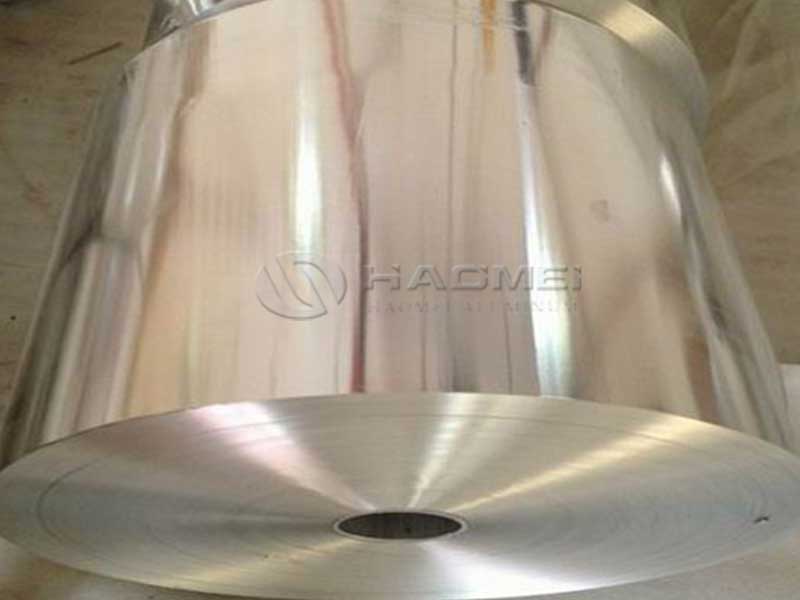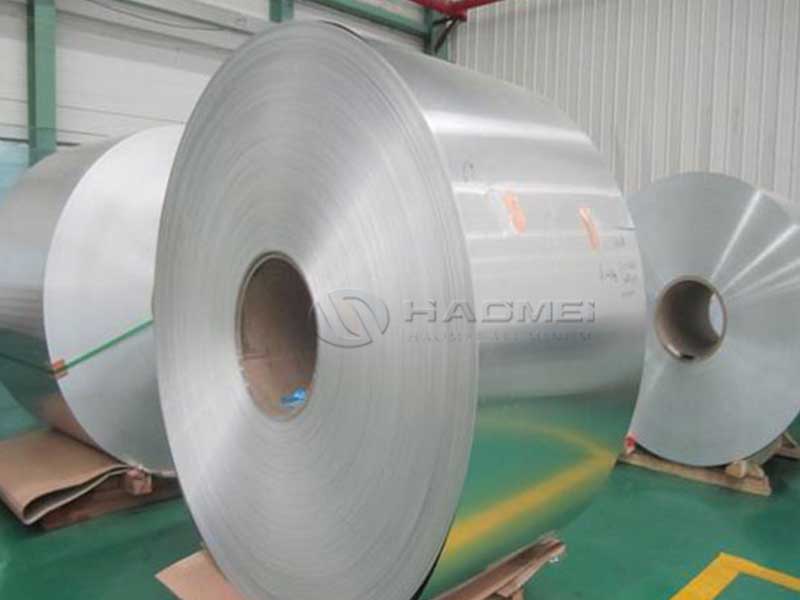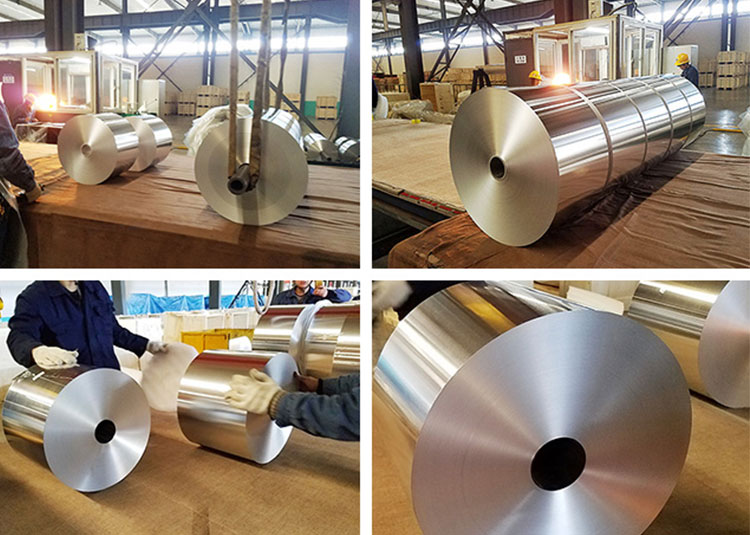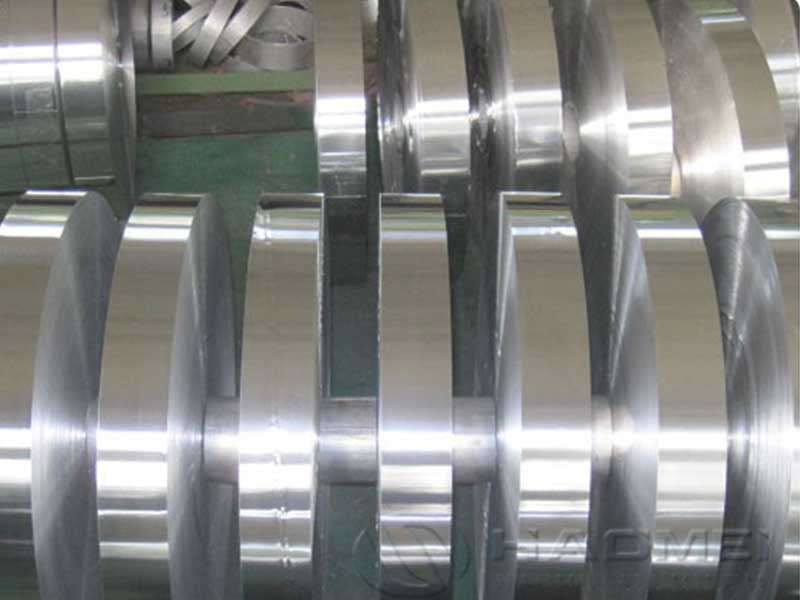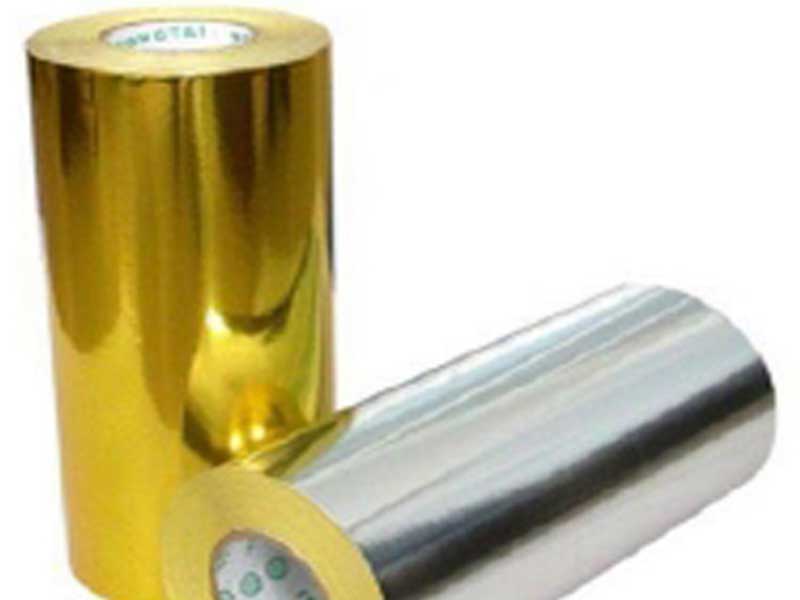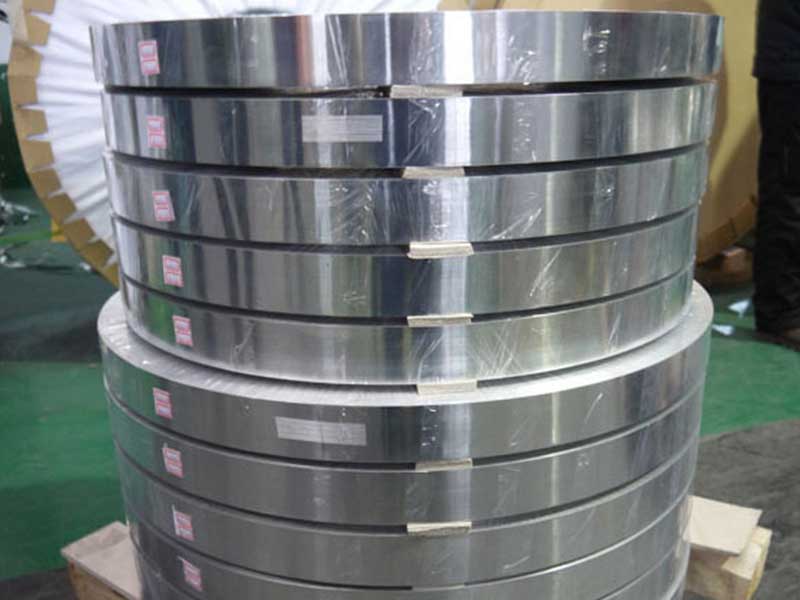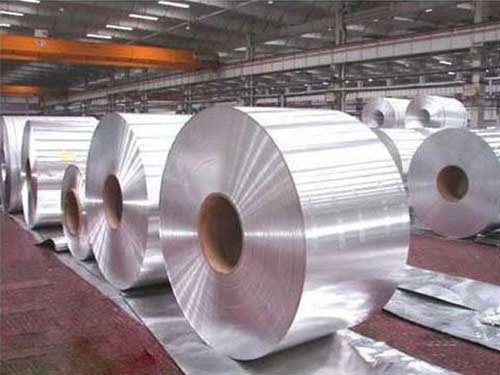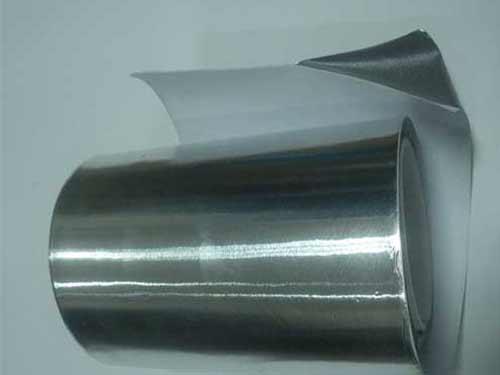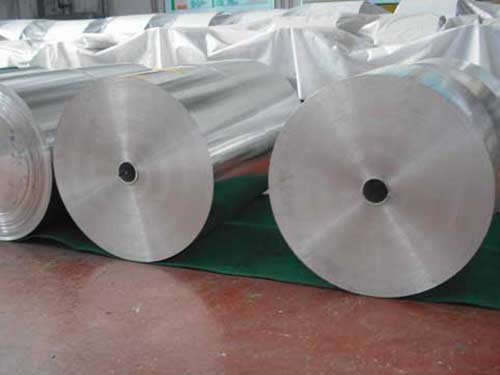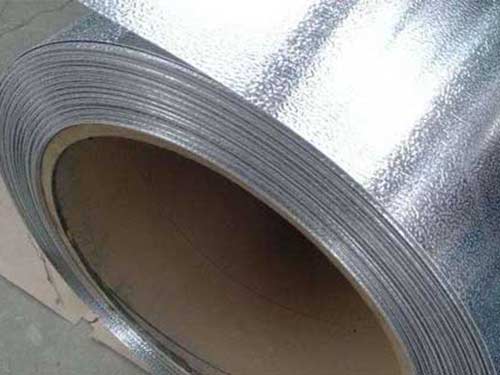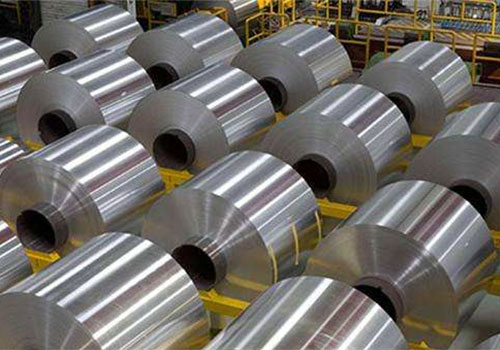

Aluminum foil is a vital material in modern electronics manufacturing due to its exceptional electrical conductivity, flexibility, and lightweight nature. High conductivity aluminum foil tailored for electronics plays an instrumental role in developing complex circuit designs, flexible printed circuit boards (PCBs), and other advanced electronic components.
The Function of High Conductivity Aluminum Foil in Electronics
In electronic applications, the primary function of aluminum foil is to provide conductive pathways with minimal electric resistance. Aluminum offers desirable conductivity, second only to copper, but at a reduced cost and weight, making it ideal for fragmentation within sophisticated circuit structures.
The ripple advantage lies in the combination of high electrical conductivity and remarkable mechanical flexibility—crucial for conforming to complex shapes required in multi-layer PCBs, flexible electronics, antennas, and shielding.
Benefits include:
- Efficient signal transmission — Low resistivity to ensure lossless current flow.
- Enhanced circuit miniaturization — Extremely thin yet conductive allowing dense circuit patterns.
- Superior mechanical adaptability — Ability to handle bends, folds, and curvatures without microfracture.
- Thermal management — Aluminum's high thermal conductivity results in improved heat dissipation.
Applications of Flexible High Conductivity Aluminum Foil
This aluminum foil variant has become indispensable in various electronics sectors:
| Application Area | Description |
|---|---|
| Flexible Printed Circuit Boards | Used as conductive layers in flexible PCBs, facilitating lightweight and bendable designs |
| High-frequency Circuitry | Ensures minimal signal attenuation in RF circuits, antennas, and satellite tech |
| Thermal Management Layers | Serves as heat spreaders within semiconductor devices to control temperature rising |
| Electromagnetic Shielding | Shields delicate electronic components from EMI/RFI interference |
| Thin Film Capacitors | Acts as electrodes or conductive layers within compact capacitors used in portable electronics |
The electrical and mechanical traits of these foils pave the way for continuous advances in complex, space-saving circuitry used in smartphones, wearables, medical devices, automotive electronics, and aerospace components.
Technical Specifications and Parameters
The performance of high conductivity aluminum foil largely hinges on its chemical composition, purity, tempering condition, and physical dimensions. These parameters guarantee reliable electrical and mechanical properties essential for precision circuit manufacturing.
Chemical Composition (% by Weight)
| Element | Max Content (%) |
|---|---|
| Aluminum (Al) | ≥ 99.0 |
| Iron (Fe) | 0.40 |
| Silicon (Si) | 0.30 |
| Copper (Cu) | 0.05 |
| Manganese (Mn) | 0.05 |
| Magnesium (Mg) | 0.05 |
| Zinc (Zn) | 0.05 |
| Titanium (Ti) | 0.03 |
| Others (each) | 0.03 |
Chemical purity ensures maximal electron availability for conductivity while minor alloying optimizes foil strength and workability.
Electrical and Mechanical Properties
| Property | Typical Value | Test Method |
|---|---|---|
| Electrical Conductivity | ≥ 62 % IACS (International Annealed Copper Standard) | ASTM B193 |
| Resistivity | Approx. 2.8 μΩ·cm | ASTM B193 |
| Thickness | 10 – 100 μm (customizable) | Micrometer measurement |
| Tensile Strength | 90 – 130 MPa (depending on temper) | ASTM E8 / ISO 6892-1 |
| Elongation at Break | ≥ 15% | ASTM E8 |
| Flexibility | Ability to bend multiple times without cracking | Standard industry bend tests |
Temper and Alloy Standards
| Parameter | Specification: 1xxx Series Aluminum Foil |
|---|---|
| Alloy Designation | 1100 (pure aluminum conferring excellent formability) |
| Temper | H14 (half hard), H18 (hard), O (annealed; maximum flexibility) |
| Standard | ASTM B480 (foils), EN 573, ISO 6361 appropriate segments from electronics industry |
The tempering process balances electrical conductivity with mechanical strength and flexibility. The annealed (O) condition yields the highest ductility for convolution, while half-hard and hard tempers enhance trace robustness for high-stress environments.
Implementation Standards and Quality Assurance
Choosing aluminum foil adhering to globally accepted methods guarantees interoperability and product reliability:
| Standard | Content Focus |
|---|---|
| ASTM B480 / ASTM B547 | Specifications for foil alloy, thickness, conductivity |
| IPC-2221 | Generic standard on flexible PCB material qualification |
| MIL-STD-792 | Conductors’ containment and electrical parameters |
| RoHS and REACH compliance | Environmental and safety standards compliance |
Quality tests focus on uniformity in thickness, surface smoothness, corrosion resistance, and elimination of pinholes—all crucial for consistent penetration into sensitive electronically functional layers and insulating substrates.
Advantages of Our High Conductivity Aluminum Foil
- Superior Purity and Uniformity: Enhanced electrical traits via stringent material selection and processing controls.
- Remarkable Flexibility: Suited for wrapping and embedding in complex geometries without fracturing.
- Customizable Dimensions: Thickness and width suited to layer requirements or conductor paths.
- Enhanced Durability: Corrosion-resistant and thermally stable for robust manufacture cycles.
- Eco-conscious Manufacture: Complies fully with global green directives for safe handling and recycling.