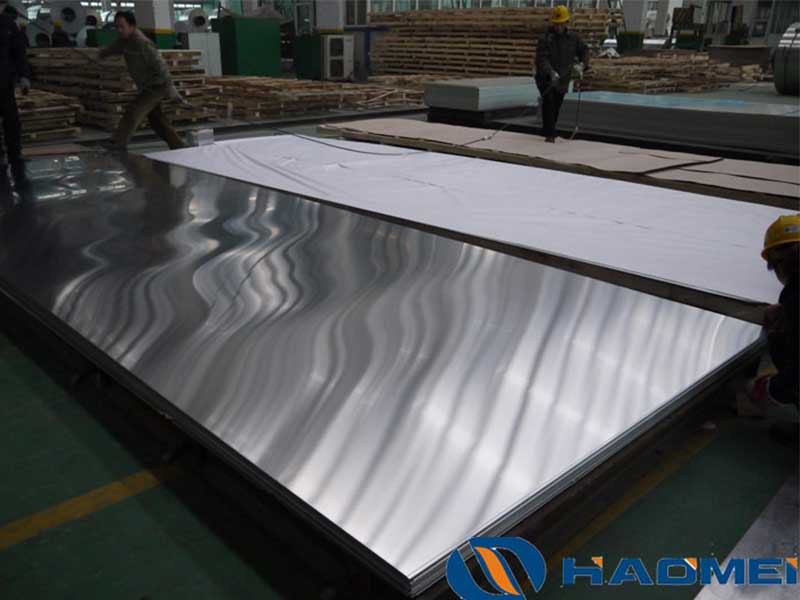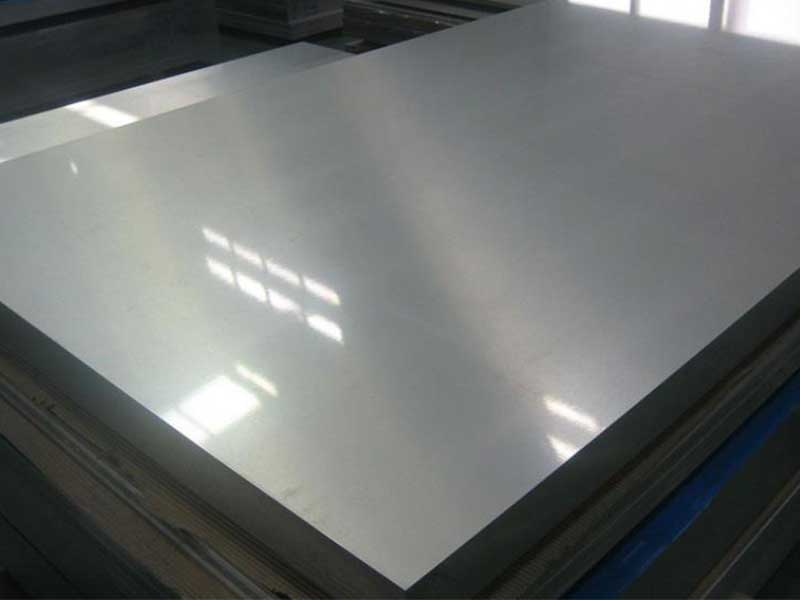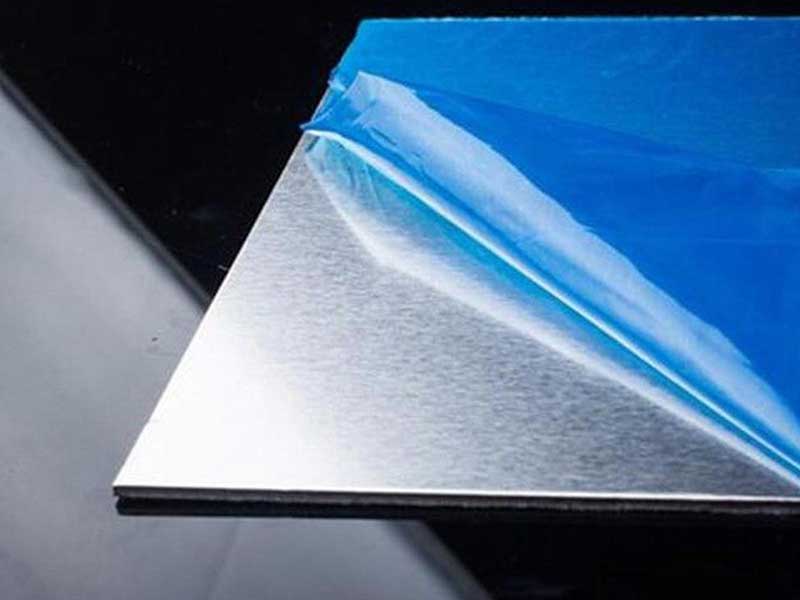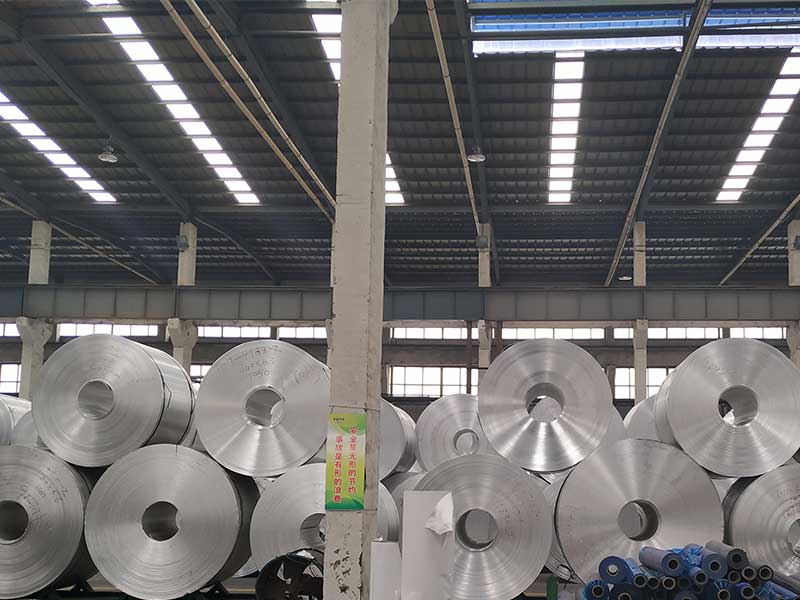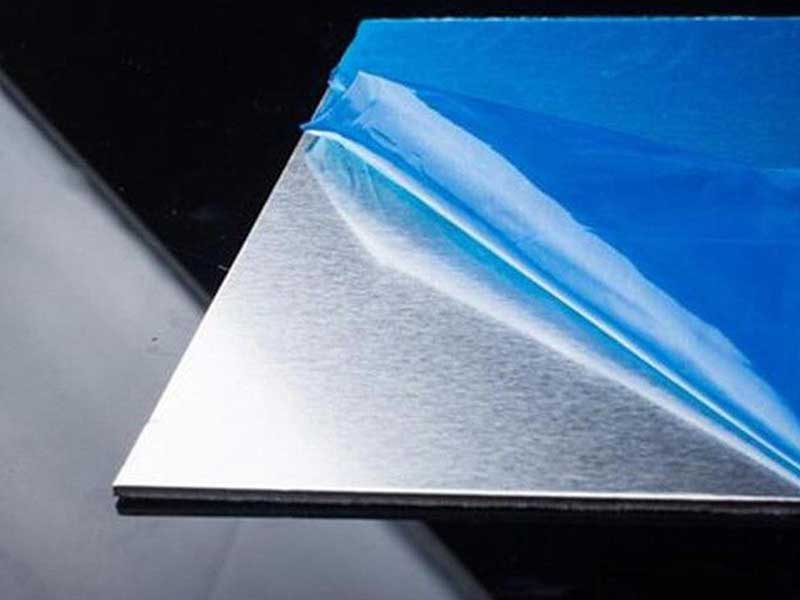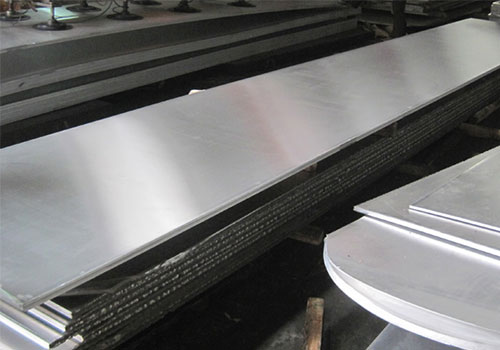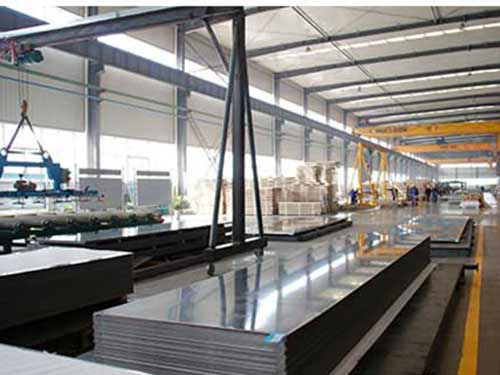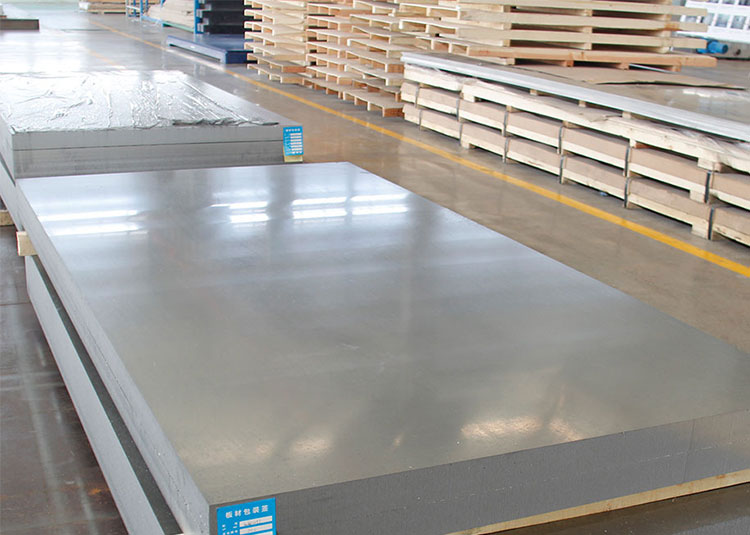
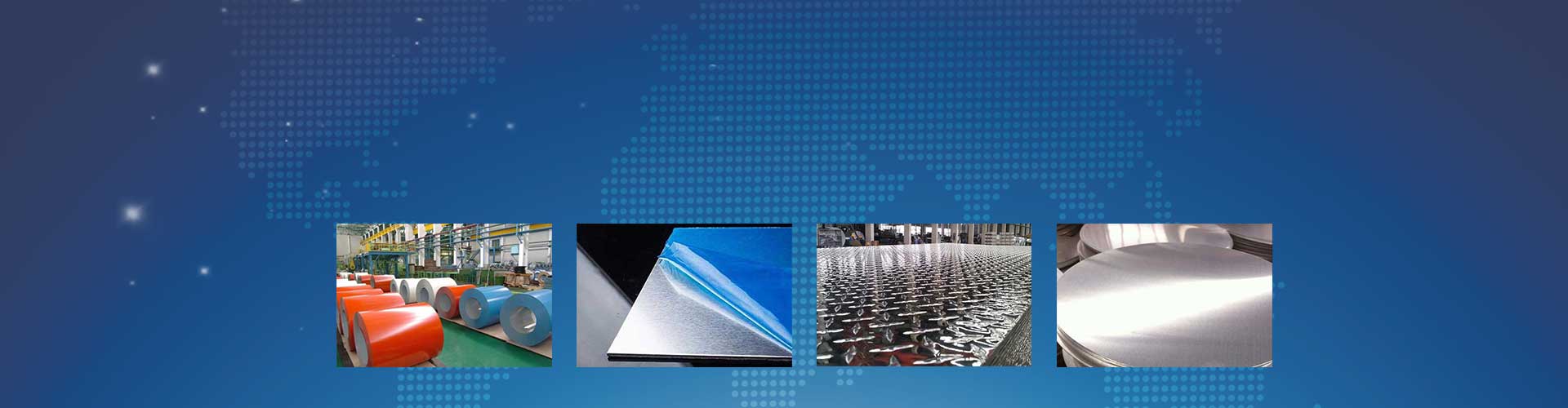
Anodized aluminum sheet 1060 is a high-purity aluminum product engineered for clean appearance, reliable corrosion resistance, and excellent forming behavior. Built on AA 1060 (commonly ~99.6% Al), it is frequently selected when customers want an attractive anodized finish with consistent color response, low defect risk, and stable performance in indoor or mildly aggressive outdoor environments.
Because 1060 contains very low alloying additions, it offers high electrical and thermal conductivity, a soft-to-medium temper range, and a surface that can be brightened, satin-finished, brushed, or dyed after anodizing. This makes it a dependable choice for architectural trim, lighting reflectors, appliance panels, signage, and decorative components-especially where deep forming or smooth bending is required.
What "Anodized" Means for 1060 Sheet
Anodizing converts the aluminum surface into a controlled aluminum oxide layer. This oxide is not a coating that sits on top; it is grown from the base metal, giving strong adhesion, improved wear resistance, and better corrosion behavior. For 1060 sheet, anodizing is particularly valued for:
- Reliable dyeing for decorative color options
- Improved surface hardness compared with bare 1060
- Better stain and fingerprint resistance when combined with sealing and optional topcoats
Typical anodizing routes include decorative (Type II) sulfuric anodize and hard anodize (Type III) where higher hardness is needed. In most sheet applications, Type II is common due to its balance of appearance and protection.
Features at a Glance
| Feature | What it means for customers | Typical benefit |
|---|---|---|
| High purity aluminum base | Minimal alloying elements | More consistent anodized look and reflectivity |
| Excellent formability | Easy to bend, stamp, roll-form | Lower cracking risk in decorative parts |
| Strong corrosion resistance (after anodizing + sealing) | Stable oxide film | Longer service life, reduced maintenance |
| Good conductivity | High electrical/thermal performance | Useful for busbar covers, heat-related panels, reflectors |
| Lightweight | Density around 2.7 g/cm³ | Easier handling and lower structural load |
| Recyclability | Aluminum is widely recyclable | Sustainability and scrap value |
Chemical Composition (AA 1060 Typical Limits)
AA 1060 is defined primarily by its purity. Exact limits may vary by standard (ASTM, EN, GB), but the following table reflects widely used industry ranges.
| Element | Typical limit (wt.%) |
|---|---|
| Aluminum (Al) | ≥ 99.60 |
| Silicon (Si) | ≤ 0.25 |
| Iron (Fe) | ≤ 0.35 |
| Copper (Cu) | ≤ 0.05 |
| Manganese (Mn) | ≤ 0.03 |
| Magnesium (Mg) | ≤ 0.03 |
| Zinc (Zn) | ≤ 0.05 |
| Titanium (Ti) | ≤ 0.03 |
| Others (each) | ≤ 0.03 |
| Others (total) | ≤ 0.10 |
Why this matters for anodizing: lower Cu and other alloying additions generally help reduce color variation and improve the "clean" metallic appearance after anodizing, especially on wide panels.
Typical Technical Specifications for Anodized 1060 Sheet
Specifications are commonly customized by end-use: decorative sheet needs a controlled visual standard, while functional parts focus on thickness, flatness, and adhesion.
| Item | Typical range / options |
|---|---|
| Alloy | AA 1060 |
| Temper | O, H12, H14, H16, H18 (common) |
| Thickness | 0.3–6.0 mm (common commercial range) |
| Width | Up to ~2000 mm (mill capability dependent) |
| Length | Sheet cut-to-length or coil form |
| Surface finish before anodize | Mill finish, brushed, satin, bright, textured |
| Anodizing type | Sulfuric (decorative) or hard anodize (as specified) |
| Anodic film thickness | 5–25 μm (decorative typical), 25–50 μm (hard, as required) |
| Sealing | Hot water, nickel acetate, mid-temperature sealing (as specified) |
| Color | Natural, black, champagne, bronze, custom dyed (subject to process limits) |
| Protective film | PE/PVC film available for fabrication protection |
Numerical Performance Data (Typical, for Reference)
Mechanical properties depend strongly on temper and product form. For quick selection, the table below provides representative ranges often seen for 1060 sheet. Confirm with mill test certificates for procurement.
| Property | 1060-O (annealed) | 1060-H14 (half-hard) |
|---|---|---|
| Tensile strength (MPa) | ~60–95 | ~95–125 |
| Yield strength (MPa) | ~20–35 | ~75–105 |
| Elongation (%) | ~25–35 | ~8–15 |
| Electrical conductivity (% IACS) | ~61–63 | ~61–63 |
| Thermal conductivity (W/m·K) | ~220–235 | ~220–235 |
| Density (g/cm³) | 2.70 | 2.70 |
Practical takeaway: choose softer tempers like O/H12 for deep drawing and tight bending; select H14/H16/H18 when panel stiffness and dent resistance matter more than extreme formability.
Surface Quality and Appearance Considerations
Anodized 1060 is often purchased for how it looks. To get stable visual results, buyers typically define:
| Visual / Surface item | What to specify | Why it helps |
|---|---|---|
| Directional grain | Brushed direction, allowable mismatch | Maintains consistent appearance across assemblies |
| Color tolerance | Sample-based approval, ΔE limits if applicable | Controls batch-to-batch variation |
| Gloss level | Matte, satin, semi-gloss, bright | Ensures lighting and décor match |
| Film thickness | Target μm and minimum local thickness | Improves durability and color depth |
| Protective film | Type, adhesive strength, peel requirement | Prevents scratches during fabrication |
Because 1060 is soft relative to high-strength alloys, surface protection during transport and fabrication is especially valuable for decorative panels.
Applications: Where Anodized 1060 Sheet Performs Best
Architectural and Decorative Panels
Anodized 1060 sheet is widely used for interior wall panels, trims, ceiling systems, column covers, and decorative facades where a clean metallic finish and controlled reflectance are desired. With proper sealing, it offers reliable corrosion resistance in typical urban environments, and its purity supports consistent anodized aesthetics.
Signage, Nameplates, and Display Systems
For storefront signs, information plates, exhibit frames, and branded trims, 1060 provides an excellent base for dyed anodizing and laser marking. The anodic layer can protect graphics from smudging and light wear, while the sheet remains easy to cut, route, and bend.
Lighting Reflectors and Optical Components
High reflectivity and uniform surface response make anodized 1060 attractive in reflector housings, lamp components, and lighting panels. Customers often choose brushed or bright finishes, then anodize for corrosion protection and cleaner long-term appearance.
Appliance and Consumer Product Skins
Anodized 1060 is commonly used in appliance panels, decorative covers, and consumer electronics accessories where light weight and a premium metallic look are important. It forms easily, enabling clean radii and folded edges without complex tooling.
General Corrosion-Resistant Sheet Metal Parts
For covers, enclosures, and trim in mildly corrosive environments, anodized 1060 offers a strong balance of cost, looks, and workability. When higher wear resistance is needed, specifying thicker anodic film and appropriate sealing improves durability.
Selecting the Right Anodized 1060 Sheet
| Customer need | Suggested choice |
|---|---|
| Deep forming, tight bends | 1060-O or 1060-H12, moderate anodic thickness |
| Better stiffness and dent resistance | 1060-H14/H16, confirm bend radius requirements |
| Premium decorative appearance | Brushed or satin + controlled anodize/seal + film protection |
| Higher surface durability | Thicker anodic film, robust sealing, consider hard anodize where feasible |
| Color consistency across projects | Sample approval + batch control + defined gloss/thickness |
Anodized aluminum sheet 1060 is a practical, visually refined material built on a high-purity aluminum core. It stands out for uniform anodized appearance, excellent formability, strong corrosion resistance after sealing, and reliable processing across common sheet-metal operations. For architectural trims, signage, reflectors, and decorative panels, it delivers an appealing combination of lightweight performance and premium surface quality-making it a go-to option when the finish matters as much as the metal underneath.