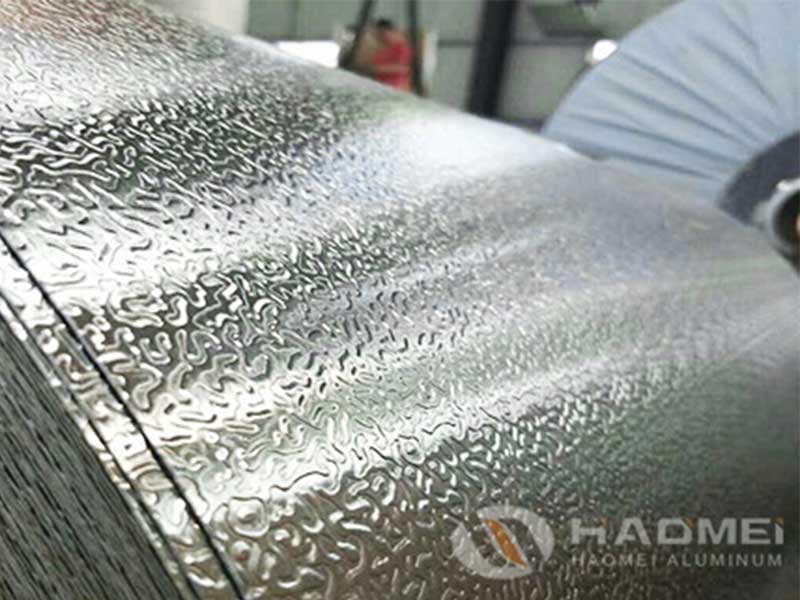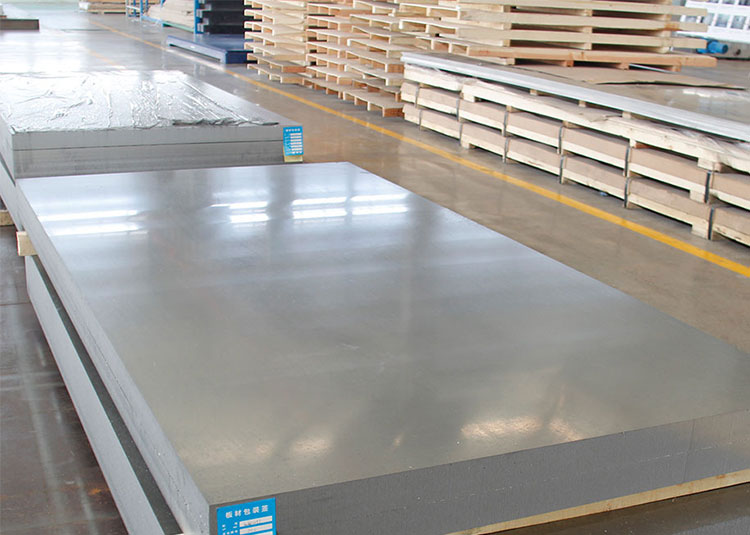

Aluminum tread plate in 3004, 3003, and 3105-especially in H14 temper and practical thicknesses like 2mm and 3mm-is often introduced as a "non-slip sheet." That description is true, but incomplete. A better way to understand this product is to see it as a multifunction surface: it is simultaneously a traction tool, a lightweight structural skin, and a corrosion-resistant barrier that keeps working even when the environment is wet, dusty, oily, or constantly cleaned. The raised pattern is not only about grip; it also changes how the sheet resists dents, how it drains water, and how it looks after years of service.
What "tread" really does: traction, drainage, and durability in one surface
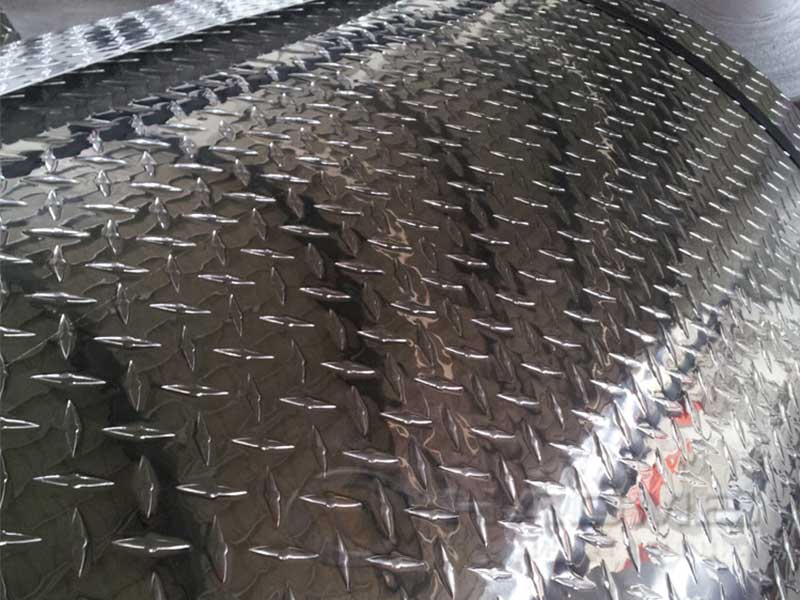
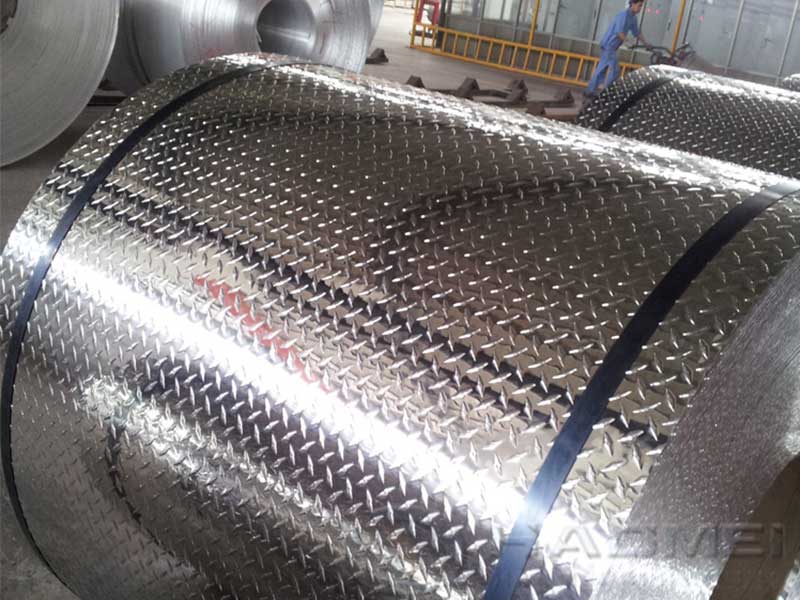
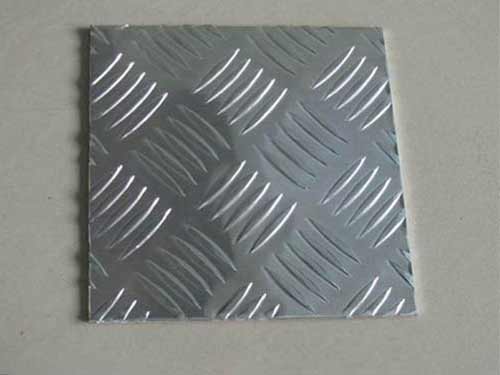
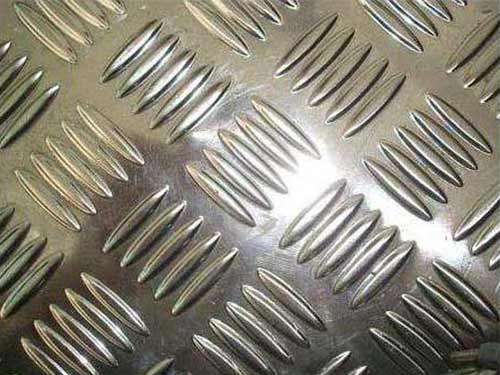
The diamond or 5-bar (also called "quintet") pattern creates high points that break the contact plane between shoes and the base sheet. This increases friction in real-world conditions where smooth aluminum becomes slick. At the same time, the grooves between raised ribs act like micro-channels that help disperse water, mud, and light oils. In applications like truck steps, trailer decks, or plant walkways, that small drainage advantage can be the difference between a stable step and a hazardous one.
The pattern also makes the sheet more resistant to visible wear. Scratches tend to blend into the texture, and minor impacts are distributed across ribs rather than forming a single prominent dent. For customers who care about appearance over time-commercial vehicles, retail fixtures, public infrastructure-tread plate performs like a "wear mask" as much as a safety surface.
Why 2mm and 3mm thicknesses are popular
In the field, 2mm and 3mm aluminum tread plate sits in a sweet spot. At 2mm, the sheet is light enough for easy fabrication and installation, yet stiff enough (especially with the tread geometry) for interior floor liners, wall guards, kick plates, light-duty ramps, and protective covers. At 3mm, you gain noticeably more rigidity and impact tolerance, which suits truck bodies, toolboxes, mezzanine walkways, service platforms, and heavier-duty step systems.
A practical note for buyers: tread plate is commonly specified by base thickness, while the raised pattern adds height. In other words, a "2mm tread plate" typically refers to the thickness of the sheet excluding the raised bars, which affects weight calculations and fit-up in framed structures.
Alloy selection as a "job description": 3003 vs 3004 vs 3105
These three alloys belong to the 3xxx series (Al-Mn family), chosen because they combine corrosion resistance with formability and reliable strength at a cost-effective level.
3003 is the classic general-purpose choice. It is easy to form, roll, brake, and cut, and it performs well in mildly corrosive conditions. If your application is mostly about clean appearance, good fabrication, and reasonable strength-interior steps, trims, panels, architectural protection-3003 tread plate is often the default.
3004 is 3003's stronger cousin. With magnesium added, 3004 typically delivers higher strength, making it attractive where tread plate must resist more flexing or occasional impact but still needs to be formed or fabricated. It's a strong candidate for vehicle flooring, access platforms, and protective decking that sees daily use.
3105 is often chosen when the project is "coil-and-process" oriented: cladding, housings, enclosures, and building-related protective panels. It offers good corrosion resistance and formability, and it's widely used in painted or coated systems. When tread plate is part of an exterior assembly that may be coated, 3105 is a practical option.
H14 temper in a customer-friendly way
H14 means the sheet is strain-hardened to a "half-hard" level. Instead of being soft and easily dented, H14 provides a balanced condition: it holds shape well, resists scuffs and deformation better than annealed material, and still allows common fabrication like shearing, punching, and moderate bending with appropriate tooling.
For tread plate buyers, H14 is often the working temper because it keeps the pattern crisp and durable while remaining manageable for workshop operations. If tight-radius bending is required, discussing alternative tempers may be worthwhile, but for most flooring and protection uses, H14 is a dependable baseline.
Typical parameters for aluminum tread plate (3003/3004/3105 H14)
Common specifications are usually defined by thickness, width, length, and pattern type. Below is a practical parameter snapshot used in many supply chains.
Typical product parameters
- Alloy: 3003 / 3004 / 3105
- Temper: H14
- Thickness (base): 2.0mm, 3.0mm (other gauges available)
- Pattern: diamond tread, 5-bar/quintet (varies by market)
- Surface: mill finish (standard), optional anodized or coated depending on project
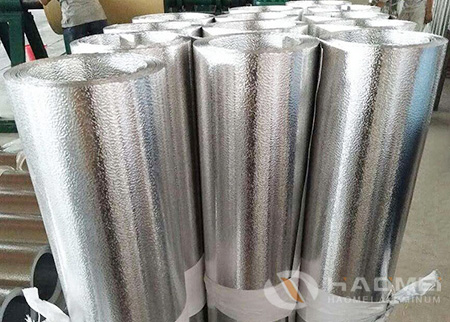
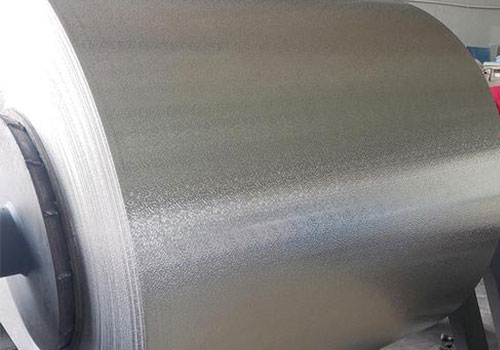
- Supply form: sheet or coil; cut-to-length available
- Fabrication: suitable for shearing, laser cutting, waterjet, punching, riveting, and welding with standard aluminum practices
Implementation standards and commonly referenced specifications
Aluminum tread plate is typically produced and supplied under widely used aluminum sheet standards. The exact standard can depend on region and project documentation, but buyers commonly encounter:
- ASTM B209 for aluminum and aluminum-alloy sheet and plate (widely referenced internationally)
- EN 485 series for aluminum and aluminum alloys sheet/plate/strip in European-oriented projects
- GB/T standards in China-oriented procurement (often used in cross-border supply)
In procurement documents, it is good practice to state alloy, temper, thickness (base), pattern type, and whether thickness tolerances follow a specific standard. This avoids miss where pattern height is mistakenly included in thickness.
Chemical composition table (typical ranges, wt.%)
Actual mill test certificates govern shipment chemistry, but the following typical ranges help compare the alloys. Values are expressed as weight percent.
| Alloy | Si | Fe | Cu | Mn | Mg | Zn | Cr | Ti | Al |
|---|---|---|---|---|---|---|---|---|---|
| 3003 | ≤0.60 | ≤0.70 | 0.05–0.20 | 1.0–1.5 | ≤0.05 | ≤0.10 | - | - | Balance |
| 3004 | ≤0.30 | ≤0.70 | ≤0.25 | 1.0–1.5 | 0.8–1.3 | ≤0.25 | - | ≤0.20 | Balance |
| 3105 | ≤0.60 | ≤0.70 | ≤0.30 | 0.3–0.8 | 0.2–0.8 | ≤0.40 | ≤0.20 | ≤0.10 | Balance |
Note how 3004's magnesium content is the reason it trends stronger, while 3003 emphasizes straightforward formability and corrosion resistance. 3105 sits in a practical middle ground for many building and enclosure applications.
Functions and applications: where 3xxx H14 tread plate excels
In transportation, 3003/3004/3105 H14 tread plate is widely used for truck steps, trailer access, bus entry zones, cargo area liners, and toolbox skins. The pattern provides grip, while the 3xxx alloys resist corrosion from road spray and routine washing. For fleet operators, the benefit is not just safety-it is reduced maintenance and fewer cosmetic complaints.
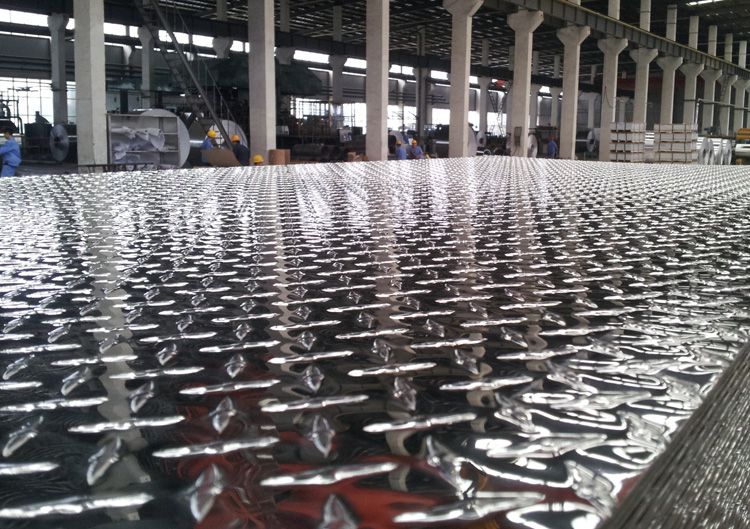
In industrial facilities, tread plate becomes a "walkable protective layer" for platforms, mezzanines, machine surrounds, service stairs, and temporary access ramps. The H14 temper helps it stay flatter and more dent-resistant under everyday foot traffic, hand tools, and wheeled carts.
In architecture and commercial interiors, 2mm tread plate is often used as wall guards, corner protection, kick plates, and decorative utility panels. Its texture hides scuffs and keeps a consistent appearance in high-contact zones like corridors, service rooms, elevators, and kitchens.
In marine-adjacent environments, 3xxx series aluminum has good corrosion resistance, and tread plate is frequently selected for docks, service walkways, and equipment covers where moisture is constant. Where chloride exposure is severe, discussing additional surface treatments or alternative alloys can be valuable, but for many coastal industrial settings, 3xxx tread plate remains a dependable choice.
The buying takeaway: choose the alloy by stress, choose thickness by span, choose H14 for daily reality
If the job is mostly protective and cosmetic, 3003 H14 in 2mm is often efficient. If the sheet will see heavier flexing, impact, or more demanding service, 3004 H14 and/or 3mm thickness provides a sturdier working surface. If the project is building-oriented, enclosure-focused, or coating-driven, 3105 H14 is a practical, widely accepted option.
Aluminum tread plate 3004 3003 3105 H14 in 2mm and 3mm is not just "anti-slip aluminum." It's a smart surface engineered to deliver traction, long-term appearance, corrosion resistance, and lightweight strength-exactly the combination modern vehicles, facilities, and public-facing spaces depend on.