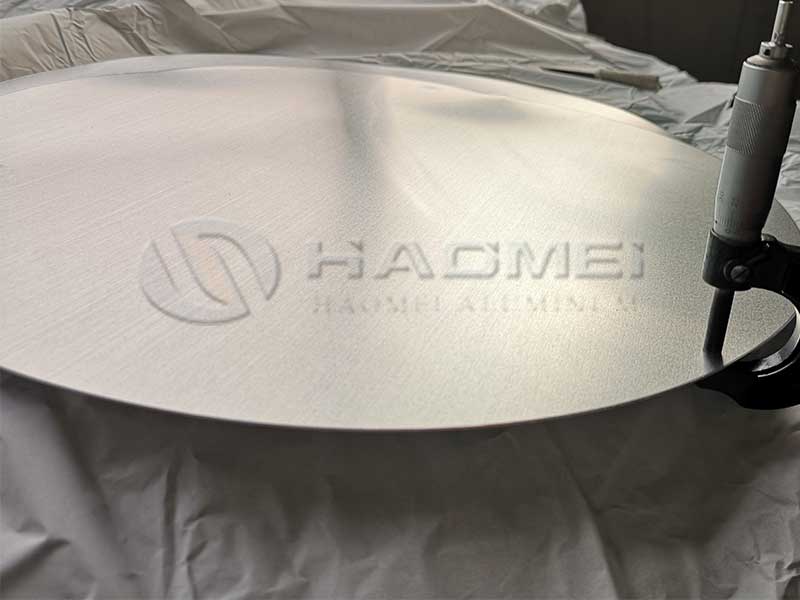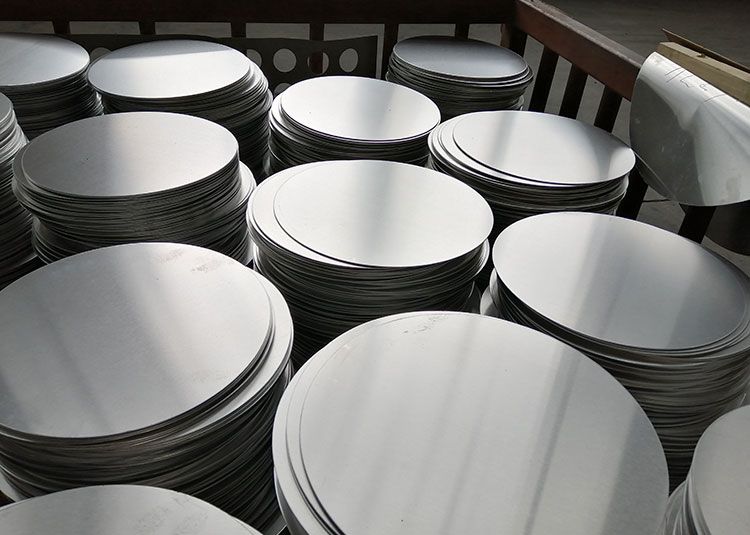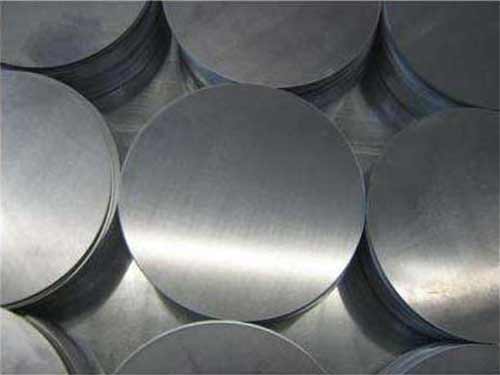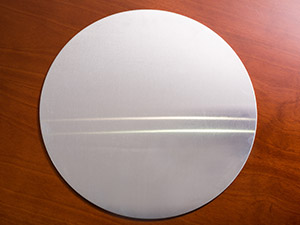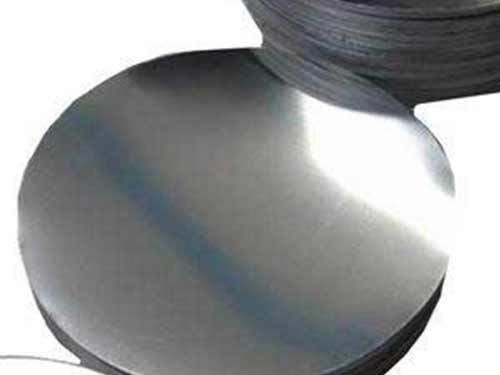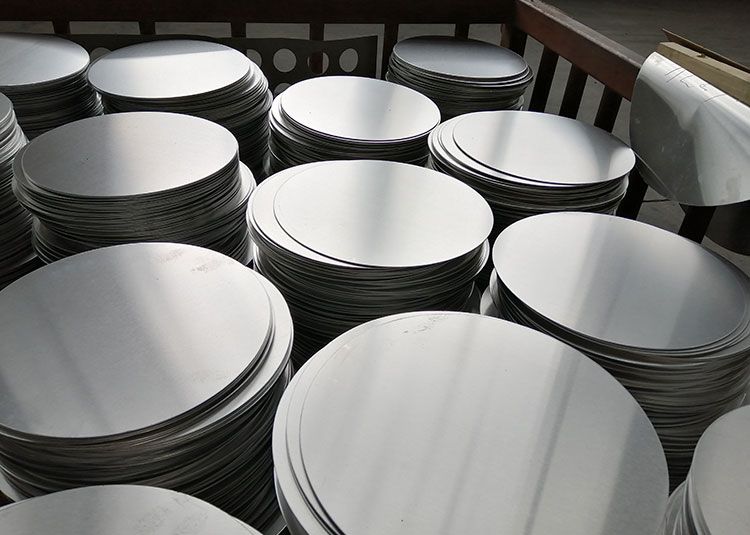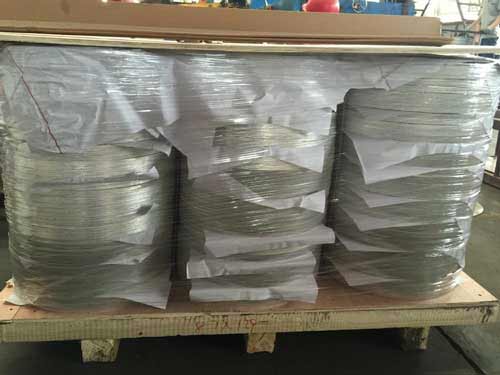

Aluminium circle cookware plates are essential components in the production of high-quality cookware such as pots, pans, lids, and pressure cookers. Featuring excellent formability, corrosion resistance, and heat conduction, these Aluminium circles serve as the base material for cookware manufacturing. The most popular alloys used for cookware plates include 1050, 1060, 1070, 3003, and 5052, each offering unique features tailored for various needs.
Functions of Aluminium Circle Cookware Plates
- Excellent Heat Conductivity: Aluminium circles offer uniform heat distribution, preventing hotspots and ensuring precise cooking.
- Good Formability: These plates can be easily stamped into various shapes needed in cookware production without cracking.
- Corrosion Resistance: Especially true for alloys with added elements like magnesium (5052), giving durability in humid and oily environments.
- Lightweight & Durable: Reducing cookware weight without compromising strength.
- Non-toxic & Food Safe: Aluminium alloys comply with regulations ensuring they won't contaminate food.
Main Applications in Cookware
- Manufacturing frying pans, saucepans, and pressure cooker bodies
- Creation of inner pot bases and wall panels
- Production of heat diffusers or grills integrated in cookware sets
- Construction of container lids and steam vents
These plates combine flexibility and performance to suit conventional kitchenware and modern designs alike.
| Alloy | Primary Characteristics | Typical Uses in Cookware |
|---|---|---|
| 1050 | High purity (≥99.5% Al) | Easy forming inner diameters, general cookware lids and bases |
| 1060 | Improved formability | Smooth stamping, cookware outer shells |
| 1070 | Very high aluminum content | Food-grade surfaces, high corrosion resistance components |
| 3003 | Added Manganese (Mn), enhanced strength & corrosion resistance | Cookware that requires extra durability & moderate strength |
| 5052 | Magnesium addition, superior corrosion resistance and moderate strength | Durable cookware subjected to wear and wet environments |
Chemical Composition of Alloys (% by Weight)
| Alloy | Aluminum (Al) | Copper (Cu) | Manganese (Mn) | Magnesium (Mg) | Silicon (Si) | Iron (Fe) | Zinc (Zn) |
|---|---|---|---|---|---|---|---|
| 1050 | ≥ 99.5 | ≤ 0.05 | ≤ 0.05 | ≤ 0.05 | ≤ 0.25 | ≤ 0.40 | ≤ 0.10 |
| 1060 | ≥ 99.6 | ≤ 0.05 | ≤ 0.05 | ≤ 0.03 | ≤ 0.25 | ≤ 0.35 | ≤ 0.10 |
| 1070 | ≥ 99.7 | ≤ 0.05 | ≤ 0.03 | ≤ 0.03 | ≤ 0.25 | ≤ 0.30 | ≤ 0.05 |
| 3003 | ≥ 96.8 | ≤ 0.20 | 1.00–1.50 | ≤ 0.10 | ≤ 0.60 | ≤ 0.70 | ≤ 0.10 |
| 5052 | ≥ 97.35 | ≤ 0.10 | ≤ 0.10 | 2.2–2.8 | ≤ 0.25 | ≤ 0.40 | ≤ 0.10 |
Tempering Conditions and Mechanical Properties
| Alloy | Temper Condition | Tensile Strength (MPa) | Yield Strength (MPa) | Elongation (%) | Hardness (HB) |
|---|---|---|---|---|---|
| 1050 | H14 (strain hardened) | 70 – 105 | 45 – 75 | 10 – 35 | 25 – 35 |
| 1060 | O (annealed) | 60 – 110 | 35 – 80 | 18 – 38 | 20 – 30 |
| 1070 | H18 (iple strain hardened) | 82 – 110 | 45 – 75 | 4 – 10 | 30 – 40 |
| 3003 | H14 (strain hardened) | 110 – 185 | 70 – 125 | 12 – 25 | 45 – 60 |
| 5052 | H32 (strain hardened) | 205 – 260 | 135 – 210 | 7 – 15 | 60 – 75 |
Note: Temper designations (O, H14, H18, H32) specify treatments such as full annealing (O) or various extents of cold working (Hxx).
Implementation Standards
Most aluminium circle cookware plates comply with major international standards regulating chemical composition, mechanical properties, and dimensions impacting cookware quality:
- ASTM B209 / B209M – Specification for Aluminium and Aluminium-Alloy Sheet and Plate
- GB/T 3880 – Chinese national standard for aluminium and aluminium alloy plate and strip
- EN 573 / EN 485 – European standards detailing alloy chemical composition and mechanical requirements
- JIS H4100 – Japanese Industrial Standard for aluminium and aluminium alloy
Meeting these standards guarantees performance reliability and safety essential in cookware manufacturing.
Additional Technical Parameters of Aluminium Circle Cookware Plates
| Parameter | Typical Range/Specification |
|---|---|
| Thickness | 0.3 mm to 3.0 mm |
| Diameter | 40 mm to 2200 mm |
| Surface Finish | Mill Finish / Bright Finish |
| Density | ~2.7 g/cm³ |
| Thermal Conductivity | 220 W/(m·K) for 1xxx series alloys |
| Coefficient of Thermal Expansion | ~23 × 10⁻⁶ /°C |
| Melting Point | 655°C – 660°C |
| Corrosion Resistance | Excellent for 1050, 1060, 1070; Enhanced for 3003 & 5052 |
Material precision plating quality (circularity, flatness) is critical to cookware forming processes ensuring consistent stamping, conventional shaping, or spinning.