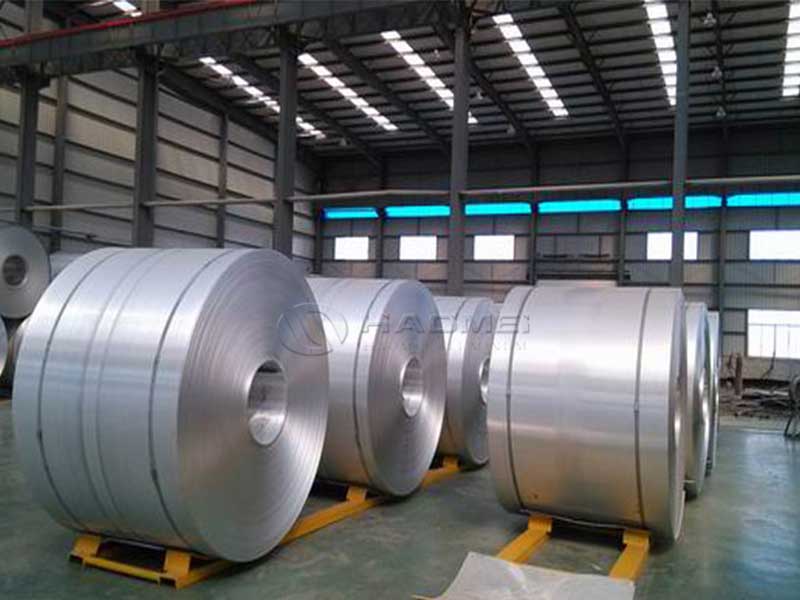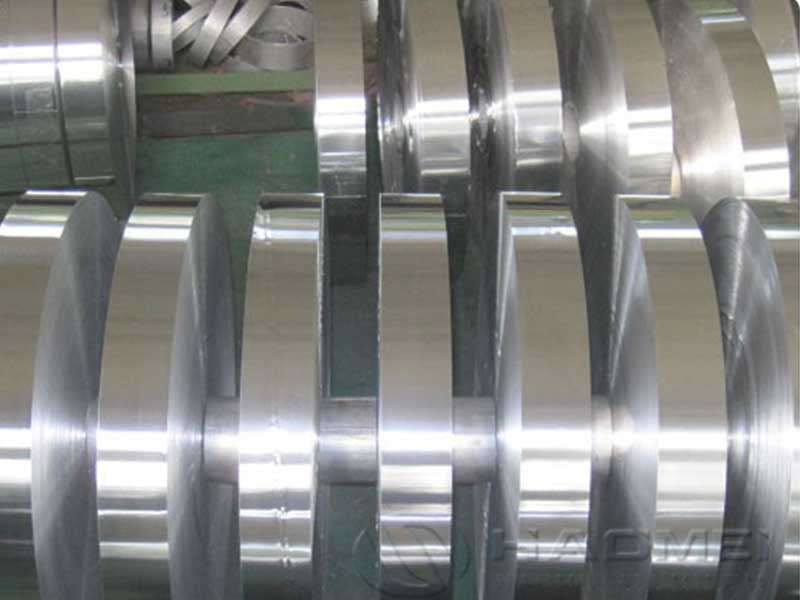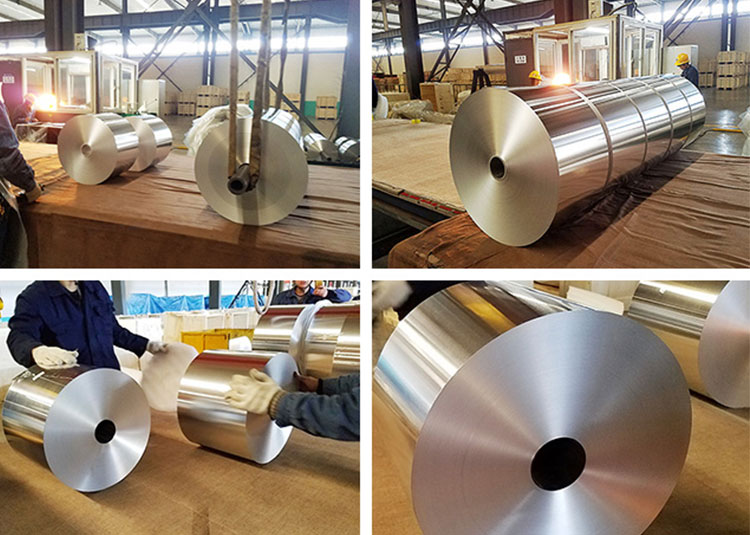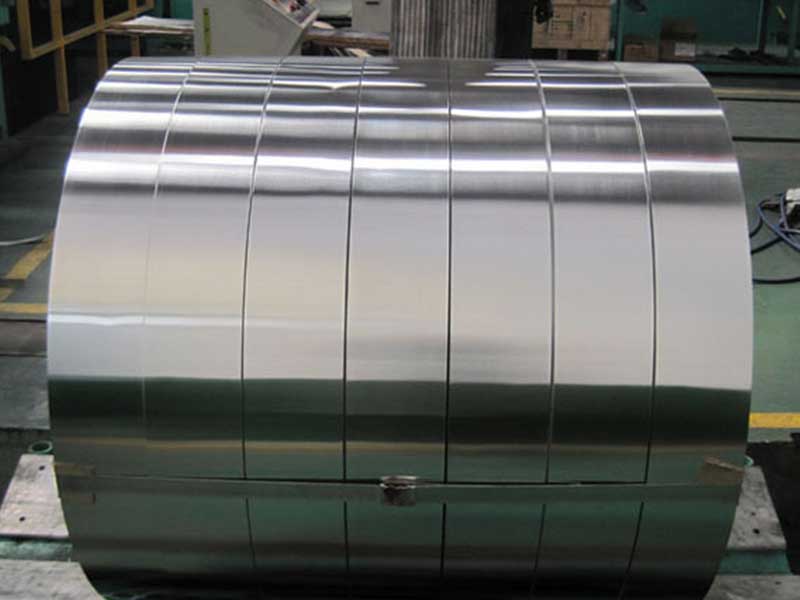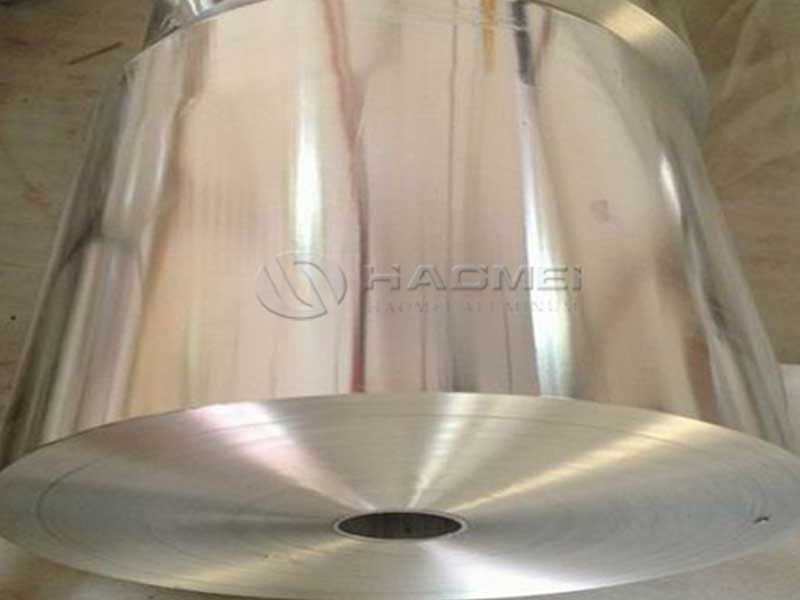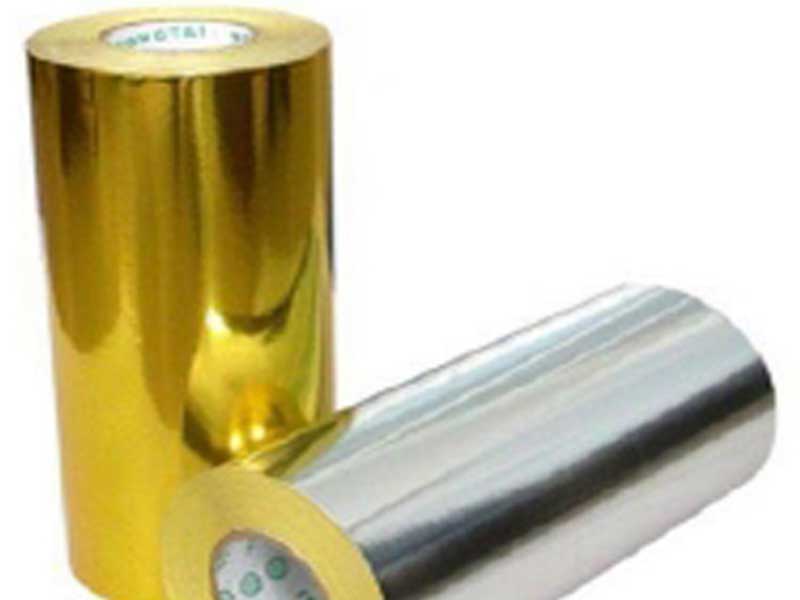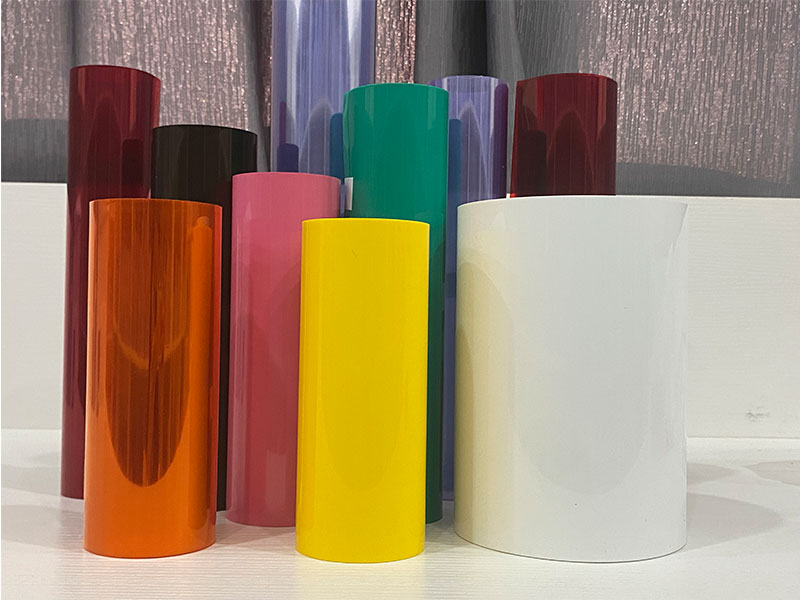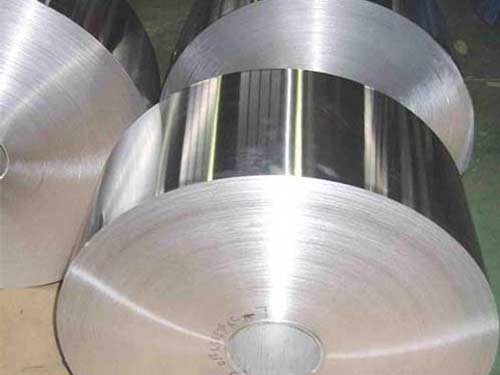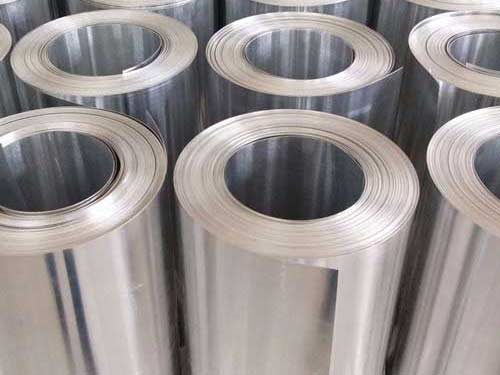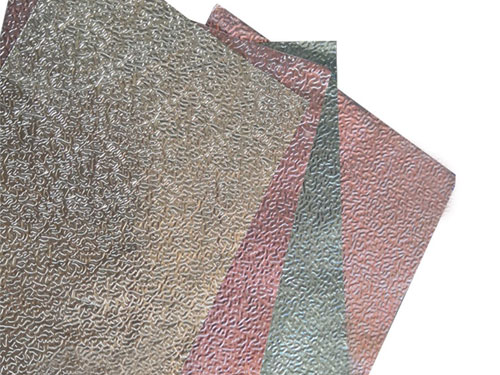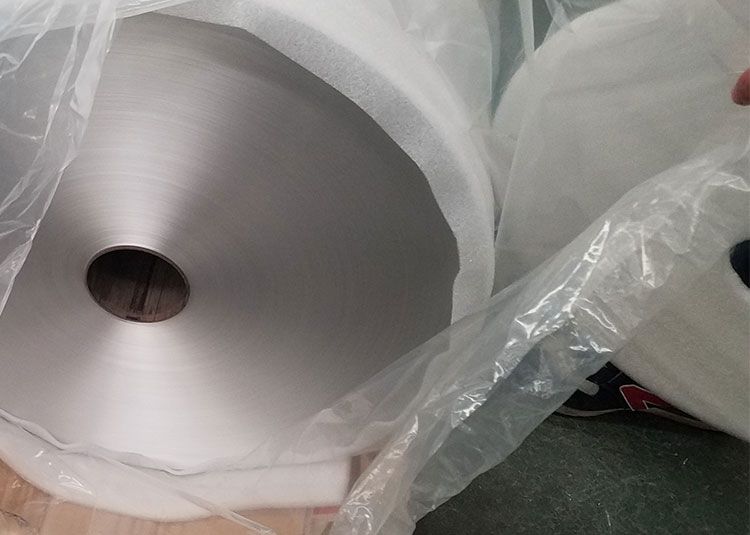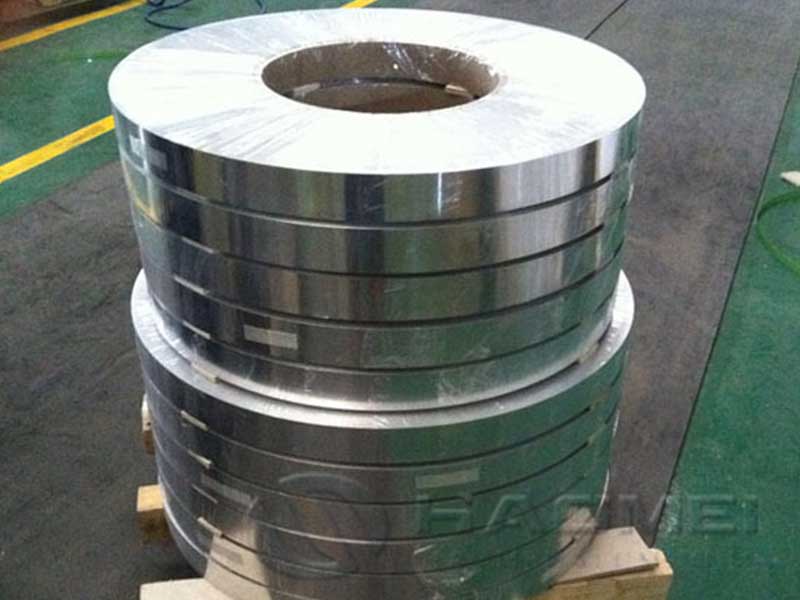

Pharmaceutical bottle-cap foil is a purpose-engineered aluminum foil laminate used as the inner sealing liner under screw caps or press caps for pill, tablet, capsule, and powder bottles. Its job is simple but critical: provide a reliable hermetic seal, protect product potency throughout shelf life, and deliver tamper evidence without slowing down high-speed capping lines.
As a material, aluminum foil remains the industry benchmark because it offers an exceptional combination of barrier performance, heat-seal consistency, and chemical inertness-all in a thin, lightweight structure that supports modern GMP packaging requirements.
This product is typically supplied as a laminated foil converted into cap liners or induction seal wads. During induction sealing, an electromagnetic field heats the foil layer rapidly; the heat activates the sealant polymer, bonding the liner to the bottle rim. After cooling, the consumer peels the foil to access the medicine.
Common structures include:
- Paper / Wax / Al foil / Heat-seal lacquer (older or cost-driven structures)
- PET / Al foil / Heat-seal layer (enhanced puncture resistance and clean peel)
- Foam backing + foil seal (cap cushioning + sealing layer; depends on closure design)
2) features customers care about
Barrier protection (moisture, oxygen, light, aroma)
Aluminum foil is essentially an absolute barrier to light and offers extremely low transmission for gases and moisture-helping reduce API degradation, tablet softening, or odor loss/gain.
Strong, consistent seal window
Pharma capping lines demand repeatability. Properly selected foil temper and heat-seal lacquer deliver a stable seal initiation temperature and robust hot-tack/cold strength across typical induction settings.
Chemical resistance & low interaction risk
The foil and coatings can be specified for compatibility with typical pharmaceutical environments (desiccants, excipients, mild volatiles). Proper lacquer selection reduces risks of migration, staining, or delamination.
Tamper evidence + consumer-friendly peel
A well-designed seal provides visible integrity (no seal = obvious tampering) while still enabling controlled peel strength (not too aggressive to tear, not too weak to leak).
High converting efficiency
Uniform gauge, flatness, and pinhole control support high-speed die cutting, liner insertion, and consistent sealing on HDPE/PET/PP bottles.
3) Typical applications (use cases)
| Application | Bottle material | Primary requirement | Recommended notes |
|---|---|---|---|
| Tablets/capsules (OTC) | HDPE | Moisture barrier + tamper evidence | Standard induction-seal lacquer for HDPE; optional easy-peel |
| High-hygroscopic tablets | HDPE/PET | Maximum moisture protection | Combine foil seal + desiccant cap; prioritize seal integrity & pinhole control |
| Effervescent tablets | PP/HDPE | Extreme moisture sensitivity | Tight process control; consider thicker foil & higher peel consistency |
| Powders/granules | HDPE/PET | Dust control + leak-proof | Ensure rim cleanliness; choose lacquer tolerant to minor particulate |
| Nutraceuticals | PET/HDPE | Aroma barrier + appearance | White/printed top layer options; premium easy-peel feel |
4) Product structure & material options
A typical pharmaceutical bottle-cap foil is a multi-layer system, each layer solving a specific engineering problem.
| Layer | Purpose | Common materials |
|---|---|---|
| Top layer (optional) | Printability, abrasion resistance, aesthetics | PET, paper, coated paper |
| Aluminum foil core | Main barrier, induction heating element | 8011 / 1235 / 8079 aluminum foil |
| Primer / tie layer | Adhesion between foil and sealant | Solvent/water-based primers |
| Heat-seal layer (critical) | Bonds to bottle rim | PE-based, PP-based, ionomer, specialized lacquers for HDPE/PET/PP |
| Backing (optional) | Cushion, cap torque feel | Pulpboard, foam, paper |
5) Technical specifications (typical ranges)
Final selection depends on bottle resin, rim design, induction sealer power, line speed, and target peel strength.
Foil and laminate specifications
| Parameter | Typical range | Why it matters |
|---|---|---|
| Alloy | 8011 / 1235 / 8079 | Balances formability, strength, and barrier integrity |
| Temper | O / H18 (by design) | O for forming, H18 for stiffness and cuttability |
| Foil thickness | 0.018–0.030 mm | Thicker improves puncture resistance; thinner improves economy |
| Total laminate thickness | 0.05–0.25 mm | Driven by backing layer + sealing requirement |
| Foil width | 100–1200 mm | Matches coating/lamination and die-cut operations |
| Surface finish | Bright / Matte / One-side matte | Affects adhesion, printing, and appearance |
| Pinhole control | Customer-specified (critical) | Directly impacts barrier and leak risk |
| Seal initiation temperature | ~90–140°C (system dependent) | Determines sealing window and line robustness |
| Peel strength (target) | Customer-defined (e.g., 5–20 N/15 mm) | Balances leak-proof seal vs consumer openability |
6) Chemical composition (typical for pharma-grade foil alloys)
Aluminum foil alloys for pharma packaging are selected for cleanliness, rolling performance, and mechanical stability. Below are typical composition ranges (wt.%). Exact limits follow applicable standards and customer specifications.
| Element (wt.%) | AA8011 (typ.) | AA1235 (typ.) | AA8079 (typ.) | Functional impact |
|---|---|---|---|---|
| Al (min.) | Balance | Balance | Balance | Base metal; barrier and corrosion resistance |
| Fe | 0.6–1.0 | 0.0–0.7 | 0.7–1.3 | Strength and rolling behavior (excess can affect ductility) |
| Si | 0.5–0.9 | 0.0–0.65 | 0.0–0.30 | Strength; influences surface and forming |
| Mn | ≤0.10 | ≤0.05 | ≤0.10 | Grain control |
| Cu | ≤0.10 | ≤0.05 | ≤0.05 | Trace; affects corrosion if elevated |
| Mg | ≤0.05 | ≤0.05 | ≤0.05 | Trace; minor effect in foil gauges |
| Zn | ≤0.10 | ≤0.10 | ≤0.10 | Trace control |
| Ti | ≤0.08 | ≤0.06 | ≤0.08 | Grain refiner (trace) |
7) Mechanical & performance metrics (typical)
Properties vary with temper, thickness, and lamination. The values below are practical reference ranges used for packaging design and line setup.
| Metric | Typical range | Test relevance |
|---|---|---|
| Tensile strength (MPa) | 70–170 | Web handling, die cutting stability |
| Elongation (%) | 1.0–8.0 | Forming and resistance to cracking |
| Tear resistance | Application-specific | Prevents tearing during peel/opening |
| Puncture resistance | Higher with thicker foil/PET | Prevents pinholes and leak paths |
| Water vapor barrier | Very high (foil is near-zero WVTR) | Protects hygroscopic products |
| Oxygen/light barrier | Essentially complete | Prevents oxidation & photodegradation |
| Heat-seal integrity | No leak at specified vacuum/pressure | Confirms hermetic seal performance |
8) Benefits to customers (practical value)
- Extended shelf life: Foil's barrier reduces moisture/oxygen ingress-supporting stability claims for sensitive formulations.
- Regulatory-friendly packaging: Induction seals provide strong tamper evidence aligned with common pharmaceutical packaging expectations.
- Fewer line stoppages: Consistent thickness, coating uniformity, and controlled seal window reduce mis-seals, wrinkles, and rejects.
- Better user experience: Tuned peel strength and clean-peel coatings improve opening without foil tearing or messy residue.
- Brand protection: A robust seal discourages counterfeiting and re-fill attempts, especially when paired with printed liners.
9) Selection guide: what to specify when requesting a quote
| Item to confirm | Options / notes |
|---|---|
| Bottle material | HDPE / PET / PP / glass (lacquer must match) |
| Neck finish & rim quality | Flatness, mold parting line, rim width affect sealing |
| Induction sealing conditions | Power, coil type, line speed, target torque |
| Opening requirement | Weld seal (strong) vs easy-peel (consumer convenience) |
| Product sensitivity | Moisture/oxygen/light sensitivity drives foil thickness & QC |
| Printing/branding | Plain / embossed / printed; batch traceability if needed |
| Compliance needs | Food/pharma contact declarations; migration limits per target market |