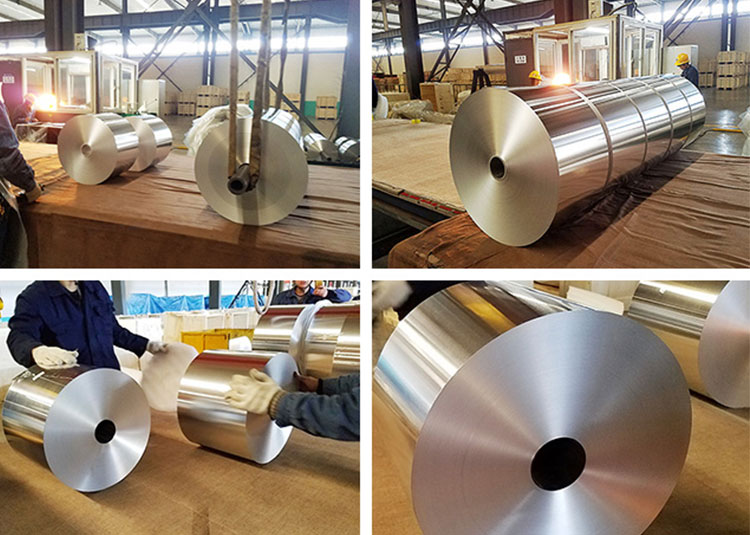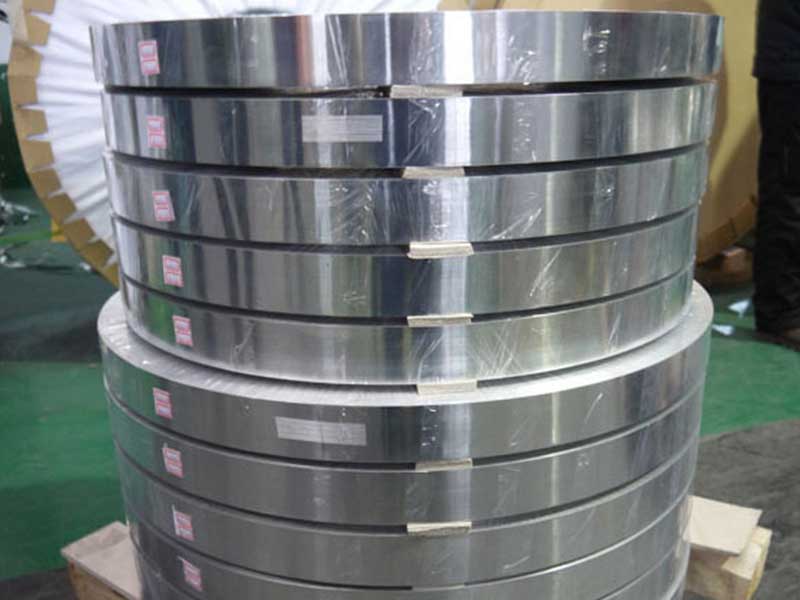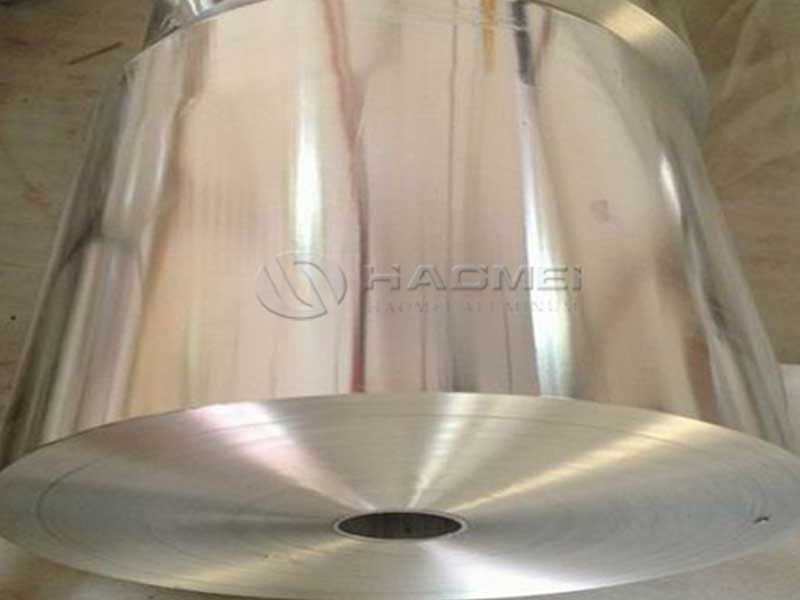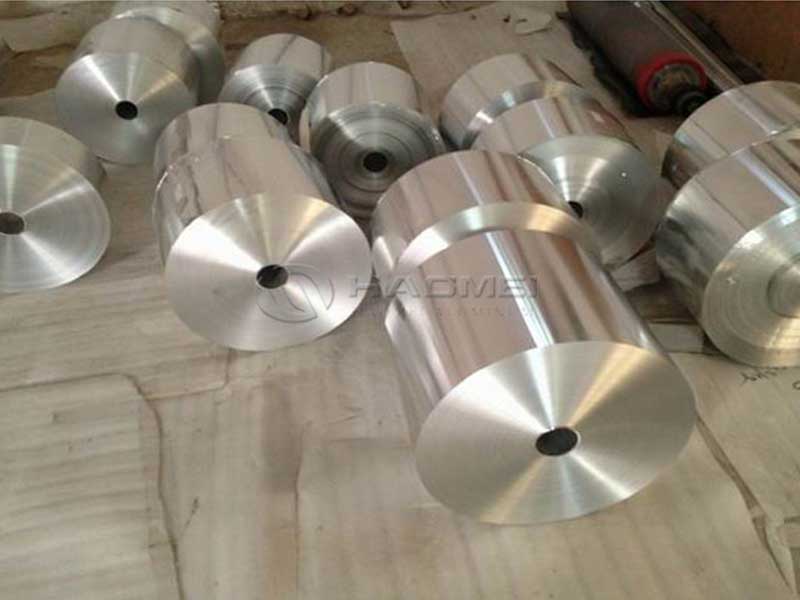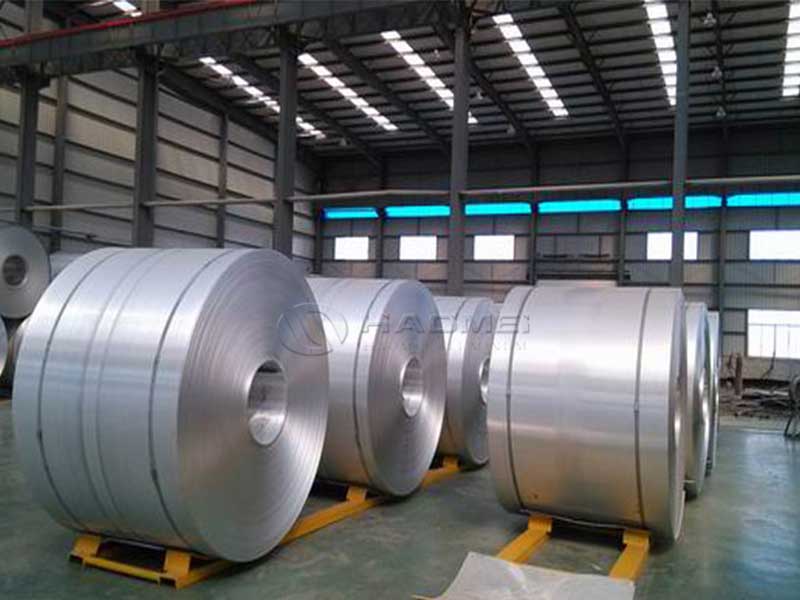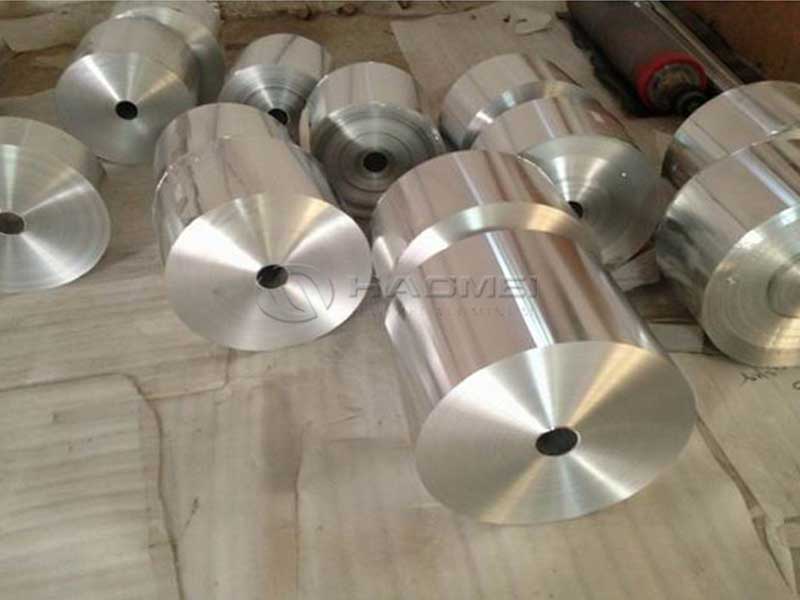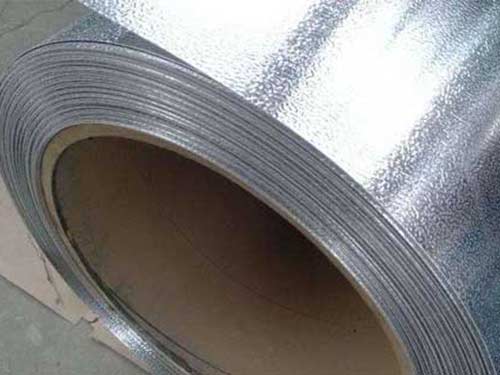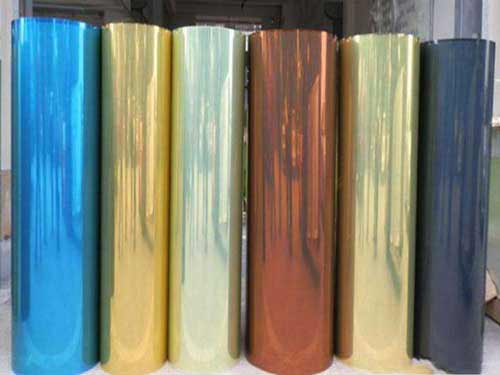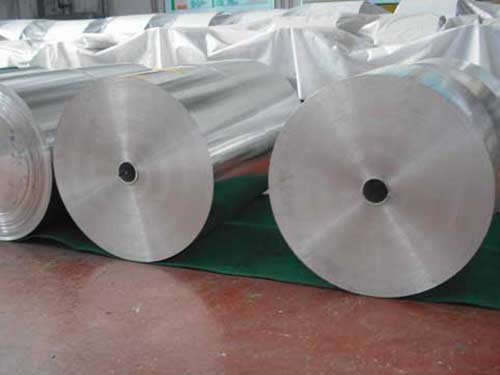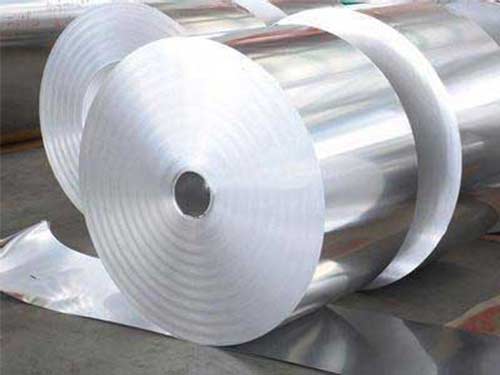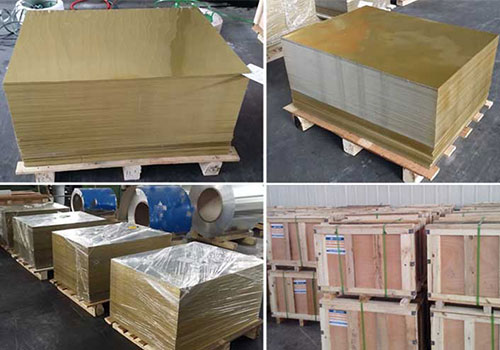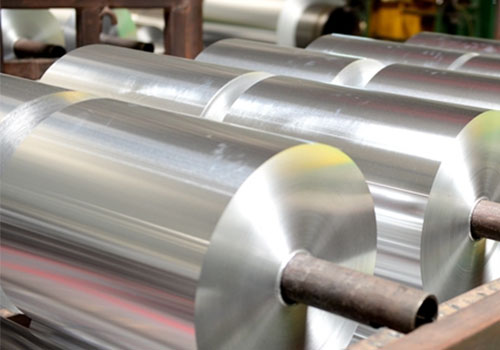
In modern communication cables, signal integrity is constantly challenged by electromagnetic interference (EMI), electrostatic noise, moisture ingress, and installation abuse. Double sided cable aluminum foil with PET/PE lamination is a purpose-built shielding and barrier material that addresses these risks in a single engineered structure: conductive aluminum for shielding, PET for mechanical stability, and PE for sealing/compatibility with cable cores and jacketing systems. The result is a reliable, high-speed-ready shielding laminate used across telecom, data, industrial control, and specialized coax or multi-pair designs.
What the Product Is (Structure & Function)
Double sided cable aluminum foil with PET/PE lamination is a laminated composite consisting of:
- Aluminum foil (Al) as the primary EMI shielding and vapor barrier layer
- PET (polyester) film laminated to improve tensile strength, puncture resistance, and processing stability
- PE (polyethylene) layer (often heat-sealable) to enhance moisture resistance and promote bonding or compatibility with cable compounds and sheath systems
- Double sided conductive design typically means the aluminum surfaces are engineered to enable stable electrical contact in cable constructions where shielding continuity is essential (e.g., with drain wires, overlap wraps, or grounding schemes)
In practical cable manufacturing, this laminate is applied by longitudinal wrap or helical wrap around pairs, quads, or the full cable core.
Features at a Glance
| Feature | What It Delivers | Why It Matters in Cables |
|---|---|---|
| Double sided shielding behavior | Stable electrical path for grounding/continuity | Reduces EMI coupling and improves shielding consistency |
| PET reinforcement | Higher tensile strength and tear resistance | Faster line speeds, fewer breaks, better handling |
| PE lamination | Moisture barrier + sealing compatibility | Improved water resistance and long-term insulation stability |
| Low, consistent thickness | Predictable wrap diameter and overlap | Helps impedance control and uniform cable geometry |
| Corrosion-aware design | Better durability in typical cable environments | Extends service life in humid, mixed-material assemblies |
Typical Technical Specifications (Customizable)
The following values represent common industry ranges. Final specifications can be tailored to cable type, shielding class, and process requirements.
Laminate Construction Options
| Parameter | Typical Range / Options |
|---|---|
| Aluminum foil thickness | 7–30 μm (common: 9–25 μm) |
| PET thickness | 6–25 μm (common: 12–16 μm) |
| PE thickness | 10–40 μm (common: 15–30 μm) |
| Total thickness | ~30–90 μm (depends on stack-up) |
| Width | 10–1250 mm (slit to customer requirement) |
| Core ID | 76 mm / 152 mm (common) |
| Roll length | Depends on thickness and width (typically 5–30 km equivalent) |
| Surface | Bright / matte options, treated for lamination performance |
| Application method | Longitudinal or helical wrapping |
Mechanical & Physical Performance (Typical Targets)
| Property | Typical Value | Notes |
|---|---|---|
| Tensile strength (MD) | ≥ 80–150 MPa (laminate-dependent) | PET contributes significantly |
| Elongation (MD) | 3–12% | Balanced to avoid necking |
| Tear resistance | Improved vs. bare foil | PET arrests crack propagation |
| Pinholes (Al foil) | Controlled to low level | Important for moisture barrier performance |
| Heat seal / bonding behavior (PE side) | Tuned to process window | Supports stable overlap sealing when required |
Note: Actual test methods (e.g., ASTM/ISO) and acceptance criteria should match the cable standard and the manufacturer's QA plan.
Aluminum Foil Material: Chemical Composition (Typical)
For cable shielding foil, manufacturers commonly use high-purity aluminum such as AA 1235 or related foil-grade alloys to achieve excellent formability and conductivity. A representative composition is shown below (values vary by alloy and supplier).
| Element | Typical Content (wt.%) | Role / Impact |
|---|---|---|
| Al | ≥ 99.35 | High conductivity, good corrosion behavior |
| Fe | ≤ 0.65 | Strength control; excessive Fe can reduce ductility |
| Si | ≤ 0.10 | Helps control rolling behavior; kept low for ductility |
| Cu | ≤ 0.05 | Conductivity/corrosion sensitivity; typically low |
| Mn | ≤ 0.05 | Minor strengthening |
| Mg | ≤ 0.05 | Minor; generally low for foil grades |
| Zn | ≤ 0.10 | Kept low to maintain corrosion stability |
| Ti + others | ≤ 0.03 each | Grain control/minor impurities |
Electrical Shielding Performance (What Customers Care About)
The shielding effectiveness of a wrapped aluminum laminate depends on foil conductivity + coverage + overlap + grounding strategy (often via drain wire or bonded shield).
| Shielding Factor | Practical Effect | Recommendation |
|---|---|---|
| Foil conductivity | Better attenuation of electric-field interference | Use high-purity Al foil; ensure clean contact points |
| Wrap overlap | Prevents gaps that leak EMI | Specify overlap design (e.g., 10–25%) based on cable OD |
| Shield continuity | Stable grounding along cable length | Ensure consistent contact with drain wire/ground path |
| Lamination integrity | Avoids delamination during flexing | Match adhesive/lamination to temperature & bend cycles |
In high-frequency data cables, the laminate's uniformity helps maintain consistent geometry, supporting stable electrical performance indirectly (less deformation during processing and service).
Moisture & Environmental Benefits
Moisture ingress is a major cause of long-term attenuation drift and insulation degradation in communication cables. This laminate helps by combining:
- Aluminum as a strong vapor barrier
- PE as an additional moisture-resistant layer and sealing medium
- PET as a mechanical buffer that protects the foil from micro-cracks during installation
Environmental Resistance Snapshot (Typical Expectations)
| Risk | How the Laminate Helps | Where It's Valuable |
|---|---|---|
| Humidity exposure | Al + PE slows diffusion | Outdoor telecom, industrial sites |
| Handling abrasion | PET improves toughness | High-speed wrapping lines, tight bends |
| Long-term stability | Reduced foil cracking/delamination | Long service life cable routes |
| Temperature variation | Layered design stabilizes structure | Ducts, risers, mixed indoor/outdoor |
Applications & Use Cases
This product is commonly selected anywhere a cable must remain stable against EMI and environmental noise.
Common Cable Types
| Cable Type | Typical Role of the Laminate |
|---|---|
| LAN / data cables (shielded) | Pair or overall shielding to reduce EMI and crosstalk sensitivity |
| Telecom multi-pair cables | Core wrap shielding + moisture barrier |
| Coaxial and hybrid signal cables | Additional shielding layer and mechanical support |
| Industrial control & instrumentation | Noise suppression around sensitive signal cores |
| Audio/video & security cabling | Shielding for clean signal transmission |
Best-Fit Scenarios
- High-interference environments: near motors, inverters, switchgear, elevators
- Long cable runs: where cumulative interference and moisture risk increase
- Tight installation conditions: where PET reinforcement reduces wrap damage
- Grounding-critical designs: where consistent shield contact matters
Manufacturing & Processing Advantages (For Cable Producers)
Beyond performance in service, this laminate is engineered to run smoothly on modern cable lines:
| Manufacturing Need | Benefit of PET/PE Laminated Al Foil |
|---|---|
| Stable tension at line speed | PET reduces foil tearing and edge cracking |
| Predictable forming and overlap | Controlled thickness and stiffness |
| Reduced scrap | Improved handling robustness vs. bare foil |
| Compatibility with sealing/bonding | PE layer supports process-friendly sealing behavior |
How to Specify the Right Product (Customer Checklist)
When ordering, these parameters ensure the laminate matches your cable design and production method:
| Selection Item | What to Define |
|---|---|
| Stack-up | Al/PET/PE thicknesses and layer orientation |
| Shielding requirement | Overall shield vs. pair shield; overlap target |
| Bonding/sealing requirement | PE sealability and temperature window |
| Width and slit tolerance | Matched to cable OD and wrap method |
| Surface requirements | Matte/bright, treatment level, cleanliness |
| Packaging | Roll OD limits, core ID, spool type, labeling |
Double sided cable aluminum foil with PET/PE lamination delivers a well-balanced combination of signal protection, moisture resistance, and mechanical robustness. It strengthens cable shielding reliability without the processing fragility of bare foil, supports modern high-speed and low-noise cable needs, and helps extend service life in demanding environments.