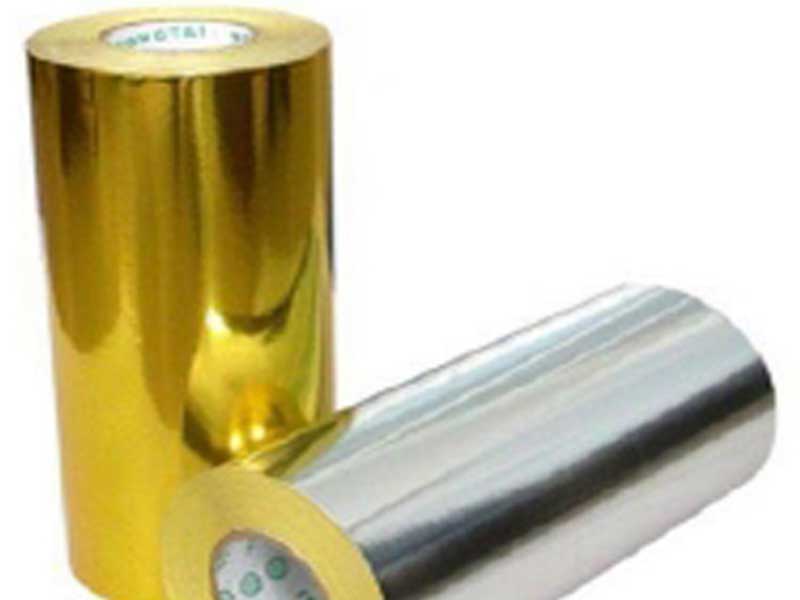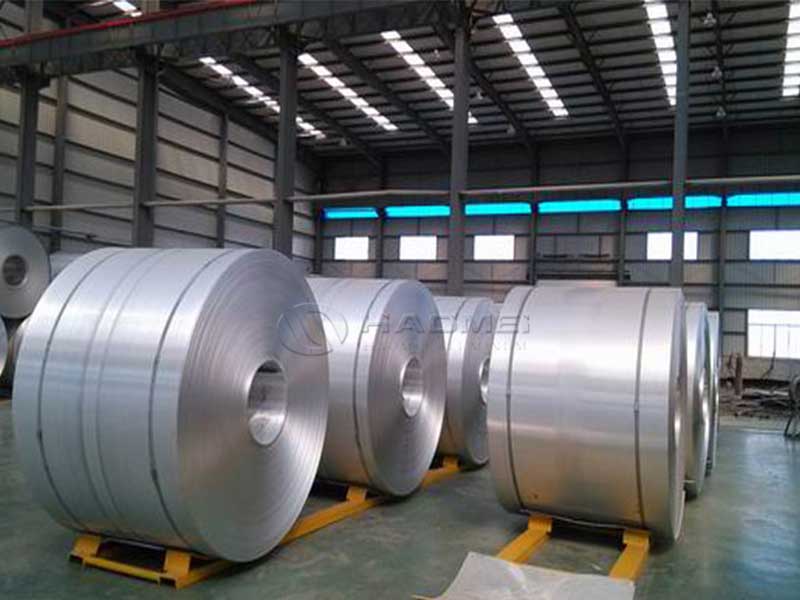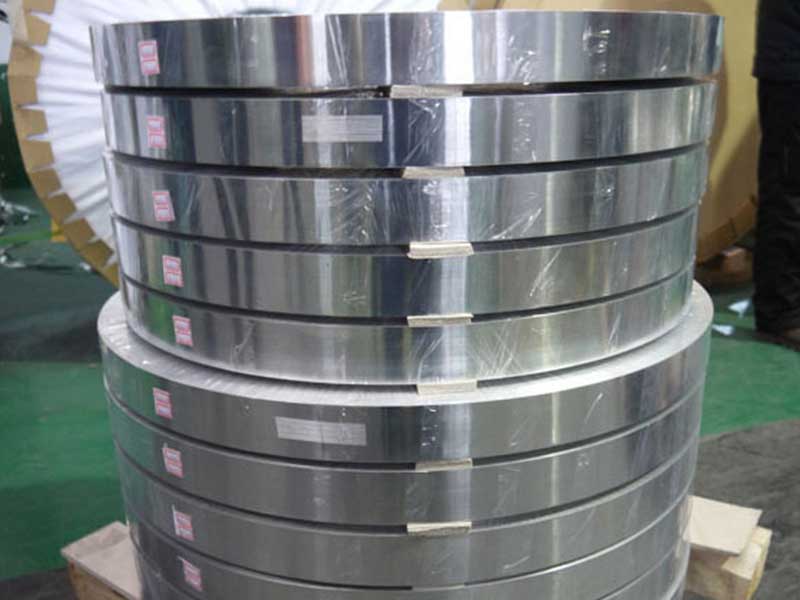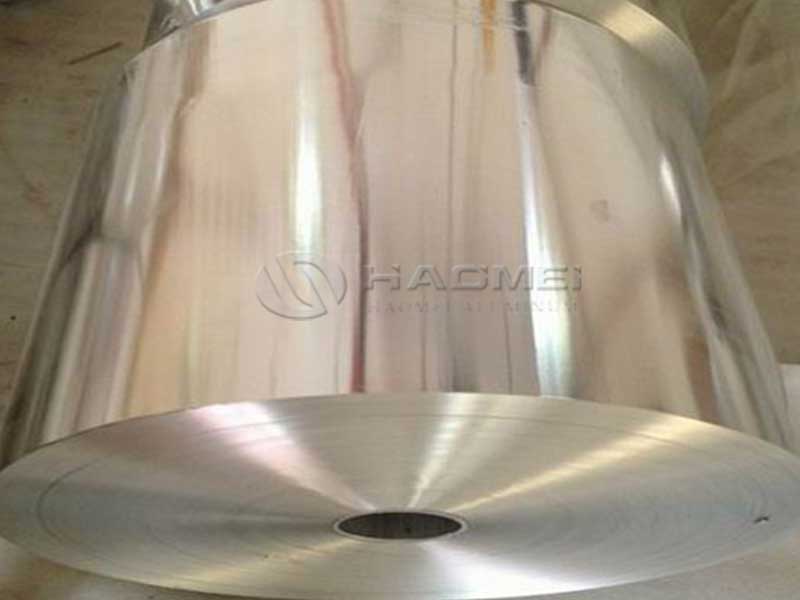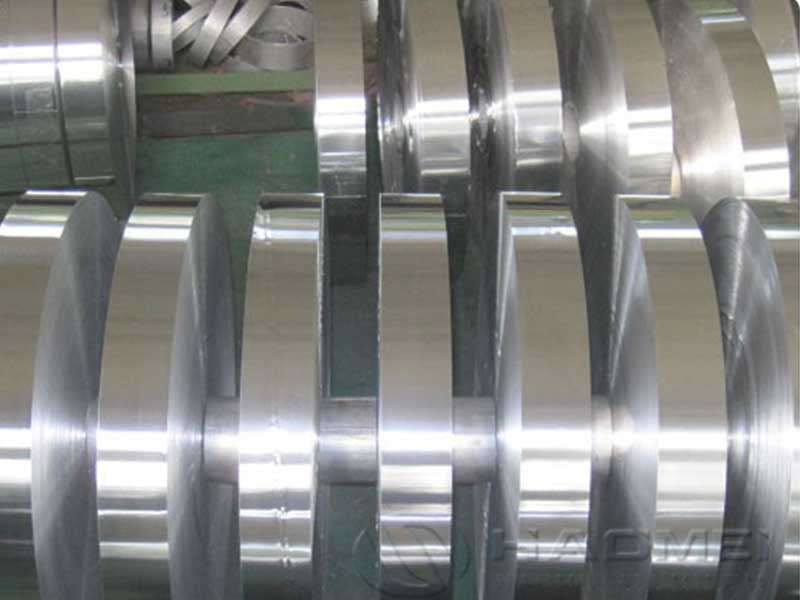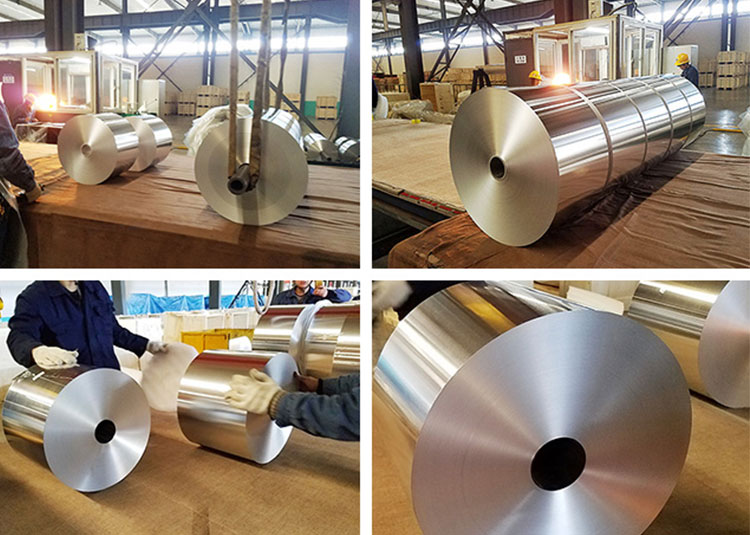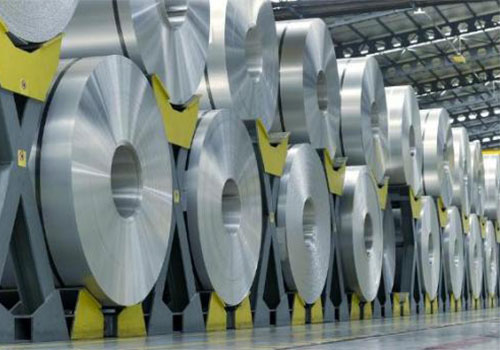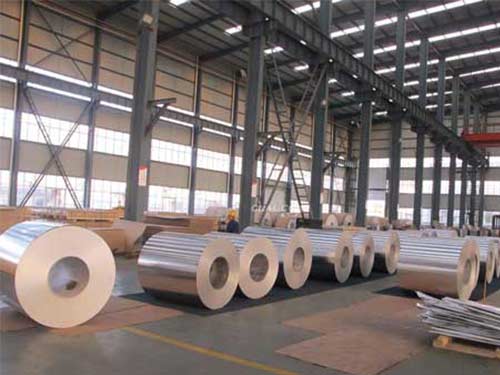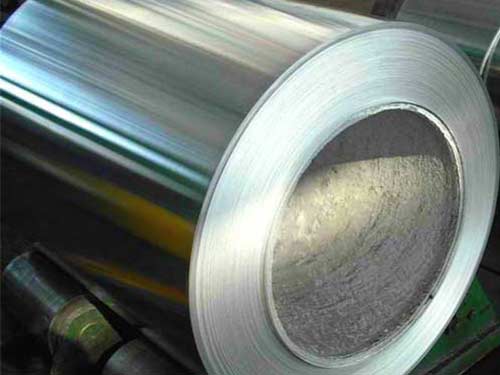

Bulk aluminum foil jumbo rolls are the backbone material for high-throughput food packaging, disposable containers, lids, wraps, and laminates. Delivered in large, mill-finished coils, jumbo rolls are designed for efficient slitting, rewinding, embossing, lacquering, and converting-helping packaging producers reduce changeovers, stabilize quality, and control total cost per pack.
What Is a Jumbo Roll (and Why It Matters)
A jumbo roll is a large master coil of aluminum foil-typically produced by double-rolling and finished to tight thickness and surface requirements. Converters process jumbo rolls into:
- Household and catering foil
- Food container stock (trays, pans, takeaway boxes)
- Lidding foil (heat-seal lids for dairy, ready meals, cups)
- Laminated structures (paper/foil or film/foil for sachets, pouches, wraps)
- Insulation-facing and barrier layers (when food-grade and appropriate)
Why bulk jumbo rolls are preferred: fewer roll changes, more stable tension control, consistent surface quality over long runs, and better yield when slitting to multiple widths.
Features at a Glance
1) Outstanding Barrier Protection
Aluminum foil is an essentially total barrier to light, oxygen, moisture, odors, and many contaminants. In food packaging, this translates directly to longer shelf life, aroma preservation, and reduced oxidation.
2) Heat Resistance & Thermal Conductivity
Foil tolerates baking, reheating, and freezing cycles, while its thermal conductivity supports even heat transfer-especially valuable for food containers and ovenable trays (when used correctly with suitable design and consumer instructions).
3) Formability for Containers
For semi-rigid and rigid containers, the foil must withstand drawing, flanging, and beading without excessive tearing. The correct temper and controlled grain structure improve drawability and edge integrity.
4) Food-Contact Safety & Cleanliness
Food-grade foil jumbo rolls are produced under controlled conditions with attention to rolling oils, surface cleanliness, and compatibility with coatings/adhesives used in converting.
5) Converter-Friendly Processing
Jumbo rolls are engineered for:
- Stable flatness and winding
- Predictable tensile behavior in high-speed lines
- Excellent slitting performance (low dusting, minimal edge burr)
- Consistent surface energy for lacquering/printing/lamination
Common Alloys and Tempers for Food Packaging Foil
The majority of food packaging foils use 1xxx and 8xxx series alloys, chosen for formability, cleanliness, and mechanical consistency.
Typical Alloy Options (Indicative)
| Alloy | Typical Use | Why It's Used |
|---|---|---|
| 8011 | Containers, household foil, general packaging | Balanced strength/formability; stable processing |
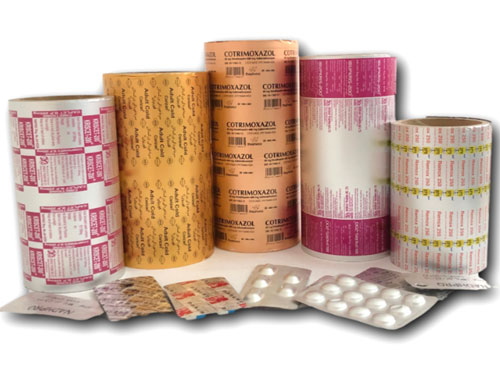
| 8079 | Pharmaceutical & high-barrier packaging, some food lidding/laminates | Very good gauge control and barrier performance at thin gauges |
| 1235 | Household foil, laminates | High purity; good ductility and surface |
| 1050/1060/1070 | Specialty food applications | High purity, high ductility, excellent conductivity |
Note: Final suitability depends on temper, thickness, coating system, forming method, and customer line conditions.
Chemical Composition (Typical Ranges)
Below are typical composition ranges used in food packaging foil. Exact limits vary by standard and supplier agreement.
| Alloy | Al (min) | Si (%) | Fe (%) | Cu (%) | Mn (%) | Mg (%) | Zn (%) | Ti (%) |
|---|---|---|---|---|---|---|---|---|
| 8011 | Balance | 0.50–0.90 | 0.60–1.00 | ≤0.10 | ≤0.20 | ≤0.05 | ≤0.10 | ≤0.08 |
| 8079 | Balance | ≤0.30 | 0.70–1.30 | ≤0.10 | ≤0.10 | ≤0.05 | ≤0.10 | ≤0.08 |
| 1235 | ≥99.35 | ≤0.65 | ≤0.65 | ≤0.05 | ≤0.05 | ≤0.05 | ≤0.10 | ≤0.06 |
Technical Specifications (Typical for Jumbo Rolls)
Specifications are normally customized to end-use (container drawing vs. lamination vs. household foil). The table below shows typical ranges.
| Parameter | Typical Range | Why It Matters |
|---|---|---|
| Thickness | 0.006–0.200 mm (6–200 μm) | Barrier, stiffness, formability, cost |
| Width | 200–1600 mm (custom) | Converter slitting plan, press/tooling width |
| Inner Diameter (ID) | 76 mm / 152 mm (3"/6") | Compatibility with unwind stands |
| Outer Diameter (OD) | Up to ~1200 mm (by agreement) | Run length and handling limits |
| Temper | O (soft), H18/H19 (hard), intermediate tempers | Drawability vs. stiffness and dead-fold |
| Surface Finish | One side bright / matte (double-rolled), or both sides as specified | Printing, sealing, appearance |
| Core Material | Fiber/steel/aluminum core | Winding stability and logistics |
| Joint/Splice | As agreed (often limited) | Avoid downtime and defects |
| Packaging | Moisture-proof + edge protection | Prevent corrosion, telescoping, edge damage |
Mechanical & Functional Performance (Typical Targets)
Performance is strongly affected by temper and gauge. Values below are indicative for common foil tempers.
| Property | Soft Temper (O) | Hard Temper (H18/H19) | Relevance in Food Packaging |
|---|---|---|---|
| Tensile Strength (MPa) | ~60–110 | ~130–200 | Web stability, puncture resistance |
| Elongation (%) | ~4–12 | ~1–3 | Formability for trays/containers |
| Pinhole Tendency | Lower at higher gauge and good process control | Can increase at ultra-thin gauges | Barrier reliability for laminates/lids |
| Dead-Fold | Excellent | Good | Wrap retention, consumer handling |
| Heat Resistance | High (aluminum base) | High | Baking/reheating compatibility |
For deep-drawn containers, converters often prefer soft to medium tempers and carefully controlled rolling/annealing to balance drawability and edge strength.
Choosing the Right Foil: Matching Product to Use Case
A) Food Containers (Trays, Pans, Takeaway Boxes)
What matters most:
- Consistent thickness across width (prevents weak corners and tearing)
- Appropriate temper for drawing and flanging
- Good earing control (helps reduce trim waste and deformation)
- Surface cleanliness for coatings or food contact
Typical gauge band: 30–120 μm (depends on container geometry and stiffness target)
B) Lidding Foil (Heat-Seal Lids)
What matters most:
- Surface quality for coating and printing
- Reliable adhesion of heat-seal lacquer
- Low pinhole rate at thin gauges
- Tight roll build to avoid coating defects
Typical gauge band: 20–50 μm (often coated)
C) Household / Catering Foil
What matters most:
- Dead-fold and tear resistance balance
- Smooth slitting edges
- Clean surface (no odor transfer)
- Stable winding for high-speed rewinding
Typical gauge band: 9–20 μm
D) Laminates (Foil + Paper/Film)
What matters most:
- Surface energy and wetting for adhesive/PE extrusion coating
- Pinhole control (especially at ≤9–12 μm)
- Consistent matte/bright side orientation as required
- Low residual rolling oil to improve bond stability
Productivity & Cost Control
- Longer uninterrupted runs due to larger OD and fewer roll changes
- Improved yield and nesting when slitting multiple widths from a jumbo roll
- Reduced scrap from stable gauge and controlled mechanical behavior
Product Integrity & Shelf-Life
- Excellent barrier reduces oxidation and moisture gain/loss
- Supports aroma retention in coffee, spices, baked goods, and ready meals
- Enhances protection against light-sensitive nutrients and flavors
Premium Presentation
- High-quality metallic appearance for premium packs
- Excellent printability (with proper priming/coating)
- Embossing compatibility for brand differentiation and stiffness tuning
Sustainability & Compliance Advantages
- Aluminum is widely recyclable where collection exists
- Lightweighting is feasible by moving to optimized gauges while maintaining barrier performance
- Compatible with many established food-contact frameworks when produced to applicable standards and handled correctly
Practical Procurement Checklist (What to Specify)
To receive a jumbo roll that runs smoothly on your line, confirm these items in your purchase specification:
| Item to Specify | Example Options |
|---|---|
| Alloy & temper | 8011-O for containers; 8079/1235 for thin laminates |
| Thickness & tolerance | e.g., 0.040 mm ± agreed tolerance |
| Width & camber limits | width per slitting plan; low camber for web tracking |
| Surface requirement | bright/matte side designation; cleanliness level |
| Pinhole class | target pinhole count per area (for thin foil/laminates) |
| Winding direction & tension | converter unwind orientation; consistent roll hardness |
| Splice policy | no splices / limited splices with markings |
| Packaging & storage | moisture barrier wrap; pallet standard; storage humidity control |
Bulk aluminum foil jumbo rolls deliver a combination that is hard to match: near-total barrier protection, excellent heat performance, and converter-friendly processing across container stock, lidding, household foil, and laminates. By selecting the right alloy/temper and locking in specifications-thickness control, cleanliness, winding quality, and pinhole targets-buyers can achieve reliable line performance, strong food protection, and consistent pack aesthetics at scale.