
Anodized Aluminum Sheet in the Kitchen: The "Quiet Surface" That Works Harder Than It Looks
A kitchen is a harsh environment disguised as a cozy one. Heat pulses from burners, steam condenses into moisture, acids splash from lemons and vinegar, salt drifts from seasoning, and cleaning agents cycle across surfaces day after day. In that setting, anodized aluminum sheet stands out for a simple reason: it behaves less like a decorative metal and more like a deliberately engineered skin-lightweight, stable, and designed to resist the kitchen's most common forms of wear.
What makes anodized aluminum sheet especially interesting for kitchen use is that the most important performance upgrade happens at the surface. Anodizing transforms the outer layer of aluminum into a controlled aluminum-oxide structure that is integral to the metal, not a paint or coating that merely sits on top. From a practical perspective, it's the difference between a surface that can chip and peel and a surface that is fundamentally "grown" from the sheet itself.
Why Kitchens Favor Anodized Aluminum Sheet
In a kitchen, you rarely fail a material in one dramatic moment. You fail it through repetition: wiping, scrubbing, splashing, drying, and reheating. Anodized aluminum sheet is used for backsplashes, cabinet panels, appliance trim, kick plates, toe-kicks, drawer fronts, shelf liners, range hood skins, and decorative wall cladding because it balances four needs that typically compete with each other.
It resists corrosion in humid, salty, and mildly acidic conditions, especially compared with bare aluminum. It holds color and sheen far better than many painted finishes under routine cleaning. It remains lightweight, which matters when you're cladding large vertical surfaces or fabricating removable panels. It also dissipates heat efficiently, making it attractive near cooking zones when properly designed and isolated from direct flame.
the Surface: Anodizing as a "Controlled Oxide Architecture"
Aluminum naturally forms an oxide film in air, but it's thin and inconsistent. Anodizing deliberately thickens and structures that oxide layer via an electrochemical process. The resulting aluminum oxide is hard, adherent, and porous at the microscopic level, which is why it can be dyed for color and then sealed to lock in stain resistance.
For kitchen applications, you'll usually see two anodizing families:
Architectural anodizing emphasizes consistency, UV stability, and long-term appearance for visible panels.
Hard anodizing emphasizes maximum abrasion resistance and thickness, often chosen for high-contact or wear zones.
If you're choosing a finish for a busy home kitchen or a commercial prep area, the decision often comes down to how aggressive the cleaning routine is and how "touch-prone" the surface will be. A backsplash behind a sink sees frequent wiping and splashes. A toe-kick takes impacts and scuffs. The anodic thickness and sealing quality matter more there than in a purely decorative wall panel.
Typical Parameters Customers Actually Ask About
Kitchen buyers usually don't speak in microns and tempers at first-they speak in "Will it stain?", "Will fingerprints show?", and "Can I clean it with degreaser?" Those questions translate into technical parameters you can specify up front:
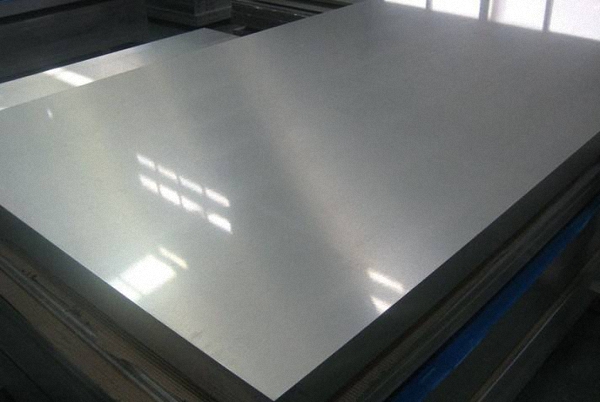
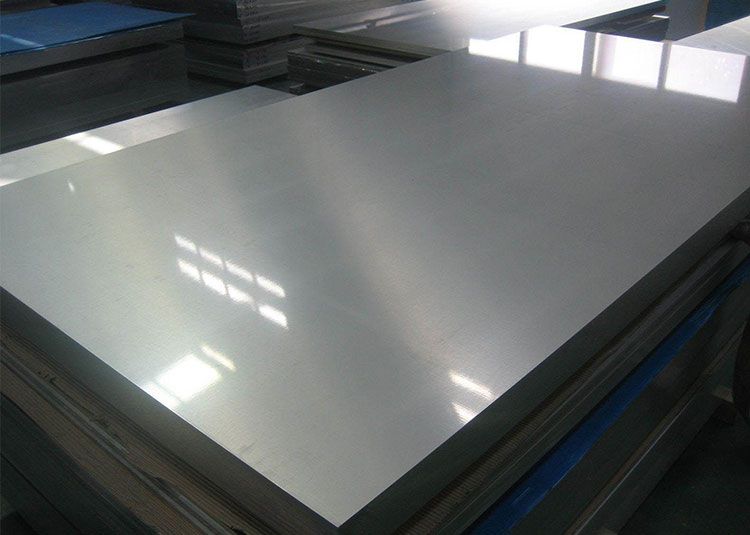
Common sheet thickness for kitchen panels tends to fall in the 0.8–3.0 mm range depending on stiffness needs, flatness expectations, and whether the sheet is bonded to a substrate.
Anodic film thickness is commonly in the 10–25 μm range for decorative and architectural interior use, while harder-wearing surfaces may target 25–50 μm depending on alloy and process. Higher thickness generally improves wear resistance but can slightly shift visual tone.
Surface finish choices include matte, satin, brushed, bright, or bead-blasted textures. Brushed satin tends to hide fingerprints and micro-scratches better than mirror-like finishes.
Color options include natural (silver), champagne, bronze, black, and dyed tones. In kitchens, darker colors may show water spots more readily; mid-tones and satin textures often look cleaner between wipes.
Sealing quality is critical. A well-sealed anodized surface is much more resistant to staining from cooking oils and cleaning chemicals.
Alloy and Temper: What Works Best for Kitchen Anodizing
Not all aluminum alloys anodize the same way. For kitchens, you want a sheet that forms a consistent oxide layer and keeps a stable appearance across panels.
Common kitchen-friendly anodizing alloys include 5000 and 6000 series:
AA5052 is valued for strong corrosion resistance and good formability. It is a favorite for bent panels, wrapped edges, and trim profiles.
AA5005 is widely used in architectural anodizing because it can produce a very uniform, attractive finish, particularly in visible applications.
AA6061 can be used where higher strength is needed, though appearance matching can be more sensitive depending on batch and finishing.
Typical tempers include:
H32 and H34 in 5052 for a strong, formable sheet that can take gentle forming without excessive cracking.
H14/H24 in 5005 for consistent finish and moderate strength.
T6 in 6061 when stiffness is prioritized, though it's less forgiving for tight bends.
If a project involves tight radii, hems, or complex folds, matching the temper to the bend requirement is as important as selecting the alloy. A good anodized panel starts with a good forming plan because anodized layers, while tough, do not like being aggressively deformed after finishing. Many kitchen fabrications are formed first, then anodized, to protect appearance and reduce crazing risk.
Implementation Standards Commonly Referenced
In specification language, anodized aluminum is often aligned with internationally recognized standards:
ISO 7599 covers anodizing of aluminum and its alloys, including general requirements for anodic oxidation coatings.
ASTM B580 is widely referenced for anodic oxide coatings on aluminum, including thickness and quality considerations.
AAMA 611 is commonly used in architectural contexts for anodized aluminum performance expectations, especially where appearance and durability are key.
For kitchens, the most meaningful takeaway is consistency: specify the standard, the anodic thickness range, the finish description, the color, and the sealing requirement. This reduces panel-to-panel variation and helps avoid shade mismatch under mixed lighting.
Chemical Properties Snapshot: Aluminum vs. the Anodic Layer
The kitchen question is chemical reality: how does the surface react to water, salt, acids, and cleaners? The anodized layer is essentially aluminum oxide, which behaves very differently from raw metal.
Below is a simplified chemical property table to clarify what is happening at the surface.
| Property | Aluminum Base Metal (Al) | Anodized Layer (primarily Al₂O₃) | Kitchen-Relevant Meaning |
|---|---|---|---|
| Chemical nature | Metallic | Ceramic-like oxide | Anodizing turns the outer skin into a harder, more inert layer |
| Typical reaction with water | Forms thin native oxide; can pit with chlorides | Stable when sealed; resists moisture ingress | Better performance around sinks and steam |
| Acid sensitivity | Can react with acids; risk of staining/pitting | More resistant, but strong acids can attack | Avoid prolonged contact with strong acidic cleaners |
| Alkali sensitivity | Vulnerable to alkaline cleaners | Strong alkalis can dull/etch oxide | Avoid high-pH oven cleaners on anodized surfaces |
| Corrosion behavior with salt | Risk of pitting in chloride environments | Improved resistance; sealing is key | Salt and brine wipe off without permanent spotting when maintained |
| Surface hardness | Relatively soft | Much harder than aluminum | Better scratch and abrasion resistance on high-touch panels |
| Electrical conductivity | High | Insulating | Useful for certain appliance trim designs; consider grounding strategies in assemblies |
Practical Kitchen Notes: Cleaning, Fingerprints, and Longevity
Anodized aluminum sheet is durable, not indestructible. The best maintenance approach is surprisingly gentle: mild soap, water, and a soft cloth. Abrasive pads can haze the finish over time, particularly on darker dyed anodizing. Strong alkaline cleaners are the fastest way to dull an anodized surface; if a kitchen regularly uses heavy degreasers, choose a finish and sealing quality designed for that cleaning environment.
If fingerprints are a major concern, select a brushed or satin finish rather than bright polish. Texture is a design choice that doubles as a maintenance strategy.
The Unique Advantage: Performance You Don't Have to Babysit
The quiet strength of anodized aluminum sheet in the kitchen is that it does not demand constant attention. It's light enough to redesign with, strong enough to protect what's behind it, and chemically stable enough to tolerate real cooking life. When you specify the right alloy-temper combination and a properly sealed anodic coating to recognized standards, you're not just picking a metal sheet-you're choosing a surface system that stays composed under heat, humidity, and daily cleanup.
For a kitchen that's meant to be used, not merely photographed, anodized aluminum sheet is one of the few finishes that looks intentional on day one and still looks reasonable years later-because its durability is built into the surface, not painted onto it.