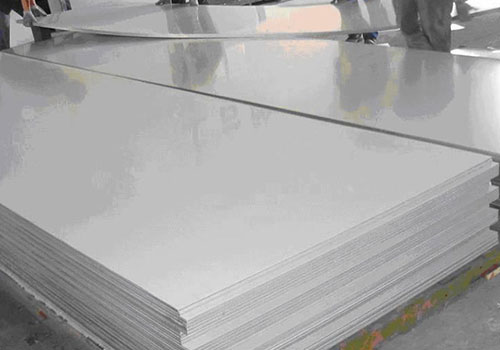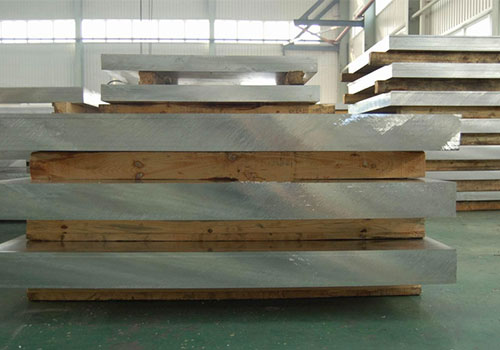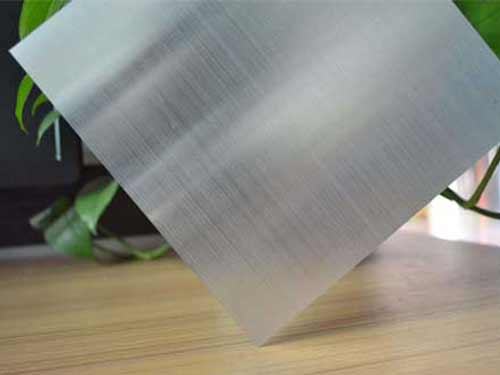

Alloy CC DC 13mm Thickness Aluminium Sheet: A "Process-First" Material for Serious Loads and Clean Finishes
When customers ask for a 13mm aluminium sheet, they're rarely shopping for something "generic." At this thickness, aluminium stops behaving like a thin skin and starts acting like a structural plate that still machines cleanly, resists corrosion, and moves through fabrication without the weight penalty of steel. What makes an Alloy CC DC 13mm thickness aluminium sheet especially practical is that it can be selected from two production routes-CC (Continuous Cast) and DC (Direct Chill cast)-each with a different personality. Thinking in terms of process first (CC vs DC) is a fast way to choose the right sheet for performance, cost, and finish.
What "CC" and "DC" Really Mean for a 13mm Sheet
CC (Continuous Cast) aluminium sheet is produced in a continuous casting line and then rolled to thickness. Its biggest strengths are cost efficiency, stable availability, and good flatness control for many general engineering and industrial applications. CC sheet is widely used where mechanical performance needs to be dependable but not extreme, and where the end-use isn't highly sensitive to ultra-fine grain or premium anodizing appearance.
DC (Direct Chill cast) aluminium sheet starts as a thicker ingot cast in a DC process, then hot-rolled and cold-rolled to final gauge. DC material tends to offer better internal structure uniformity, improved machinability, more consistent mechanical properties through the section, and superior surface/anodizing behavior in many alloys. For 13mm thickness-where machining, drilling, pocketing, and high-quality finishing become more common-DC can feel "cleaner" in fabrication.
In simple terms, 13mm CC sheet is often chosen for efficient, robust fabrication, while 13mm DC sheet is favored when machining quality, premium surface, or performance margin matters.
Why 13mm Thickness Is a Sweet Spot
A 13mm aluminium sheet sits in a useful middle ground: thick enough to hold threads (with inserts or proper design), stiff enough to reduce vibration, yet still far lighter than steel. Common functional advantages at 13mm include:
- Load distribution and stiffness for base plates, machine guards, frames, and transport structures
- Machining stability with less chatter than thin sheet, supporting precision pockets and bores
- Improved dent resistance compared with lighter gauges
- Thermal conductivity for tooling plates, heat spreaders, and industrial fixtures
- Corrosion resistance that reduces coating requirements in many environments
Functions and Applications: Where 13mm Aluminium Works Hard
Because the thickness contributes real stiffness, these sheets frequently appear in:
Industrial equipment and automation
13mm aluminium plate/sheet is common for mounting plates, brackets, machine housings, and structural sub-assemblies. For CNC workholding fixtures, DC route alloys are often preferred due to consistency and machining finish.
Transportation and trailer bodies
For floors, ramps, protective panels, and structural components where weight reduction improves payload. 5xxx alloys are popular for corrosion resistance, especially in marine-adjacent or road-salt environments.
Marine and offshore peripheral structures
Gangways, platforms, and covers benefit from aluminium's corrosion performance. 5083/5754 are classic options, typically DC-cast route for more demanding service.
Tooling, jigs, and precision plates
In manufacturing, 13mm is thick enough for tapped holes, dowel pins, and repeated assembly cycles. 6061/6082 in T6 temper is widely used for rigidity and machinability.
Electrical and thermal management
For busbar backplates, heat spreader panels, and protective enclosures. Here, 1xxx/3xxx series may be selected for conductivity or formability, depending on design.
Alloy Selection: Choosing by "Job Behavior" Instead of Just Strength
Rather than starting with a datasheet number, many buyers make better decisions by matching alloy families to how the sheet must behave in the workshop and in service:
5xxx (Al-Mg) for corrosion-first structures
Common alloys: 5052, 5083, 5754
Best when you need strong corrosion resistance and good weldability. Often used in marine, transport, and chemical environments.
6xxx (Al-Mg-Si) for machining and structural balance
Common alloys: 6061, 6082
A go-to for CNC machining, structural brackets, and components requiring predictable strength and good finishing.
1xxx/3xxx for conductivity and forming
Common alloys: 1050, 1060, 1100, 3003
Used when electrical/thermal performance or forming is more important than high mechanical strength.
Tempering and Condition: What to Specify So You Get What You Expect
For 13mm thickness, the temper drives how the sheet will cut, bend, weld, and hold shape:
- O (Annealed): maximum ductility, easiest forming; lower strength
- H112 / H114: strain-hardened to a controlled level, often used for 5xxx and general plate; good all-round industrial condition
- H32 / H34: stabilized strain-hardened tempers common for 5052/5754 where moderate strength and good formability are needed
- T6: solution heat-treated and artificially aged (typical for 6061/6082); high strength, excellent machining behavior, less formable than O/H tempers
- T651: T6 with stress relief by stretching; reduces distortion during machining, valuable for precision components
If your application includes heavy machining, pockets, or tight flatness after milling, 6061-T651 (DC route) is often a practical "distortion-control" choice.
Implementation Standards and Typical Supply Parameters
A professional specification typically references standards for chemistry, tolerances, and inspection. Commonly used standards in aluminium sheet/plate trade include:
- ASTM B209: Aluminium and aluminium-alloy sheet and plate
- EN 485: Aluminium and aluminium alloys - sheet, strip and plate (mechanical properties, tolerances)
- EN 573: Chemical composition of wrought aluminium alloys
- ISO 6361: Wrought aluminium and aluminium alloy sheets, strips and plates
Typical parameters for 13mm thickness aluminium sheet supply (customizable by mill capability and order quantity):
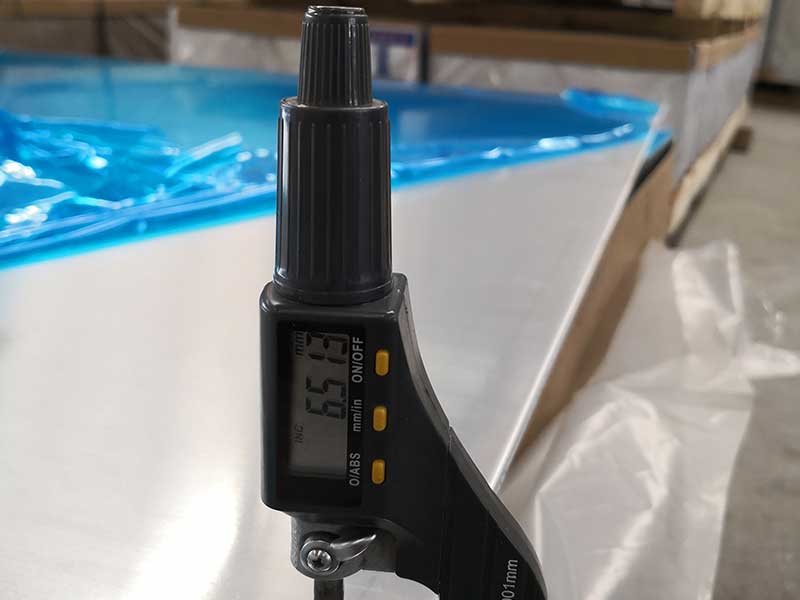
- Thickness: 13.0 mm (tolerance per ASTM B209 or EN 485 as agreed)
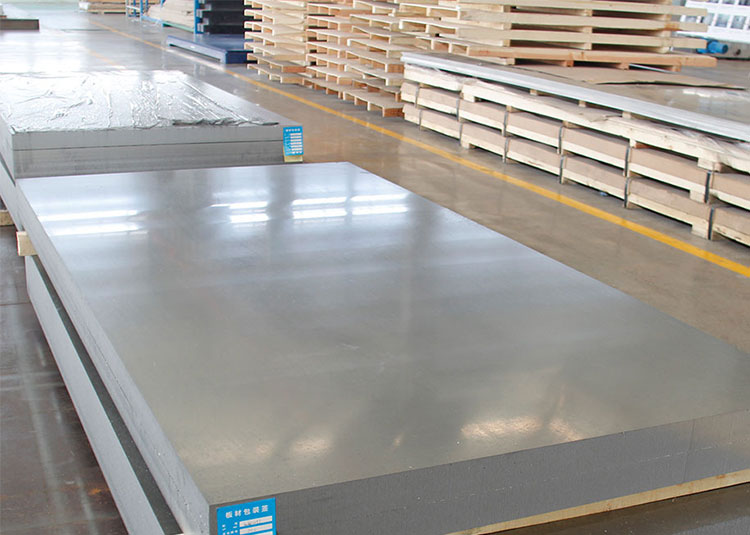
- Width: commonly 1000–2000 mm (custom cut available)
- Length: commonly 2000–6000 mm (or cut-to-size)
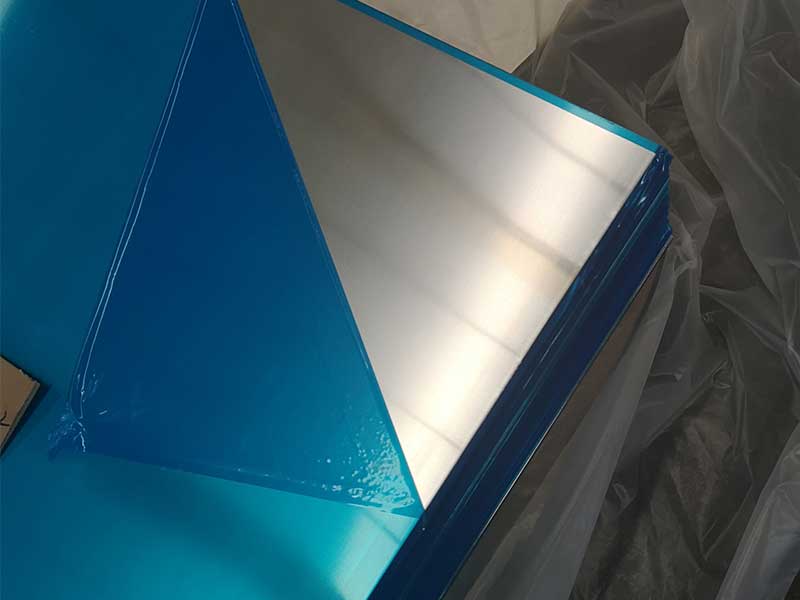
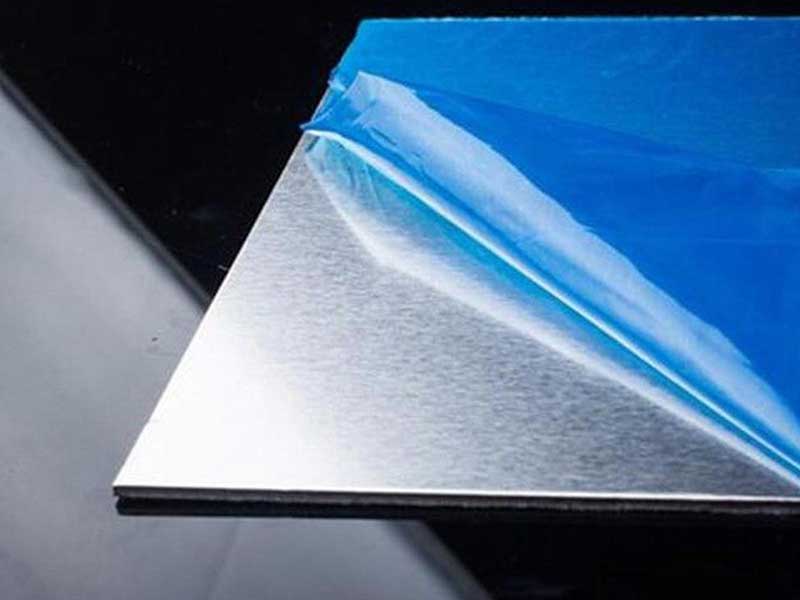
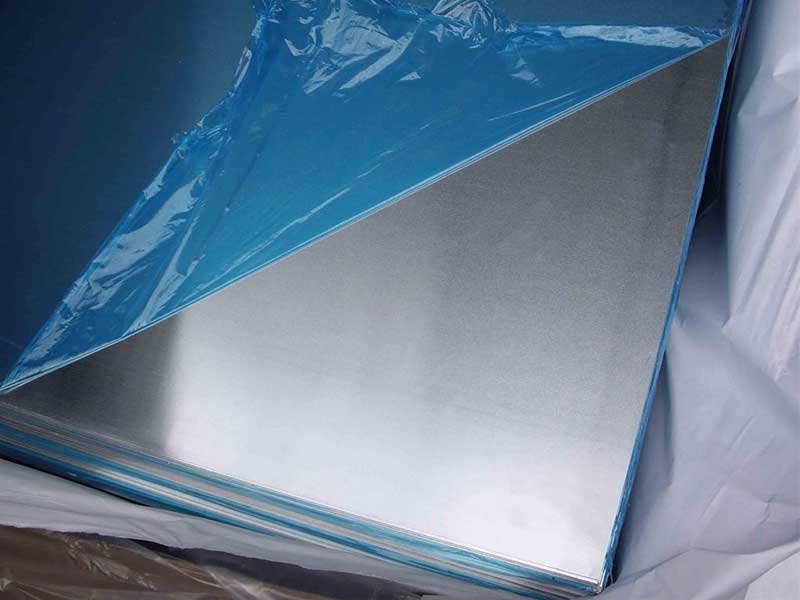
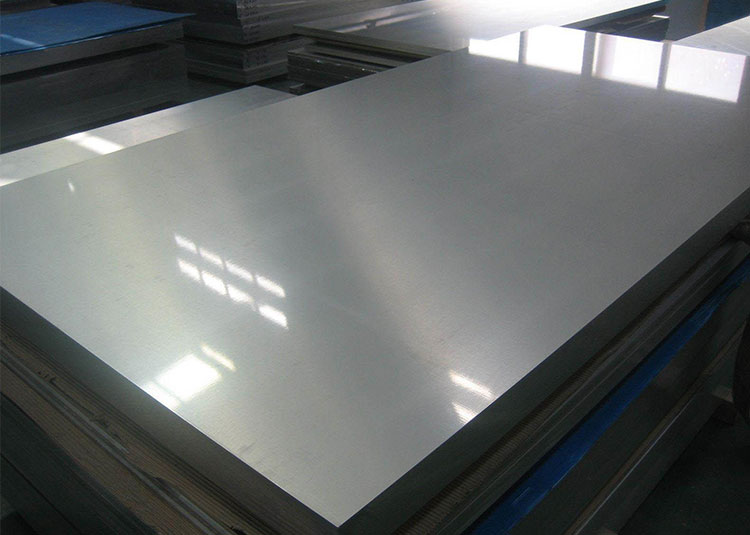
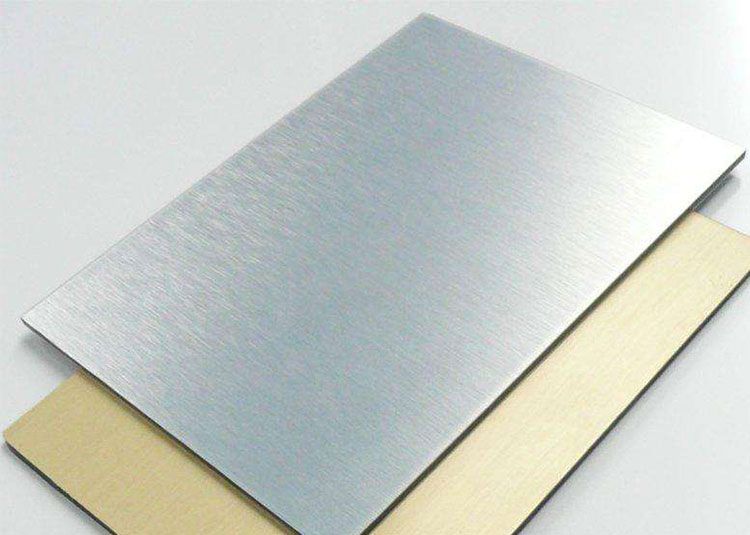
- Surface: mill finish; optional PVC film; optional brushed/anodizing-quality for DC route alloys
- Flatness: standard commercial or precision leveling by agreement
- Inspection: chemical analysis, mechanical test reports, and ultrasonic testing optional for critical uses
Chemical Properties (Typical Composition Table)
Below is a typical chemical composition reference (wt. %) for common alloys used in 13mm sheets. Exact limits depend on the standard (ASTM/EN) and supplier certificate.
| Alloy | Si | Fe | Cu | Mn | Mg | Cr | Zn | Ti | Al |
|---|---|---|---|---|---|---|---|---|---|
| 1050 | ≤0.25 | ≤0.40 | ≤0.05 | ≤0.05 | ≤0.05 | - | ≤0.07 | ≤0.05 | ≥99.5 |
| 3003 | ≤0.60 | ≤0.70 | 0.05–0.20 | 1.0–1.5 | - | - | ≤0.10 | - | Rem. |
| 5052 | ≤0.25 | ≤0.40 | ≤0.10 | ≤0.10 | 2.2–2.8 | 0.15–0.35 | ≤0.10 | - | Rem. |
| 5083 | ≤0.40 | ≤0.40 | ≤0.10 | 0.4–1.0 | 4.0–4.9 | 0.05–0.25 | ≤0.25 | ≤0.15 | Rem. |
| 5754 | ≤0.40 | ≤0.40 | ≤0.10 | ≤0.50 | 2.6–3.6 | ≤0.30 | ≤0.20 | ≤0.15 | Rem. |
| 6061 | 0.4–0.8 | ≤0.70 | 0.15–0.40 | ≤0.15 | 0.8–1.2 | 0.04–0.35 | ≤0.25 | ≤0.15 | Rem. |
| 6082 | 0.7–1.3 | ≤0.50 | ≤0.10 | 0.4–1.0 | 0.6–1.2 | ≤0.25 | ≤0.20 | ≤0.10 | Rem. |
A Distinctive Takeaway: Buy the "Workflow," Not Just the Metal
For a 13mm aluminium sheet, the most reliable way to specify correctly is to imagine the sheet moving through your workflow. If the sheet will be welded and exposed to weather, prioritize a 5xxx alloy in an appropriate H temper. If it will be CNC machined into precision parts, a DC route 6xxx alloy in T651 may save time on rework and distortion. If it's primarily a conductive or formed component, 1xxx/3xxx may be the simplest, most economical solution.