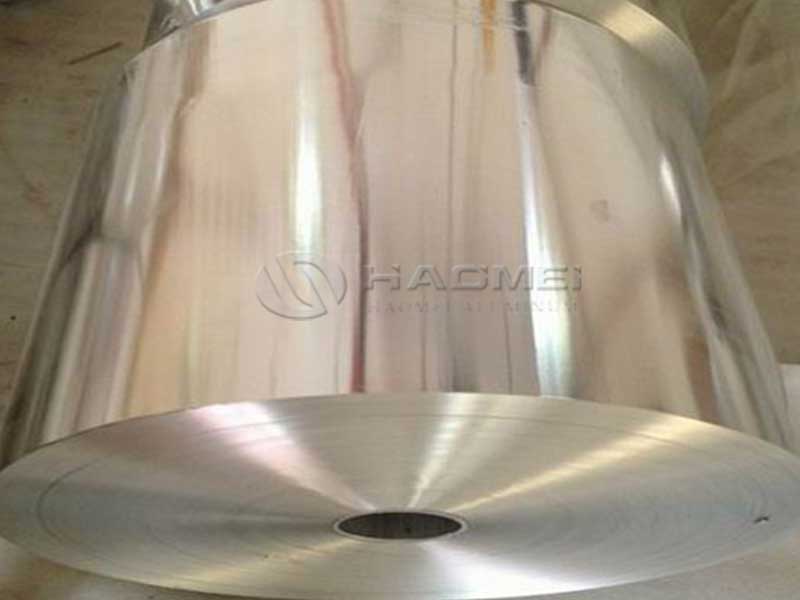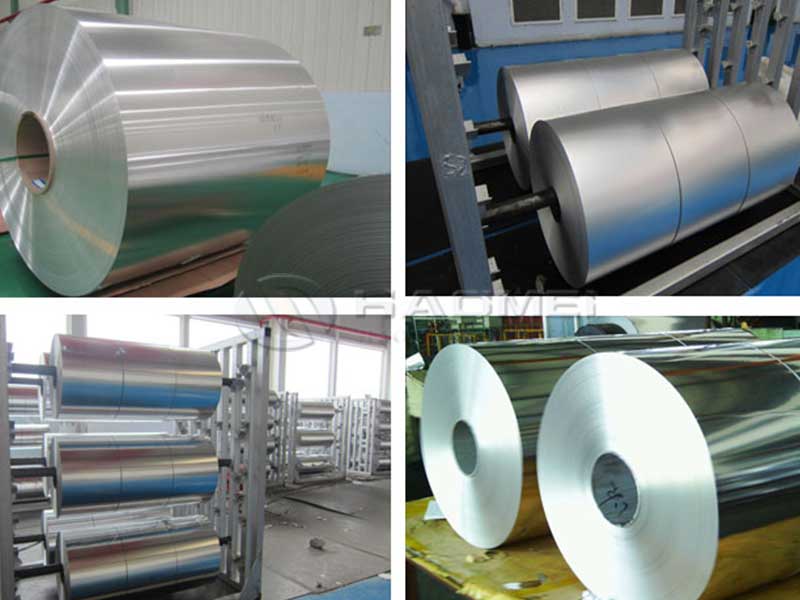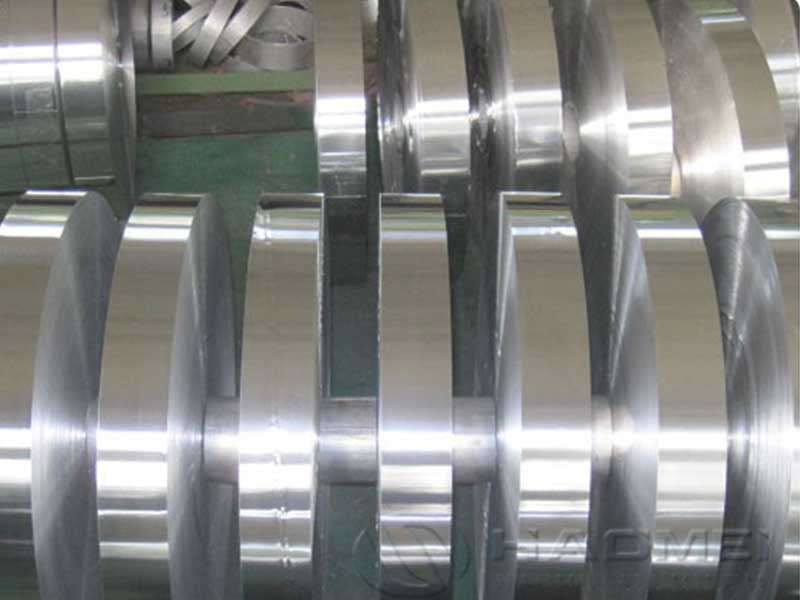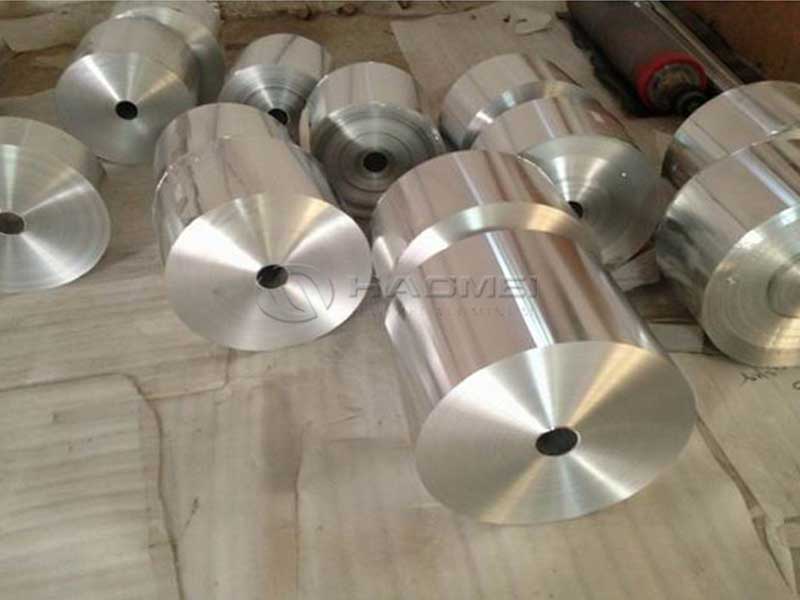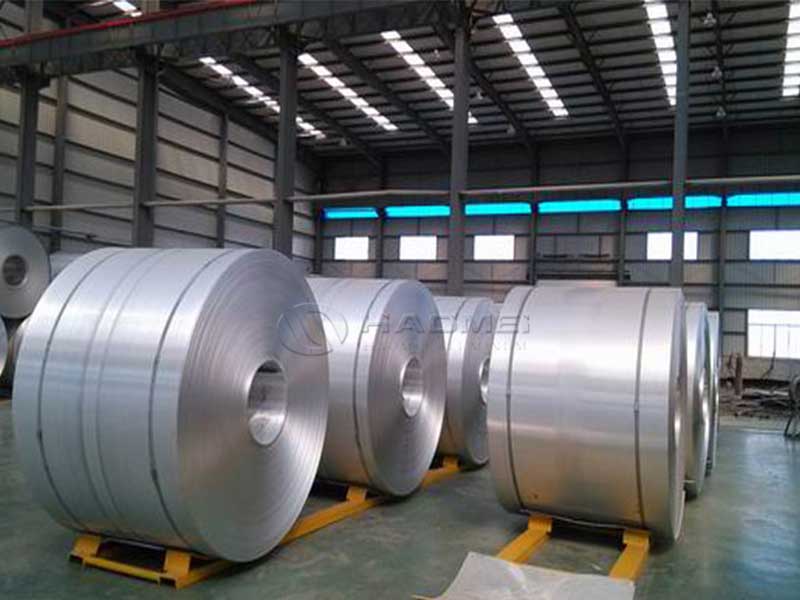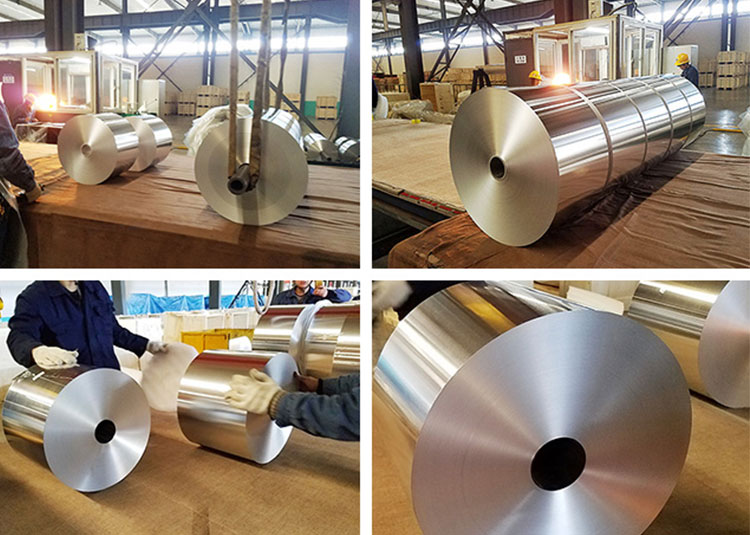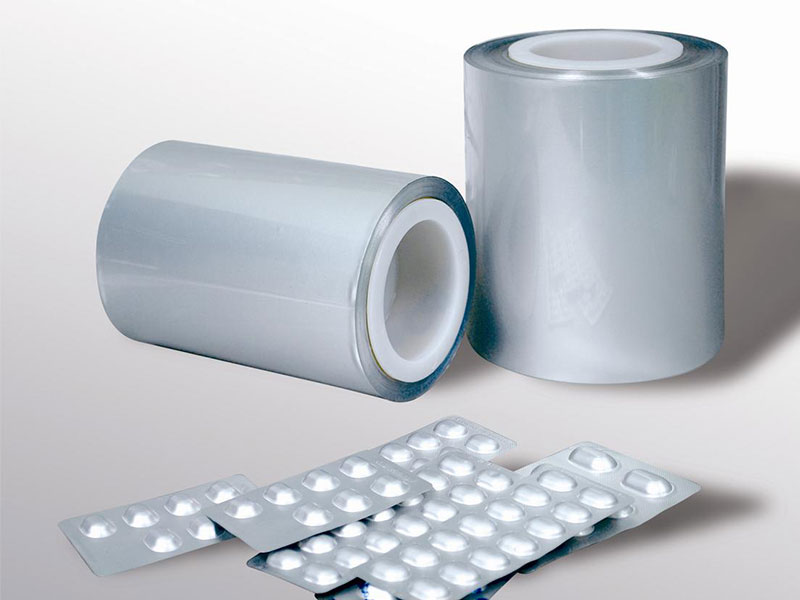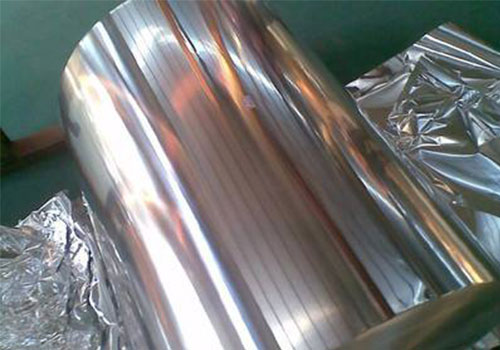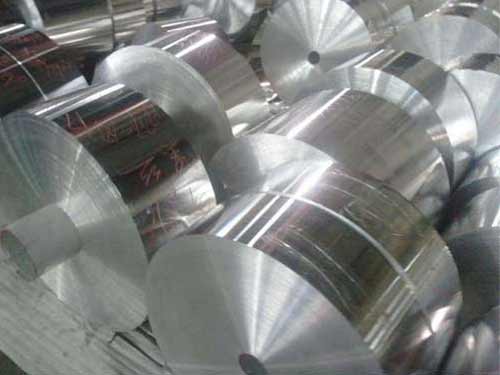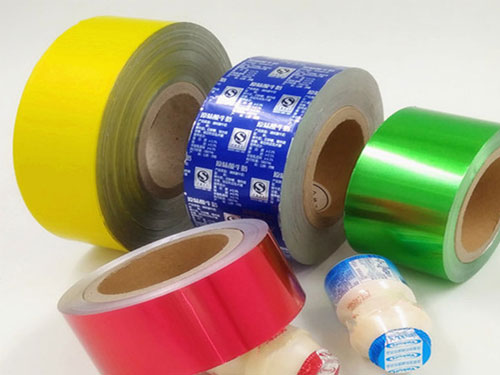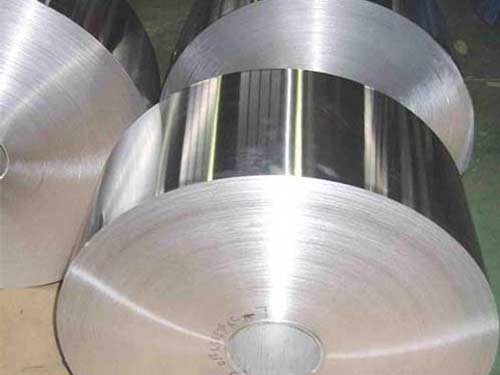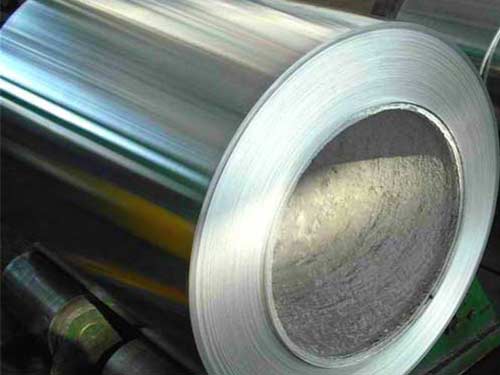

Aluminum has long been a preferred material in automotive and industrial heat exchange due to its excellent thermal conductivity, corrosion resistance, and lightweight properties. Among such products, Plain Aluminum Fin Strips with H22 temper is know as a component in automotive radiators and heat exchanger systems, ensuring efficient heat dissipation, structural integrity, and long-term performance.
Plain Aluminum Fin Strips with H22 Temper
In automotive radiators and heat exchangers, fin strips are flattened, rolled pieces of aluminum designed to attach to tubes. They increase the surface area over which air exchange takes place, enhancing the cooling performance of radiators in vehicles or industrial heat exchangers.
The H22 temper designation refers to an aluminum strip that is strain-hardened to a specific degree (approximately 1/4 hard) and then partially annealed, allowing for a good balance of strength and formability. This temper level is optimal for fin strips that need sufficient mechanical strength to endure manufacturing stresses alongside ease of shaping.
Functions of Aluminum Fin Strips in Radiators and Heat Exchangers
- Enhancing Heat Transfer: By increasing the effective surface area within the heat exchanger, the aluminum fins accelerate heat dissipation from hot fluids (engine coolant, refrigerants) to air.
- Contributing to Weight Reduction: Aluminum replaces heavier metals, aiding lightweight vehicle design, impacting fuel efficiency and emissions.
- Corrosion Resistance: Critical for longevity, aluminum quickly forms a natural oxide layer protecting it from prompt corrosion.
- Mechanical Stability: The H22 temper improves tensile strength without sacrificing the ductility required during fin forming.
Together, such features make plain aluminum fin strips vital for cooling system reliability.
Applications of Plain Aluminum Fin Strips with H22 Temper
- Automotive Radiators: Widely used in cooling sections of car radiators, ensuring efficient engine temperature regulation.
- Automotive Heat Exchangers: Secondary systems such as evaporators, condensers, and heater cores incorporate these fin strips.
- Industrial Heat Exchange Units: HVAC systems, power plant boilers, and industrial cooling units benefit from aluminum fin strips for thermal optimization.
- Other Transportation Vehicles: Aerospace and rail industries adopt such strips where efficient thermal management coupled with lightweight requirements are crucial.
Automotive manufacturers and component producers prefer aluminum for its recyclable and sustainable nature.
Technical Specifications and Implementation Standards
The production and use of aluminum fin strips adhere to standards to guarantee dimensional consistency, material performance, and chemical properties.
| Parameter | Specification |
|---|---|
| Alloy | 1100 or 1199 Al (minimum 99% Al content) |
| Temper | H22 (Quarter hard strain-hardened followed by partial anneal) |
| Typical Thickness Range | 0.06 mm – 0.20 mm |
| Width Range | 5 mm – 100 mm (customizable) |
| Length | Coils or cut strips, per customer requirement |
| Surface Condition | Mill finish / Oil coated / Powder coated (optional) |
| Compliance Standards | ASTM B435, AMS 4015 / JIS H4000 series |
H22 Temper: Meaning and Characteristics
The H22 temper means the aluminum sheet or strip undergoes strain hardening equivalent to about 1/4 hard condition and subsequent stabilizing thermal treatment to partially reduce internal stresses. The goal is to have enough strength to maintain integrity while preserving flexibility during fin corrugation or attaching onto tubes in heat exchangers.
Chemical Composition of Common Aluminum Alloy Used for Fin Strips
Typically, alloys 1100 and 1199 are employed to manufacture fin strips because of their excellent corrosion resistance and high thermal conductivity. Their chemical compositions meet precise criteria below:
| Element | Alloy 1100 (wt. %) | Alloy 1199 (wt. %) |
|---|---|---|
| Aluminum (Al) | 99.00 min | 99.99 min |
| Copper (Cu) | 0.05 max | 0.005 max |
| Iron (Fe) | 0.95 max | 0.001 max |
| Manganese (Mn) | 0.05 max | 0.003 max |
| Silicon (Si) | 0.95 max | 0.001 max |
| Zinc (Zn) | 0.10 max | 0.001 max |
| Titanium (Ti) | 0.03 max | 0.005 max |
| Others | Each max 0.05; Total max 0.15 |
Mechanical Properties of Aluminum Fin Strip in H22 Temper
| Property | Units | Typical Value |
|---|---|---|
| Tensile Strength (Rm) | MPa | 140 – 160 |
| Yield Strength (Rp0.2) | MPa | 110 – 130 |
| Elongation at Break (A50) | % | 2 – 6 |
| Hardness | HV | Approx. 40 – 50 (Vickers) |
| Thermal Conductivity | W/m·K | 220 – 240 |
| Density | g/cm³ | 2.7 |
Advantages of Using Plain Aluminum Fin Strip with H22 Temper
- Optimized Strength and Formability: The H22 temper balances these parameters for smooth manufacturability and structural performance.
- Cost Effectiveness: 1100 and 1199 alloys are economical and suitable for mass production.
- Superior Heat Transfer Efficiency: High thermal conductivity delivers efficient exchange in compact sizes.
- Flexibility in Customization: Available in a variety of configurations to meet tube spacing and design needs.
- Sustainability: Aluminum is recyclable, assisting automotive makers in meeting environmental goals.
Installation and Compatibility
Aluminum fin strips for radiator and heat exchanger cores attach via mechanical or adhesive techniques in conjunction with aluminum or copper tubes/plates. The strips' corrosion resistance is compatible with common coolant chemistries, reducing maintenance frequency.
Proper integration technology can involve:
- Shaping and corrugating for enhanced air turbulence.
- Ultrasonic welding or brazing for strong fastening.
- Coating options to add chemical or environment resistances.