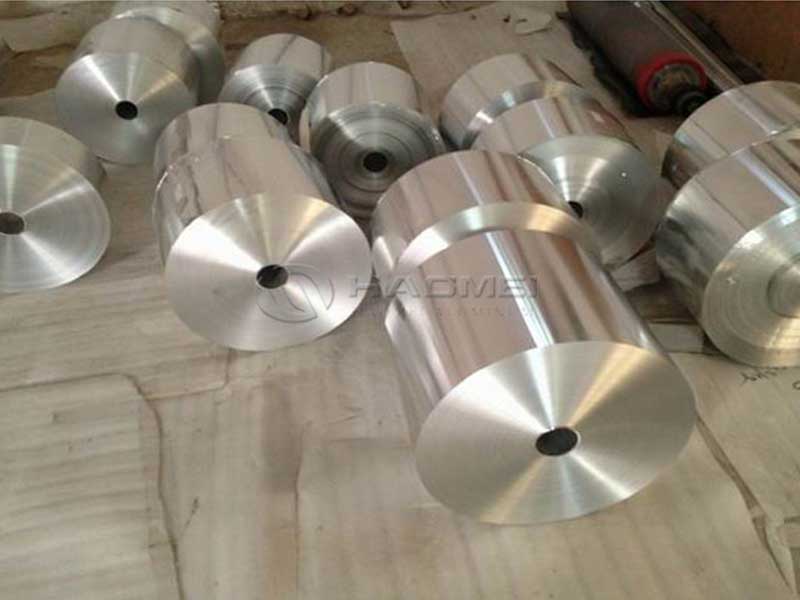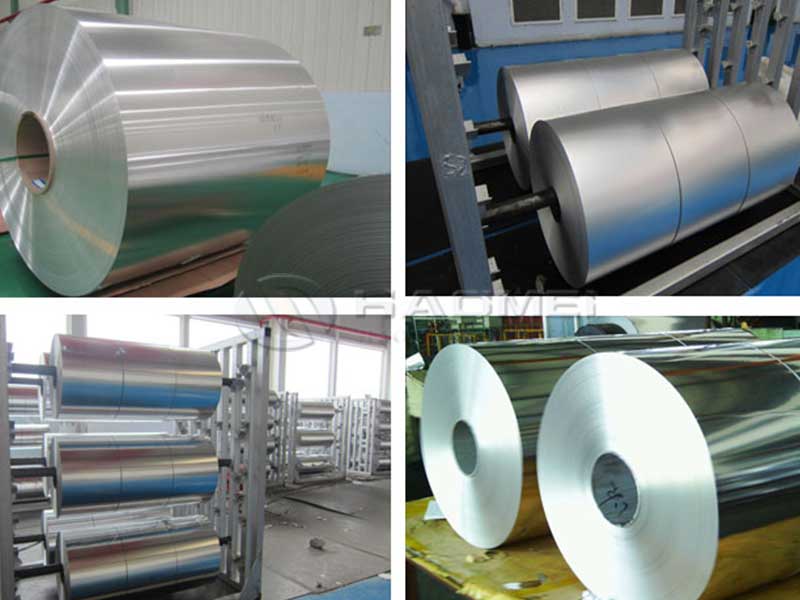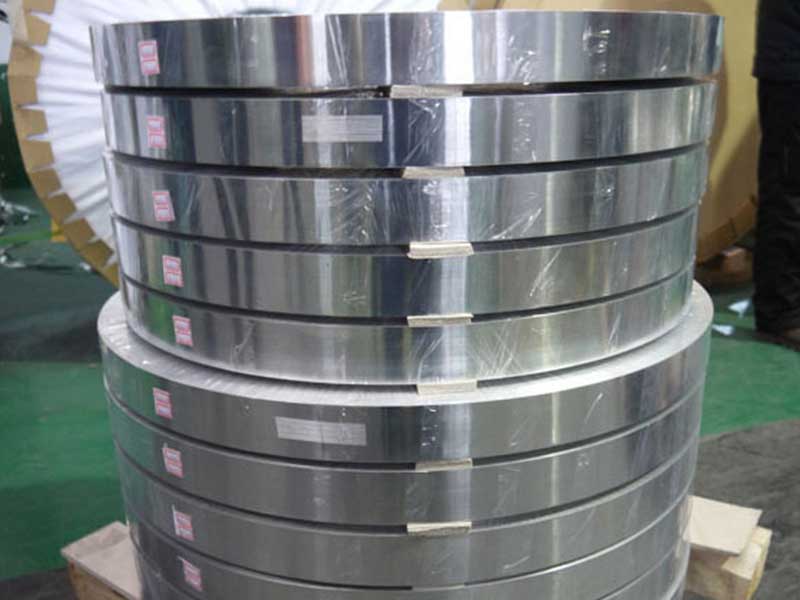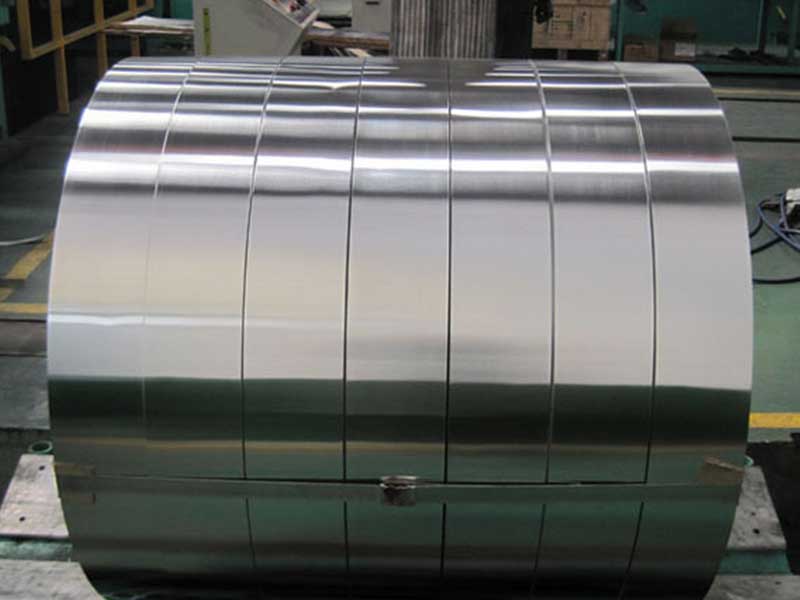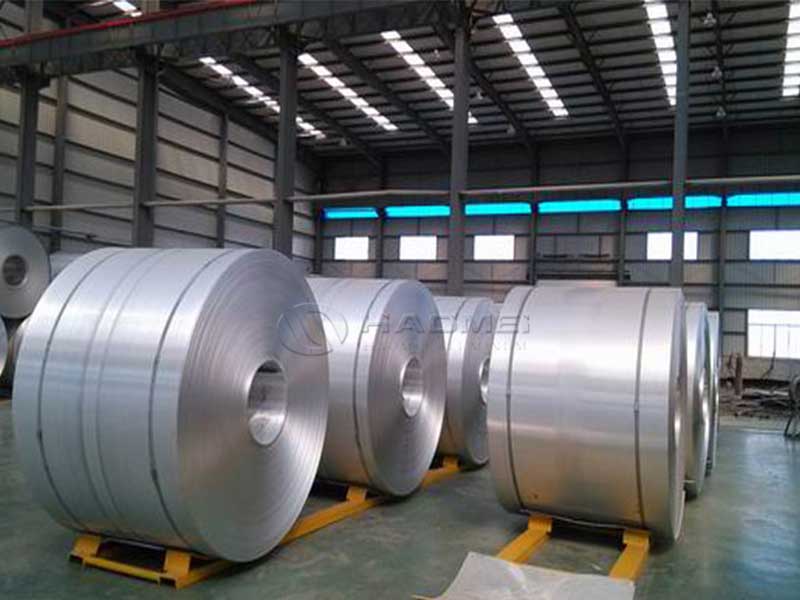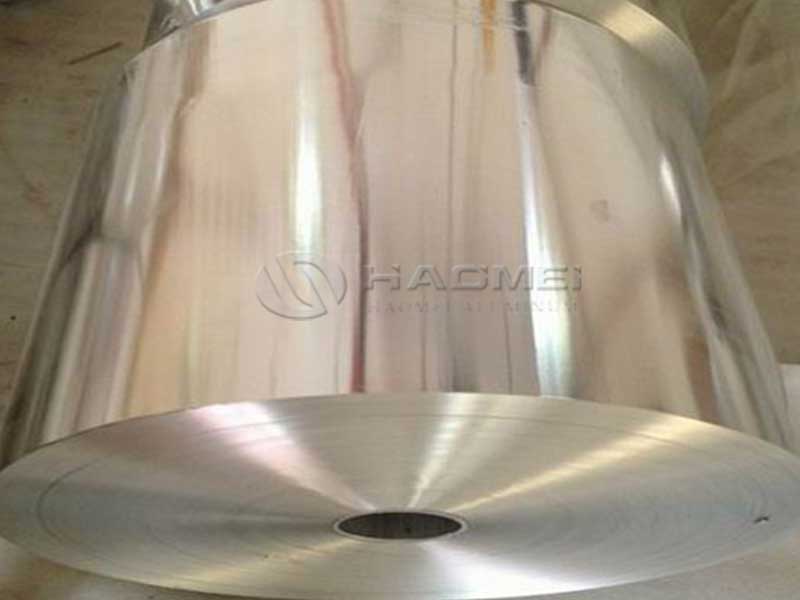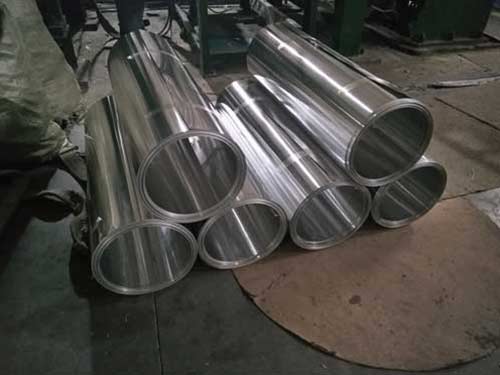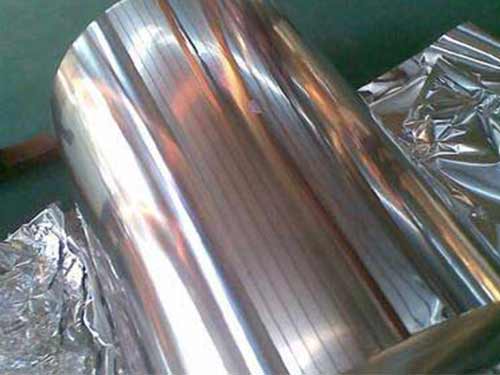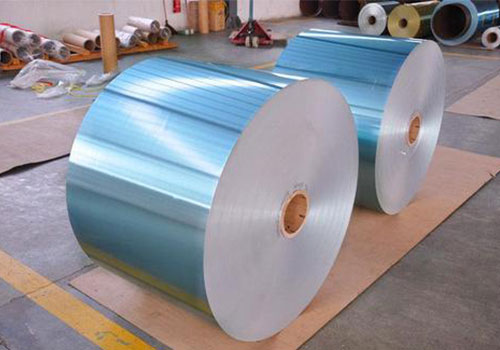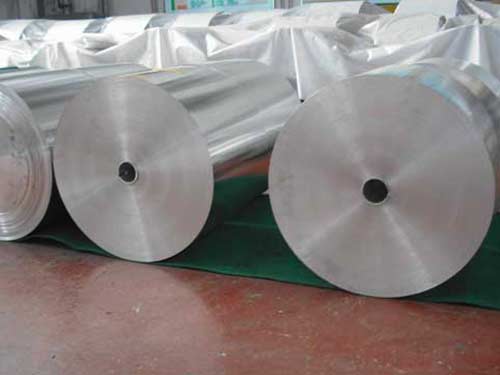

Outdoor power and communication cables operate in harsh environments packed with electrical noise. To keep signals clean and systems reliable, effective electromagnetic interference (EMI) shielding is essential. Plain and laminated cable aluminum foil rolls provide a compact, cost-effective shielding solution tailored for modern outdoor cable constructions.
Plain and laminated cable aluminum foils are thin, high-purity aluminum strips supplied in roll form. They are designed to be helically or longitudinally wrapped around power, control, or data cable cores to:
- Block external electromagnetic and radio-frequency interference
- Minimize crosstalk between pairs and cores
- Provide an additional moisture and gas barrier (especially laminated types)
- Enhance cable mechanical stability and ease of processing
Two main product types are used:
Plain Aluminum Foil
- Single-layer aluminum foil
- Used where EMI shielding is the primary requirement
- Lower cost and excellent electrical conductivity
Laminated Aluminum Foil
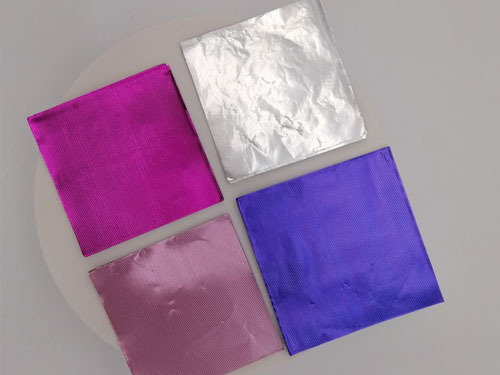
- Aluminum foil laminated with plastic films (typically PET, XLPE, or PE)
- Provides combined shielding + insulation + moisture barrier
- Improved mechanical strength and tear resistance, ideal for outdoor environments
2. Typical Alloy and Chemical Composition
Cable shielding foils commonly use 1xxx or 8xxx series alloys for high conductivity and good formability (e.g., 1050, 1060, 1100, 8011).
Table 1 – Typical Chemical Composition (Representative Values, wt%)
| Alloy Grade | Si (max) | Fe (max) | Cu (max) | Mn (max) | Mg (max) | Zn (max) | Ti (max) | Others (max, each) | Al (min) |
|---|---|---|---|---|---|---|---|---|---|
| 1050 | 0.25 | 0.40 | 0.05 | 0.05 | 0.05 | 0.05 | 0.03 | 0.03 | 99.50 |
| 1060 | 0.25 | 0.35 | 0.05 | 0.03 | 0.03 | 0.05 | 0.03 | 0.03 | 99.60 |
| 1100 | 0.95 | 0.95 | 0.05–0.20 | 0.05 | 0.05 | 0.10 | 0.05 | 0.03 | 99.00 |
| 8011 | 0.50–0.90 | 0.60–1.00 | 0.10 | 0.10 | 0.05 | 0.10 | 0.08 | 0.05 | Balance Al* |
*For 8011, aluminum is the balance after alloying elements.
These alloys offer:
- High electrical conductivity
- Excellent foldability and wrapping performance
- Good resistance to corrosion and oxidation
3. Structure of Plain vs. Laminated Cable Foil
Plain Aluminum Foil Structure:
- Single metallic layer
- Thickness typically 0.015–0.040 mm
- Used alone or combined with separate plastic tapes in cable design
Laminated Aluminum Foil Structure (Typical):
- PET / PE film (outer)
- Adhesive layer
- Aluminum foil (inner, facing conductors)
Table 2 – Typical Layer Combination for Laminated Foil
| Layer Position | Material | Thickness Range (µm) | Function |
|---|---|---|---|
| Outer Layer | PET / PE | 12–25 | Mechanical strength, moisture barrier |
| Adhesive | Special adhesive | 3–8 | Bonding plastic film to aluminum foil |
| Inner Layer | Al Foil | 15–40 | EMI shielding, electrical continuity |
Laminated foils can be customized (e.g., double-sided film, color-coded PET) to match specific cable designs.
4. Technical Specifications
Table 3 – Typical Technical Specifications
| Parameter | Plain Foil Range | Laminated Foil Range |
|---|---|---|
| Alloy Grade | 1050 / 1060 / 1100 / 8011 | 1050 / 1060 / 8011 |
| Temper | O, H18, H24 | O, H18 |
| Aluminum Foil Thickness (mm) | 0.015–0.040 | 0.015–0.035 |
| Total Thickness (mm) | 0.015–0.040 | 0.025–0.080 |
| Width (mm) | 20–1350 | 20–1350 |
| Coil Inner Diameter (mm) | 150 / 200 / 300 | 150 / 200 / 300 |
| Surface Treatment | Mill finish / chemically degreased | Corona-treated film / tailored adhesion |
| Splice Rate | ≤ 1 splice / 3,000–5,000 m | ≤ 1 splice / 3,000–5,000 m |
| Edge Type | Slit, deburred | Slit, deburred |
Exact values are customized according to cable line capability and customer requirements.
5. Mechanical and Physical Performance
5.1 Mechanical Properties
Table 4 – Typical Mechanical Properties of Aluminum Layer
| Property | Alloy 1050-O | Alloy 8011-H18 |
|---|---|---|
| Tensile Strength (MPa) | 60–95 | 120–150 |
| Yield Strength (MPa) | 20–35 | 100–120 |
| Elongation A50 (%) | 15–35 | 2–5 |
| Hardness (HV) | 20–28 | 35–45 |
- Soft temper (O) ensures excellent winding and tight wrapping without cracking.
- H18 temper offers higher strength where mechanical robustness is prioritized.
5.2 Physical and Shielding Properties
Table 5 – Physical and Shielding Parameters
| Parameter | Typical Value / Range |
|---|---|
| Electrical Resistivity of Al (20 °C) | ~0.028–0.030 µΩ·m |
| Surface Conductivity | Very high; suitable for EMI shielding |
| Shielding Effectiveness (SE) | 40–90 dB (1 MHz–1 GHz, design dependent) |
| Operating Temperature Range (foil) | -40 °C to +125 °C (alloy dependent) |
| Operating Temperature (PET lamination) | -40 °C to +105 °C (typical) |
| Water Vapor Transmission (laminated) | Very low; film-dependent |
| Corrosion Resistance | Good, enhanced with plastics barrier |
Shielding effectiveness depends on foil thickness, coverage (overlap), cable geometry, and overall design (e.g., braid + foil combination).
6. EMI Shielding Performance Advantages
Aluminum foil provides a continuous metallic barrier around cable cores, creating a Faraday cage effect that:
- Prevents external EMI/RFI (radio-frequency interference) from entering the cable
- Reduces crosstalk between twisted pairs in multi-core cables
- Improves signal integrity for power-line communication and monitoring systems
In many outdoor cable designs, foil is used in combination with copper braid to achieve broadband shielding:
- Foil blocks high-frequency EMI
- Braid improves low-frequency shielding and mechanical robustness
7. Benefits for Outdoor Power Cable Applications
7.1 Environmental Resistance
- Laminated foils significantly reduce moisture ingress, helping maintain dielectric strength of insulation in damp or buried installations.
- Plastic films protect the aluminum from oxidation, improving long-term stability in coastal and industrial atmospheres.
7.2 Mechanical Robustness
- Enhanced tear resistance and tensile strength with PET or PE film
- Foils withstand repeated bending, pulling, and drum winding during cable production and installation
- Smooth edges and controlled thickness reduce risk of insulation damage during high-speed cable wrapping
7.3 Electrical Reliability
- High conductivity and continuous coverage provide a stable reference shielding layer
- Low contact resistance to drain wires ensures effective grounding of the shield
- Stable performance across wide temperature ranges encountered outdoors
7.4 Process Efficiency for Cable Makers
- Consistent thickness and tight tolerances enable stable tension control on high-speed lines
- Low splice rate maximizes production uptime
- Available in custom widths to minimize waste and improve line efficiency
8. Typical Use Cases
Plain and laminated aluminum foils are widely used in the following outdoor and industrial cable applications:
Table 6 – Representative Applications
| Application Type | Role of Aluminum Foil Shield |
|---|---|
| Medium-Voltage Power Cables | Core or overall shield, moisture barrier |
| Low-Voltage Outdoor Power Cables | EMI suppression, mechanical stability, moisture barrier |
| Control & Instrumentation Cables | Crosstalk reduction, signal integrity in noisy plants |
| Power Line Communication (PLC) | Shielding for data over power lines |
| Renewable Energy Cables (PV, Wind) | EMI protection near inverters and transformers |
| Railway & Metro Signaling Cables | High-reliability shielding in strong EMI corridors |
| Telecom / Data Feeder Cables (Outdoor) | Combined shield and moisture barrier |
For buried, duct, or aerial outdoor installations, laminated foil is often preferred due to its extra mechanical and environmental protection.
9. Customization Options
To align with different cable standards and manufacturing setups, the following parameters can be customized:
- Alloy and Temper: 1050/1060 for maximum conductivity, 8011 for higher strength
- Foil Thickness: Thinner foils for lightweight designs; thicker for enhanced SE and robustness
- Film Type: PET, PE, or special flame-retardant films
- Film Color: Natural, blue, or other colors for quick line identification
- Corona / Primer Treatment: For better adhesion to specific insulation materials
- Roll Dimensions: Tailored width, ID, and OD for your equipment
Plain and laminated cable aluminum foil rolls provide a compact, manufacturable, and cost-effective way to:
- Achieve high EMI/RFI shielding performance
- Protect cable cores against moisture and mechanical damage (laminated type)
- Maintain reliable power and signal transmission in harsh outdoor environments
- Optimize cable production efficiency with consistent quality and low splice rates
For cable manufacturers seeking improved performance in outdoor power and control cables, aluminum shielding foils—especially in laminated constructions—offer a proven, scalable solution that balances electrical performance, durability, and total cost of ownership.