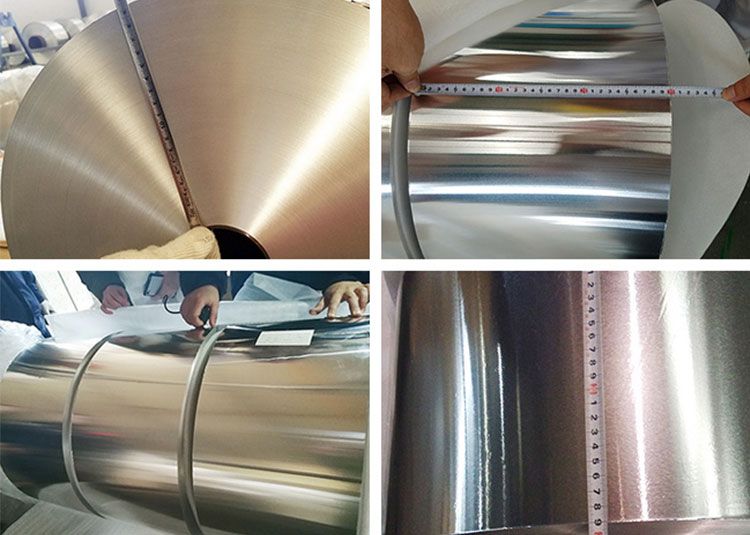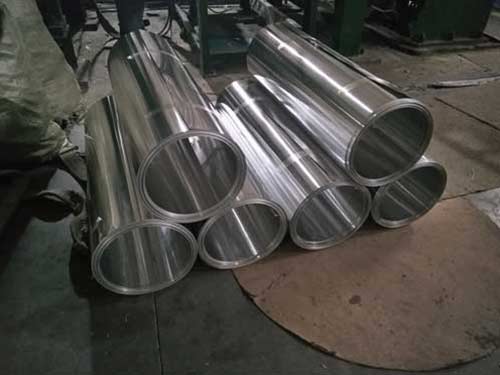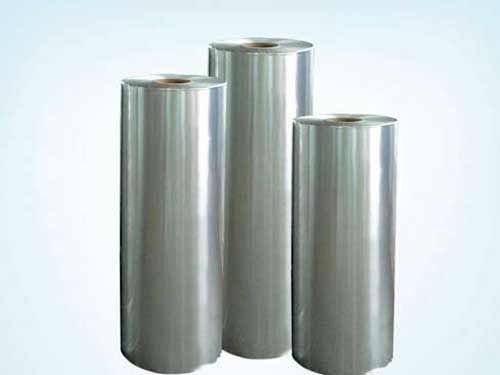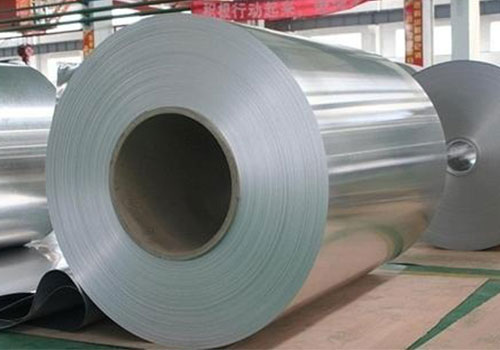

Vitamins and dietary supplements are unusually sensitive products: many actives degrade under oxygen exposure, moisture pickup, UV light, or contact with reactive packaging surfaces. A Custom Aluminum–PVC blister pack with a high barrier coating is designed to protect potency from the factory to the consumer-while maintaining high-speed packaging efficiency, crisp appearance, and reliable push-through performance.
A typical configuration combines:
- Forming web: PVC (or PVC-based laminate) thermoformed into cavities
- Lidding web: Aluminum foil, coated with high-barrier heat-seal lacquer, then printed as needed
- Seal: Heat + pressure creates a hermetic bond between the PVC forming web and coated aluminum lidding
Compared with bottles, blister packs offer unit-dose protection, better compliance, reduced cross-contamination, and more stable shelf-life once opened.
2) High-Barrier Coating: What It Does
The "high barrier coating" on the aluminum lidding is more than just a seal layer:
- Boosts seal integrity across a wider processing window (temperature / dwell / pressure)
- Improves chemical resistance against oils, aromas, and certain actives
- Reduces pinhole sensitivity risk by supporting micro-defect tolerance at the interface
- Enables consistent push-through by controlling lacquer toughness and adhesion balance
In supplement packaging, the biggest value is predictable protection: stable seals, reduced leak rate, and reliable performance across multiple SKUs and pack sizes.
3) Features (Customer-Facing)
Core protection and quality
- High barrier to moisture, oxygen, and light (aluminum provides near-total barrier)
- Hermetic heat seal with controlled peel/push-through characteristics
- Excellent printability for branding, lot codes, and anti-counterfeit features
- Dimensional stability for high-speed blister lines
Manufacturing efficiency
- Wide sealing window reduces downtime and scrap
- Compatible with common blister machines (rotary and platen systems)
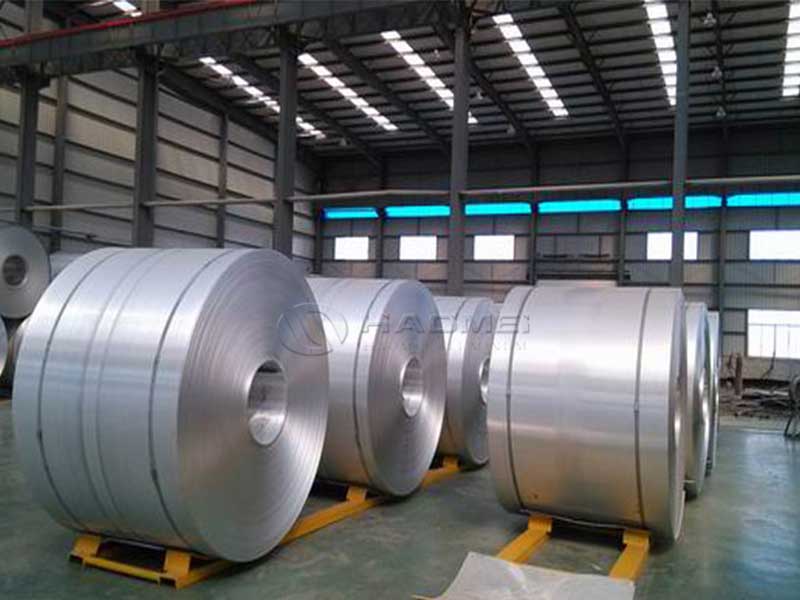
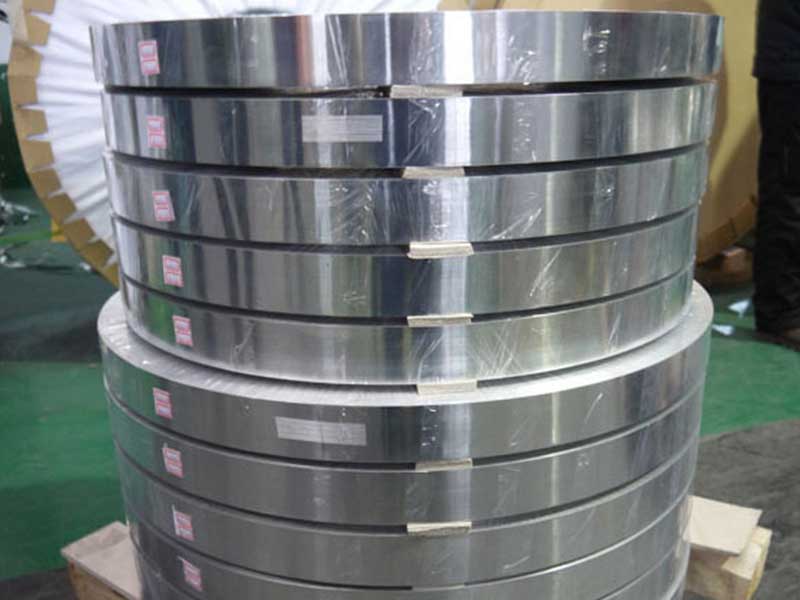
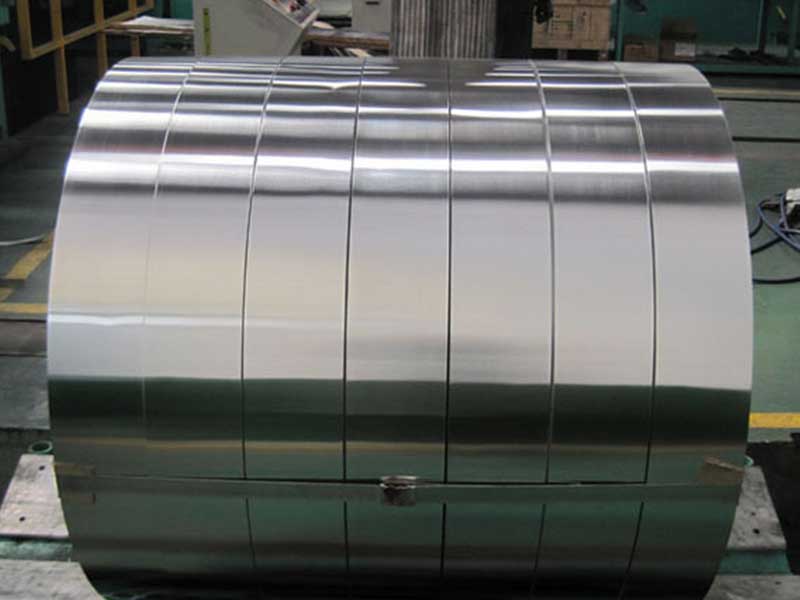
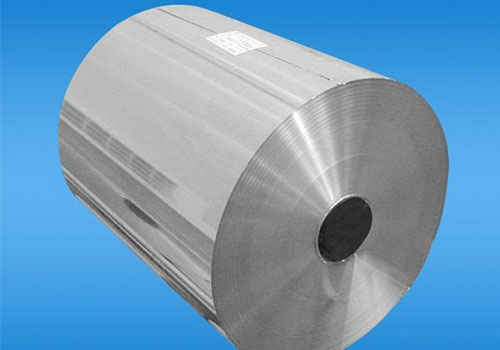
- Roll stock supply with tight gauge control for consistent forming and sealing
User experience
- Clean, reliable push-through without foil shredding
- Unit-dose convenience for travel and daily compliance
- Optional child-resistant/senior-friendly designs through layout and lidding selection
4) Typical Technical Structure
Material Stack (Example Options)
| Layer | Material | Typical Thickness Range | Primary Function |
|---|---|---|---|
| Forming Web | PVC (rigid) | 200–350 µm | Thermoform cavities, visibility, mechanical support |
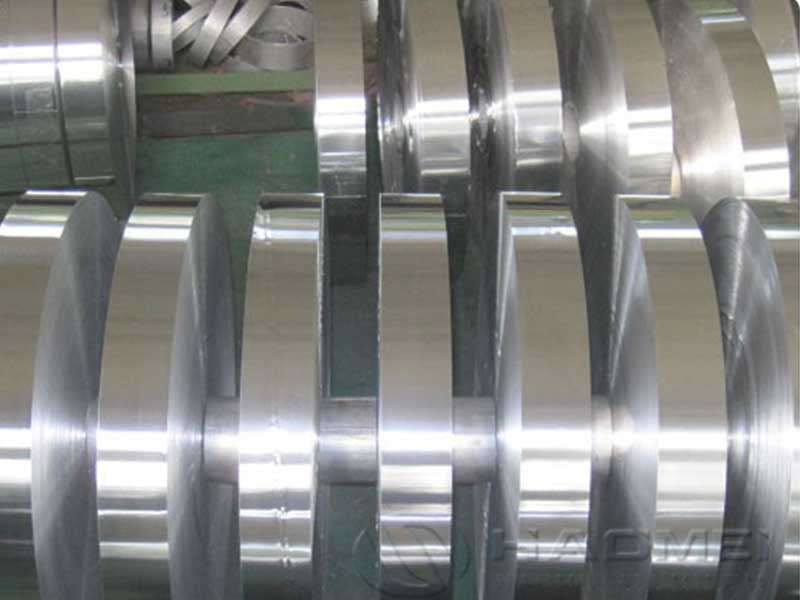
| Lidding Base | Aluminum Foil (hard temper) | 20–30 µm | Barrier to moisture/oxygen/light, push-through strength |
| Seal/Barrier Coating | Heat-seal lacquer (custom) | 3–8 g/m² (dry coat) | Bonds foil to PVC, chemical resistance, sealing window |
| Optional | Primer / ink / overprint varnish | per artwork | Print adhesion, scuff resistance, branding |
Note: For highly hygroscopic products, PVC can be upgraded to PVC/PVDC or PVC/PE/PCTFE. The product described here focuses on Aluminum–PVC with an enhanced lidding coating, which is often the quickest path to better real-world shelf stability without changing forming tooling.
5) Technical Specifications (Typical Ranges)
| Parameter | Typical Range | Test/Method (Common) | Why It Matters |
|---|---|---|---|
| Aluminum foil thickness | 20–30 µm | Micrometer / ISO methods | Push-through strength, barrier robustness |
| PVC thickness | 200–350 µm | Micrometer | Forming stability, cavity definition |
| Coating weight (seal lacquer) | 3–8 g/m² | Gravimetric | Seal strength and sealing window |
| Heat seal temperature | 160–220 °C | Line setting dependent | Seal formation and integrity |
| Dwell time | 0.2–1.0 s | Line setting | Throughput and seal robustness |
| Sealing pressure | 2–6 bar (typ.) | Line setting | Uniform bonding across the web |
| Seal strength (PVC–Al) | 6–15 N/15 mm (typ.) | ASTM F88 (common) | Leak prevention, controlled push-through |
| Pinholes (foil) | Controlled per spec | Optical / electrical | Barrier reliability |
| Surface tension (print side) | ≥ 34–38 dynes/cm | Dyne pens | Ink wetting and adhesion |
Values depend on tooling, cavity geometry, product, and machine type. Final settings should be validated on your line.
6) Aluminum Foil: Chemical Composition (Typical Pharma-Grade Foil)
Most blister lidding foils are based on high-purity aluminum such as AA 8011 / AA 1235 families. Below is a representative composition range commonly specified for blister foil base stock.
| Element | Typical Range (wt.%) | Role in Foil Performance |
|---|---|---|
| Al | Balance (≥ 98.5–99.3) | Primary barrier, formability, corrosion resistance |
| Fe | 0.3–1.0 | Strength, influences grain structure and pinhole tendency |
| Si | 0.05–0.3 | Works with Fe; affects rolling behavior |
| Cu | ≤ 0.05–0.10 | Controlled to avoid corrosion sensitivity |
| Mn | ≤ 0.05–0.20 | Minor strengthening (grade-dependent) |
| Mg | ≤ 0.05 | Kept low for stability and processability |
| Zn | ≤ 0.05–0.10 | Trace control |
| Ti/others | ≤ 0.03 | Grain refinement/control (supplier dependent) |
7) Mechanical & Functional Performance (What Customers Notice)
| Property | Typical Level | Practical Benefit |
|---|---|---|
| Tensile strength (foil) | ~90–160 MPa (temper dependent) | Resists tearing during handling and sealing |
| Elongation | ~1–4% | Controls push-through behavior and crack resistance |
| Burst/push-through balance | Tunable by foil & lacquer | Clean opening without foil shredding |
| Water vapor barrier | Near-zero through foil; system depends on seals | Better potency retention vs. bottles |
| Oxygen/light barrier | Near-total | Protects oxidation-sensitive vitamins (A, C, E, fish oil softgels) |
| Chemical resistance | High with proper lacquer | Reduced interaction with actives and oils |
8) Applications in Vitamins & Supplements
This packaging is well-suited for:
- Multivitamin tablets (abrasive cores that can stress packaging)
- Vitamin C and B-complex (moisture/oxidation sensitivity)
- Fish oil and omega softgels (odor and oil resistance important)
- Probiotics (often require low oxygen/moisture ingress)
- Herbal extracts (aroma retention and anti-scalping performance)
- Effervescent mini-tablets (needs stable sealing and low moisture ingress)
Common pack formats
- Calendar packs (7/14/28 count)
- Travel strips
- High-graphics retail cards
- Clinic/sample blister cards
9) Benefits vs. Common Alternatives
| Packaging Type | Pros | Limitations |
|---|---|---|
| Al–PVC blister (this product) | Strong barrier, unit-dose, excellent branding, good line speed | Forming web is less barrier than full cold-form; validate for extreme moisture sensitivity |
| Bottle + desiccant | Flexible filling, low tooling cost | Once opened, repeated moisture exposure; compliance lower |
| Alu–Alu (cold-form) | Maximum barrier including forming side | Slower forming, higher material cost, opaque cavities |
| Pouches/sachets | Good for powders | Less convenient for unit-dose tablets; sealing variability depending on film |
10) Customization Options (What You Can Specify)
| Custom Parameter | Options | Customer Value |
|---|---|---|
| Foil thickness | 20/25/30 µm | Push-through feel, robustness |
| Coating type | PVC-compatible heat-seal lacquer; enhanced barrier formulations | Better sealing window, chemical resistance |
| Print & finish | Matte/gloss, spot color, QR/serialization | Shelf impact + traceability |
| Perforation & emboss | Easy-tear strips, tactile markers | Convenience and accessibility |
| Roll width/core | Per machine requirement | Fast changeover, reduced waste |
| Compliance features | Lot/expiry, anti-counterfeit marks | Regulatory and brand protection |
11) How to Choose the Right Spec (Fast Guidance)
- Start with the product sensitivity: hygroscopic minerals, probiotics, or oxidizable oils benefit most from improved sealing and barrier coating stability.
- Match to your forming PVC gauge and cavity geometry: deeper cavities may require thicker PVC for dimensional stability.
- Validate on your machine: confirm seal strength, dye ingress/leak tests, and push-through force across the full sealing window.
- Confirm compatibility with inks and sterilization/handling: abrasion resistance and scuff protection matter for e-commerce shipping.