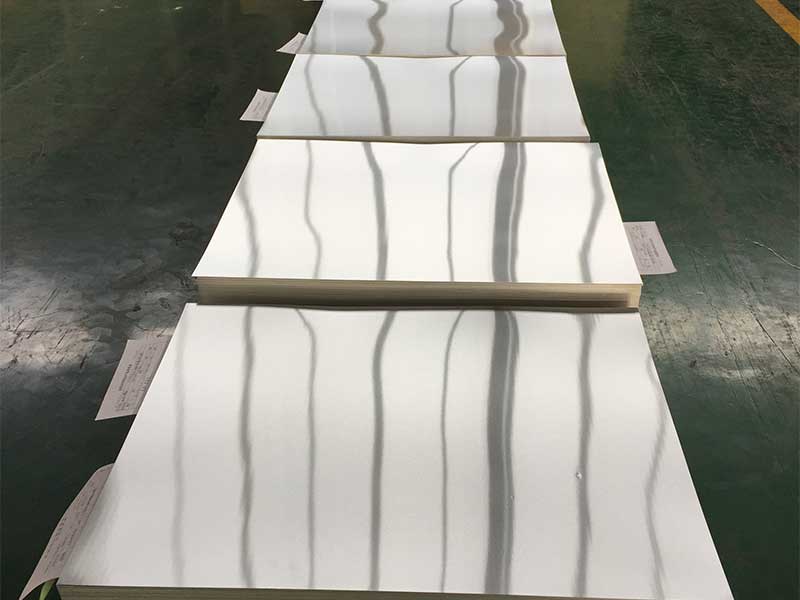
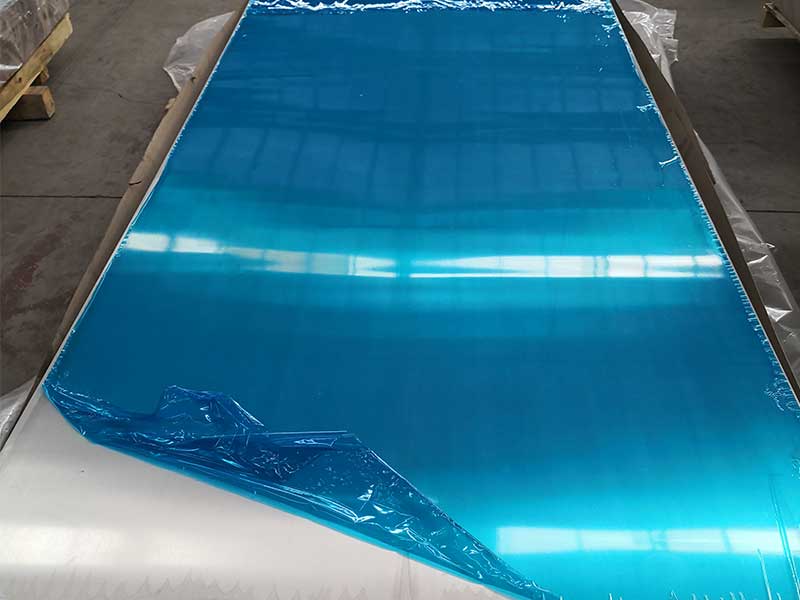
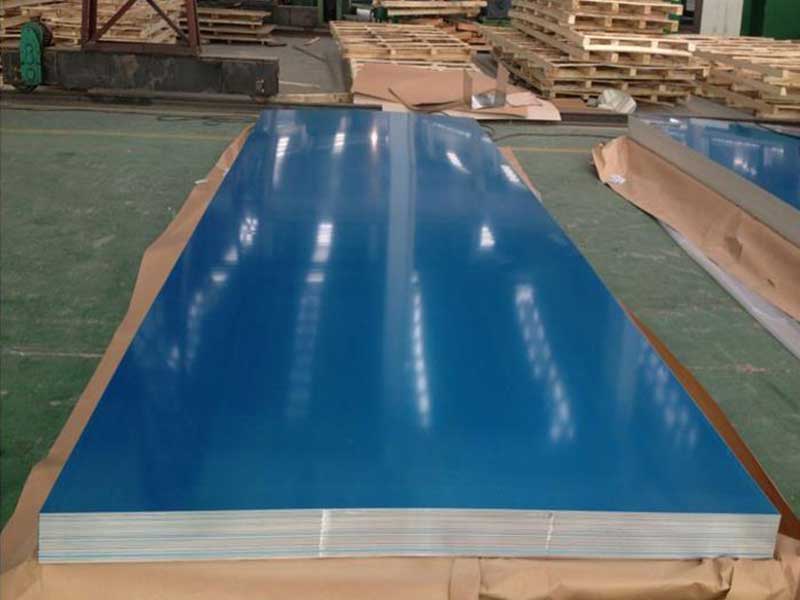
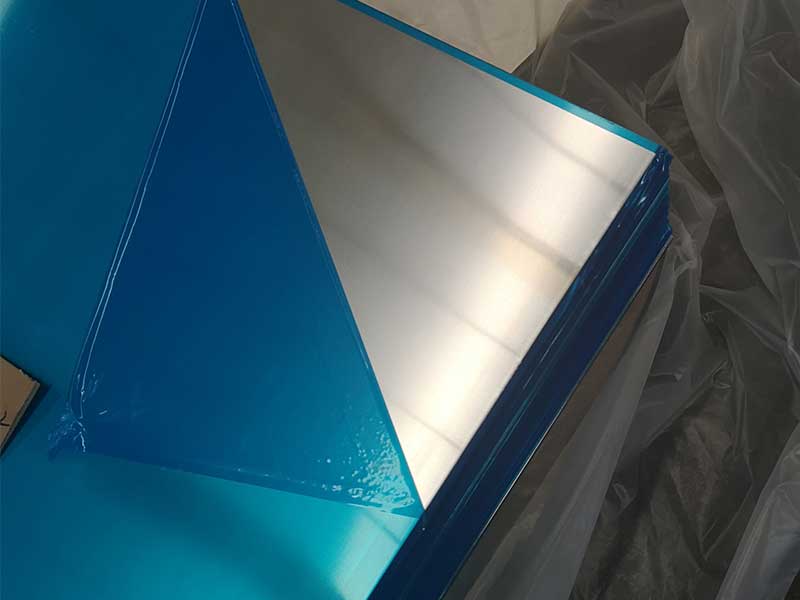
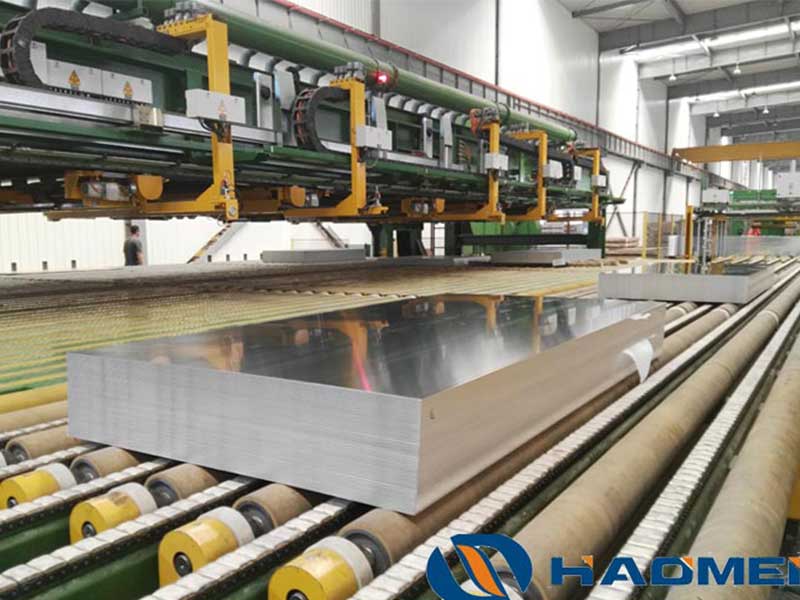
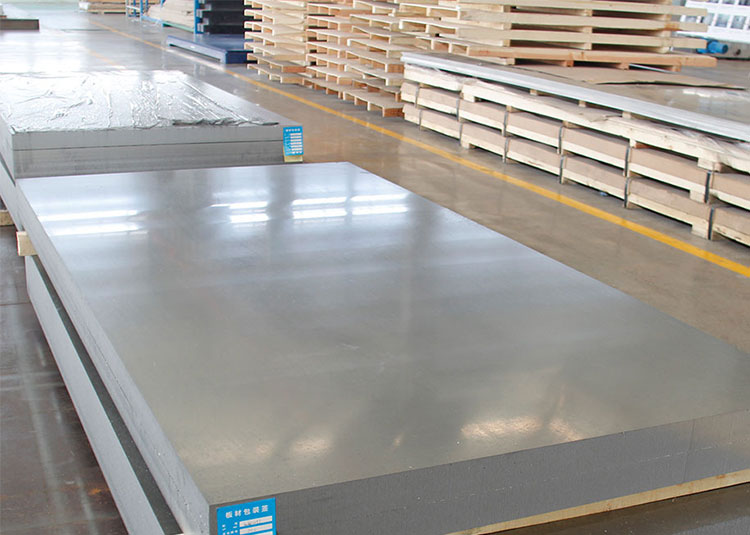
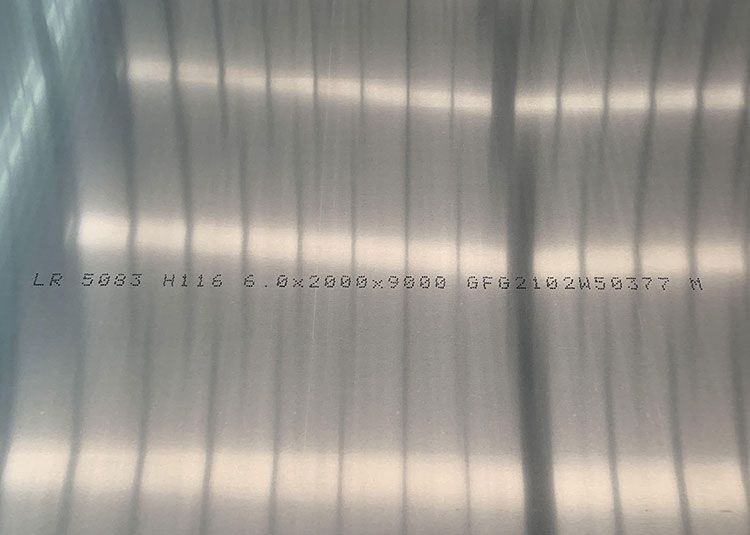
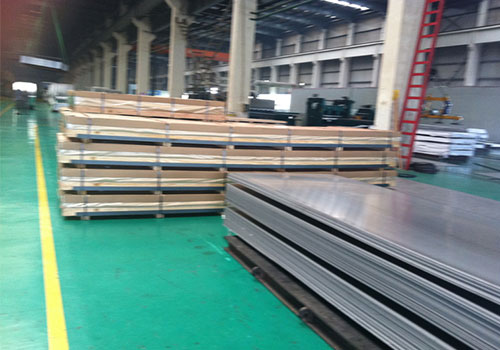
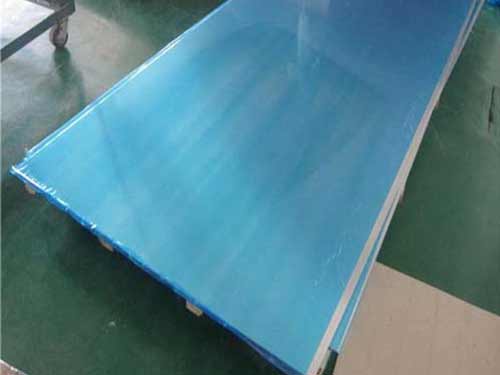
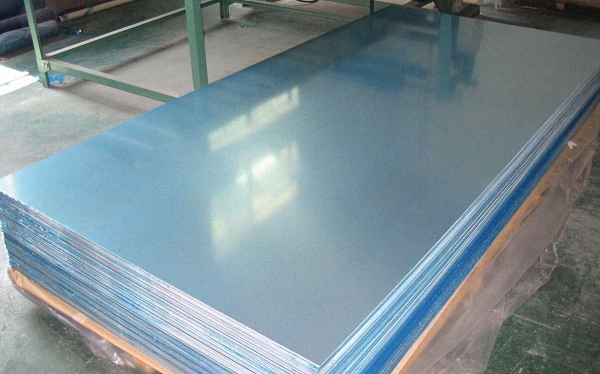
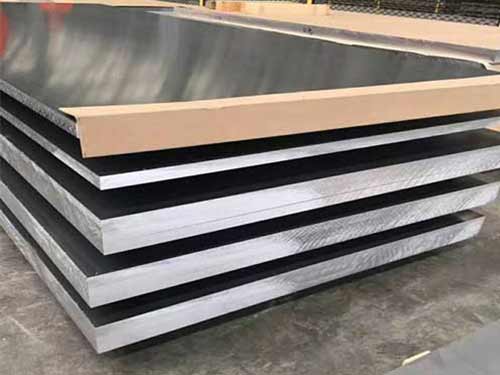
Anodized aluminum plate in 1/8" thickness is a versatile, durable, and visually clean material used everywhere from machine shops and architectural façades to marine components and custom enclosures.
Features of 1/8" Anodized Aluminum Plate
The 1/8" (0.125") thickness hits a sweet spot between strength, formability, and weight. When combined with an anodized surface, it delivers a balanced package of performance and appearance.
Core Advantages
| Feature | Description |
|---|
| Corrosion resistance | Anodic oxide layer protects the base aluminum from moisture, salt, and many chemicals |
| Surface hardness | Harder than bare aluminum; resists scratching and abrasion better |
| Stable, uniform appearance | Matte to satin finish; available in clear, black, and colored options |
| Lightweight | Very low density compared with steel; ideal where weight savings matter |
| Good strength-to-weight ratio | Suitable for structural and semi-structural uses at modest loads |
| Electrical insulation (surface) | Oxide layer is non-conductive; useful where limited electrical isolation is needed |
| Paint and adhesive adhesion | Porous oxide layer helps coatings and adhesives bond more effectively |
| Easy to machine and fabricate | Can be cut, drilled, milled, and formed with common metalworking tools |
| Recyclable | 100% recyclable without losing material properties |
Typical Alloy and Chemical Composition
Anodized plates in 1/8" thickness are commonly produced in 5xxx or 6xxx series alloys, such as 5052 or 6061, due to their combination of strength and anodizing response. Exact chemistry varies by grade, but the tables below provide typical ranges.
Example: 6061-T6 Alloy (Common for Structural Uses)
| Element | Typical Content (wt. %) |
|---|
| Aluminum (Al) | Balance |
| Magnesium (Mg) | 0.8 – 1.2 |
| Silicon (Si) | 0.4 – 0.8 |
| Iron (Fe) | ≤ 0.7 |
| Copper (Cu) | 0.15 – 0.40 |
| Chromium (Cr) | 0.04 – 0.35 |
| Zinc (Zn) | ≤ 0.25 |
| Manganese (Mn) | ≤ 0.15 |
| Titanium (Ti) | ≤ 0.15 |
| Other (each) | ≤ 0.05 |
| Other (total) | ≤ 0.15 |
Example: 5052-H32 Alloy (Common for Marine & Sheet Metal Applications)
| Element | Typical Content (wt. %) |
|---|
| Aluminum (Al) | Balance |
| Magnesium (Mg) | 2.2 – 2.8 |
| Chromium (Cr) | 0.15 – 0.35 |
| Iron (Fe) | ≤ 0.40 |
| Silicon (Si) | ≤ 0.25 |
| Copper (Cu) | ≤ 0.10 |
| Manganese (Mn) | ≤ 0.10 |
| Zinc (Zn) | ≤ 0.10 |
| Other (each) | ≤ 0.05 |
| Other (total) | ≤ 0.15 |
If your project has strict alloy requirements (e.g., for welding, marine service, or structural certification), verify the exact grade (such as 5052-H32 or 6061-T6) when ordering.
Anodized Surface Characteristics
Anodizing converts the outer aluminum surface into a controlled, thicker oxide layer. It is not a paint or plating; it is an integral part of the metal itself.
Typical Anodic Layer Data
| Parameter | Typical Range / Value |
|---|
| Anodic layer thickness | ~0.4 – 0.8 mil (10 – 20 µm) for standard decorative |
| Up to ~1.0 – 2.0 mil (25 – 50 µm) for hard anodizing |
| Surface hardness (Vickers) | ~250 – 400 HV (depending on process) |
| Coefficient of friction | Higher than bare aluminum; improved grip |
| Color options | Clear (natural), black, bronze, custom tints |
| UV stability (clear) | Very good; color-stable for most architectural uses |
| Electrical resistivity (film) | High; oxide is a dielectric layer |
The anodized finish is generally matte to satin. Clear anodizing highlights the metallic grain, while dyed finishes provide a more uniform color.
Dimensional and Physical Data (1/8" Plate)
Basic Dimensions
| Parameter | Value / Description |
|---|
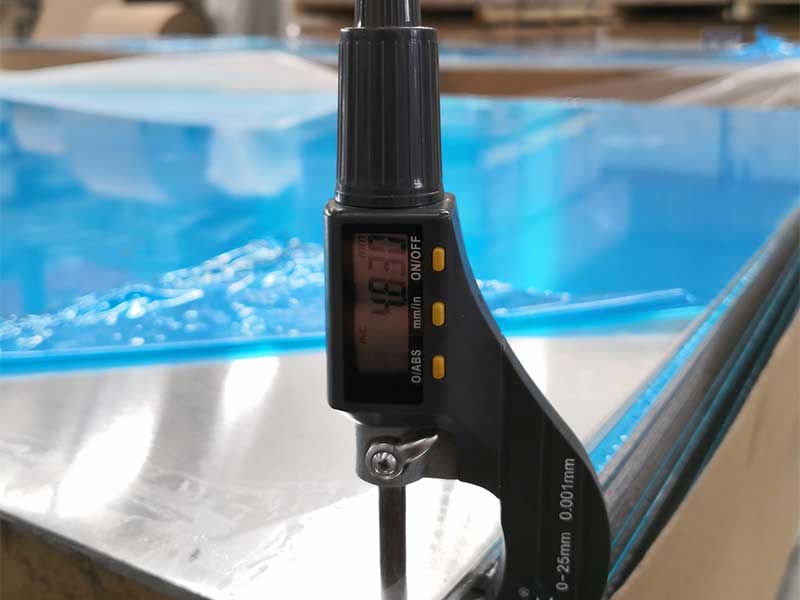
| Nominal thickness | 1/8" (0.125", approx. 3.18 mm) |
| Standard width | Commonly 24", 36", 48", 60" (varies by supplier) |
| Standard length | Commonly 96", 120", 144" |
| Tolerance (thk.) | Typically ±0.005" to ±0.010" (check spec) |
Physical Properties (Alloy-Dependent, Typical for 6061-T6)
| Property | Typical Value |
|---|
| Density | ~2.70 g/cm³ (0.0975 lb/in³) |
| Ultimate tensile strength | ~42 ksi (290 MPa) |
| Yield strength (0.2% offset) | ~35 ksi (240 MPa) |
| Modulus of elasticity | ~10,000 ksi (69 GPa) |
| Elongation at break | ~8 – 12% (thickness dependent) |
| Thermal conductivity | ~167 W/m·K |
| Coefficient of thermal expansion | ~23–24 µm/m·K |
| Electrical conductivity | ~40 – 43% IACS (base aluminum, bare surface) |
| Melting range | ~580 – 650 °C (1075 – 1200 °F) |
Mechanical Performance of 1/8" Thickness
At 1/8", anodized aluminum plate has enough rigidity for panels, covers, and light framing, while still being easy to cut and drill.
Typical Strength and Stiffness Behavior
| Aspect | Performance Notes |
|---|
| Bending stiffness | Adequate for short spans and panel applications |
| Impact resistance | Good for moderate impacts; will dent before catastrophic failure |
| Fatigue resistance | Very good compared to many metals, especially in 5xxx alloys |
| Weldability | Good for 5xxx, fair for 6xxx; anodic layer should be removed at weld area |
| Formability | 5052 easier to bend than 6061; tight bends may require larger radii |
For precision bending or forming, it is often recommended to anodize after major forming operations to avoid cracking of the anodic film on tight radii.
Surface Finish Options
The anodized finish can be tailored for both function and aesthetics.
| Finish Type | Description | Typical Use Cases |
|---|
| Clear anodized | Natural metallic look; silver to light gray satin | Architectural trim, panels, machine guards |
| Black anodized | Deep black matte or satin; non-reflective | Optical housings, electronics, dashboards |
| Colored anodized | Bronze, gold, blue, red, etc. through dyes | Branding elements, decorative panels |
| Hard anodized | Thicker, denser film for high wear and abrasion resistance | Sliding components, fixtures, wear plates |
| Brushed + anodized | Mechanically brushed prior to anodizing for linear grain | Decorative panels, consumer product housings |
Common Applications of 1/8" Anodized Aluminum Plate
The combination of low weight, durability, and clean appearance makes 1/8" anodized plate highly adaptable across industries.
Architectural & Interior Use
| Application Area | Typical Examples | Benefits |
|---|
| Building façades | Exterior cladding panels, accent strips | Corrosion resistance, UV stability, modern appearance |
| Interior design | Wall panels, ceiling tiles, partitions | Lightweight, easy installation, clean finish |
| Store fixtures & signage | Display panels, sign backers, logo plates | Good print adhesion, consistent color, easy machining |
| Door & window trim | Frames, sills, trims | Weather resistance, scratch-resistant surface |
Industrial & Mechanical
| Application Area | Typical Examples | Benefits |
|---|
| Machine building | Guards, covers, doors, operator panels | Rigid yet light, corrosion-resistant, easy to cut |
| Equipment panels | Control panels, mounting plates for components | Good machinability, holds tapped threads (with inserts) |
| Work surfaces & jigs | Fixture plates, inspection plates | Stable, flat, wear-resistant with hard anodizing |
| Tooling & test rigs | Lightweight frames, brackets, supports | Quick fabrication, anodic layer resists handling wear |
Electronics & Enclosures
| Application Area | Typical Examples | Benefits |
|---|
| Instrument enclosures | Front panels, chassis plate, rack-mount panels | Professional look, labeled easily, anodic insulation |
| Heat sink backing plates | Mounting bases for power devices | Good thermal conductivity, non-peeling surface |
| Consumer electronics | Housings for audio gear, control boxes | Premium appearance, color flexibility |
| Laboratory equipment | Panel covers, mounting plates | Cleanable surface, chemical splash resistance |
Transportation & Marine
| Application Area | Typical Examples | Benefits |
|---|
| Marine hardware | Interior panels, cabinetry faces, brackets | Corrosion resistance in humid/saline air |
| Vehicle interiors | Trim panels, instrument panels, kick plates | Lightweight, durable, attractive finish |
| RVs & trailers | Interior and exterior panels, storage box covers | Reduced weight, easy cleaning, weatherability |
Fabrication and Handling Guidelines
Working with 1/8" anodized aluminum plate is straightforward, but a few practices help preserve the finish and performance.
Machining and Cutting
| Process | Recommendation |
|---|
| Sawing | Use carbide-tipped blades designed for non-ferrous metals |
| CNC machining | High-speed tools with proper lubrication to reduce burrs |
| Drilling | Standard HSS or carbide bits; use backing to reduce breakout |
| Tapping | Use cutting fluid; consider thread inserts for high-load joints |
If possible, cut and machine before anodizing to avoid exposing bare edges. When cutting pre-anodized plate, deburr gently to avoid chipping the film.
Forming and Joining
| Method | Notes |
|---|
| Bending | Use appropriate inside bend radii; 5052 is more formable than 6061 |
| Welding | Remove anodic layer in weld zone; re-anodize or coat if needed |
| Fastening | Compatible with stainless steel or aluminum fasteners; isolate dissimilar metals in corrosive environments |
| Adhesives | Anodized surface bonds well with structural adhesives after cleaning |
Care and Maintenance
| Aspect | Guidelines |
|---|
| Cleaning | Mild soap and water; avoid aggressive alkaline cleaners |
| Abrasives | Use non-scratch pads only; avoid steel wool |
| Outdoor exposure | Rinse periodically in marine or polluted environments |
| Touch-up | Scratches in anodized layer cannot be “polished out”; may require local coating or replacement for cosmetic perfection |
When to Choose 1/8" Anodized Aluminum Plate
This product is a strong fit when you need:
- A clean, professional metallic appearance
- Moderate structural strength without excessive weight
- Enhanced corrosion resistance compared to bare aluminum
- A surface that accepts printing, engraving, or labeling
- Panels and plates that are simple to machine and install
For heavier structural loads, thicker plate or additional reinforcement may be required. For purely decorative thin skins, lighter gauges may reduce cost. Within this range, 1/8" anodized aluminum plate remains a highly popular, all-round solution across architectural, industrial, and electronic applications.