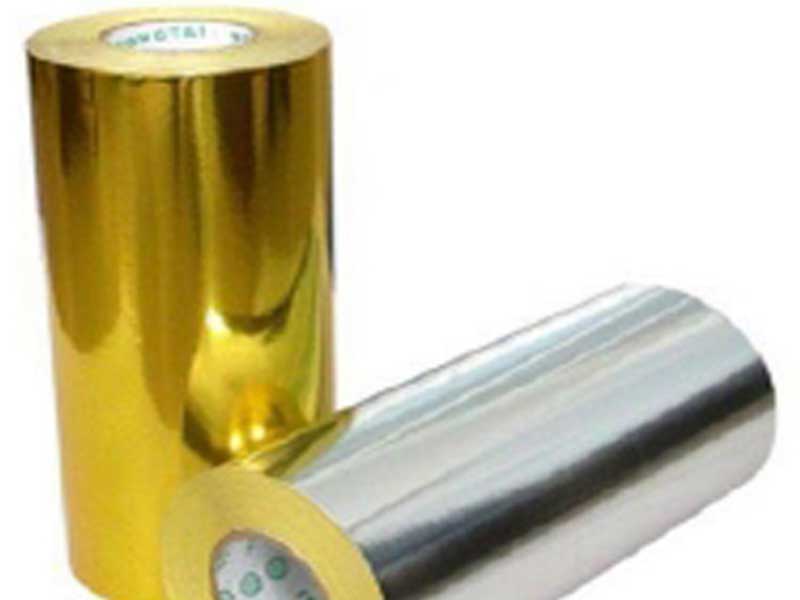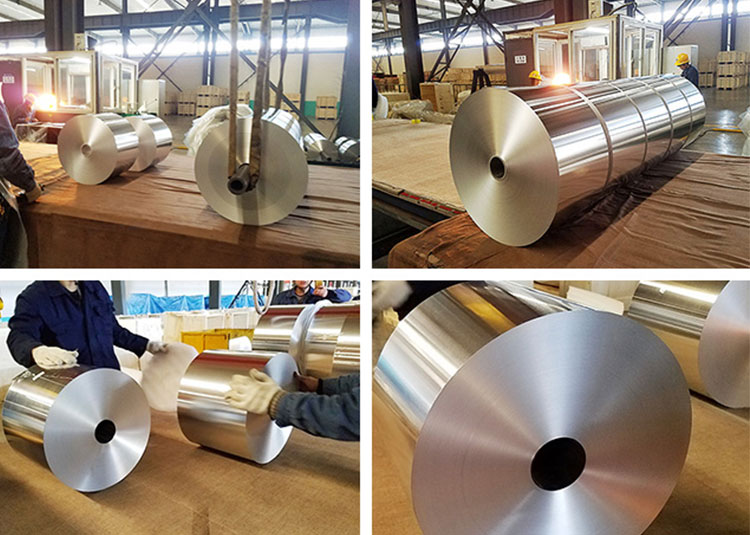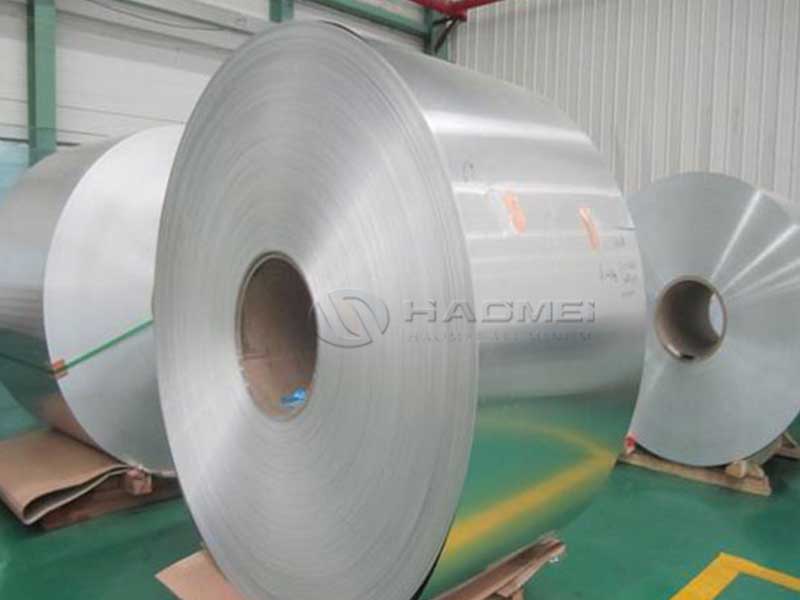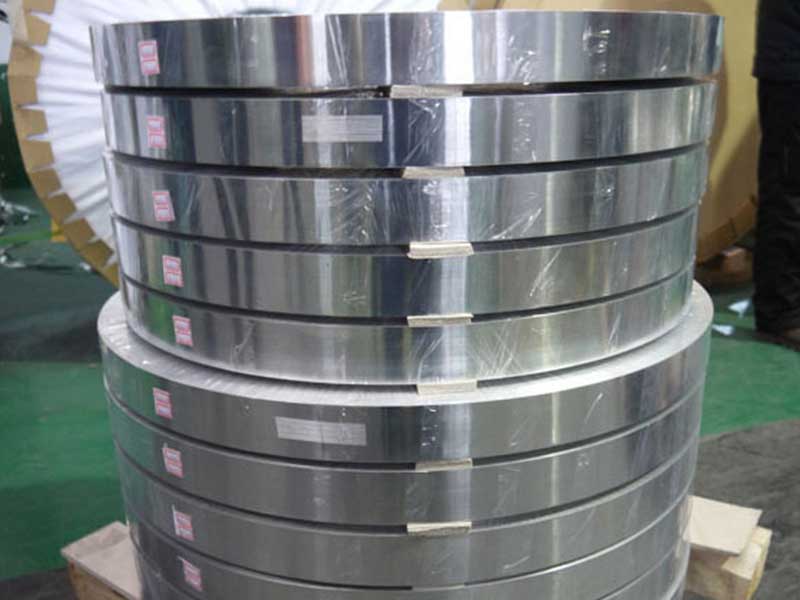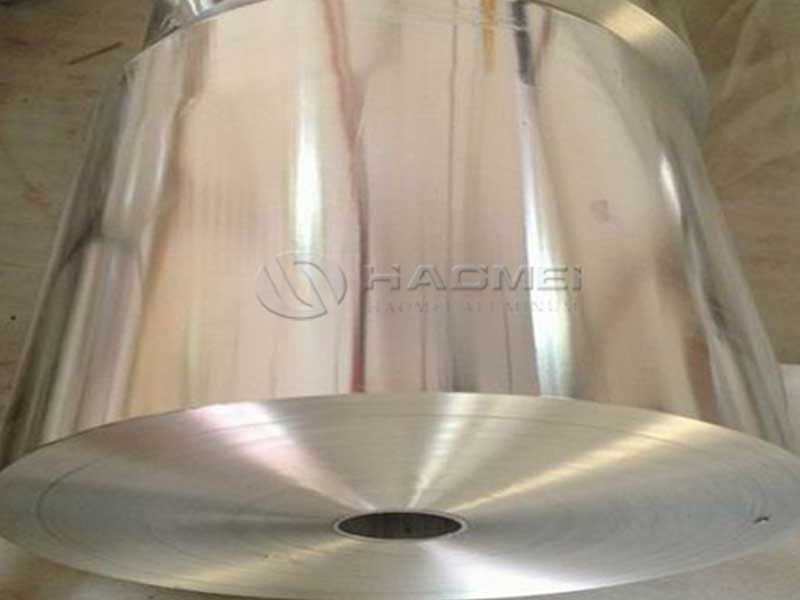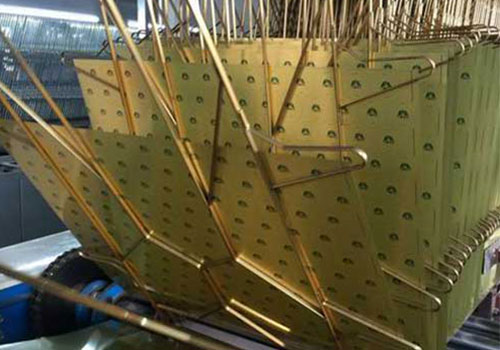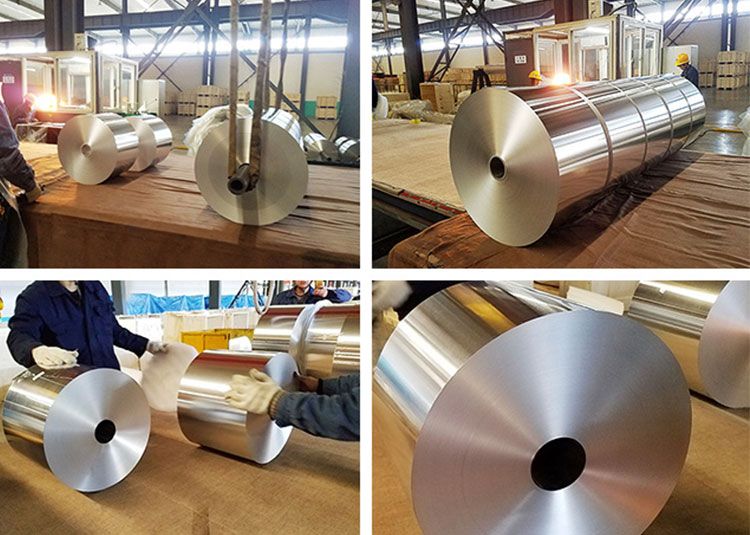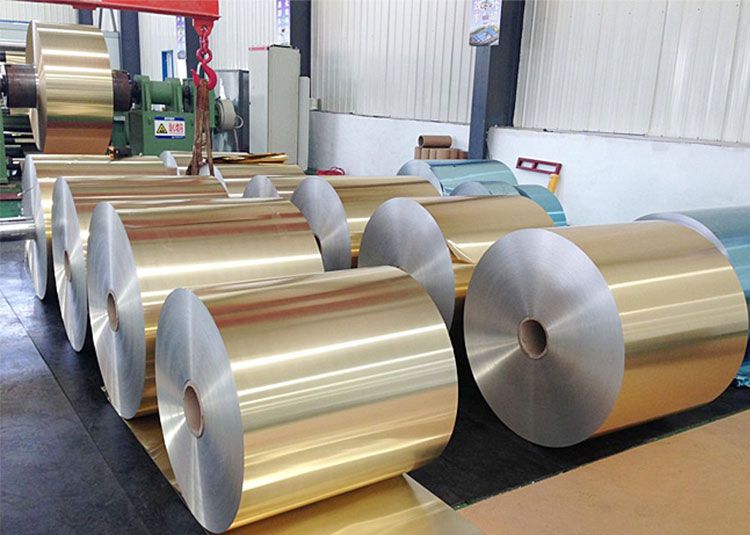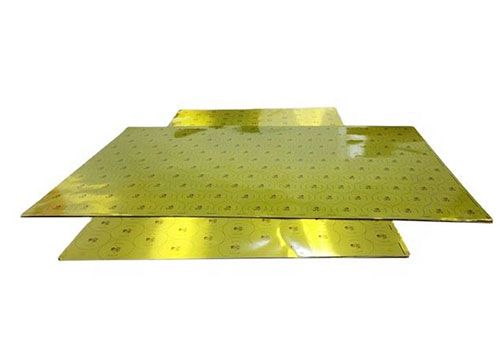

8011 Aluminium Foil Paper is a high-performance packaging and conversion material made primarily from AA8011 aluminum alloy, widely recognized for its excellent barrier protection, stable formability, and reliable heat-transfer behavior in laminations. In day-to-day terms, it is the "workhorse foil" used across food, pharmaceutical, household, and industrial packaging where consistent thickness, clean surface quality, and dependable sealing/printing performance are essential.
From a plant and process perspective, 8011 foil stands out because it balances mechanical strength, soft temper ductility, good corrosion resistance, and cost-effective mass production, making it ideal for both high-speed converting lines and demanding end-use environments.
What Makes 8011 Aluminium Foil Paper Different?
8011 belongs to the Al-Fe-Si alloy family. Controlled iron and silicon contents provide strength and thermal stability without sacrificing rollability. When produced with tight gauge control and proper annealing, 8011 foil paper delivers:
- High barrier performance against moisture, oxygen, light, odors, and microorganisms
- Excellent heat conductivity, supporting fast sealing and thermal response
- Good formability for wrapping, embossing, blister forming, and container lidding
- Strong compatibility with coatings, lacquers, inks, and adhesive laminations
- Stable mechanical properties across a wide thickness range used in packaging
Features and Customer Benefits
| Feature | What It Means in Use | Customer Benefit |
|---|---|---|
| High barrier (near-zero permeability at adequate gauge) | Blocks moisture/oxygen/light effectively | Longer shelf life, improved product freshness |
| Clean, uniform surface | Good wetting for inks, adhesives, coatings | Higher printing quality, fewer delamination risks |
| Multiple tempers (O, H22, H24, H18) | Tunable hardness and elongation | Fits both deep-forming and stiff-lidding needs |
| Strong pinhole control | Reduced micro-defects in thin gauges | Better protection for pharma/food packaging |
| Corrosion resistance | Stable in common storage environments | Lower complaint rate, better appearance retention |
| Recyclable aluminum base | Fits circular packaging strategies | Sustainability and compliance advantage |
Typical Applications
8011 Aluminium Foil Paper is selected when packaging must be both protective and convertible at scale.
Food & Beverage Packaging
- Butter wrap, chocolate wrap, cheese wrap
- Yogurt/juice lids, heat-seal lidding stock
- Retort and high-barrier laminates (with PET/PA/PE structures)
- Household foil and food service wraps
Pharmaceutical & Medical
- Blister foil (commonly printed + coated with heat-seal lacquer)
- Sachets and strip packs (often laminated)
- Medical device barrier packaging (as part of multilayer structures)
Household & Consumer Goods
- Hair dye/cream packaging, cosmetic wraps
- Detergent and chemical sachets (laminated structures)
Industrial & Insulation
- Thermal insulation facings (foil + kraft + scrim)
- Cable wrap, shielding layers, duct insulation
Chemical Composition (AA8011 Typical)
AA8011 is an Al-Fe-Si alloy; limits can vary by standard (ASTM/EN/GB) and supplier practice. The table below reflects commonly referenced composition ranges.
| Element | Typical Range (wt.%) | Role in Performance |
|---|---|---|
| Al | Balance | Base metal; corrosion resistance; barrier performance |
| Fe | 0.60–1.00 | Strengthening; improves thermal stability; affects grain structure |
| Si | 0.50–0.90 | Works with Fe; influences formability and rolling behavior |
| Mn | ≤0.20 | Minor strengthening; supports process stability |
| Cu | ≤0.10 | Controlled to maintain corrosion resistance |
| Mg | ≤0.05 | Kept low for stable forming and surface behavior |
| Zn | ≤0.10 | Impurity control |
| Ti | ≤0.08 | Grain refinement support (process-dependent) |
| Others (each) | ≤0.05 | Controlled impurities |
| Others (total) | ≤0.15 | Controlled impurities |
Technical Specifications (Typical Supply Range)
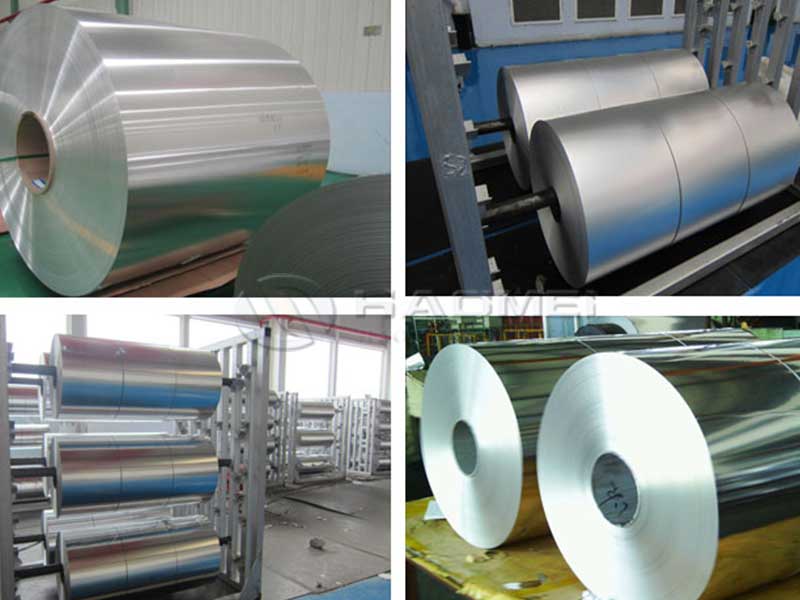
The term "foil paper" usually refers to foil intended for packaging and lamination, often supplied in coils/rolls, sometimes pre-treated or coated depending on the converting route.
| Item | Typical Range / Option |
|---|---|
| Alloy | AA8011 |
| Temper | O (soft), H22/H24 (semi-hard), H18 (hard, special cases) |
| Thickness | 0.006–0.200 mm (common packaging: 0.010–0.040 mm) |
| Width | 100–1600 mm (customizable) |
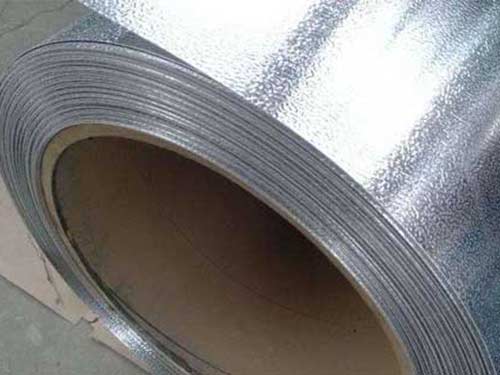
| Inner core | 3" / 6" (76 mm / 152 mm) |
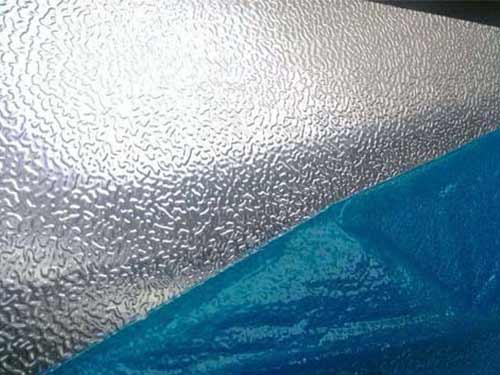
| Surface finish | Bright / matte (single or double), as rolled |
| Coatings | Primer, heat-seal lacquer, protective lacquer (optional) |
| Lamination | Compatible with PE, PP, PET, PA, paper; solvent/water-based/PU adhesives |
| Slitting | Tight-width tolerance available for high-speed lines |
| Typical standards | ASTM B479/B373 (reference), EN/ISO equivalents (as agreed) |
Mechanical Properties (Indicative Values)
Mechanical properties depend strongly on thickness, annealing schedule, and temper. The values below represent commonly achieved ranges for packaging foil.
| Temper | Tensile Strength (MPa) | Yield Strength (MPa) | Elongation (%) | Typical Use |
|---|---|---|---|---|
| O (Annealed Soft) | 60–110 | 20–45 | 15–30 | Deep forming, twist wrap, blister forming base |
| H22 / H24 | 110–160 | 85–130 | 4–12 | Lidding, lamination requiring better stiffness |
| H18 (Hard) | 160–200 | 140–180 | 1–4 | Specialty stiff stock; limited forming |
Performance Highlights (Why It Works in Packaging)
1) Barrier Protection That Drives Shelf Life
Aluminum foil is one of the most effective barrier materials available. With adequate gauge and pinhole control, 8011 foil paper provides strong resistance to:
- Oxygen ingress (reduces oxidation and flavor loss)
- Moisture transfer (prevents drying or clumping)
- Light exposure (protects vitamins, flavors, and sensitive APIs)
- Odor migration (prevents cross-contamination in storage)
2) Excellent Convertibility on High-Speed Lines
Properly processed 8011 foil offers stable winding, flatness, and predictable forming behavior. For converters, this means:
- Fewer web breaks and less downtime
- Consistent embossing and forming definition
- Stable adhesion in laminates (with correct surface tension and coating selection)
3) Heat Transfer and Sealing Efficiency
Foil's high thermal conductivity helps achieve fast, uniform sealing-important for:
- Heat-seal lidding
- Sachet structures
- Blister packaging with heat-seal lacquers
4) Hygiene and Product Safety Compatibility
When paired with suitable lacquers/coatings and produced under controlled cleanliness, 8011 foil paper is well suited for food/pharma packaging requirements. (Final compliance depends on coating system and applicable regulations.)
Common Use-Case Selection Guide
| Use Case | Recommended Temper | Typical Thickness (mm) | Notes |
|---|---|---|---|
| Blister lidding (printed + lacquered) | H18 / H24 | 0.020–0.025 | Focus on stiffness + pinhole control |
| Blister forming foil (with PVC/PVDC forming systems) | O | 0.025–0.060 | Emphasis on ductility and formability |
| Chocolate/butter wrap | O | 0.006–0.012 | Often laminated to paper for stiffness/print |
| Yogurt lid / cup sealing | H22/H24 | 0.030–0.050 | Requires stable seal and peel behavior (coating dependent) |
| Insulation facing | H22/H24 | 0.007–0.050 | Often reinforced with scrim/kraft |
Practical Buying Notes (What to Specify)
To ensure the material performs as expected, customers should specify:
- Alloy and temper (e.g., 8011-O for forming, 8011-H24 for lidding)
- Thickness and tolerance, plus width and coil OD/ID
- Surface requirement (bright/matte, single/double)
- End-use and converting method (printing, lamination, heat-seal, forming depth)
- Coating system needs (primer/lacquer type, seal medium, solvent/water-based compatibility)
- Quality focus: pinhole control level, cleanliness, flatness, and splicing requirements
8011 Aluminium Foil Paper delivers a strong balance of barrier performance, process stability, and cost-effective scalability. Whether used for food freshness, pharma protection, or insulation efficiency, it provides a dependable aluminum foil platform that can be tailored through temper selection, coating, and lamination design. For customers seeking consistent conversion performance and high product protection, 8011 remains one of the most practical and widely proven foil solutions in the market.