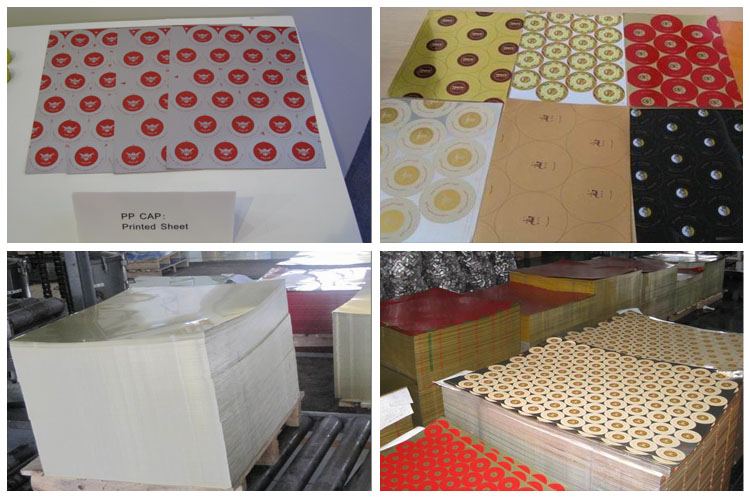

In the world of beverage and pharmaceutical packaging, a PP cap looks simple, but it performs like a miniature engineering system. It must seal reliably, open smoothly, resist corrosion, protect flavor, and remain visually consistent across millions of units. What many buyers discover after scaling production is that the "cap experience" is often decided by the metal component hidden in the structure: the aluminum coil that becomes the liner, shell, label layer, or tamper-evident element. That is where 8011 and 3105 H14 aluminum coils stand out-not as interchangeable materials, but as two purpose-built answers for different PP cap functions and production philosophies.
Why aluminum coil matters in PP caps
PP (polypropylene) is flexible, moldable, and cost-efficient. But PP alone is not a complete barrier material. Aluminum brings what plastics typically lack: strong barrier protection against oxygen, moisture, light, and aroma migration; stable formability for thin-gauge converting; and chemical compatibility with common filling environments. When used in cap liners, foil seals, pilfer-proof bands, decorative wraps, or composite structures, aluminum coil becomes a performance layer that upgrades a standard cap into a high-trust closure.
From a manufacturing perspective, coil quality determines die behavior, stamping stability, curl consistency, and coating adhesion. From a brand perspective, it determines gloss, color stability, and print precision. From a consumer perspective, it determines whether the cap opens cleanly and whether the product tastes the same months later.
Two alloys, one goal: stable closure performance
Although both alloys can be used around PP caps, they deliver their value differently.
8011 aluminum is the classic choice for closure-related foil structures because it excels in barrier performance, cleanliness, and conversion stability. It is widely used in pharmaceutical blister/strip packaging and cap sealing foils, which makes it a natural fit when PP caps need an additional seal layer or tamper evidence that relies on consistent thin-gauge behavior.
3105 H14 aluminum is an Al-Mn alloy known for its balanced strength, good corrosion resistance, and strong forming behavior. In cap-associated applications, it often appears where slightly higher mechanical robustness is needed-such as outer cap shells, decorative bands, or aluminum components that must resist denting while still being workable in high-speed lines.
The "distinctive viewpoint" for buyers is this: 8011 is often selected because it behaves like a barrier specialist, while 3105 H14 behaves like a structural stylist-better at holding shape and surface appearance when the closure is handled, transported, or displayed.
Temper and what "H14" really changes
Temper is not a label-it is a manufacturing lever. H14 indicates strain-hardened (half-hard) material, typically offering higher tensile strength and improved rigidity compared with softer tempers such as H24 or O (annealed). For PP caps, that matters because production lines want material that feeds smoothly, stays flat, and forms predictably without excessive springback.
Commonly supplied tempers for these alloys include:
- 8011: O, H14, H16, H18 (depending on end-use thickness and forming)
- 3105: H14, H24, H26 (commonly for cap and packaging components)
Choosing H14 is often a practical decision for stability in punching, embossing, or shallow drawing where too-soft material can wrinkle and too-hard material can crack at tight radii.
Typical parameters for 8011 / 3105 H14 aluminum coil for PP caps
Below is a practical parameter range commonly used in cap-related converting. Exact targets depend on whether the aluminum becomes a liner foil, a cap band, a printed wrap, or a composite layer.
Supply form and dimensions
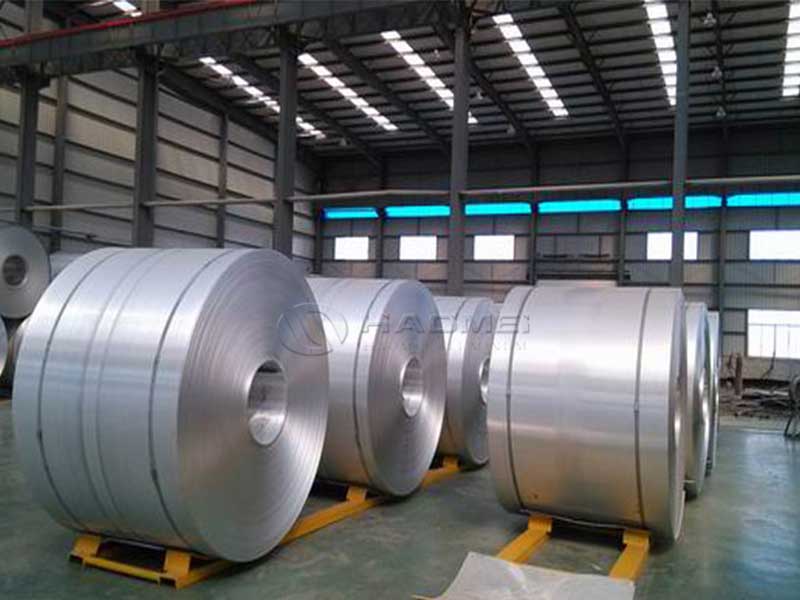
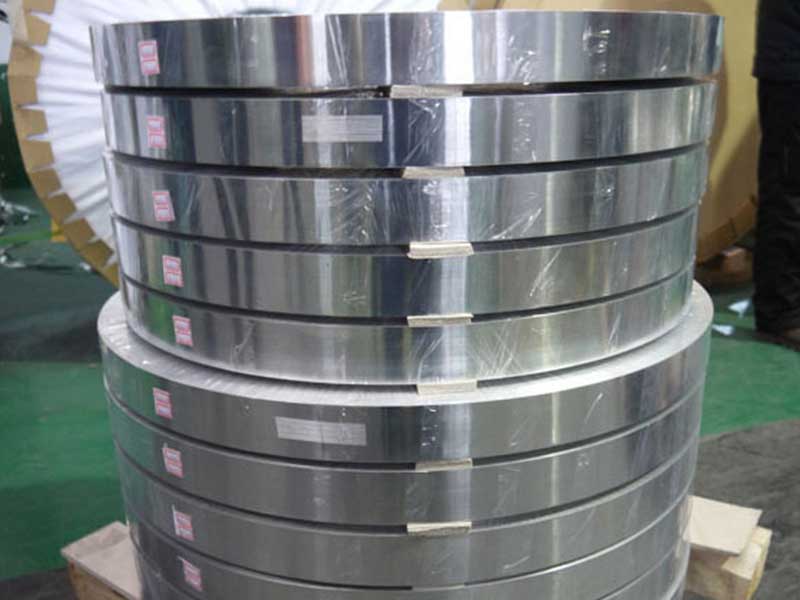
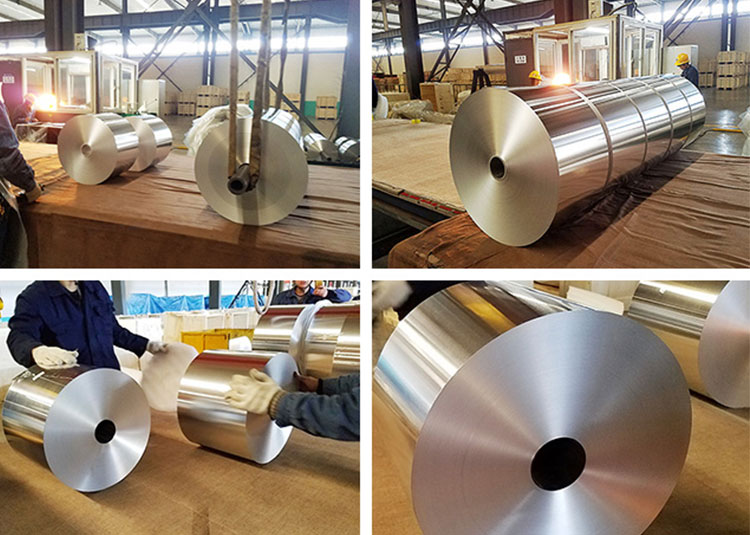
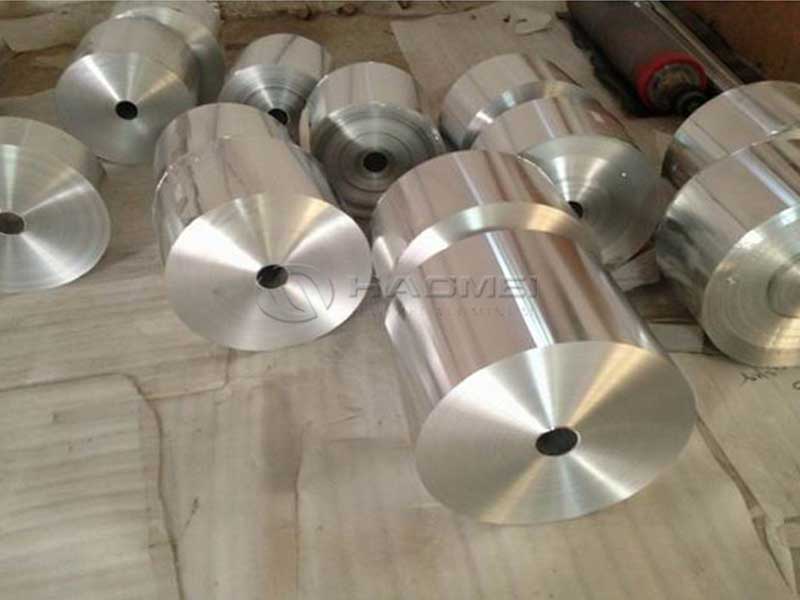
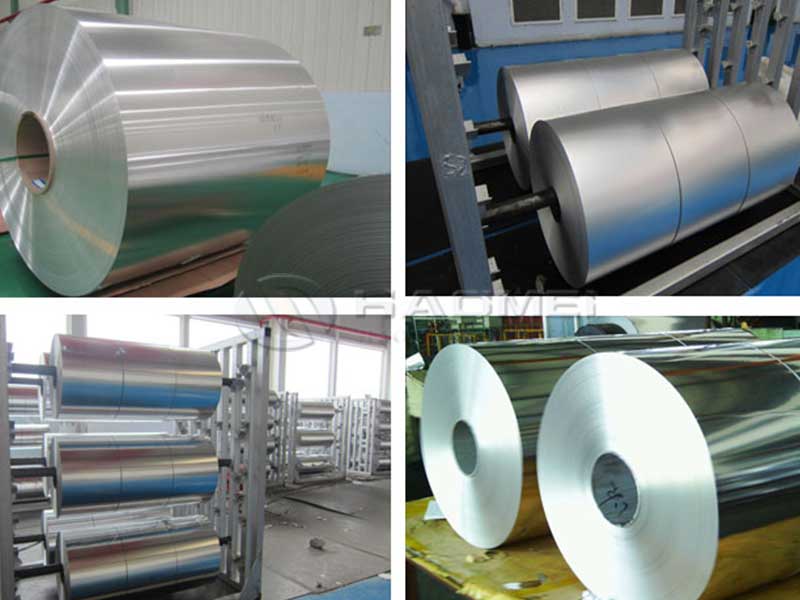
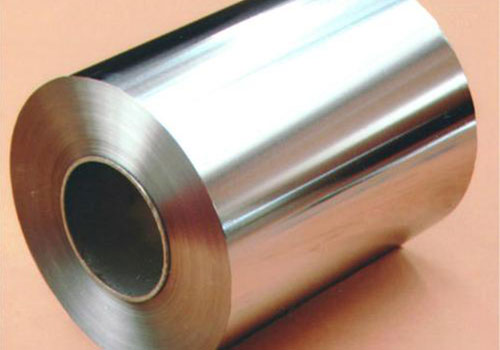
- Product form: Aluminum coil (mill finish or coated)
- Typical thickness: 0.15–0.50 mm for cap bands/shell-related parts; thinner gauges may be used when laminated for sealing foils
- Typical width: 100–1250 mm (custom slit widths for cap lines)
- Inner diameter (ID): 405 mm / 505 mm (common), customized by equipment
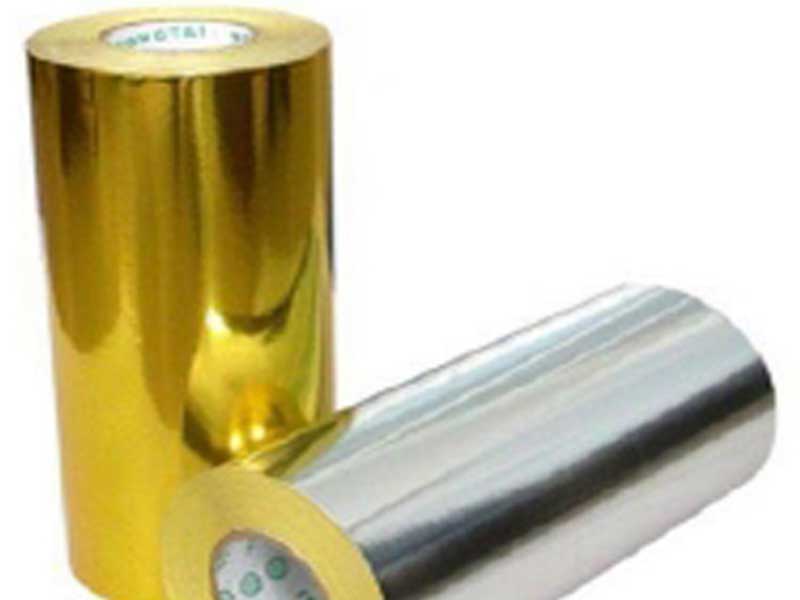
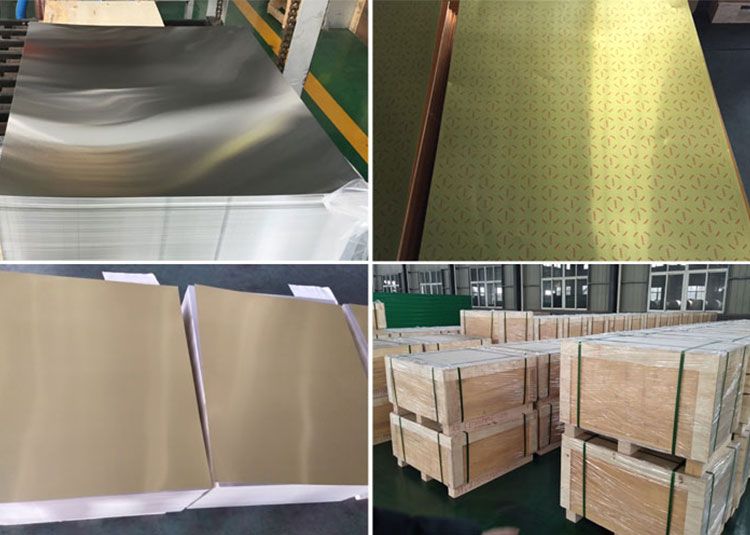
- Surface: One side or two sides coated/printed optional; degreased for coating/lamination
Mechanical property reference (typical, varies by thickness and process)
- 3105 H14 tensile strength: commonly in the medium range suitable for forming and dent resistance
- 8011 H14 tensile strength: generally supportive for thin-gauge converting and stable stamping
For procurement, it is best to confirm tensile strength, yield strength, and elongation requirements based on the forming depth and tooling radius used in the cap component.
process expectations
- Good flatness and low residual stress to avoid camber and coil set
- Stable surface cleanliness for lacquer adhesion, printing inks, and lamination
- Consistent thickness tolerance to reduce die wear and scrap rate
Implementation standards and quality references
Cap and packaging supply chains typically align aluminum coil quality with widely recognized standards. Common references include:
- ASTM B209: Standard Specification for Aluminum and Aluminum-Alloy Sheet and Plate
- EN 485: Aluminum and aluminum alloys-sheet, strip and plate-mechanical properties and tolerances
- GB/T 3880: General Chinese standard for aluminum and aluminum alloy plates and strips
For coated or laminated materials used in food-contact or pharmaceutical settings, additional compliance may apply depending on destination markets, such as food-grade coating requirements, migration limits, and relevant local regulations. Buyers often specify coating type (epoxy, polyester, PVDF where appropriate), coating thickness, and curing conditions for consistent cap appearance and adhesion.
Chemical composition: what's inside the alloy
Chemical composition explains why 8011 and 3105 behave differently. 8011 contains iron and silicon as major alloying elements, supporting workability and barrier foil usage. 3105 relies on manganese and magnesium for strength and corrosion resistance.
Typical chemical composition (wt.%)
| Alloy | Si | Fe | Cu | Mn | Mg | Zn | Ti | Al |
|---|---|---|---|---|---|---|---|---|
| 8011 | 0.50–0.90 | 0.60–1.00 | ≤0.10 | ≤0.20 | ≤0.05 | ≤0.10 | ≤0.08 | Remainder |
| 3105 | ≤0.60 | ≤0.70 | ≤0.30 | 0.30–0.80 | 0.20–0.80 | ≤0.40 | ≤0.10 | Remainder |
Note: Exact ranges can vary slightly by standard and supplier control targets. For cap applications with strict forming or coating demands, many converters request tighter internal control than the base standard.
Functions and applications in PP caps
Seal integrity and barrier protection
When PP caps rely on induction sealing, heat sealing, or laminated liners, aluminum coil (especially 8011) provides a stable barrier layer. It blocks oxygen and moisture ingress, protects aroma, and supports longer shelf life. This is critical for dairy drinks, juices, nutraceuticals, sauces, and sensitive pharmaceuticals.
Tamper evidence and consumer trust
Aluminum bands or foil elements provide visible tamper evidence. A stable coil temper helps achieve consistent tearing lines, embossing, and opening feel-small details that reduce customer complaints and raise perceived quality.
High-speed manufacturability
In cap production, downtime is expensive. Coils with stable temper, uniform gauge, and controlled surface cleanliness run longer with less tool contamination. 3105 H14 is often selected where extra rigidity improves handling and reduces deformation during feeding or forming.
Branding and premium appearance
Printed or lacquered aluminum layers offer sharper graphics, metallic luster, and better scuff resistance than many plastic-only solutions. For premium beverages, cosmetics, and wellness products, 3105 H14 coils with quality coating systems can deliver a consistent "metal touch" brand identity while still integrating with PP.
A practical way to choose between 8011 and 3105 H14
If the aluminum's job is primarily barrier, sealing, or laminated foil performance, 8011 is often the most direct match. If the aluminum must contribute more to structural feel, dent resistance, and premium surface presentation around a PP cap system, 3105 H14 is frequently the better solution. Many cap designs use both concepts-barrier-focused foil components paired with a stronger decorative or protective aluminum element.
Ultimately, 8011 and 3105 H14 aluminum coils are not just materials; they are production stabilizers. They help PP caps seal cleaner, look better, run faster, and protect product integrity longer. When specified with the right standards, temper, surface condition, and composition control, they become a quiet advantage that customers notice only when it's missing.